U.S. Officials Warn of Grave Iranian Threat Amidst Critical Nuclear Talks in Geneva

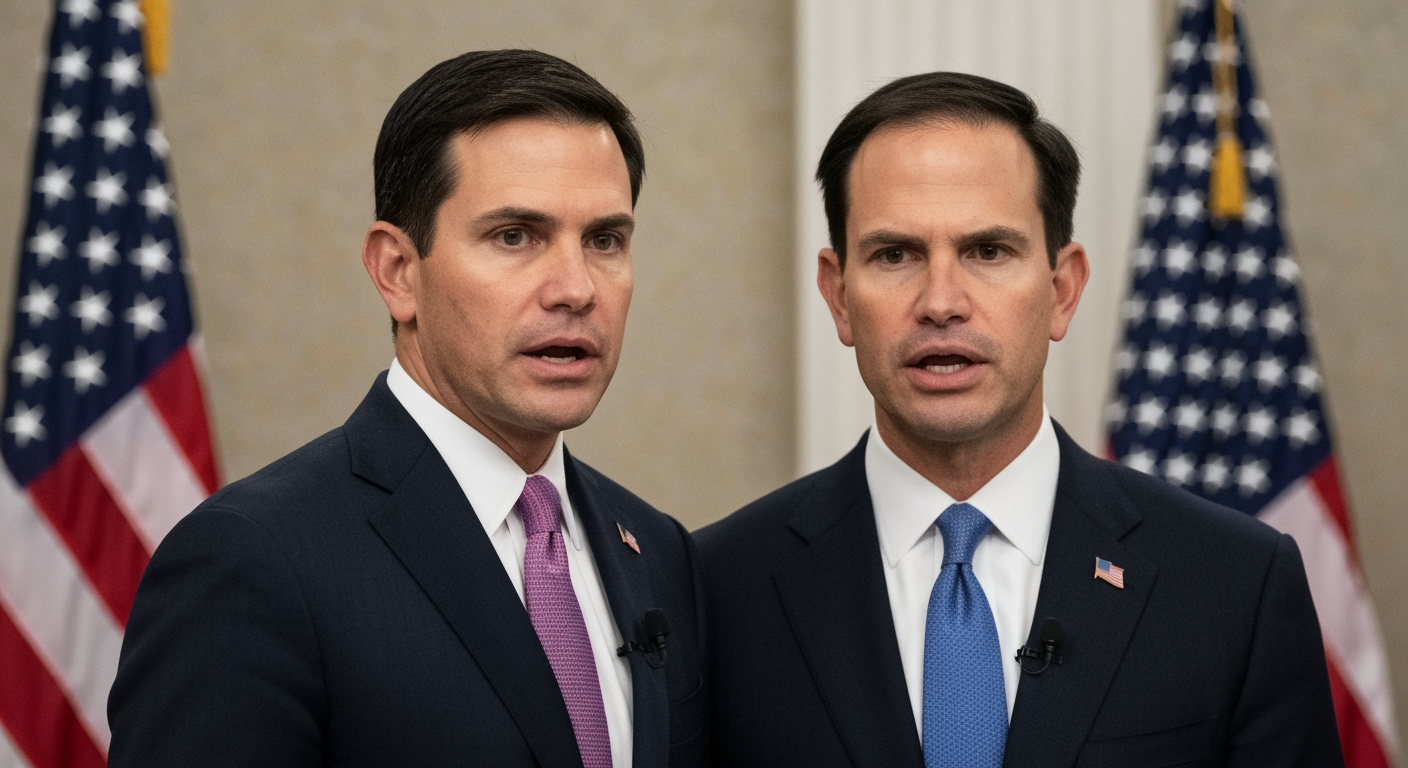
GENEVA – As high-stakes diplomatic negotiations commenced in Geneva on Thursday, top U.S. officials issued stark warnings regarding what they described as a severe and escalating threat posed by Iran. U.S. Secretary of State Marco Rubio and Vice President J.D. Vance both emphasized Iran's advancing nuclear ambitions and its formidable missile capabilities, asserting that Tehran's actions pose a grave danger to U.S. interests and regional stability. These pronouncements underscore the immense pressure surrounding the current round of talks, which many observers view as a last diplomatic opportunity to avert a wider conflict.
Alarming Developments in Iran's Nuclear Program and Ballistic Missiles
Secretary Rubio, speaking ahead of the Geneva discussions, articulated serious concerns over Iran's attempts to regenerate its nuclear program following U.S.-led strikes last June. He highlighted evidence indicating Tehran's continuous efforts to rebuild elements of its nuclear infrastructure, pushing towards a point where it could potentially resume uranium enrichment, a critical step in nuclear weapons development. Rubio stressed that Iran's current trajectory, despite past warnings, signifies a persistent and dangerous ambition.
Beyond the nuclear dimension, Rubio also pointed to Iran's extensive arsenal of ballistic missiles, describing them as a direct threat to the United States, its military bases, and its allies across the Middle East, including the United Arab Emirates, Qatar, and Bahrain. He noted that Iran already possesses missiles capable of reaching much of Europe and is actively working on developing intercontinental ballistic missiles (ICBMs) that could eventually target the continental United States. The Secretary of State underscored that Iran's refusal to engage in negotiations regarding its missile program represents a "big problem" for international security.
Echoing these sentiments, Vice President J.D. Vance confirmed that the U.S. possesses intelligence suggesting Iran is actively trying to rebuild its nuclear program. Vance reiterated the unequivocal U.S. policy that Iran must not be allowed to possess a nuclear weapon, a stance he described as a fundamental principle. He urged Iran to take seriously Washington's threats of military action, emphasizing that while diplomacy remains the preferred path, President Donald Trump maintains "other options" to ensure Iran does not acquire nuclear capabilities.
The Weight of Diplomacy: Geneva Talks Under Military Shadow
The current round of nuclear talks in Geneva represents the third such engagement between U.S. and Iranian officials in 2026, mediated by Oman. These indirect negotiations are taking place amidst a significant U.S. military buildup in the Middle East, reportedly the largest since the 2003 invasion of Iraq. This military posture, including the deployment of aircraft carriers and warplanes, serves as a clear signal of the Trump administration's readiness to consider military options should diplomacy fail.
President Trump has consistently maintained that Iran will never be permitted to obtain a nuclear weapon and has previously claimed that U.S. airstrikes last June "obliterated" Iran's nuclear program. However, current statements from his top officials indicate a belief that Iran is actively working to restore and advance these capabilities. The U.S. negotiating position reportedly includes demands for zero uranium enrichment by Iran, stringent limitations on its ballistic missile program, and an end to its support for regional proxy militias. A key U.S. objective for any potential agreement is the absence of a "sunset clause," aiming for a deal that remains indefinitely in effect to prevent future nuclear proliferation.
Iranian negotiators, led by Foreign Minister Abbas Araghchi, have maintained that a deal is achievable if Washington is willing to concede Iran's symbolic right to enrich uranium, allow for the dilution of its highly enriched uranium stockpile, and refrain from imposing controls on its ballistic missile program. Iran asserts that its nuclear program is exclusively for peaceful purposes and has denied pursuing nuclear weapons. Tehran has also reportedly restricted negotiations solely to the nuclear issue, rejecting discussions on its missile program or regional activities. In a sign of heightened tensions, Iran temporarily closed the Strait of Hormuz earlier this month and has warned of severe retaliation in the event of a military strike.
Historical Context and Regional Implications
The current diplomatic and military standoff is deeply rooted in past events, particularly the U.S. withdrawal from the Joint Comprehensive Plan of Action (JCPOA) during President Trump's first term. The 2015 agreement, which involved Iran, the P5+1 group of world powers, and the European Union, provided for limitations on Iran's nuclear program and robust international monitoring in exchange for sanctions relief. Supporters of the JCPOA argued it was the most effective means to prevent Iran from developing nuclear weapons. However, the Trump administration criticized the deal as insufficient, leading to its abrogation and the re-imposition of sanctions under a "maximum pressure" campaign.
Critics of the withdrawal contended that it eroded trust and potentially incentivized Iran to further its nuclear ambitions, rather than constrain them. The current warnings from Rubio and Vance, coupled with evidence of Iran's nuclear rebuild, appear to validate some of these concerns. The escalating tensions have also manifested in regional destabilization, with ongoing concerns about Iran's support for various proxy groups and its impact on conflicts across the Middle East.
A Precarious Path Forward
The convergence of stern warnings from senior U.S. officials, the visible military buildup, and the resumption of critical nuclear negotiations paints a picture of extreme geopolitical tension. The outcome of the Geneva talks remains highly uncertain, with a narrow window for diplomacy to succeed before potential military confrontation becomes a more pressing reality.
The core challenge lies in bridging the significant chasm between U.S. demands for complete cessation of enrichment and comprehensive controls over missile development, and Iran's insistence on its sovereign rights and the peaceful nature of its nuclear program. With both sides having drawn clear red lines and an extensive military presence poised in the region, the international community watches with bated breath as negotiators attempt to navigate this precarious path. The ramifications of either a breakthrough or a breakdown in talks will profoundly shape the security landscape of the Middle East and beyond.
Related Articles


Blind Refugee Found Dead in Buffalo After Border Patrol Release Sparks Outcry
BUFFALO, N.Y. — A nearly blind refugee from Myanmar, who had been missing for several days after his release from U.S. Border Patrol custody, was found dead Tuesday evening on a downtown Buffalo street, igniting a fierce debate over federal immigration authorities' handling of vulnerable individuals

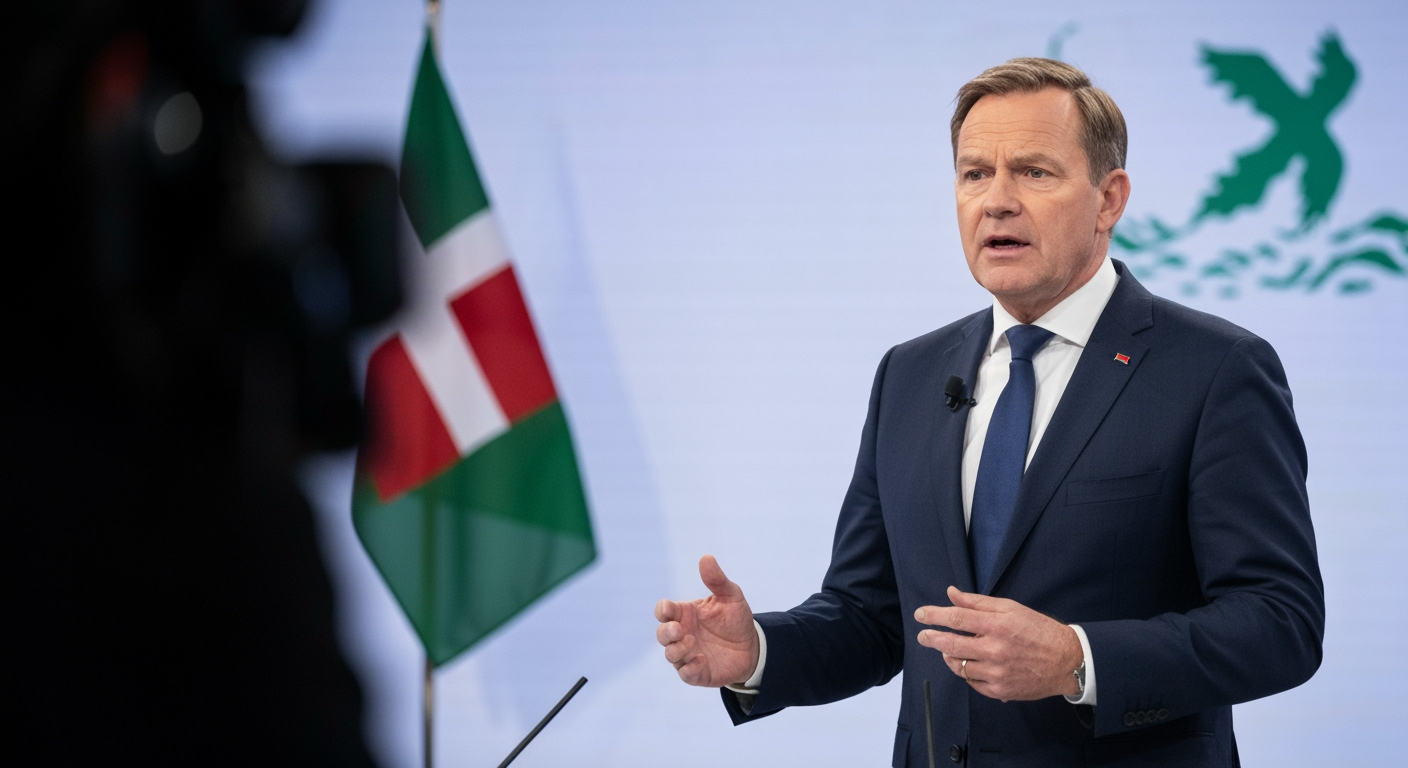
Danish Prime Minister Calls Snap Election, Riding Wave of "Greenland Momentum" Amid Geopolitical Tensions
COPENHAGEN, Denmark – Danish Prime Minister Mette Frederiksen has unexpectedly called a snap parliamentary election for March 24, a decision largely seen as a strategic move to capitalize on a recent surge in public approval following her assertive handling of renewed United States pressure regarding Greenland. The announcement, made in the Danish Parliament on Thursday, triggers an early vote months ahead of the October 2026 deadline, propelling Denmark into an intense campaign season against a backdrop of heightened geopolitical concerns and a shifting global order. The Prime Minister framed the upcoming election as a pivotal moment for Denmark and Europe, emphasizing the need for both to "stand on their own," redefine their relationship with the United States, and strengthen their defenses to ensure peace on the continent

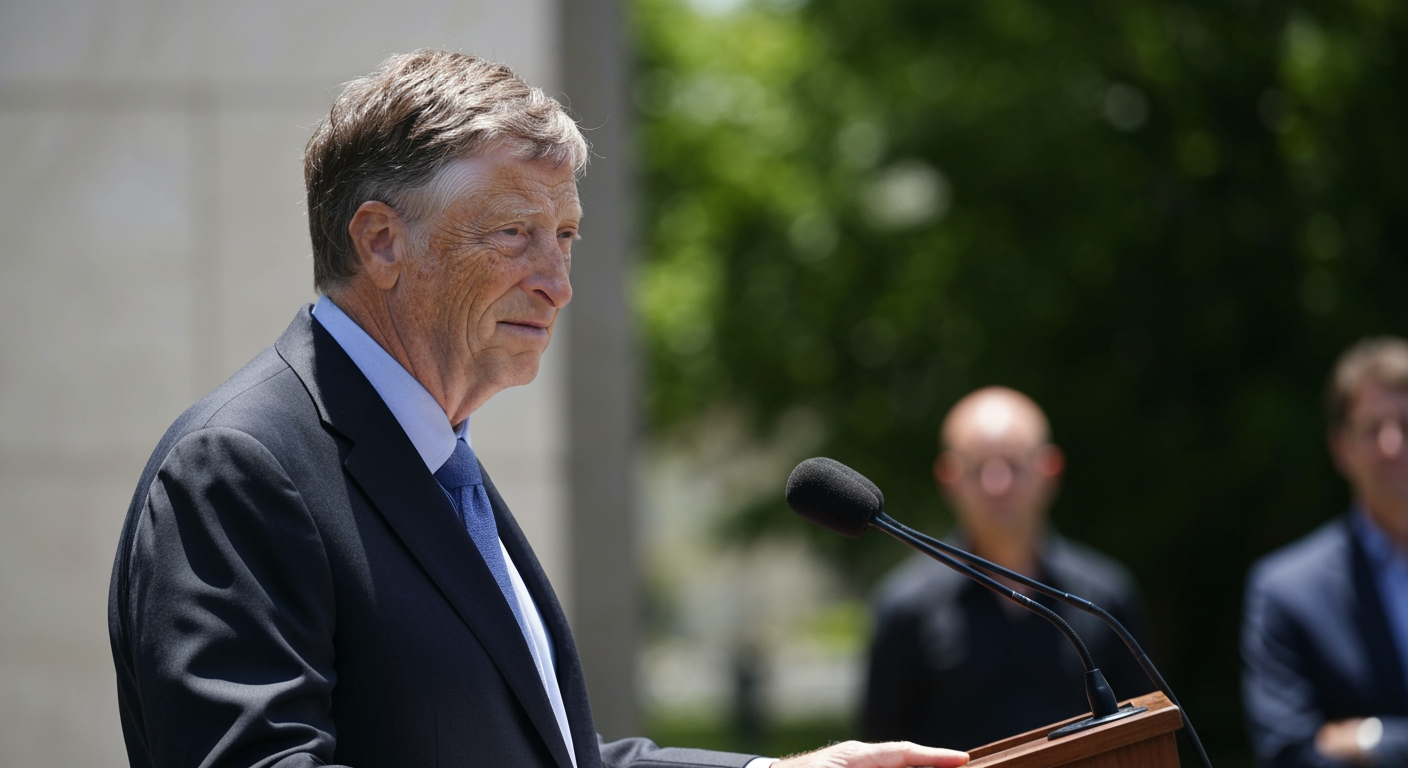
Bill Gates Expresses Deep Regret Over Ties to Jeffrey Epstein, Citing "Huge Mistake"
SEATTLE, WA – Billionaire philanthropist and Microsoft co-founder Bill Gates has publicly expressed profound regret over his past association with convicted sex offender Jeffrey Epstein, describing the interactions as a "huge mistake" that cast a shadow over his philanthropic work and significantly impacted his personal life. The apologies, reiterated in recent statements and a town hall meeting with staff of the Bill & Melinda Gates Foundation, follow renewed scrutiny brought by the release of documents related to the Epstein investigation and underscore the lasting repercussions of the controversial connection. Gates has maintained that his engagements with Epstein were solely focused on philanthropic discussions, particularly regarding potential fundraising for global health initiatives, and has vehemently denied any involvement in or knowledge of Epstein's criminal activities