Danish Prime Minister Calls Snap Election, Riding Wave of "Greenland Momentum" Amid Geopolitical Tensions

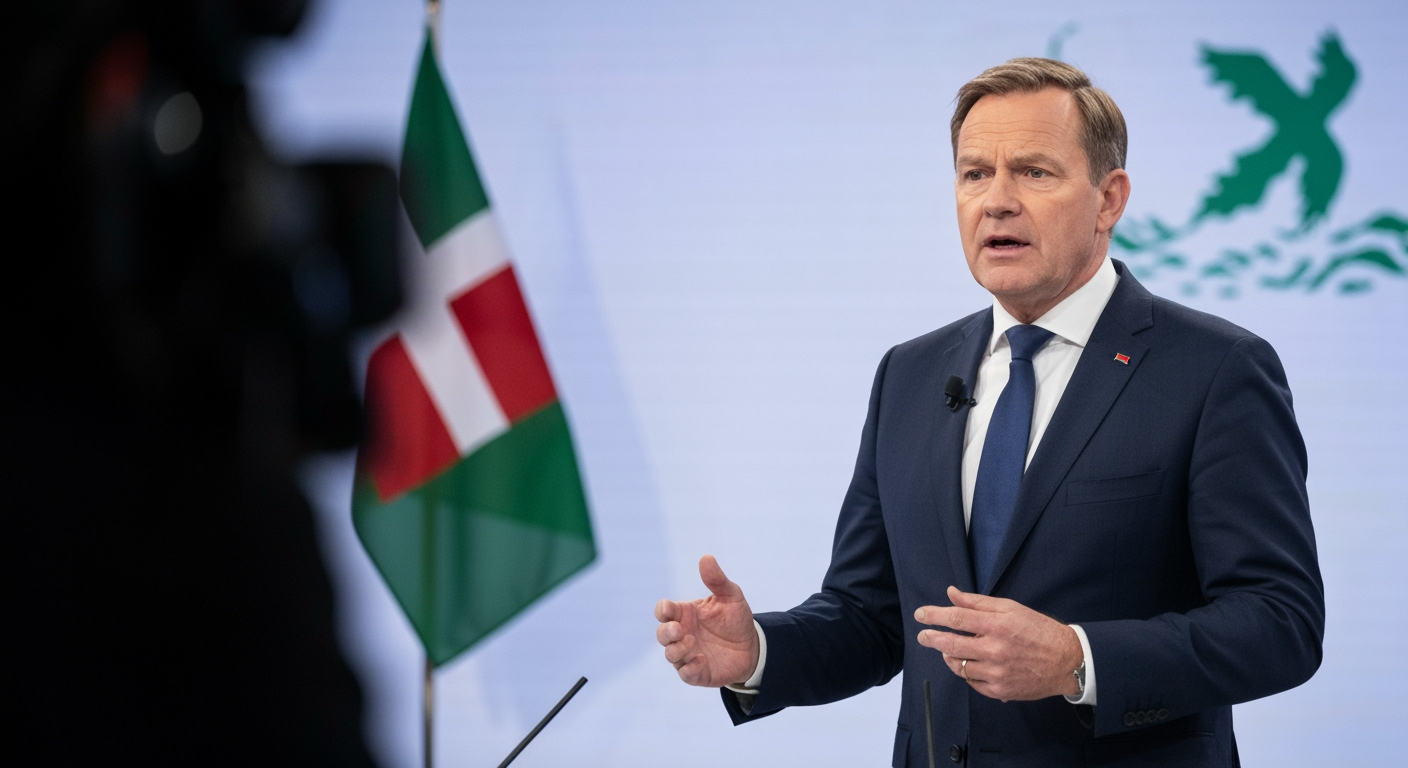
COPENHAGEN, Denmark – Danish Prime Minister Mette Frederiksen has unexpectedly called a snap parliamentary election for March 24, a decision largely seen as a strategic move to capitalize on a recent surge in public approval following her assertive handling of renewed United States pressure regarding Greenland. The announcement, made in the Danish Parliament on Thursday, triggers an early vote months ahead of the October 2026 deadline, propelling Denmark into an intense campaign season against a backdrop of heightened geopolitical concerns and a shifting global order.
The Prime Minister framed the upcoming election as a pivotal moment for Denmark and Europe, emphasizing the need for both to "stand on their own," redefine their relationship with the United States, and strengthen their defenses to ensure peace on the continent. She also underscored the importance of safeguarding the future of the Danish Commonwealth, which includes Greenland and the Faroe Islands. This rhetoric directly reflects the recent diplomatic standoff that has dominated Danish political discourse and inadvertently boosted Frederiksen's personal ratings.
The Unexpected Call to the Polls
Prime Minister Frederiksen, who has led a rare centrist coalition government comprising the Social Democrats, Moderates, and Liberals since 2022, signaled her intent to dissolve parliament with the traditional phrase "a remark of a special nature." While her coalition, formed to bridge the political divide, has maintained stability, recent polling suggested it risked losing its parliamentary majority in a regularly scheduled election. The decision to call an early election now positions Frederiksen to leverage what analysts are calling a "Greenland bounce" in her popularity, stemming from her firm and widely lauded response to U.S. attempts to acquire the vast Arctic island.
This strategic timing aims to transform a foreign policy challenge into electoral strength. Frederiksen's administration has been navigating increased public dissatisfaction over domestic issues such as rising living costs and pressures on welfare services. However, her image as a steady crisis manager, honed during the COVID-19 pandemic and reinforced by the Greenland dispute, appears to have resonated positively with the Danish electorate. The snap election represents a calculated gamble, seeking to convert this heightened approval into a stronger mandate for her government.
The "Greenland Momentum" Explained
The "Greenland momentum" driving this election refers to a renewed diplomatic crisis surrounding the U.S.'s persistent interest in acquiring Greenland, a semi-autonomous territory within the Kingdom of Denmark. Former President Donald Trump, in his second term, reignited his controversial 2019 proposal to purchase Greenland, escalating his rhetoric with threats of tariffs on European Union goods and even refusing to rule out military force if Denmark did not cede the territory. These pronouncements sparked significant international concern and a strong reaction from Copenhagen.
Prime Minister Frederiksen responded emphatically, dismissing Trump's initial suggestion as "absurd" and, in later instances, directly calling on the U.S. to "stop threatening" what she termed Denmark's historical ally. Her resolute stance garnered widespread domestic support and elevated her profile on the international stage as a defender of national sovereignty and European unity. In a display of solidarity, Denmark rallied European leaders, including Germany and France, to reinforce Arctic security cooperation, with European forces even rotating through Greenland as a demonstration of support for Danish sovereignty. Greenlandic leaders themselves firmly rejected the notion of being acquired by the U.S., emphasizing that the island is "not for sale" and that its future is a matter for its own people and Denmark to decide. This unified defiance against external pressure created a favorable political environment for Frederiksen, leading to a noticeable lift in her personal approval ratings.
Greenland's Evolving Status and Strategic Importance
Greenland, the world's largest island, holds a unique and evolving position within the Kingdom of Denmark. It achieved Home Rule in 1979 and gained further self-rule powers in 2009, with provisions explicitly recognizing the Greenlandic people's right to self-determination and the option of full independence. While Denmark retains responsibility for Greenland's foreign affairs, defense, and currency, the island's government exercises significant control over domestic matters. Greenland also receives an annual subsidy from Denmark, which would cease upon full independence.
The island's strategic importance has grown exponentially due to its pivotal location in the Arctic and its vast, largely untapped reserves of critical minerals essential for high-tech industries. During the Cold War, Greenland played a crucial role in U.S. defense strategy, hosting the Thule Air Base (now Pituffik Space Base) for missile warning and defense. This historical arrangement established the "Greenland card" in U.S.-Danish relations, highlighting Greenland's contribution to NATO and broader Western security interests. As climate change opens new Arctic shipping routes and makes resource extraction more feasible, Greenland's geopolitical significance continues to intensify, making it a focal point of great power competition. The majority of Greenlanders support eventual independence, although economic viability remains a key consideration in their path toward full sovereignty.
High Stakes for Denmark and the Arctic Region
The upcoming election is more than a domestic political contest; it carries significant implications for Denmark's international standing, its relationship with key allies, and the future of the Arctic region. Frederiksen has explicitly linked the election to broader themes of European self-reliance and the necessity to redefine transatlantic ties. Her government's proactive engagement with European partners to assert sovereignty over Greenland signals a potential shift in Danish foreign policy, emphasizing multilateral European cooperation alongside its traditional alliances.
Domestically, the election will serve as a referendum on Frederiksen's leadership, not only concerning her handling of the Greenland crisis but also her ability to balance global challenges with national priorities. The outcome will determine whether Danish voters reward her assertive international stance or hold her government accountable for domestic concerns. For Greenland and the Faroe Islands, the election will inevitably influence the dynamics of their relationship with Copenhagen, particularly as discussions around their autonomy and potential future independence continue to evolve within the Danish Commonwealth framework. The broader Arctic region watches closely, as the election results could affect regional security, resource management, and the delicate balance of power in an increasingly contested strategic area.
Conclusion
Prime Minister Mette Frederiksen's decision to call a snap election on March 24 represents a bold political maneuver, transforming a foreign policy crisis into a potential electoral advantage. By positioning herself as a steadfast defender of Danish sovereignty against external pressures regarding Greenland, Frederiksen has tapped into a wave of national sentiment. This election will not only decide the immediate political future of Denmark but will also serve as a crucial test of the electorate's confidence in her vision for a more self-reliant Denmark and Europe within a volatile global landscape. The outcome will resonate far beyond Danish borders, influencing the trajectory of Arctic geopolitics and the evolving relationship between the Kingdom of Denmark and its autonomous territories.
Related Articles


Blind Refugee Found Dead in Buffalo After Border Patrol Release Sparks Outcry
BUFFALO, N.Y. — A nearly blind refugee from Myanmar, who had been missing for several days after his release from U.S. Border Patrol custody, was found dead Tuesday evening on a downtown Buffalo street, igniting a fierce debate over federal immigration authorities' handling of vulnerable individuals

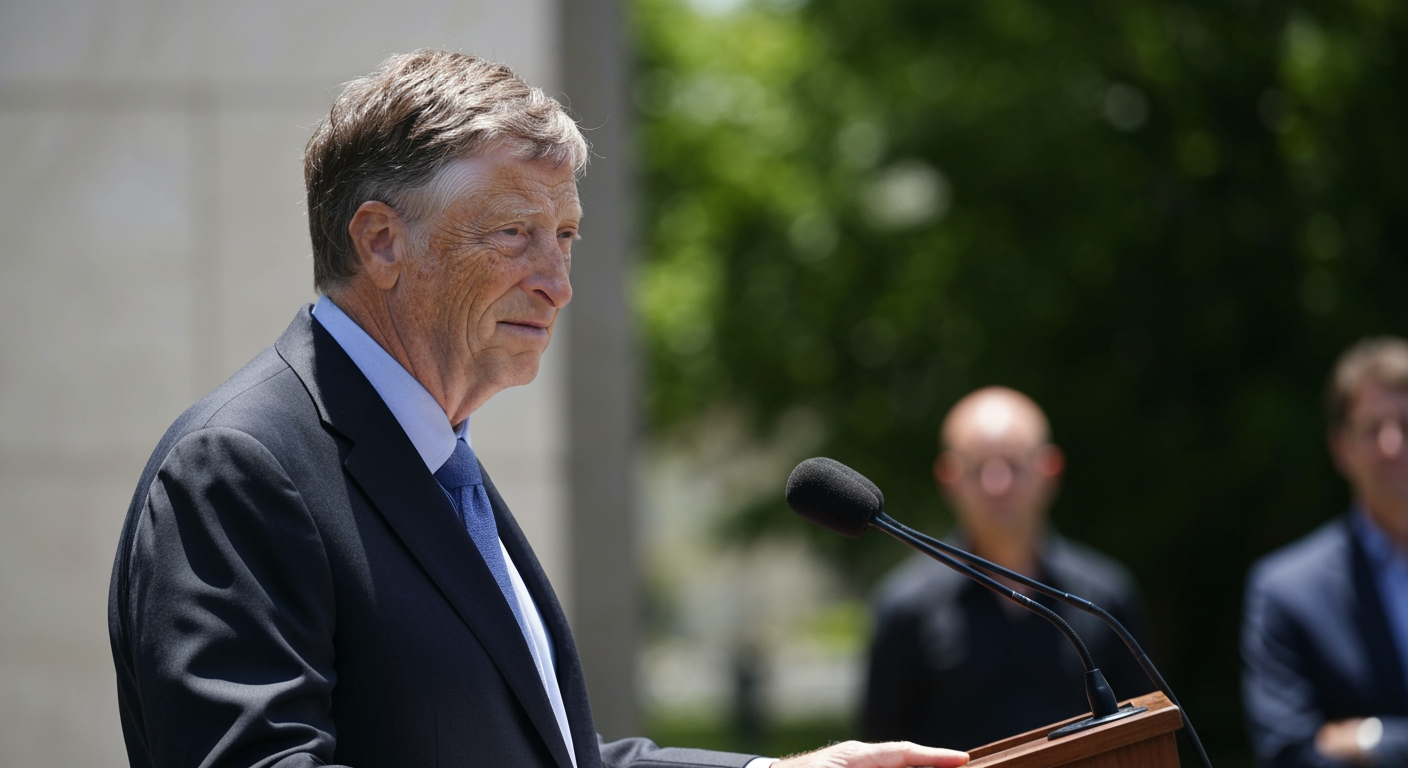
Bill Gates Expresses Deep Regret Over Ties to Jeffrey Epstein, Citing "Huge Mistake"
SEATTLE, WA – Billionaire philanthropist and Microsoft co-founder Bill Gates has publicly expressed profound regret over his past association with convicted sex offender Jeffrey Epstein, describing the interactions as a "huge mistake" that cast a shadow over his philanthropic work and significantly impacted his personal life. The apologies, reiterated in recent statements and a town hall meeting with staff of the Bill & Melinda Gates Foundation, follow renewed scrutiny brought by the release of documents related to the Epstein investigation and underscore the lasting repercussions of the controversial connection. Gates has maintained that his engagements with Epstein were solely focused on philanthropic discussions, particularly regarding potential fundraising for global health initiatives, and has vehemently denied any involvement in or knowledge of Epstein's criminal activities

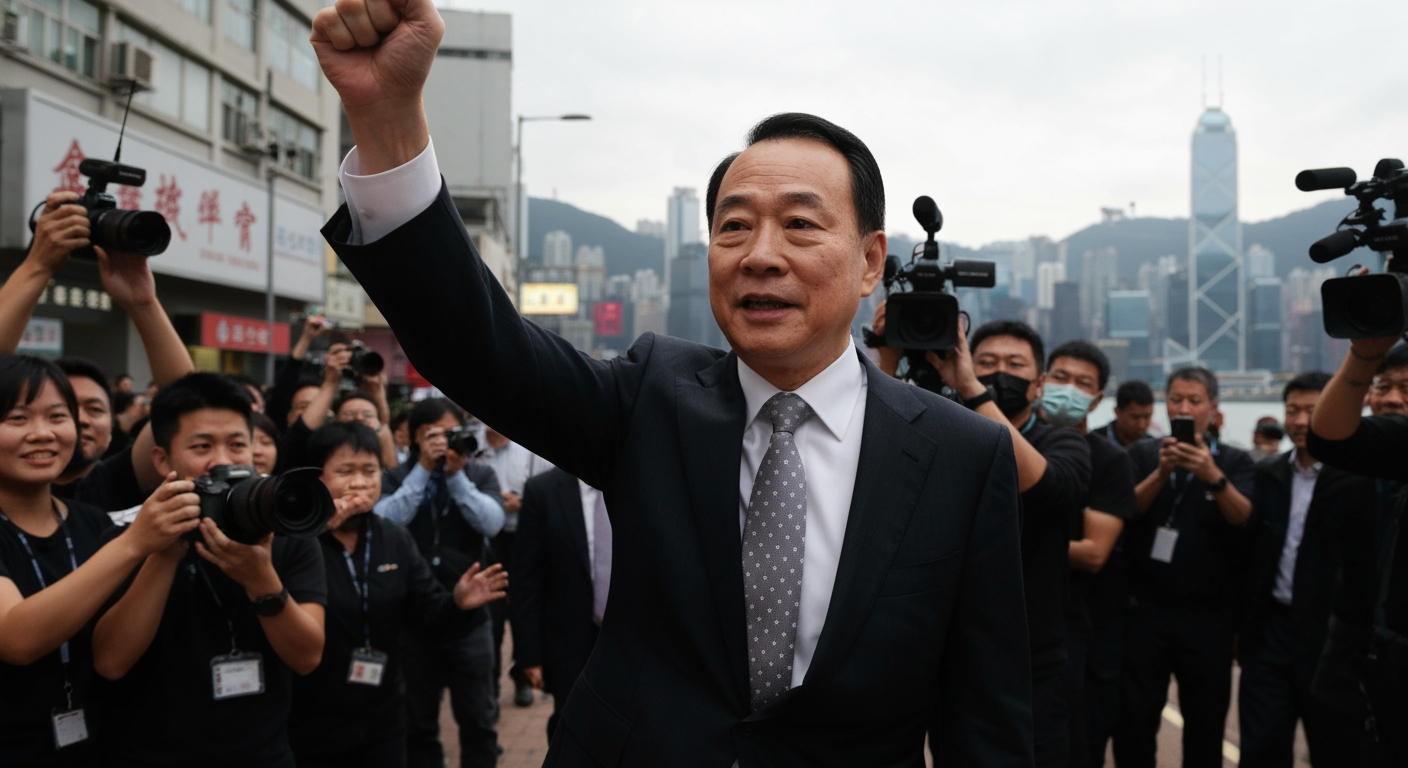
Hong Kong Court Overturns Jimmy Lai Fraud Conviction, But Tycoon Remains Jailed Under National Security Law
HONG KONG – In a rare legal turn, Hong Kong's Court of Appeal on Thursday overturned the fraud conviction and nearly six-year prison sentence of pro-democracy media mogul Jimmy Lai. The decision, lauded by supporters as a glimmer of judicial independence, does not, however, pave the way for Lai's release