Climate
Latest news and updates in climate

U.S. Climate Action Faces Reckoning as Trump Administration Dismantles Key Environmental Regulations Amid Surging Warming Risks
Washington, D.C. – In a profound shift for American environmental policy, the Trump administration has systematically dismantled critical climate regulations, most notably moving to repeal the foundational "endangerment finding" that underpins the government's authority to curb planet-warming emissions. These actions, touted by the administration as efforts to reduce economic burdens and promote energy independence, have drawn widespread condemnation from environmental advocates and scientific communities who warn of exacerbated warming risks and severe public health consequences

Commercial Ventures Race into Risky Solar Geoengineering, Raising Global Alarms
A new frontier in the battle against climate change is rapidly emerging, as commercial startups increasingly venture into the contentious and largely unregulated domain of solar geoengineering. These private enterprises are pursuing technologies designed to artificially cool the planet by reflecting sunlight, a concept once confined to scientific speculation, but now attracting significant venture capital and igniting urgent debates over potential benefits, catastrophic risks, and the profound absence of global governance. ### The Allure of a "Plan B": Desperate Times, Desperate Measures Solar geoengineering, also known as solar radiation modification (SRM), encompasses a range of ambitious techniques aimed at reflecting a small fraction of incoming solar radiation back into space

2025 Confirmed as Third Warmest Year on Record, Intensifying Global Climate Crisis
The year 2025 has been definitively ranked as the third warmest on record, a sobering confirmation of the planet's accelerating warming trend and the escalating frequency of climate extremes worldwide. This designation, validated by multiple leading climate monitoring agencies, highlights a critical period where global temperatures continue to climb at an alarming rate, fueling widespread environmental and societal impacts

Germany's Balcony Solar Boom: A Nation Embraces Micro-Power Plants
Germany is experiencing an unprecedented surge in the adoption of balcony solar panels, transforming urban landscapes and empowering millions of residents to become active participants in the nation's ambitious energy transition. These compact, "plug-and-play" photovoltaic systems, known as *Balkonkraftwerke* (balcony power plants), have rapidly moved from niche technology to a widespread phenomenon, driven by a confluence of supportive government policies, soaring energy costs, and a growing desire for energy independence among the populace

UN Environment Chief Urges End to Climate Complacency as Global Warming Accelerates
Nairobi, Kenya – The world stands at a critical juncture, warned Inger Andersen, Executive Director of the United Nations Environment Programme (UNEP), as she reiterated profound concerns over persistent climate complacency despite escalating environmental crises. Decisive action is imperative to prevent catastrophic global warming, yet current national climate plans and implementation efforts remain woefully insufficient, threatening the planet's future and the well-being of its inhabitants

Global Climate Talks Conclude with Divided Stance on Fossil Fuel Future, Signaling New Diplomatic Landscape
Belém, Brazil – The 30th United Nations Climate Change Conference (COP30), held in the heart of the Amazon from November 10 to 21, 2025, concluded with a complex outcome, highlighting both persistent divisions and nascent pathways on the future of fossil fuels. Despite an unprecedented push from a broad, often unexpected, coalition of over 80 nations for a concrete roadmap to phase out coal, oil, and gas, the official negotiating text stopped short of including such binding commitments, instead leading to voluntary initiatives outside the formal UN process

The Spirit of Mutirão: Brazil's Indigenous Concept Redefines Global Climate Action
In a significant shift for international environmental diplomacy, the ancient Brazilian Indigenous concept of "Mutirão" has emerged as a guiding principle in global climate talks, championed by the incoming COP30 Presidency. This powerful notion, deeply rooted in collective effort and shared purpose, seeks to transform the predominantly top-down approach of climate negotiations into a more inclusive, bottom-up movement, emphasizing solidarity and community-led solutions to address the planet's most pressing crisis. The adoption of Mutirão, a term originating from the Tupi-Guarani language, signals a deliberate attempt to infuse ancestral wisdom into modern policymaking, particularly as the world grapples with the accelerating impacts of climate change

Decoding the Climate Crisis: Understanding the Numbers That Define Our Future
The modern world is awash in numbers detailing the escalating climate crisis, from parts per million of carbon dioxide in the atmosphere to projected sea-level rises and multi-trillion-dollar economic losses. For many, this constant barrage of statistics can be overwhelming, obscuring the urgent narratives these figures convey

Methane Reduction Emerges as Swift, Cost-Effective Climate Strategy
In the global effort to mitigate climate change, a powerful yet often underestimated greenhouse gas, methane, is gaining critical attention. Recognized for its potent warming capabilities and relatively short atmospheric lifespan, reducing methane emissions presents one of the most immediate and cost-effective pathways to decelerate global warming in the near term

Global Climate Action Faces Uphill Battle as COP30 Concludes with Divisive Outcomes
The 30th United Nations Climate Change Conference (COP30) in Belém, Brazil, concluded earlier this month, marking another pivotal moment in the global effort to combat climate change, yet leaving a landscape of both modest progress and persistent, deep-seated divisions. While negotiators reached agreements on crucial climate finance targets and adaptation strategies, the summit largely sidestepped a clear commitment to phasing out fossil fuels, highlighting the ongoing chasm between nations on critical climate action pathways

COP30 Concludes in Uneasy Compromise, Sidestepping Fossil Fuel Phase-Out Amid Global Divisions
BELEM, Brazil – The 30th United Nations Climate Change Conference (COP30) concluded in Belem, Brazil, after two weeks of intense negotiations, leaving a significant void in its final agreement: a clear commitment to phase out fossil fuels. The summit, which ran into overtime, delivered a deal that calls for renewed global efforts to combat rising temperatures and boosts climate finance for developing nations, but conspicuously omitted direct language on transitioning away from oil, gas, and coal

Climate Crisis Exacerbates Affordable Housing Shortage, Disproportionately Impacting Vulnerable Communities
The escalating climate crisis is not just an environmental concern; it's a significant driver of the affordable housing shortage, creating a precarious situation for low-income families and marginalized communities worldwide. As extreme weather events become more frequent and intense, the existing vulnerabilities in the housing sector are amplified, pushing affordable housing further out of reach for those who need it most. ## Rising Risks, Rising Costs Climate change intensifies risks to affordable housing in several ways

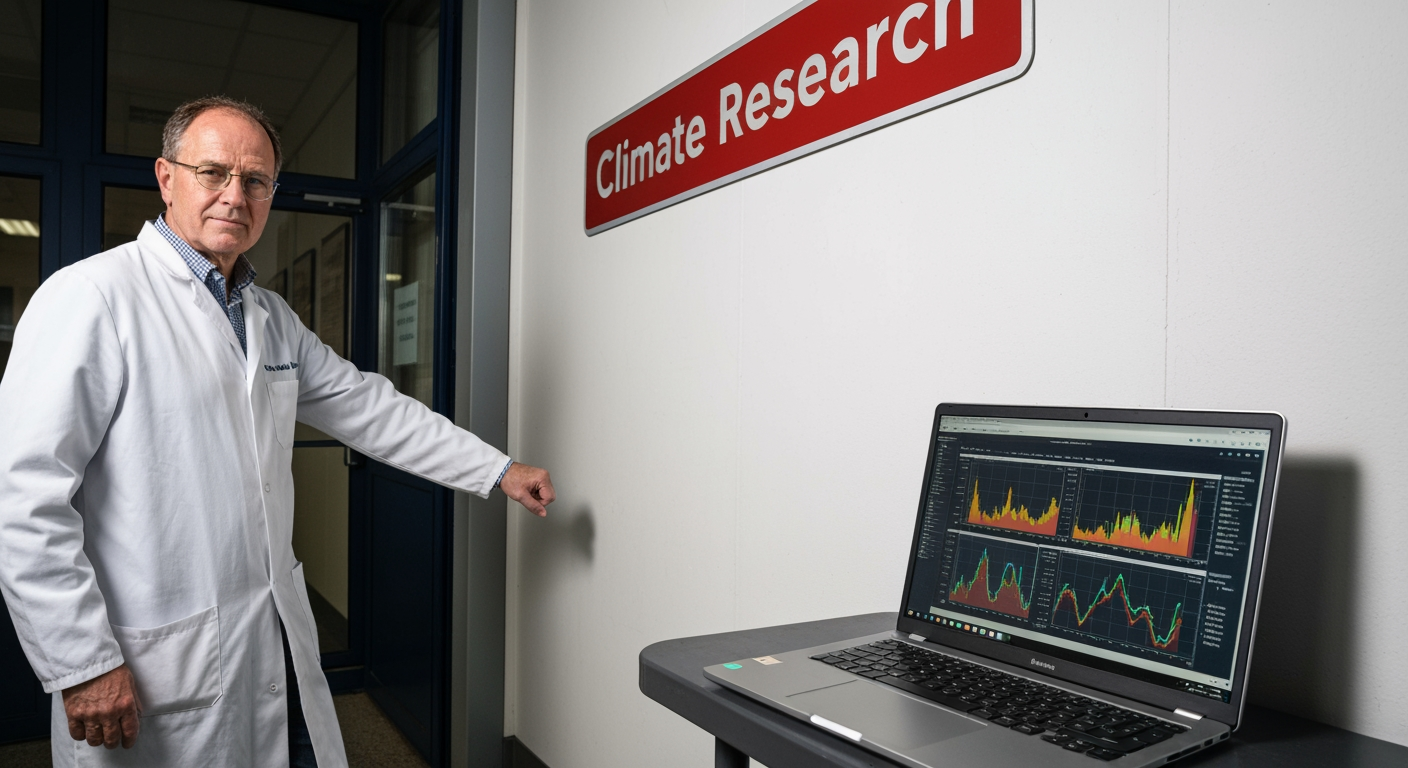
Climate Science Under Threat as U.S. Faces Job and Funding Cuts
Sweeping budget cuts and workforce reductions are raising concerns about the future of climate science in the United States. The Trump administration's focus on slashing federal spending, coupled with a skepticism toward climate research, has led to significant job losses and funding freezes across multiple agencies

German Voters Weigh Climate Action Against Economic Concerns in Snap Election
Germany, long considered a frontrunner in global climate action, faces a critical juncture as voters head to the polls in a snap election on February 23. While the nation has committed to ambitious climate goals, including reducing greenhouse gas emissions by 65% by 2030 and achieving climate neutrality by 2045, recent shifts in voter priorities suggest a growing tension between environmental concerns and economic realities

German Climate Movement Faces New Challenges Amidst Shifting Political Landscape
Germany, long considered a frontrunner in global climate action, finds its climate movement at a crossroads. While the nation remains committed to ambitious emissions reduction targets, including a 65% reduction by 2030 and climate neutrality by 2045, the path forward is fraught with challenges