Blind Refugee Found Dead in Buffalo After Border Patrol Release Sparks Outcry


BUFFALO, N.Y. — A nearly blind refugee from Myanmar, who had been missing for several days after his release from U.S. Border Patrol custody, was found dead Tuesday evening on a downtown Buffalo street, igniting a fierce debate over federal immigration authorities' handling of vulnerable individuals. Nurul Amin Shah Alam, 56, was discovered deceased on Perry Street, five days after agents reportedly dropped him off alone at a coffee shop miles from his home, without notifying his family or attorney, despite his significant visual impairment and inability to speak English. Buffalo Mayor Sean Ryan swiftly condemned the incident, describing Shah Alam's death as "preventable" and the decision by U.S. Customs and Border Protection (CBP) as "unprofessional and inhumane."
The discovery of Shah Alam's body on Tuesday, February 24, was confirmed by Buffalo police officers responding to a call shortly after 8:30 p.m. The Erie County Medical Examiner's office positively identified Shah Alam the following morning, and his family was subsequently notified. While homicide detectives are actively investigating the circumstances and timeline of events leading up to his death, the medical examiner has determined the cause to be "health-related," ruling out both exposure and homicide. The tragic outcome has amplified calls for greater accountability and a reevaluation of protocols concerning the release of asylum seekers with special needs.
From Custody to Disappearance: A Disjointed Release
Nurul Amin Shah Alam's ordeal began long before his disappearance. He had spent nearly a year in the Erie County Holding Center, awaiting trial on criminal charges. His arrest in February 2025 stemmed from an incident where, being nearly blind and unable to communicate in English, he became lost during a walk and inadvertently ended up on a resident's porch, using a curtain rod as a makeshift walking stick. Police were called, and according to his attorney, when Shah Alam failed to comply with commands to drop the rod, officers allegedly tasered and beat him. He subsequently faced charges including assault, trespassing, and possession of a weapon, eventually agreeing to a misdemeanor plea deal.
Following his release on bail from the county jail, Shah Alam was transferred into the custody of U.S. Border Patrol due to an immigration detainer. On February 19, agents then dropped him off at a Tim Hortons coffee shop on Niagara Street, approximately five miles from his Broadway-Fillmore neighborhood home. Crucially, neither his legal representative from the Legal Aid Bureau of Buffalo nor his family were informed of his impending release or location. This lack of communication left his family and attorney frantically searching for him for days, eventually filing a missing persons report with Buffalo police.
A CBP spokesperson, in a statement to the Investigative Post, asserted that agents had determined Shah Alam was a refugee and could not be deported. The spokesperson stated that agents offered him a "courtesy ride," which he accepted, to a coffee shop deemed a "warm, safe location near his last known address," rather than releasing him directly from a Border Patrol station. The agency further claimed Shah Alam "showed no signs of distress, mobility issues, or disabilities requiring special assistance." This assertion stands in stark contrast to the readily apparent vulnerabilities highlighted by Mayor Ryan and Shah Alam's legal counsel.
A Life Marked by Vulnerability and Displacement
Nurul Amin Shah Alam's journey to Buffalo was one of displacement and hardship, characteristic of many seeking refuge. He was a Rohingya refugee from Myanmar (formerly Burma), a stateless Muslim minority group that has faced severe persecution in their homeland. He arrived in Buffalo in December 2024, approximately 15 months before his death. At 56 years old, Shah Alam was described as nearly blind, reportedly completely blind in one eye and possessing only blurry vision for a few feet in the other. Compounding his visual impairment, he spoke little to no English, creating significant communication barriers in a new and unfamiliar environment.
His vulnerability was profound, a fact that his attorney and refugee advocates emphasize should have dictated a more careful and compassionate release plan. Imran Fazel, an advocate for Rohingya refugees who knew Shah Alam's family, expressed devastation and frustration. "We never thought anyone would experience anything like this since coming to the United States," Fazel stated, lamenting the lack of safety in such a situation. Shah Alam is survived by his wife and two sons, who are now left to mourn a loss they feel was entirely avoidable.
Systemic Questions and Calls for Accountability
Shah Alam's death has cast a harsh spotlight on the procedures and responsibilities of federal immigration agencies, particularly concerning their treatment of highly vulnerable individuals. Mayor Ryan's strong condemnation underscores a growing demand for transparency and accountability from CBP. Critics argue that the decision to leave a nearly blind, non-English-speaking man alone on a cold winter night, miles from his home, without notifying his support network, represents a profound dereliction of duty. Temperatures in Buffalo during that period were reportedly below freezing.
CBP's own "Missing Alien Program" states that its primary objective when encountering individuals is to ensure their "health, safety, and security" and to make every effort to "promptly transfer, transport, process, release, or repatriate the individual as appropriate according to CBP policies and procedures." However, advocacy groups like Human Rights First have long documented concerns about "inhumane conditions" and a lack of proper screenings for asylum seekers in CBP custody. While U.S. law grants CBP prosecutorial discretion in releasing migrants and asylum seekers, the question remains whether adequate consideration for Shah Alam's specific vulnerabilities was exercised. The absence of communication with his attorney and family prior to his release has drawn particular criticism, raising questions about standard operating procedures for individuals with known disabilities.
A Tragic End, A Lingering Imperative
The death of Nurul Amin Shah Alam represents a profound tragedy that extends beyond the individual, serving as a stark reminder of the human cost at the intersection of immigration policy, law enforcement practice, and humanitarian care. As homicide detectives continue their investigation into the exact circumstances of his final days, the broader implications for how vulnerable asylum seekers are managed within the U.S. immigration system are undeniable.
Calls for CBP to provide a full accounting of its actions and to review its protocols for releasing individuals with significant disabilities and language barriers are intensifying. This incident underscores the urgent need for comprehensive and compassionate support systems that prioritize the safety and well-being of those seeking refuge, ensuring that no other individual falls victim to circumstances that critics describe as preventable and inhumane. The memory of Nurul Amin Shah Alam now stands as a somber imperative for systemic change and greater humanity in immigration practices.
Related Articles


Russian Barrage Precedes Geneva Talks, Clouding Ukraine Peace Prospects
KYIV, Ukraine – A massive overnight aerial assault by Russian forces struck across Ukraine, injuring dozens and damaging critical infrastructure, just hours before U.S. and Ukrainian envoys were set to convene in Geneva for a new round of peace talks

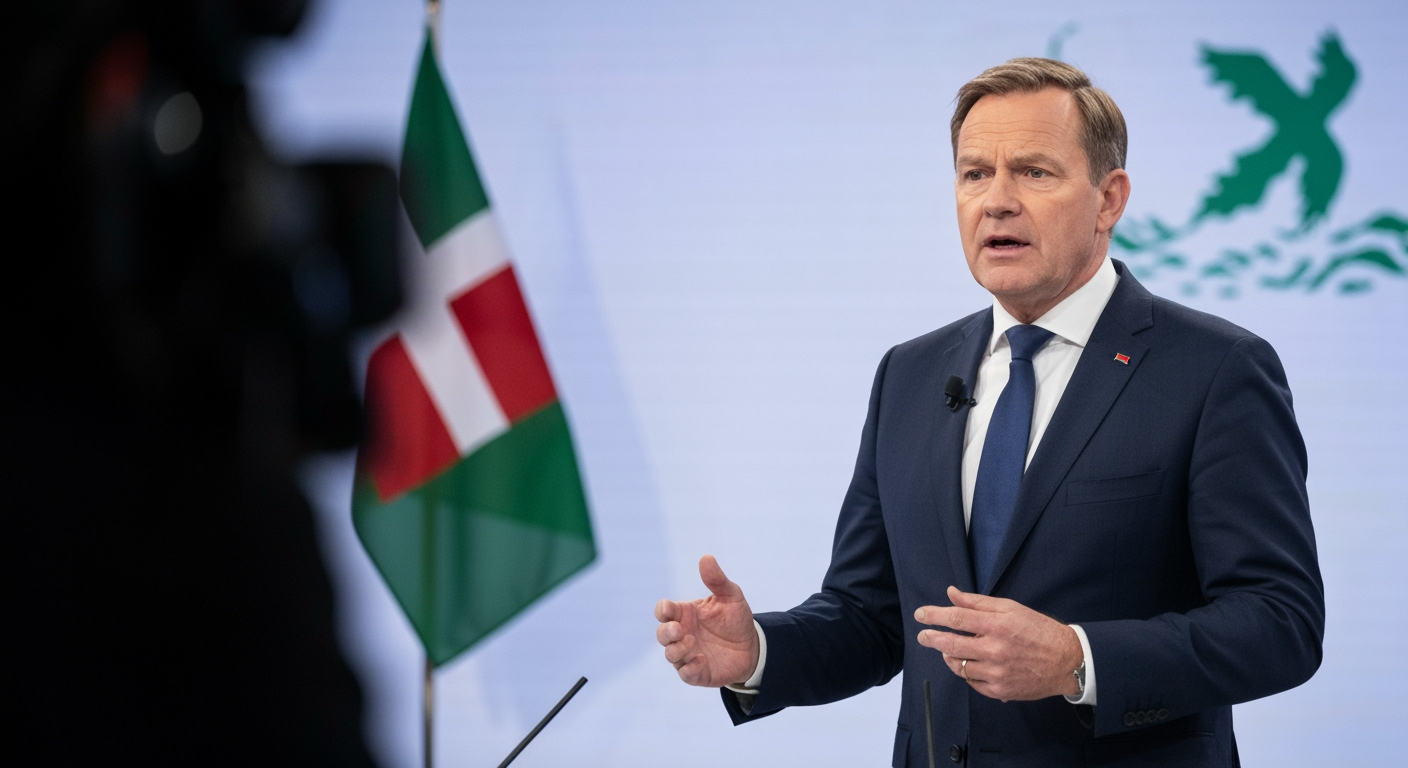
Danish Prime Minister Calls Snap Election, Riding Wave of "Greenland Momentum" Amid Geopolitical Tensions
COPENHAGEN, Denmark – Danish Prime Minister Mette Frederiksen has unexpectedly called a snap parliamentary election for March 24, a decision largely seen as a strategic move to capitalize on a recent surge in public approval following her assertive handling of renewed United States pressure regarding Greenland. The announcement, made in the Danish Parliament on Thursday, triggers an early vote months ahead of the October 2026 deadline, propelling Denmark into an intense campaign season against a backdrop of heightened geopolitical concerns and a shifting global order. The Prime Minister framed the upcoming election as a pivotal moment for Denmark and Europe, emphasizing the need for both to "stand on their own," redefine their relationship with the United States, and strengthen their defenses to ensure peace on the continent

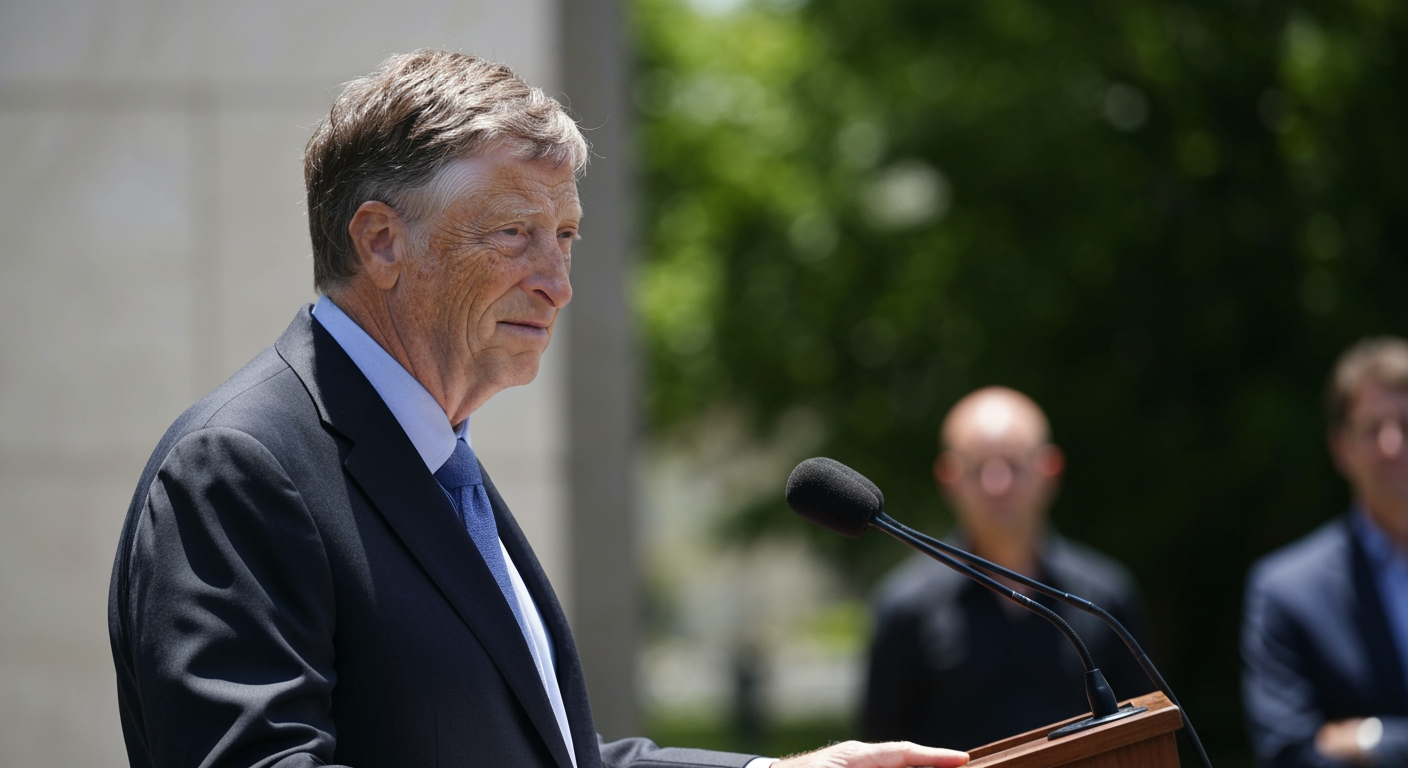
Bill Gates Expresses Deep Regret Over Ties to Jeffrey Epstein, Citing "Huge Mistake"
SEATTLE, WA – Billionaire philanthropist and Microsoft co-founder Bill Gates has publicly expressed profound regret over his past association with convicted sex offender Jeffrey Epstein, describing the interactions as a "huge mistake" that cast a shadow over his philanthropic work and significantly impacted his personal life. The apologies, reiterated in recent statements and a town hall meeting with staff of the Bill & Melinda Gates Foundation, follow renewed scrutiny brought by the release of documents related to the Epstein investigation and underscore the lasting repercussions of the controversial connection. Gates has maintained that his engagements with Epstein were solely focused on philanthropic discussions, particularly regarding potential fundraising for global health initiatives, and has vehemently denied any involvement in or knowledge of Epstein's criminal activities