U.S. Greenlights Venezuelan Oil Resale to Cuba, Aiming to Aid Private Sector Amid Deepening Crisis


WASHINGTON D.C. – In a significant shift to its stringent sanctions policy, the U.S. Treasury Department announced Wednesday a favorable licensing policy that will allow for the resale of Venezuelan-origin oil to Cuba. This unprecedented move aims to alleviate the severe energy crisis plaguing the island nation by directing much-needed fuel to the Cuban private sector, while explicitly bypassing the country's military and state-controlled entities. The decision marks a nuanced approach in Washington's long-standing strategy towards Havana and Caracas, signaling a humanitarian-driven effort to support the Cuban populace directly.
A Lifeline for Cuba's Ailing Economy
For decades, Cuba has relied heavily on subsidized oil shipments from its close ally, Venezuela. However, this critical supply chain was severely disrupted in early January following the U.S. takeover of Venezuelan oil exports and the capture of President Nicolás Maduro, events that dramatically worsened Cuba's already precarious energy situation. The ensuing fuel shortages have plunged Cuba into a profound crisis, characterized by widespread rolling blackouts, disruptions in vital services including healthcare, and the grounding of international flights. Reports from the island depicted a deteriorating humanitarian situation, with hospitals cancelling surgeries and a strain on food supplies, amplifying calls for intervention to prevent further collapse.
The U.S. Treasury Department’s Office of Foreign Assets Control (OFAC) confirmed its intention to approve specific license applications from third parties seeking to resell Venezuelan crude and refined products to Cuba. This policy, detailed in an official document released February 25, underscores a commitment to "support and solidarity for the Cuban people." The authorization specifically targets transactions that would benefit the growing Cuban private sector and humanitarian efforts, explicitly prohibiting any involvement or advantage for entities linked to the Cuban military, intelligence services, or other governmental institutions, including those on the U.S. State Department's Cuba Restricted List.
Strategic Nuance in Sanctions Enforcement
The latest guidance from OFAC introduces a targeted carve-out within the broader sanctions framework against both Venezuela and Cuba. While it does not represent a wholesale lifting of energy sanctions, it establishes a conditional channel for oil flow under strict U.S. oversight. The sales will need to adhere to conditions similar to those governing U.S.-authorized transactions with Venezuela's state-owned oil company, PdV, including a requirement for sales revenue to be deposited into a U.S.-controlled bank account. Notably, OFAC clarified that non-U.S. companies would also be eligible to receive these resale authorizations, broadening the potential pool of intermediaries.
This policy adjustment comes after a period where the U.S. exerted significant pressure to cut off oil supplies to Cuba, with former President Donald Trump warning that allies of Venezuela, including Cuba, would need to pay fair market prices for oil shipments. The cessation of Mexican oil shipments to Cuba, reportedly under U.S. pressure, further exacerbated the island’s fuel woes. The current measure, therefore, represents a pragmatic response to the escalating humanitarian crisis, balancing the objectives of sanctions with a direct effort to alleviate suffering among the Cuban population.
Geopolitical Chessboard: Venezuela, Cuba, and U.S. Policy
The intertwined destinies of Venezuela and Cuba, heavily influenced by their oil-for-services pact, have long been a focal point of U.S. foreign policy in Latin America. For over two decades, Venezuela supplied Cuba with oil at preferential rates, receiving in return Cuban medical personnel, teachers, and security advisors. This mutually dependent relationship formed a cornerstone of their respective political and economic stability, particularly as both nations faced ongoing U.S. sanctions.
The recent U.S. actions, including the capture of Nicolás Maduro and the subsequent disruption of Venezuelan oil exports, were perceived as a significant blow to the Cuban government, with some analysts suggesting it could push Havana to a "political and economic breaking point." The U.S. strategy had aimed to sever Cuba from its primary oil benefactor, intensifying economic pressure on the communist government.
However, the severe humanitarian fallout in Cuba appears to have prompted a recalibration of this strategy. The new licensing policy, by specifically targeting the Cuban private sector and humanitarian uses, seeks to decouple the impact of sanctions on the general populace from their intended effect on the Cuban state apparatus. This approach acknowledges the expanding role of micro, small, and medium-sized enterprises (mipymes) in Cuba, many of which are critically dependent on access to fuel to operate.
Challenges and Future Outlook
While offering a potential reprieve, the practical implementation of this new policy presents considerable challenges. The Cuban government maintains tight control over the national energy system and fuel imports, raising questions about how the authorized oil can effectively reach the private sector without indirectly benefiting state or military structures. The explicit exclusion of entities linked to the military and government apparatus significantly limits the Cuban government's maneuverability and will necessitate robust oversight mechanisms by OFAC.
Furthermore, even with the authorization for resale, Cuba's ability to finance these oil purchases at market prices remains a significant concern, especially given the island's dire economic state and its historical reliance on subsidized terms. The broader economic reforms in Cuba, alongside the country's efforts to diversify its international partners and reduce reliance on a single supplier, will play a crucial role in its long-term energy security.
The U.S. Treasury's decision underscores a complex and evolving dynamic in the region. It reflects a balancing act between maintaining sanctions pressure on authoritarian regimes and addressing the humanitarian consequences that often accompany such measures. As Cuba navigates its profound energy crisis, the efficacy of this new policy in truly reaching and supporting the Cuban people, while avoiding unintended benefits to the state, will be closely watched.
Related Articles


Blind Refugee Found Dead in Buffalo After Border Patrol Release Sparks Outcry
BUFFALO, N.Y. — A nearly blind refugee from Myanmar, who had been missing for several days after his release from U.S. Border Patrol custody, was found dead Tuesday evening on a downtown Buffalo street, igniting a fierce debate over federal immigration authorities' handling of vulnerable individuals

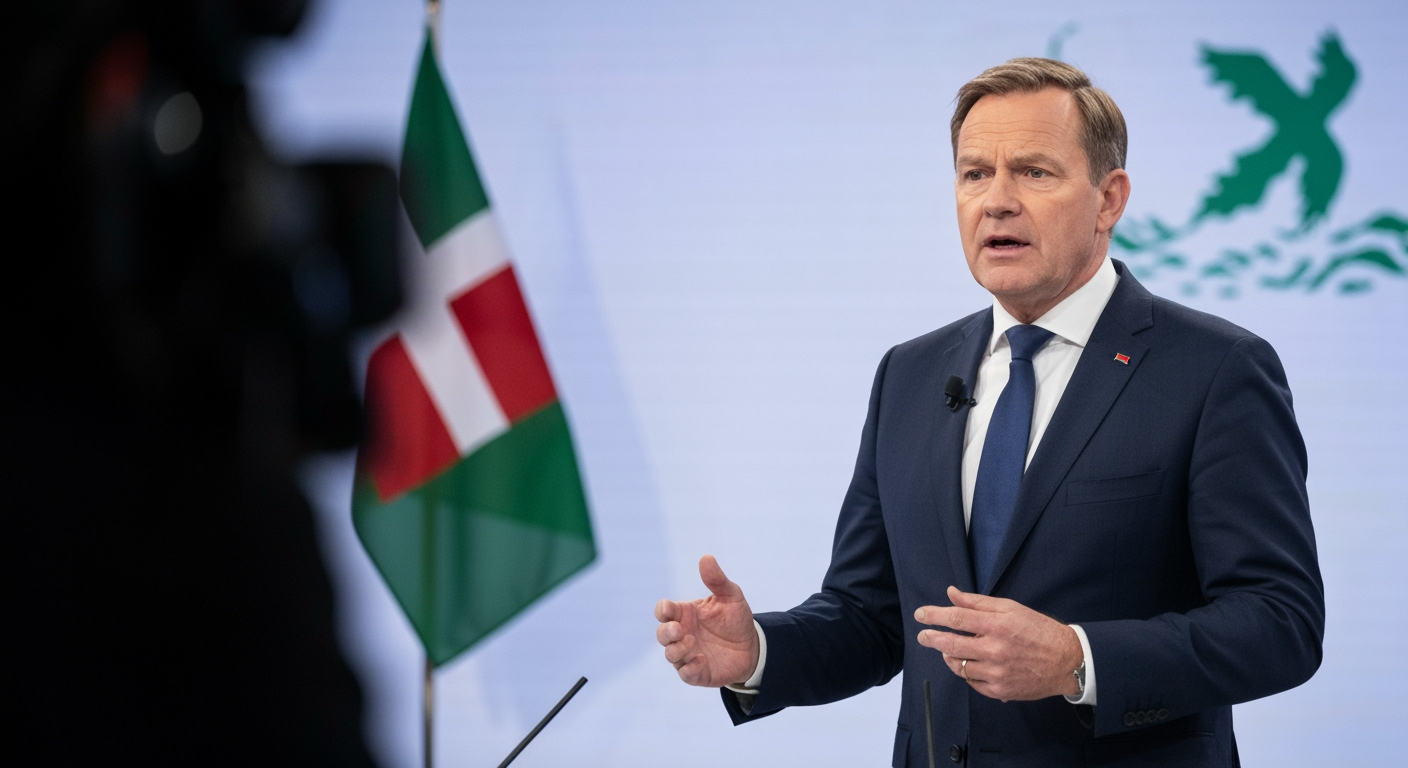
Danish Prime Minister Calls Snap Election, Riding Wave of "Greenland Momentum" Amid Geopolitical Tensions
COPENHAGEN, Denmark – Danish Prime Minister Mette Frederiksen has unexpectedly called a snap parliamentary election for March 24, a decision largely seen as a strategic move to capitalize on a recent surge in public approval following her assertive handling of renewed United States pressure regarding Greenland. The announcement, made in the Danish Parliament on Thursday, triggers an early vote months ahead of the October 2026 deadline, propelling Denmark into an intense campaign season against a backdrop of heightened geopolitical concerns and a shifting global order. The Prime Minister framed the upcoming election as a pivotal moment for Denmark and Europe, emphasizing the need for both to "stand on their own," redefine their relationship with the United States, and strengthen their defenses to ensure peace on the continent

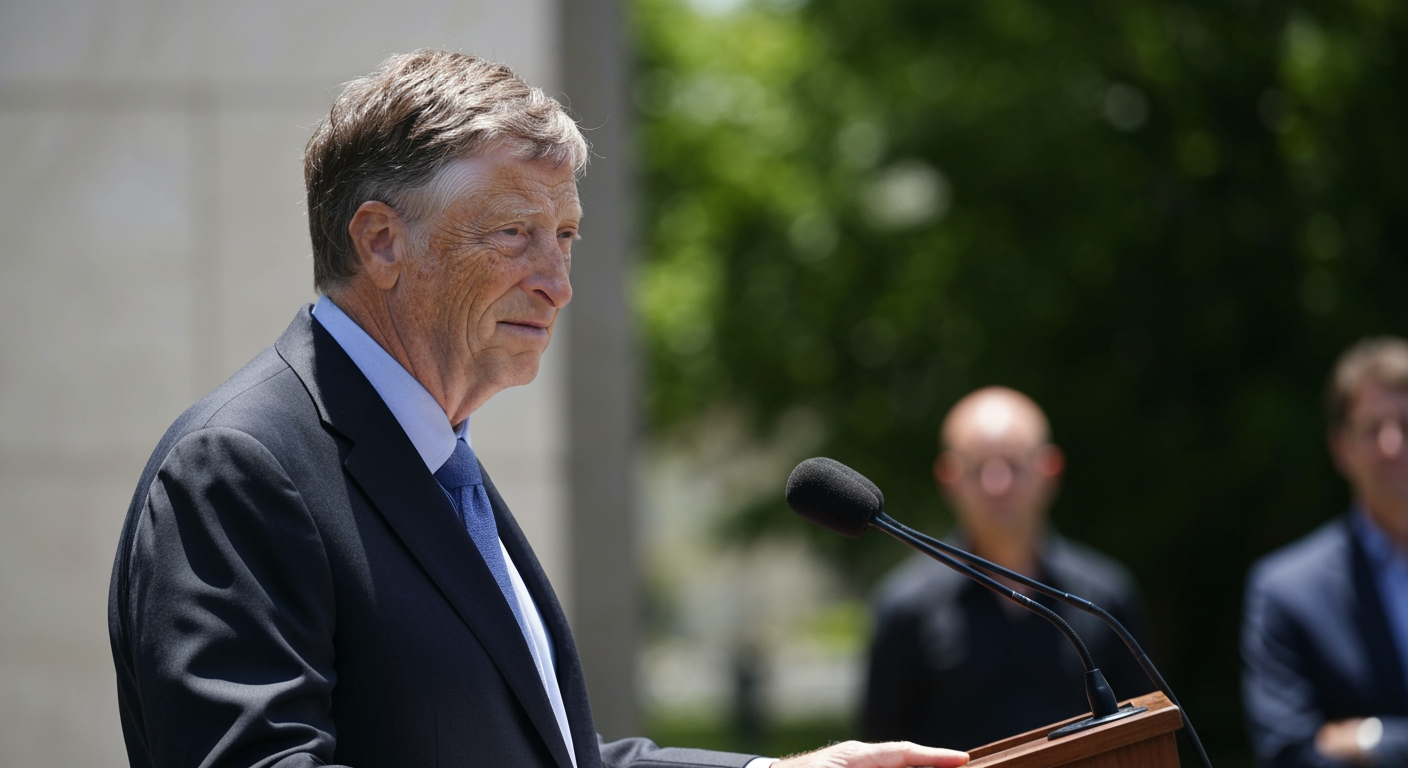
Bill Gates Expresses Deep Regret Over Ties to Jeffrey Epstein, Citing "Huge Mistake"
SEATTLE, WA – Billionaire philanthropist and Microsoft co-founder Bill Gates has publicly expressed profound regret over his past association with convicted sex offender Jeffrey Epstein, describing the interactions as a "huge mistake" that cast a shadow over his philanthropic work and significantly impacted his personal life. The apologies, reiterated in recent statements and a town hall meeting with staff of the Bill & Melinda Gates Foundation, follow renewed scrutiny brought by the release of documents related to the Epstein investigation and underscore the lasting repercussions of the controversial connection. Gates has maintained that his engagements with Epstein were solely focused on philanthropic discussions, particularly regarding potential fundraising for global health initiatives, and has vehemently denied any involvement in or knowledge of Epstein's criminal activities