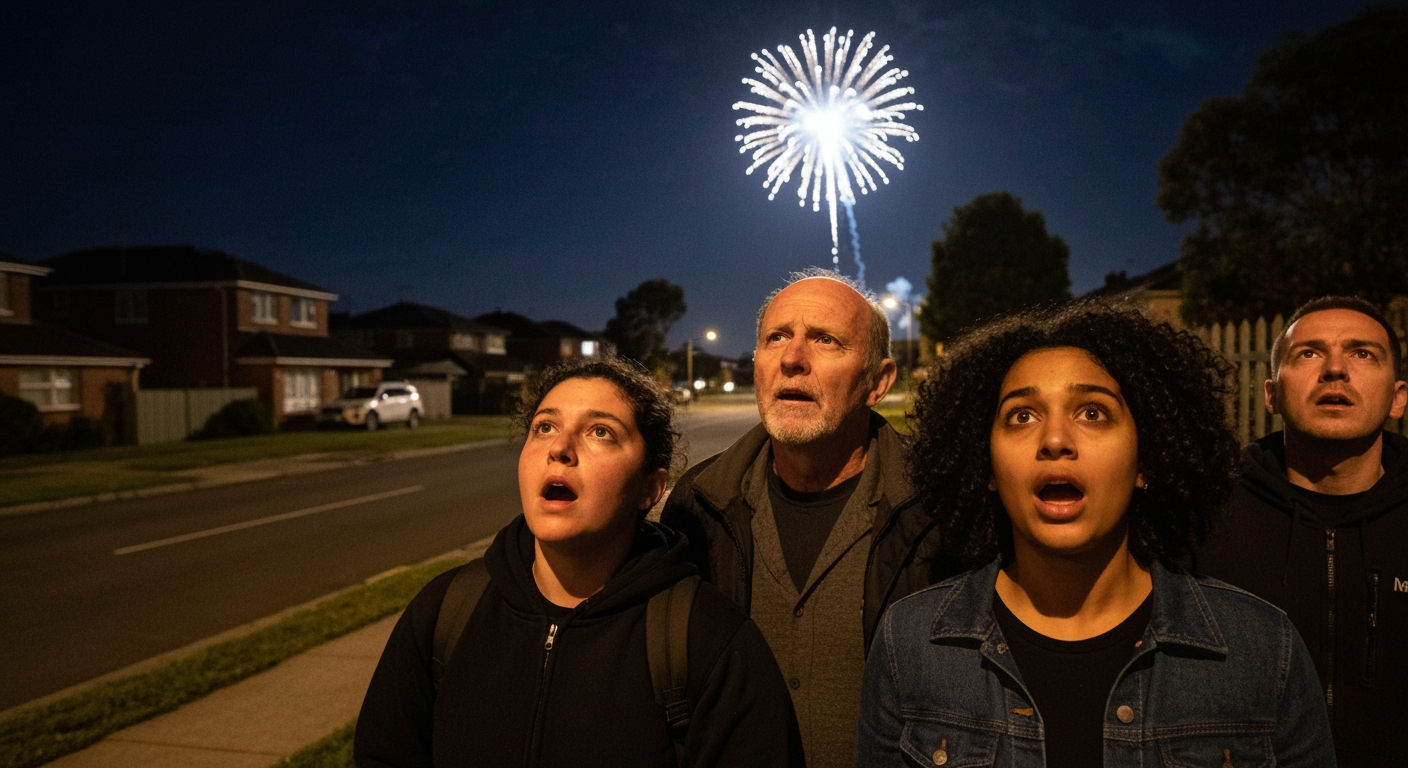
The Hidden Cost of Annoyance: How Difficult Relationships Accelerate Biological Aging


In a revelation that underscores the profound connection between our social lives and our cellular health, new research suggests that consistently dealing with "annoying people" may not just be a source of daily frustration but could actively accelerate the biological aging process. This intriguing finding, rooted in the science of chronic stress, highlights that the emotional toll exacted by challenging social interactions extends far beyond mere psychological discomfort, reaching into the very fabric of our biological makeup.
The concept that our environment and lifestyle significantly influence aging is not new, but recent studies are increasingly pinpointing specific social dynamics as critical factors. While the benefits of supportive relationships for longevity and well-being are well-documented, the inverse—the detrimental effects of negative social ties—is now gaining clearer scientific backing. This emerging understanding prompts a re-evaluation of how we perceive and manage the interpersonal stressors that permeate our lives.
"Hasslers" and the Ticking Clock of Biological Aging
A pivotal study, funded by the National Institute on Aging and published in the Proceedings of the National Academy of Sciences, introduced the concept of "hasslers" – individuals in one's social network who "create problems or make life more difficult." Researchers found that interacting with these "hasslers" is not uncommon, with nearly 30 percent of individuals reporting at least one such person in their network. The most striking finding was the direct correlation between the presence of these difficult individuals and an accelerated pace of biological aging. For every additional "hassler" a participant regularly interacted with, their biological aging rate increased by 1.5 percent. This seemingly small percentage translates into a significant impact over time, potentially adding approximately 1.8 extra months of biological aging over a 10-year period for those with just one additional "hassler." The effects were particularly pronounced when the "hassler" was a family member.
While the study emphasizes association rather than direct causation, its findings strongly suggest that these negative relationships function as chronic stressors, hastening physiological decline and increasing vulnerability to disease and impacting longevity. These discoveries challenge the traditional view of aging as purely a chronological progression, underscoring the dynamic interplay between our social environment and our cellular health.
The Biological Blueprint of Stress: Cellular Wear and Tear
The mechanism through which difficult social interactions contribute to accelerated aging lies in the body's response to chronic stress. Psychosocial stress, an unavoidable aspect of modern life, has long been recognized as a significant driver of biological aging. When we encounter stressors, our bodies activate a neurobiological response cascade, releasing hormones like cortisol and adrenaline. While this "fight or flight" response is crucial for short-term survival, chronic activation due to persistent stressors, such as dealing with "annoying people," can have damaging long-term effects.
Several key biological pathways are implicated in this process:
- Telomere Shortening: Telomeres are protective caps at the ends of our chromosomes that naturally shorten with each cell division. Chronic psychological stress, however, significantly accelerates this shortening, a prominent indicator of cellular aging. Studies have shown that women experiencing high levels of perceived stress can have telomeres that are shorter by an equivalent of at least a decade of additional aging compared to their less-stressed counterparts.
- Inflammation ("Inflammaging"): Chronic stress promotes systemic inflammation, a process often referred to as "inflammaging." This low-grade, persistent inflammation is a hallmark of aging and contributes to the development of various age-related diseases. Negative social ties, specifically, have been linked to higher levels of systemic inflammation.
- Oxidative Stress and DNA Damage: The stress response can lead to an overproduction of reactive oxygen species (ROS), causing oxidative stress. This, in turn, damages cells, proteins, and DNA, thereby accelerating the aging process and compromising genomic stability.
- Cellular Senescence: Chronic psychological stress also promotes cellular senescence, where cells stop dividing but remain metabolically active, secreting inflammatory molecules. The accumulation of these senescent cells can impair normal tissue function and contribute to age-related pathologies.
These interconnected biological mechanisms illustrate how the continuous internal alarm bells triggered by difficult interpersonal dynamics can lead to tangible wear and tear on the body at a cellular level, translating into a biologically older state.
The Psychological and Behavioral Ripple Effects
Beyond the direct biological pathways, navigating challenging interpersonal relationships exerts a significant psychological and behavioral toll that indirectly contributes to accelerated aging. Persistent exposure to "hasslers" can lead to increased anxiety, depression, and reduced self-esteem. Interpersonal conflict, a frequent outcome of such relationships, is a known potent stressor that can profoundly impair psychological well-being.
These mental health impacts often cascade into detrimental behavioral patterns. Chronic stress can disrupt sleep patterns, diminish motivation for physical activity, and negatively influence dietary choices, all of which are critical factors in maintaining overall health and mitigating the aging process. For instance, inadequate sleep, a common consequence of chronic stress, itself accelerates biological aging by disrupting the body's repair mechanisms and hormonal regulation.
Furthermore, individuals already facing vulnerabilities, such as women, those in poorer health, or those with a history of adverse childhood experiences, appear to be disproportionately affected by the presence of "hasslers" in their lives. This suggests a heightened sensitivity to interpersonal stressors, potentially due to pre-existing biological or psychological susceptibilities.
Cultivating Resilience in a Complex Social Landscape
While the findings paint a stark picture of the impact of negative social ties, they also underscore the importance of fostering supportive relationships and developing effective coping strategies. Conversely to "hasslers," strong and positive social connections are consistently linked to numerous health benefits, including lower stress levels, enhanced immune function, reduced risk of chronic diseases, and a longer lifespan. Social isolation, in particular, has been identified as a significant risk factor for poorer health outcomes and increased mortality, comparable to well-known factors like smoking.
Strategies for mitigating the aging effects of "annoying people" often involve a combination of self-preservation and relationship management:
- Setting Boundaries: Establishing clear boundaries with difficult individuals can limit exposure to chronic stressors.
- Emotional Regulation: Practicing techniques to stay calm and regulate emotional responses during frustrating interactions can prevent the activation of the body's full stress response.
- Perspective-Taking: Attempting to understand the other person's viewpoint, even if challenging, can sometimes de-escalate tension and reduce one's own emotional reactivity.
- Seeking Support: Leaning on positive social connections can act as a buffer against the negative impacts of stress, bolstering psychological well-being.
Conclusion: The Imperative of Social Well-being
The accumulating evidence paints a compelling picture: our social environment is not merely a backdrop to our lives but an active participant in shaping our biological destiny. The presence of "annoying people" and the chronic stress they induce are now demonstrably linked to accelerated biological aging through complex cellular mechanisms involving telomere shortening, inflammation, and oxidative stress. This research serves as a potent reminder that while we may not be able to eliminate all sources of irritation from our lives, cultivating a supportive social network, practicing emotional resilience, and strategically managing difficult relationships are not just matters of personal comfort, but critical investments in our long-term health and longevity. In an increasingly interconnected world, understanding and actively managing our social landscape becomes an essential component of healthy aging.
Related Articles

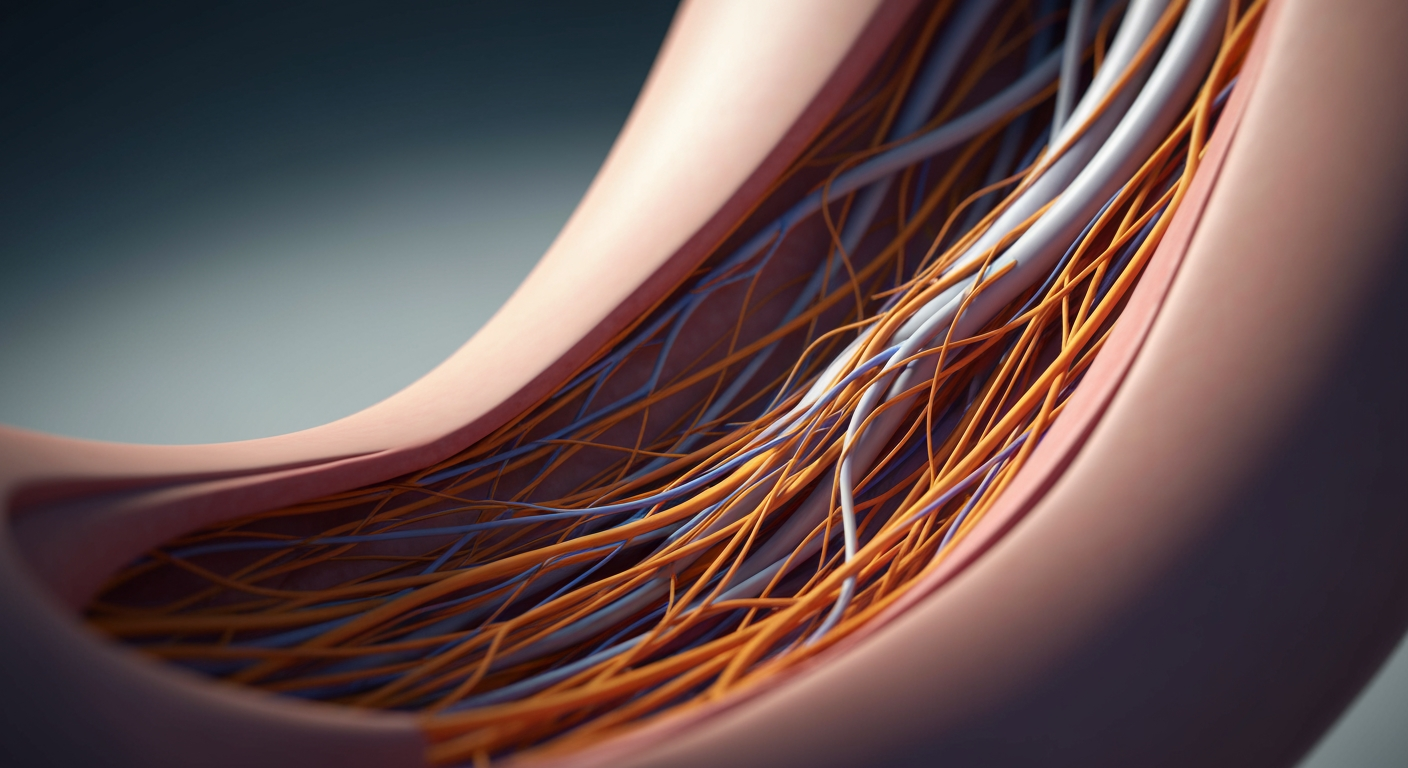
Unveiling the Hidden Landscape: 3D Imaging Reveals Intricate Clitoral Nerve System, Reshaping Medical Understanding
Amsterdam, Netherlands – In a landmark advancement poised to revolutionize anatomical understanding and surgical practices, scientists have created the first-ever comprehensive three-dimensional map of the clitoris's...

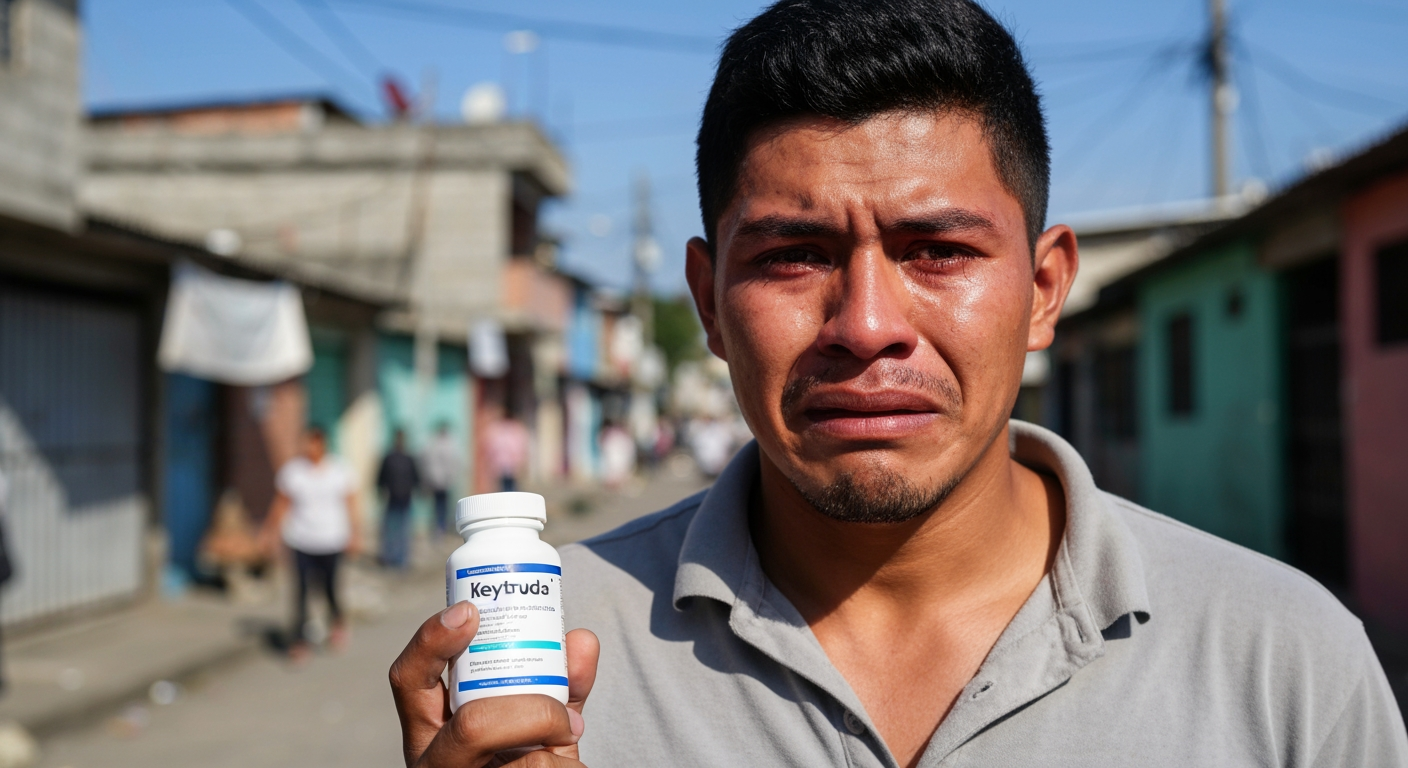
Keytruda: A Lifesaving Breakthrough Mired in a Global Access Divide
Merck's Keytruda, scientifically known as pembrolizumab, has revolutionized cancer treatment, offering a beacon of hope and extended life to millions battling various malignancies. This groundbreaking immunotherapy...