Keytruda: A Lifesaving Breakthrough Mired in a Global Access Divide

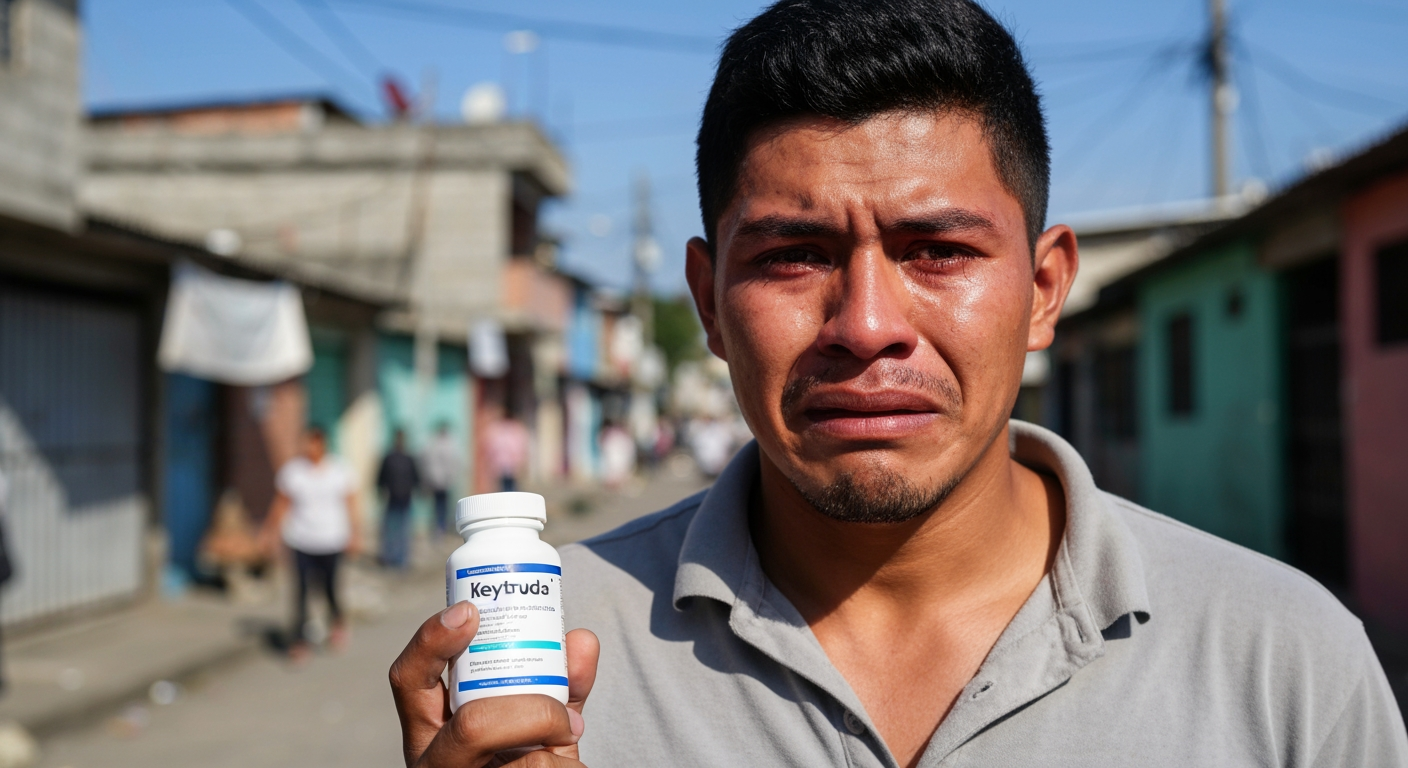
Merck's Keytruda, scientifically known as pembrolizumab, has revolutionized cancer treatment, offering a beacon of hope and extended life to millions battling various malignancies. This groundbreaking immunotherapy harnesses the body's own immune system to target and destroy cancer cells, transforming prognoses for diseases once considered terminal. Yet, amidst its unparalleled success, Keytruda stands as a stark symbol of a widening global divide, with its exorbitant price tag placing it beyond the reach of countless patients worldwide and straining healthcare systems to their breaking point.
The Immunotherapy Revolution: A New Era in Cancer Care
Approved by the U.S. Food and Drug Administration (FDA) in 2014 for advanced melanoma, Keytruda has since garnered approval for an impressive 19 types of tumors, including non-small cell lung cancer, head and neck squamous cell carcinoma, renal cell carcinoma, cervical cancer, and various gastrointestinal cancers. As a humanized monoclonal antibody, Keytruda operates as a PD-1 inhibitor. Its mechanism involves blocking the programmed cell death protein 1 (PD-1) receptor on immune cells, thereby preventing cancer cells from using this pathway to hide from the body's T-cells. This disruption effectively "takes the brakes off" the immune system, allowing it to recognize and attack cancer cells. The impact has been profound, offering long-term quality survival and transforming previously aggressive cancers into manageable conditions for many patients.
The Steep Cost of Hope: An Unaffordable Lifeline
Despite its undeniable efficacy, Keytruda's cost presents an immense barrier. In the United States, the list price for a single dose can range from approximately $12,031 for a three-week regimen to $24,062 for a six-week regimen. Annual treatment costs in the U.S. can soar to an estimated $150,000 to $208,000. Globally, the pricing landscape is highly variable, with a single 100-milligram vial costing as little as $850 in Indonesia but as much as $6,015 in the U.S., according to an investigation by the International Consortium of Investigative Journalists (ICIJ). This financial burden is crippling for many healthcare systems and individual patients, particularly in low- and middle-income countries where the average monthly income is dwarfed by the price of even a single dose. The sheer expense often compels patients to resort to desperate measures, including crowdfunding campaigns to afford treatment, or even seeking medications through unregulated channels, increasing the risk of encountering dangerous counterfeit drugs.
A Widening Chasm: The Global Access Disparity
The prohibitive cost of Keytruda has created a significant global inequity in access to this life-extending treatment. Healthcare systems in developing nations, with limited budgets and less negotiating power, frequently struggle to include such high-priced drugs on their national essential medicines lists. This disparity forces doctors to make agonizing decisions about who receives treatment, and patients often endure lengthy bureaucratic battles with insurers or governmental bodies, sometimes succumbing to their disease while awaiting a verdict.
Merck's strategies to maintain Keytruda's market dominance contribute significantly to these access challenges. The company has been accused of employing "evergreening" tactics, filing numerous secondary patents beyond the drug's primary patent expiration in 2028. These additional patents could potentially extend commercial exclusivity in the U.S. until 2042, effectively deterring the entry of cheaper generic or biosimilar alternatives for years to come. Furthermore, some leading cancer researchers suggest that Merck has promoted higher dosages of Keytruda than are often necessary, which further inflates treatment costs. Studies indicate that optimizing dosing, such as through weight-based regimens, could lead to billions of dollars in global savings.
The lack of robust healthcare infrastructure, underfunded health systems, and reliance on imported medications further exacerbate the access crisis in many regions. Clinical trials, essential for evaluating drug efficacy across diverse populations and local contexts, are notably scarce in certain areas, such as Sub-Saharan Africa, hindering the expansion of immunotherapy.
Bridging the Gap: Ethical Innovation and Equitable Access
The dilemma surrounding Keytruda highlights the complex interplay between pharmaceutical innovation, corporate profit, and the fundamental right to healthcare. Merck does offer patient access and co-pay assistance programs in the U.S. to help eligible, commercially insured, or uninsured patients afford the medication. However, these programs address only a fraction of the global need.
Addressing the global access divide requires multi-faceted solutions. Policymakers are increasingly called upon to negotiate substantially lower drug prices and encourage the early introduction of biosimilars. Research into optimized dosing strategies, including low-dose regimens that show comparable efficacy to standard dosing, could also significantly reduce costs and expand accessibility, particularly in resource-limited settings. Collaborative efforts through public-private partnerships and increased investment in local clinical trials in low- and middle-income countries are crucial to building evidence for tailored treatment approaches and improving local health system capacity. The global cancer immunotherapy market is projected to reach $305.80 billion by 2033, underscoring the immense financial stakes involved.
Ultimately, Keytruda represents both a triumph of modern medicine and a profound ethical challenge. Its ability to extend and save lives is undeniable, but its prohibitive cost means its full potential remains unrealized for millions. Ensuring equitable access to such transformative therapies will require a concerted, collaborative effort from pharmaceutical companies, governments, international organizations, and healthcare providers worldwide to prioritize patient well-being over profit margins, fostering a future where life-saving treatments are a universal right, not a luxury.
Related Articles


Unveiling the Hidden Landscape: 3D Imaging Reveals Intricate Clitoral Nerve System, Reshaping Medical Understanding
Amsterdam, Netherlands – In a landmark advancement poised to revolutionize anatomical understanding and surgical practices, scientists have created the first-ever comprehensive three-dimensional map of the clitoris's...


The Twilight Zone: Unraveling the Mundane Truth Behind Most UFO Sightings
For decades, the phrase "unidentified flying object" has conjured images of advanced alien spacecraft, fueling a global fascination with the unknown. Yet, for many who report spotting these mysterious phenomena, the...


A Crisis of Confidence: Americans Grapple with a Pervasive Sense of Impending Doom
A profound sense of unease has settled across the United States, as a significant portion of its population expresses a deepening pessimism about the nation's future. Recent polling data reveals a widespread sentiment...