Pyongyang Dictates Terms: North Korea Links U.S. Relations to Washington's 'Attitude'


PYONGYANG — North Korean leader Kim Jong Un has declared that the future of relations between Pyongyang and Washington hinges entirely on the "attitude" of the United States, signaling a conditional willingness for engagement while simultaneously adopting an aggressively hostile stance toward South Korea. The pronouncement, delivered at the close of the ruling Workers' Party's Ninth Congress, underscores a hardening of North Korea's negotiating position, insisting on recognition of its nuclear status as a prerequisite for any improved dialogue. The statements, broadcast by state media on Thursday, February 26, 2026, set a challenging tone for future diplomacy and elevate tensions on the Korean Peninsula.
Pyongyang's Conditional Overture to Washington
During the week-long Workers' Party Congress, a pivotal event in North Korea's political calendar, Kim Jong Un laid out his country's policy goals for the next five years, with a significant portion dedicated to foreign relations. The core of his message regarding the United States was a clear demand: "If the US withdraws its policy of confrontation with North Korea by respecting our country's current status... there is no reason why we cannot get along well with the US." This explicitly ties any potential improvement in bilateral ties to Washington's acceptance of North Korea as a nuclear-armed state and the abandonment of what Pyongyang perceives as "hostile policies." This stance reiterates a long-standing North Korean demand that has consistently been a stumbling block in previous diplomatic overtures.
Escalated Nuclear Posturing and Military Showcase
The congress also served as a platform for Kim Jong Un to unveil ambitious plans for significantly expanding North Korea's nuclear capabilities. He announced a prospective plan to strengthen the national nuclear force, focusing on increasing the number of nuclear weapons and broadening their operational means and deployment over the next five years. This includes the development of advanced weapons systems, such as intercontinental ballistic missiles (ICBMs) capable of being launched from underwater platforms, and an expanded arsenal of tactical nuclear weapons designed for various targets. Kim asserted that this accelerated development has "permanently cemented" the country's status as a nuclear weapons state. To underscore these military ambitions, a grand military parade was held on Wednesday night to commemorate the conclusion of the party congress, showcasing elements of its defense capabilities.
Severing Ties with Seoul: A "Most Hostile Enemy"
In a stark departure from past policies that occasionally held open the possibility of inter-Korean dialogue, Kim Jong Un adopted an unequivocally belligerent position toward South Korea. He branded the democratic neighbor as the "most hostile enemy" and unequivocally ruled out any future discussions or negotiations with Seoul. Kim declared there was "absolutely nothing to discuss" with South Korea and stated that Pyongyang would "permanently exclude South Korea from the category of compatriots." This hardened stance includes warnings of "arbitrary action" if South Korea engages in "obnoxious behavior" and reflects a constitutional amendment reportedly made in 2024, formally defining South Korea as a "hostile state."
A History of Mistrust and Stalled Diplomacy
The current demands from Pyongyang are set against a decades-long backdrop of historically tense and hostile relations between North Korea and the United States. Diplomacy has often been characterized by cycles of crisis, tentative progress, and eventual stalemate. Notable efforts such as the 1994 Agreed Framework and the multilateral Six-Party Talks (2003-2009) sought to curb North Korea's nuclear program in exchange for aid and security guarantees. However, these initiatives ultimately faltered due to persistent disagreements, particularly over denuclearization verification and the extent of sanctions relief.
More recently, the high-profile summits between Kim Jong Un and then-US President Donald Trump in 2018 and 2019 offered a brief glimmer of hope for a breakthrough. Yet, the second summit in Hanoi in 2019 collapsed without an agreement, primarily over the scope of sanctions relief versus denuclearization steps. North Korea has since consistently rejected calls from Washington and Seoul to resume diplomacy aimed at winding down its nuclear program, maintaining that denuclearization cannot be a precondition for talks. Meanwhile, the United States and South Korea continue their joint military exercises, such as the upcoming Freedom Shield drills in March, which North Korea consistently condemns as rehearsals for invasion.
High Stakes in Washington's 'Attitude'
Kim Jong Un's latest pronouncements place the onus squarely on Washington to alter its approach if it desires any improvement in relations. By explicitly conditioning future ties on the US "attitude" — interpreted as a demand for recognition of its nuclear status and an end to perceived hostile policies — Pyongyang has articulated a clear, albeit challenging, pathway for engagement. This comes as North Korea also appears to be prioritizing its relationship with Russia, potentially in exchange for aid and military technology. The dual strategy of fortifying its nuclear arsenal and drawing a firm line with both the US and South Korea presents Washington with a complex diplomatic puzzle, demanding a careful recalibration of policy to manage escalating regional tensions and the enduring challenge of denuclearization. The coming months will reveal how the United States chooses to navigate these new, rigid terms set forth by Pyongyang.
Related Articles


Blind Refugee Found Dead in Buffalo After Border Patrol Release Sparks Outcry
BUFFALO, N.Y. — A nearly blind refugee from Myanmar, who had been missing for several days after his release from U.S. Border Patrol custody, was found dead Tuesday evening on a downtown Buffalo street, igniting a fierce debate over federal immigration authorities' handling of vulnerable individuals

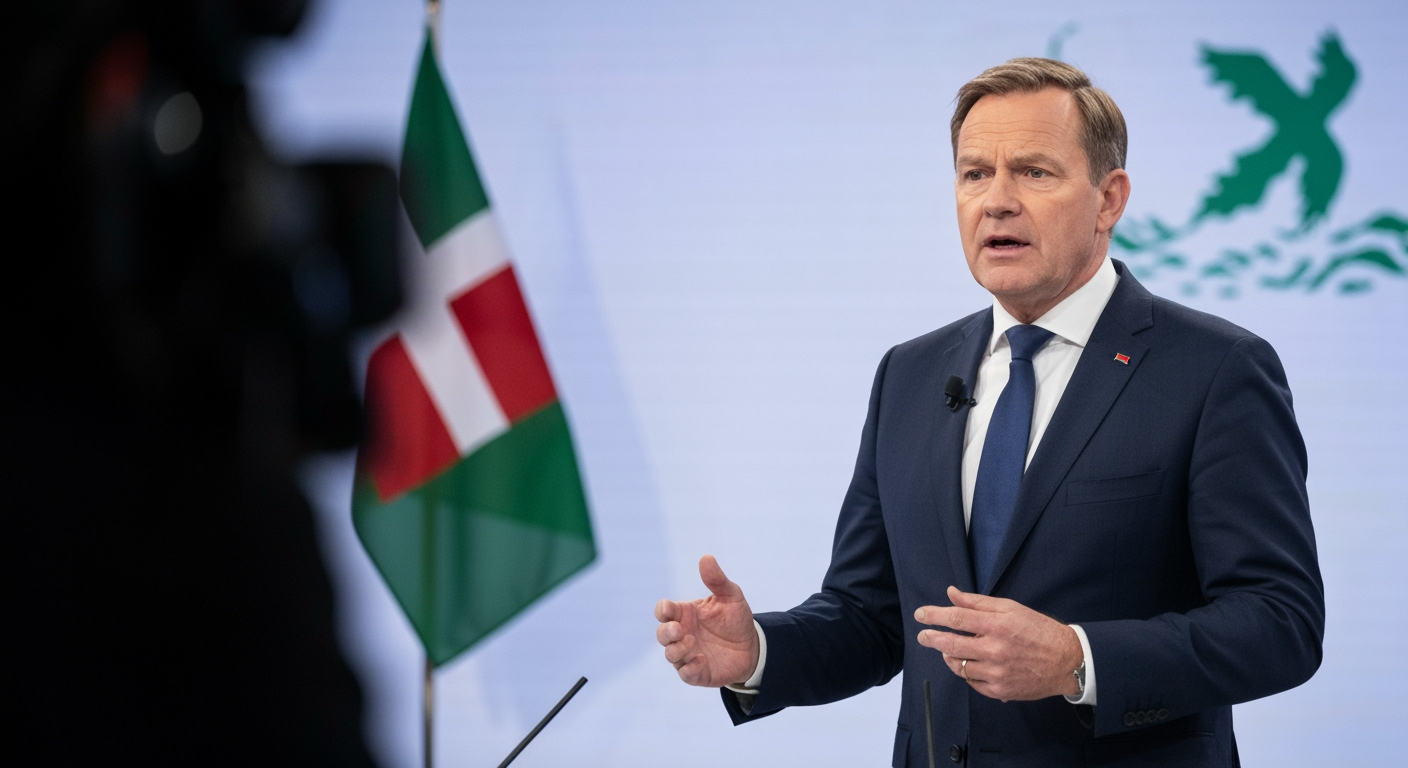
Danish Prime Minister Calls Snap Election, Riding Wave of "Greenland Momentum" Amid Geopolitical Tensions
COPENHAGEN, Denmark – Danish Prime Minister Mette Frederiksen has unexpectedly called a snap parliamentary election for March 24, a decision largely seen as a strategic move to capitalize on a recent surge in public approval following her assertive handling of renewed United States pressure regarding Greenland. The announcement, made in the Danish Parliament on Thursday, triggers an early vote months ahead of the October 2026 deadline, propelling Denmark into an intense campaign season against a backdrop of heightened geopolitical concerns and a shifting global order. The Prime Minister framed the upcoming election as a pivotal moment for Denmark and Europe, emphasizing the need for both to "stand on their own," redefine their relationship with the United States, and strengthen their defenses to ensure peace on the continent

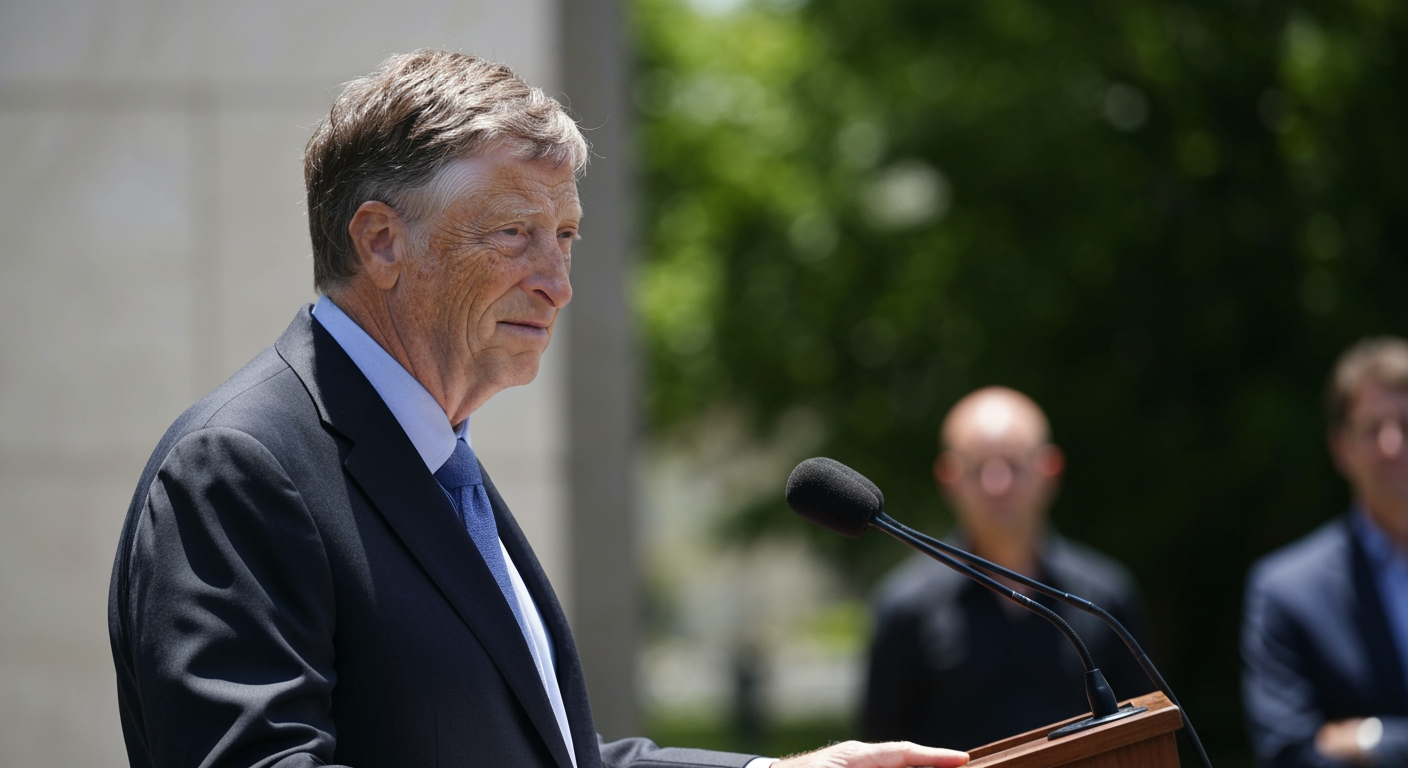
Bill Gates Expresses Deep Regret Over Ties to Jeffrey Epstein, Citing "Huge Mistake"
SEATTLE, WA – Billionaire philanthropist and Microsoft co-founder Bill Gates has publicly expressed profound regret over his past association with convicted sex offender Jeffrey Epstein, describing the interactions as a "huge mistake" that cast a shadow over his philanthropic work and significantly impacted his personal life. The apologies, reiterated in recent statements and a town hall meeting with staff of the Bill & Melinda Gates Foundation, follow renewed scrutiny brought by the release of documents related to the Epstein investigation and underscore the lasting repercussions of the controversial connection. Gates has maintained that his engagements with Epstein were solely focused on philanthropic discussions, particularly regarding potential fundraising for global health initiatives, and has vehemently denied any involvement in or knowledge of Epstein's criminal activities