Lebanon Braces for Fallout as US-Iran Tensions Edge Toward Conflict

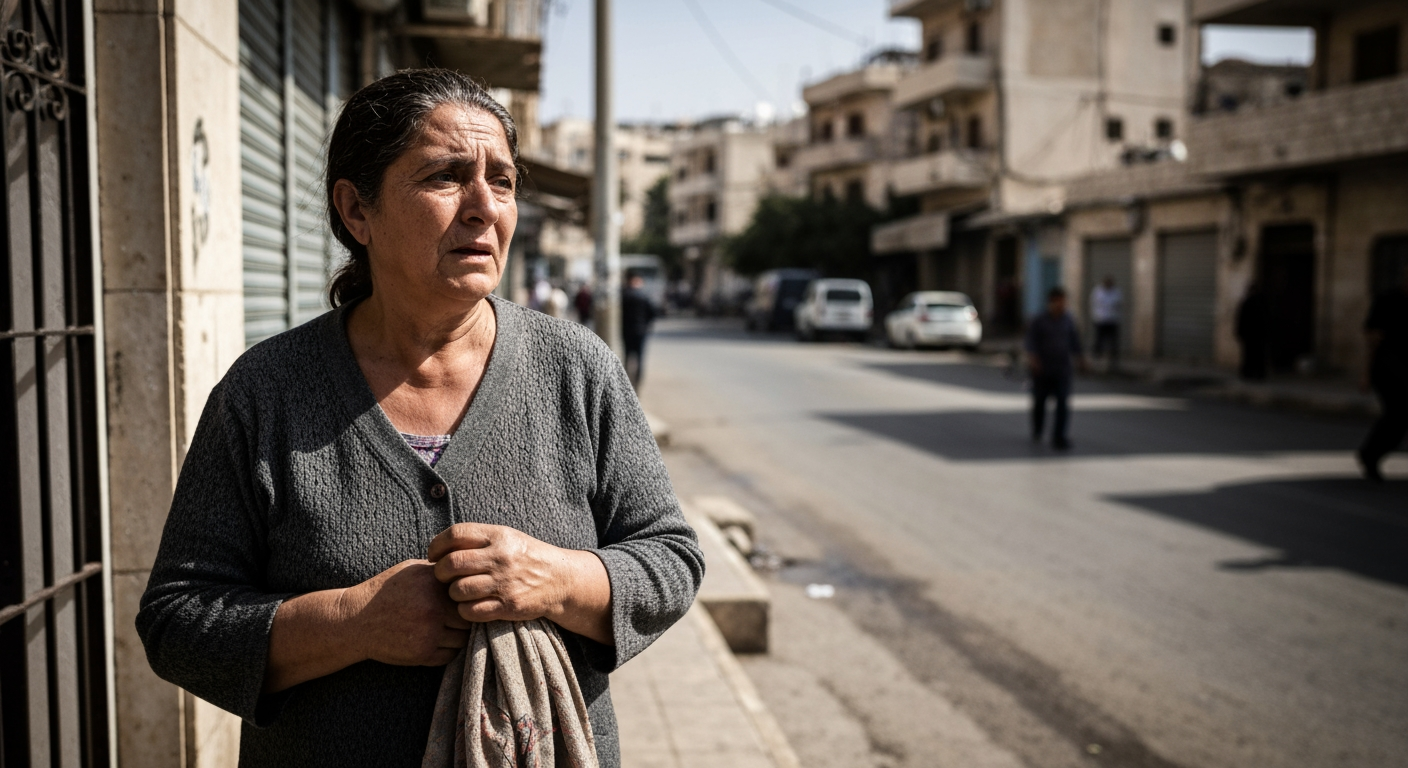
Beirut is on high alert, its already fragile stability threatened by the escalating tensions between the United States and Iran. The prospect of a potential U.S. strike against Iran has cast a long shadow over Lebanon, stoking widespread fear of a regional conflagration that could plunge the nation into an even deeper crisis. The country, still reeling from years of economic collapse and internal strife, finds itself once again caught in the crosshairs of a dangerous geopolitical standoff.
The Escalating US-Iran Standoff
The decades-long antagonism between the United States and Iran has reached a critical juncture, with both sides demonstrating a readiness for confrontation while simultaneously engaging in diplomatic overtures. The U.S. has significantly bolstered its military presence in the Middle East, undertaking its most substantial airpower deployment to the region since the 2003 invasion of Iraq. This military buildup coincides with repeated warnings from U.S. President Donald Trump, who has openly threatened military action, including limited strikes, aimed at pressuring Tehran to concede on its nuclear program. U.S. officials maintain that "all options are on the table" should diplomatic efforts falter.
Conversely, Iranian authorities have conveyed a dual message of readiness for conflict and openness to negotiation. Iran's Foreign Ministry has explicitly warned that any U.S. attack, regardless of its scale, would be deemed an act of aggression and would elicit a response. Amidst these escalating threats, nuclear talks between the U.S. and Iran are scheduled to take place in Geneva, an attempt to de-escalate growing concerns about a military conflict. However, many Middle Eastern governments have voiced apprehension, fearing that a U.S. strike could trigger widespread regional upheaval and retaliatory attacks on their own territories.
Lebanon's Precarious Existence
Lebanon is enduring its most profound crisis since the 2006 war, grappling with a multifaceted collapse that spans governance, economy, and finance since 2019. The nation's economy experienced a 38% contraction between 2019 and 2024, a stark indicator of its severe distress. The Lebanese pound has plummeted in value, losing over 98% of its worth, which has fueled rampant hyperinflation and drastically eroded the purchasing power of its citizens.
Recent conflicts have already exacted a heavy toll. The Israel-Hezbollah war of 2023-2024 resulted in an estimated $8.5 billion in damages and losses, with nearly 100,000 housing units either partially or entirely destroyed. The conflict also displaced over 875,000 individuals and led to 166,000 job losses. The United Nations Development Programme has issued warnings regarding a looming socio-economic catastrophe exacerbated by ongoing hostilities. Projections suggest that Lebanon's economy could contract by as much as 9.2% if current hostilities persist, further setting back human development to levels not seen since 2010.
Hezbollah's Critical Role
Central to Lebanon's vulnerability is Hezbollah, a powerful political party and militant group with deep ties to Iran. Recognized as Iran's most significant proxy, Hezbollah is considered the most heavily armed non-state actor globally, possessing thousands of rockets and missiles, including precision-guided systems. Its military capabilities are substantial, positioning it as a key player in any broader regional conflict.
Hezbollah's new leader, Naim Qassem, has publicly declared the group's non-neutral stance in the US-Iran confrontation, stating it considers itself a target of potential aggression. While a Hezbollah official indicated that the group might not intervene in the event of "limited" U.S. strikes on Iran, they emphasized that any attempt to overthrow the Iranian regime or target its Supreme Leader would be a "red line," triggering military intervention. The presence of Iran's Islamic Revolutionary Guard Corps (IRGC) commanders on Lebanese soil, reportedly directing Hezbollah forces, significantly increases the likelihood of Hezbollah engaging in a wider conflict should Tehran face a direct U.S. attack. This prospect has led Lebanese officials, including Prime Minister Nawaf Salam, to appeal to Hezbollah not to draw the country into another devastating conflict.
The Specter of Devastation for Lebanon
The looming threat of a U.S.-Iran confrontation carries dire implications for Lebanon. Israel has issued clear, indirect warnings that it would strike Lebanese civilian infrastructure, including Beirut's international airport, "hard" if Hezbollah were to involve itself in a potential U.S.-Iran war. Lebanon's Foreign Minister Youssef Raggi has confirmed these fears, underscoring the severe risk to the nation's vital infrastructure. In a precautionary move, the U.S. State Department has already ordered the evacuation of non-emergency personnel from its embassy in Beirut.
Lebanese citizens are already experiencing profound psychological strain from the constant anticipation of war. The prospect of a conflict evokes fears of widespread fuel shortages, business closures, and a new wave of internal displacement and destruction. Experts warn of a potential "chain reaction": a U.S. strike on Iran could provoke Hezbollah retaliation against Israel, inevitably leading to a massive Israeli response against Lebanon. Even the ceasefire agreement between Israel and Hezbollah, implemented in November 2024, has been violated over 10,000 times, with continued Israeli airstrikes targeting Hezbollah sites in Lebanon. This ongoing instability underscores the inherent fragility of the situation and the immense risks Lebanon faces as regional tensions continue to mount.
Conclusion
The convergence of simmering US-Iran hostilities and Lebanon's deep-seated domestic vulnerabilities creates an exceptionally perilous situation for the small Mediterranean nation. The warnings from Israel, the declarations from Hezbollah, and the ongoing U.S. military posturing paint a grim picture for a country ill-equipped to withstand another major conflict. The potential for a regional war, ignited by a U.S. strike on Iran, threatens to unleash catastrophic humanitarian and economic consequences upon Lebanon, further unraveling its social fabric and reversing any prospects for recovery. As diplomatic efforts proceed, the urgent need for de-escalation remains paramount to prevent Lebanon from becoming the collateral damage in a broader geopolitical struggle.
Related Articles

Bangladesh's New Cabinet: A Step Back for Women's Political Representation
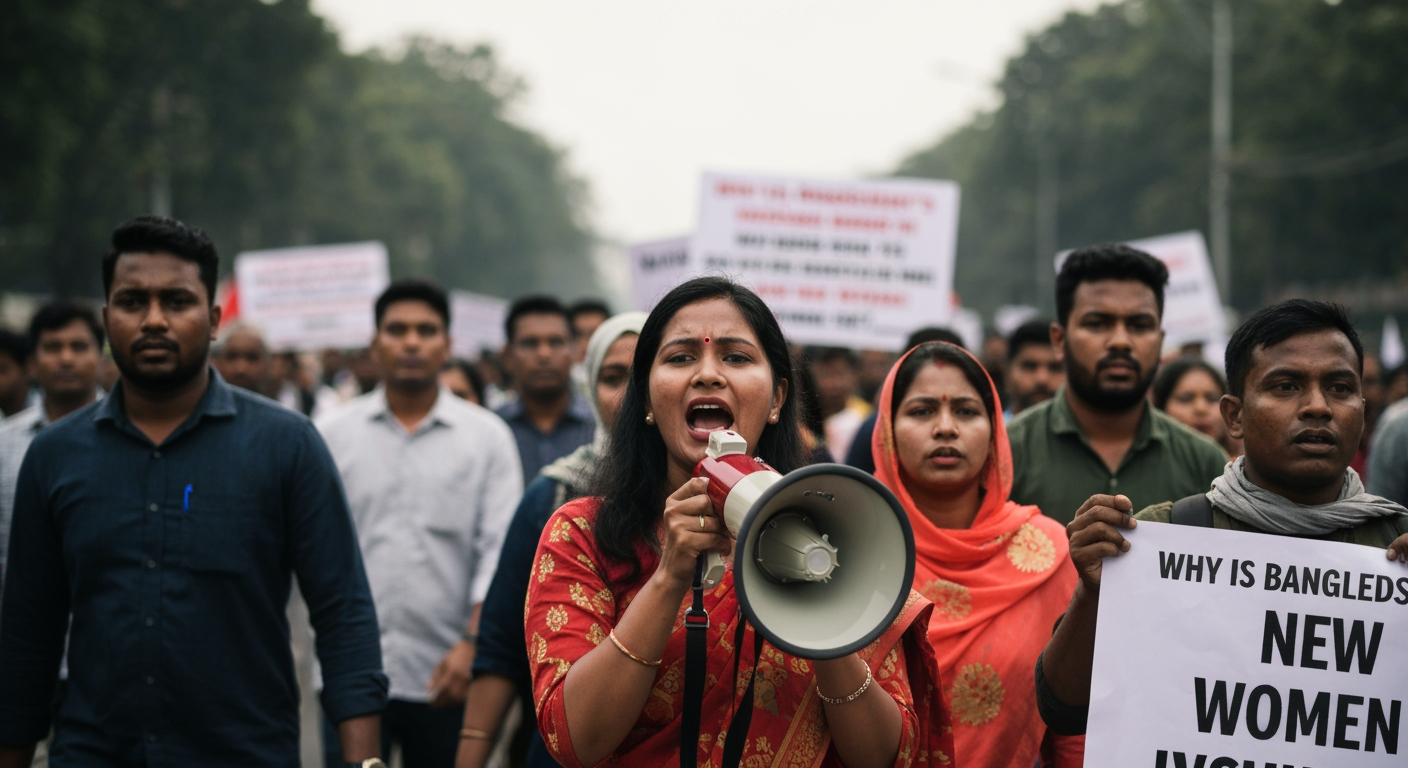
Dhaka, Bangladesh – Bangladesh's newly formed cabinet, following the February 2026 general election, features a stark reduction in women's representation, signaling a potential setback for gender equality in the nation's highest political echelon. Despite a history of female leadership at the prime ministerial level, the new government includes only three women among its 50 members, a significant decline from previous administrations and a concerning trend for advocates of inclusive governance. ### A Striking Decline in Representation The 13th national election saw the Bangladesh Nationalist Party (BNP) form a new government under Prime Minister Tarique Rahman, marking the first time in 35 years that a male leads the country


France Confronts Rising Transatlantic Populism Ahead of Crucial 2027 Elections
Paris, France – A palpable sense of concern is rippling through French political circles as the nation braces for a potential surge of far-right influence, increasingly echoing the "Make America Great Again" (MAGA) movement from across the Atlantic. With pivotal municipal and presidential elections on the horizon in 2027, French authorities and the political establishment are observing a concerted effort by American conservative groups to forge alliances and infuse their ideological tenets into France's domestic political landscape, sparking a robust resistance from those committed to the tenets of the French Republic. The convergence of internal populist forces and external ideological alignment presents a significant challenge to France's traditional political equilibrium

Bulgarian Diplomat Nickolay Mladenov Takes Helm of Ambitious Gaza Peace Initiative
Brussels, Belgium – In a critical juncture for Middle East diplomacy, Bulgarian veteran diplomat Nickolay Mladenov has been appointed as the High Representative for Gaza, tasked with leading the newly established "Board of Peace." This U.S.-led initiative, chaired by former President Donald Trump, aims to navigate the complex post-ceasefire landscape of the Gaza Strip, overseeing crucial aspects of governance, reconstruction, and security coordination. Mladenov's appointment in January 2026 has placed him at the forefront of efforts to implement a comprehensive plan for the war-torn enclave, a role that leverages his extensive experience in some of the world's most intractable conflicts. Mladenov's current mission represents perhaps his most formidable challenge yet, as he steps into a role demanding nuanced diplomacy and robust leadership amidst ongoing regional tensions