France Confronts Rising Transatlantic Populism Ahead of Crucial 2027 Elections

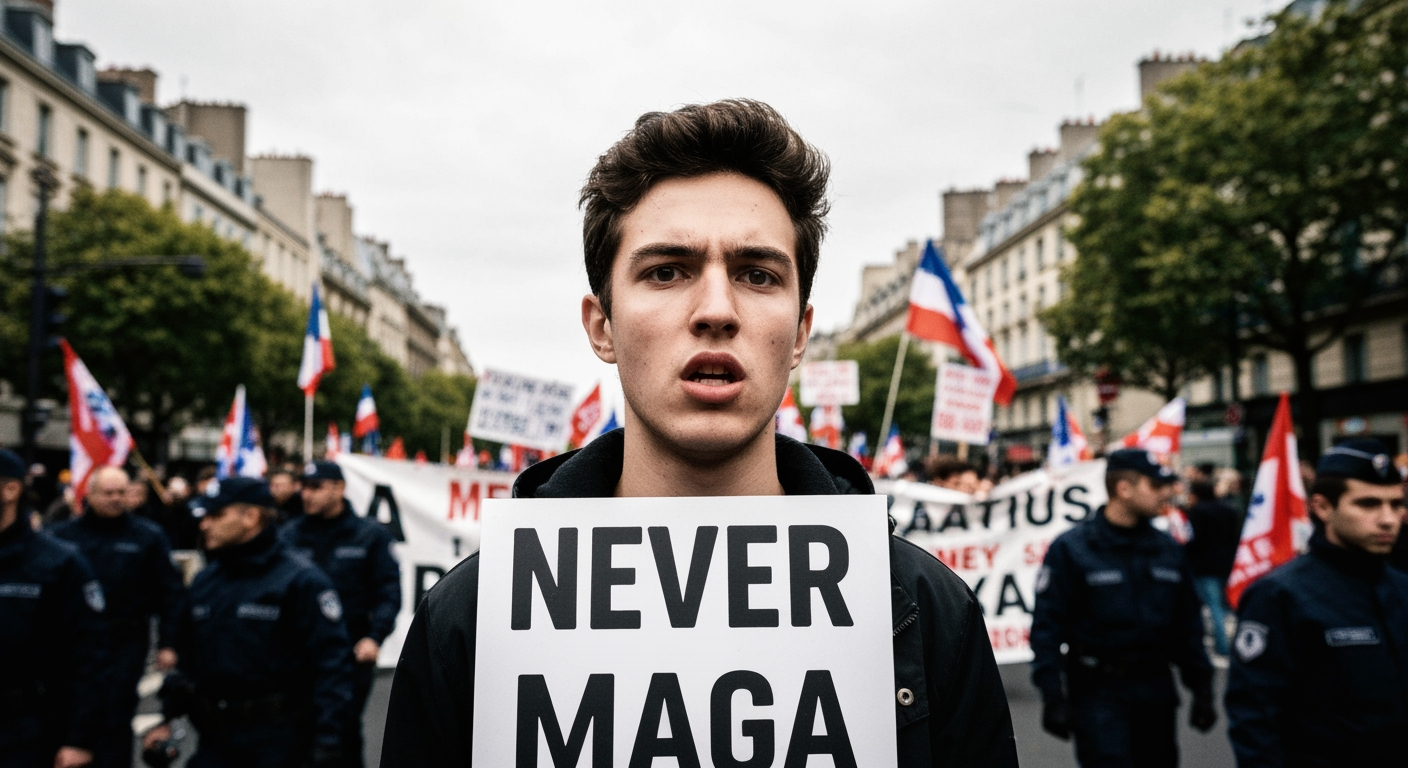
Paris, France – A palpable sense of concern is rippling through French political circles as the nation braces for a potential surge of far-right influence, increasingly echoing the "Make America Great Again" (MAGA) movement from across the Atlantic. With pivotal municipal and presidential elections on the horizon in 2027, French authorities and the political establishment are observing a concerted effort by American conservative groups to forge alliances and infuse their ideological tenets into France's domestic political landscape, sparking a robust resistance from those committed to the tenets of the French Republic.
The convergence of internal populist forces and external ideological alignment presents a significant challenge to France's traditional political equilibrium. While French nationalism has deep historical roots, the current environment sees a dynamic interplay between homegrown far-right movements and foreign influences, creating an electoral climate charged with both apprehension and determination to uphold democratic norms.
The Transatlantic Currents of Populism
The "MAGA" movement, often associated with former U.S. President Donald Trump, is reportedly deepening its connections with France's far-right factions, raising alarms within French governmental circles. French security sources have indicated a "real concern" regarding the influence of this American conservative sphere on domestic politics, particularly as far-right parties gain traction across Europe. A key player in this transatlantic bridge-building is the influential Heritage Foundation, which has dispatched representatives to Paris to engage with unnamed "leaders of the French right." The stated aim is to "knit together a network of ideologically aligned groups" and "resurrect the spirit of Western civilization."
This outreach is not merely theoretical; tangible ideological common ground has been identified. French far-right figures, such as Louis Aliot, Vice President of the National Rally (RN), have openly acknowledged shared perspectives with the U.S. conservative movement on issues like immigration control, border protection, and the rejection of "woke" culture. Aliot's attendance at Trump's inauguration and a tribute to a prominent MAGA influencer further underscore these connections. Furthermore, centrist European lawmakers have noted that the rhetoric employed by the European far-right frequently appears to be "copied and pasted from what we hear from MAGA," particularly concerning arguments against regulating social media platforms, which are framed as censorship of free speech.
The perceived foreign interference escalated into a diplomatic incident in early 2026 when the U.S. Embassy in Paris, under Ambassador Charles Kushner (Trump's ambassador), made public comments regarding the death of a far-right activist. French Foreign Minister Jean-Noël Barrot publicly condemned these remarks as "political instrumentalisation" and outside attempts to "weaponise the death for ideological ends," summoning the ambassador to express France's firm stance against interference in its national political debate. This incident highlighted the growing friction between France's commitment to its sovereign political discourse and the assertive posture of some U.S. envoys.
France's Evolving Far-Right Landscape
At the forefront of France's domestic populist surge is the National Rally (RN), formerly the National Front (FN), led by Marine Le Pen. The party, which has undergone a strategic "de-demonization" under Le Pen's leadership, has shed some of its more extremist historical baggage to broaden its appeal. The RN's platform now emphasizes economic protectionism, national sovereignty, and a staunch stance against immigration, resonating with a significant portion of the electorate experiencing economic and social discontent.
The party's electoral success has been considerable, transforming it into a formidable force in French politics. In the 2022 presidential election, Le Pen secured over 41% of the vote in the second round, a record high for the far-right. More recently, the RN achieved a historic gain in the 2024 legislative elections, securing 143 deputies in the National Assembly, although falling short of an absolute majority. Surveys also indicate a notable rise in support for the far-right among young voters, with nearly 30% of the youth vote nationally going to far-right parties in recent European elections.
Another prominent figure on the French far-right is Éric Zemmour, whose Reconquête party has staked out an even more identitarian and provocative position, focusing heavily on issues of national identity, immigration, and the controversial "Great Replacement" theory. Zemmour's emergence has, somewhat paradoxically, contributed to Le Pen's image as a more "practical" and "mainstream" politician, as her rhetoric appears less extreme in comparison. The combined votes for far-right candidates, including Zemmour, reached approximately 30% in the 2022 presidential election, underscoring the widespread appeal of their core themes.
These domestic far-right movements capitalize on a "politics of frustration," tapping into sentiments of being "left behind" amidst economic anxieties, concerns over public services, and perceived threats to national identity. The cost of living crisis and social inequalities are particularly potent drivers of populist voting across the political spectrum.
The French Republic's Defense Mechanisms
In response to the growing influence of the far-right, both domestically and externally, France has activated various defense mechanisms aimed at safeguarding its republican values and democratic institutions. The French government's swift condemnation and summoning of the U.S. ambassador following comments on a domestic incident exemplify a firm stance against perceived foreign meddling in its internal affairs. Foreign Minister Barrot emphasized that France "doesn't accept that foreign countries can come and interfere, can invite themselves into the national political debate, whatever the circumstances."
Historically, a key strategy to counter the far-right in France has been the formation of a "Republican Front," where centrist and left-wing parties coalesce in run-off elections to block far-right candidates from winning. This tactic, though sometimes seen as a last resort, proved effective in the 2024 legislative elections, preventing the National Rally from securing an absolute majority.
Beyond electoral strategies, there is a broader societal pushback. Civil society organizations and unions are actively engaged in fact-checking the National Rally, exposing inconsistencies between their public rhetoric and their voting records on key issues such as minimum wage increases and student aid. Mass protests against the RN also signal a significant segment of the population's concern over the prospect of the far-right gaining power.
President Emmanuel Macron has consistently positioned himself as a bulwark against the rising tide of populism, both domestically and internationally. His government has also shown assertiveness on the European stage, advocating for a strong, independent Europe, which can be seen as a counter-narrative to the nationalistic and anti-EU sentiments often promoted by far-right movements and some transatlantic allies.
Stakes for French Democracy and Europe
The ongoing struggle against the influence of "MAGA-like" populism holds significant implications for the future of French democracy and its role within the European Union. The mainstreaming of far-right ideologies, even through a "de-demonized" lens, challenges core principles of equality, non-discrimination, and social cohesion, raising alarms about potential threats to vulnerable and disadvantaged groups. Policies such as barring dual nationals from "sensitive state jobs," as proposed by the National Rally, are viewed as deepening societal rifts and undermining fundamental rights protected by French and EU law.
The resilience of France's democratic institutions and the political will to counter these pressures will be severely tested in the upcoming 2027 elections. While the "Republican Front" has historically acted as a safeguard, the increasing normalization of far-right discourse and its growing electoral base demand constant vigilance and adaptive strategies from mainstream political forces. The battle for France's political soul is not merely an internal affair; it is a crucial front in the broader European and indeed global, struggle against the erosion of liberal democratic values by populist movements. The outcome will undoubtedly shape not only France's trajectory but also the future direction of the European project and the intricate balance of transatlantic relations.
Related Articles

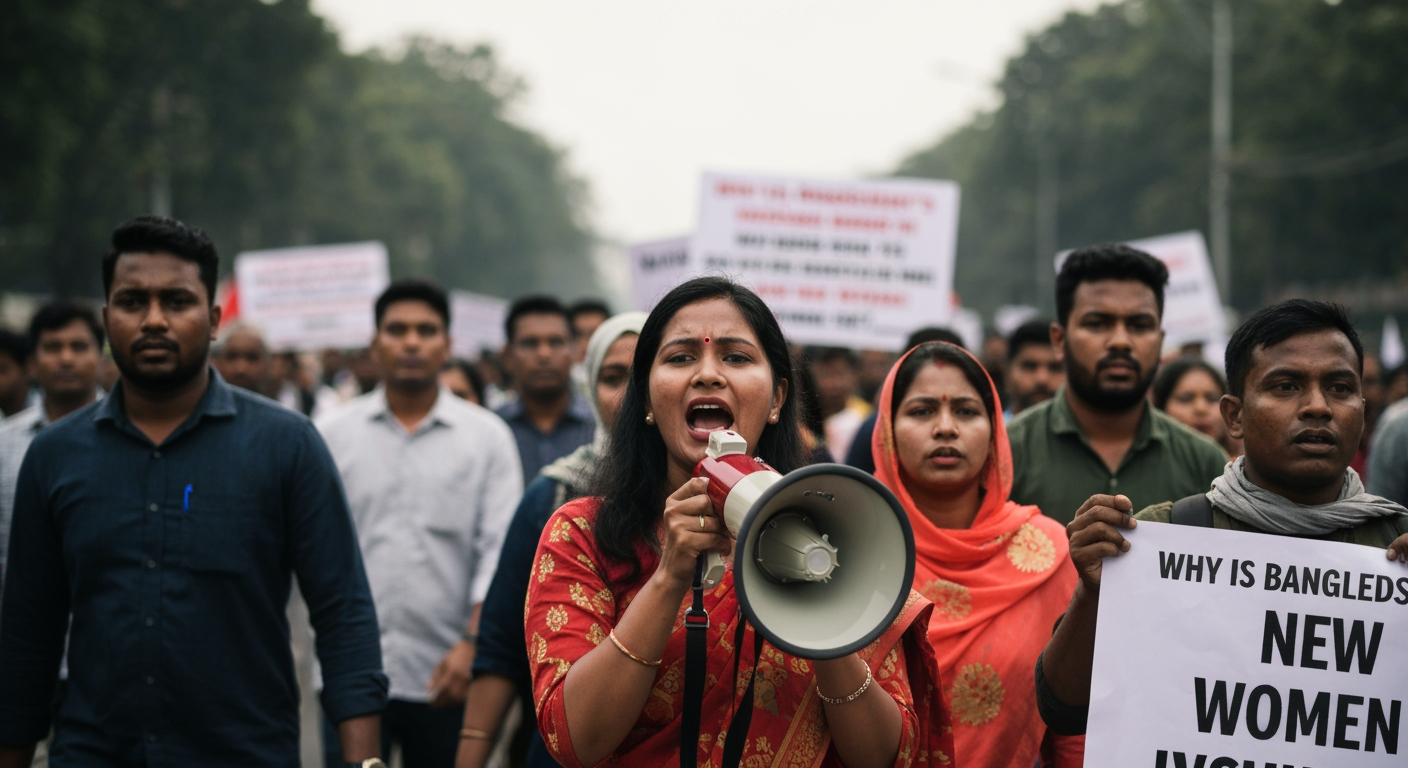
Bangladesh's New Cabinet: A Step Back for Women's Political Representation
Dhaka, Bangladesh – Bangladesh's newly formed cabinet, following the February 2026 general election, features a stark reduction in women's representation, signaling a potential setback for gender equality in the nation's highest political echelon. Despite a history of female leadership at the prime ministerial level, the new government includes only three women among its 50 members, a significant decline from previous administrations and a concerning trend for advocates of inclusive governance. ### A Striking Decline in Representation The 13th national election saw the Bangladesh Nationalist Party (BNP) form a new government under Prime Minister Tarique Rahman, marking the first time in 35 years that a male leads the country


Lebanon Braces for Fallout as US-Iran Tensions Edge Toward Conflict
Beirut is on high alert, its already fragile stability threatened by the escalating tensions between the United States and Iran. The prospect of a potential U.S

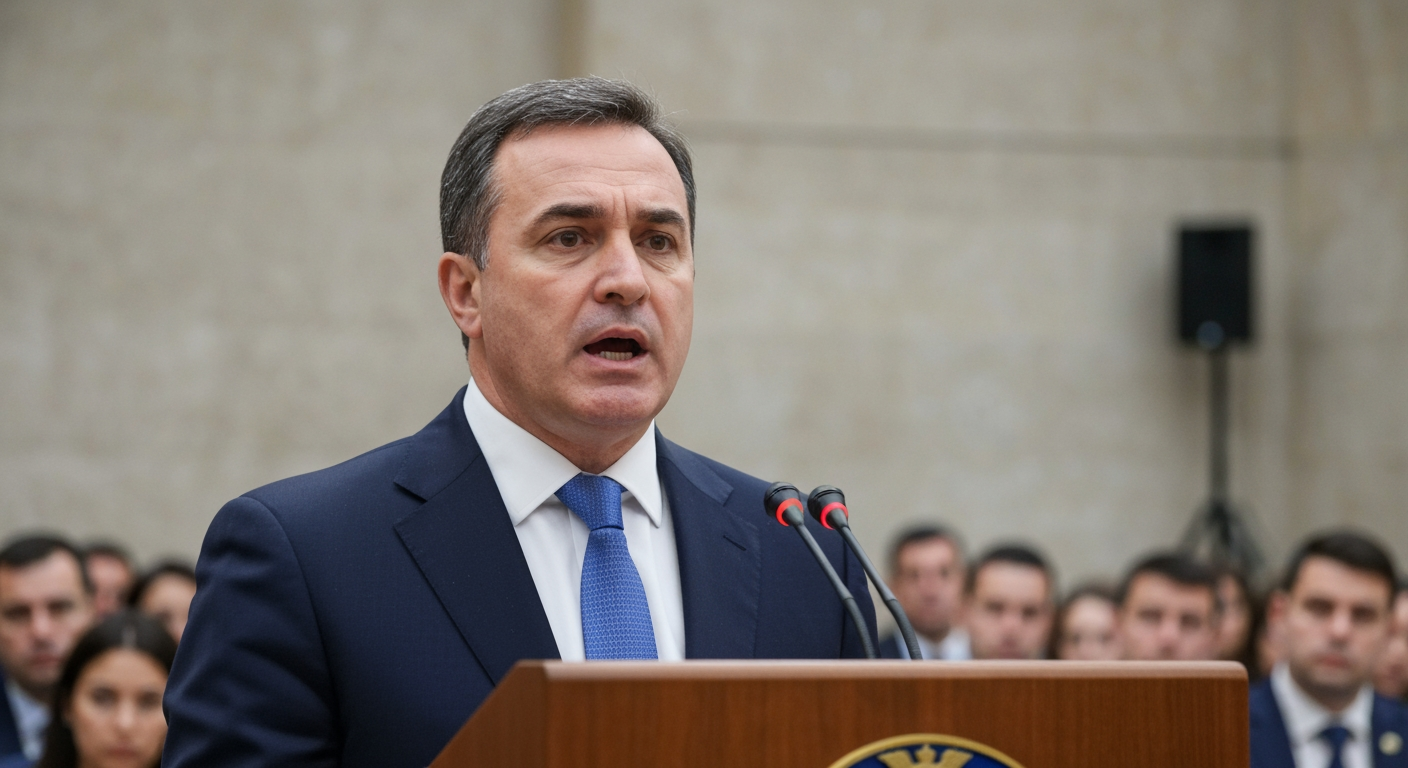
Bulgarian Diplomat Nickolay Mladenov Takes Helm of Ambitious Gaza Peace Initiative
Brussels, Belgium – In a critical juncture for Middle East diplomacy, Bulgarian veteran diplomat Nickolay Mladenov has been appointed as the High Representative for Gaza, tasked with leading the newly established "Board of Peace." This U.S.-led initiative, chaired by former President Donald Trump, aims to navigate the complex post-ceasefire landscape of the Gaza Strip, overseeing crucial aspects of governance, reconstruction, and security coordination. Mladenov's appointment in January 2026 has placed him at the forefront of efforts to implement a comprehensive plan for the war-torn enclave, a role that leverages his extensive experience in some of the world's most intractable conflicts. Mladenov's current mission represents perhaps his most formidable challenge yet, as he steps into a role demanding nuanced diplomacy and robust leadership amidst ongoing regional tensions