Bangladesh's New Cabinet: A Step Back for Women's Political Representation

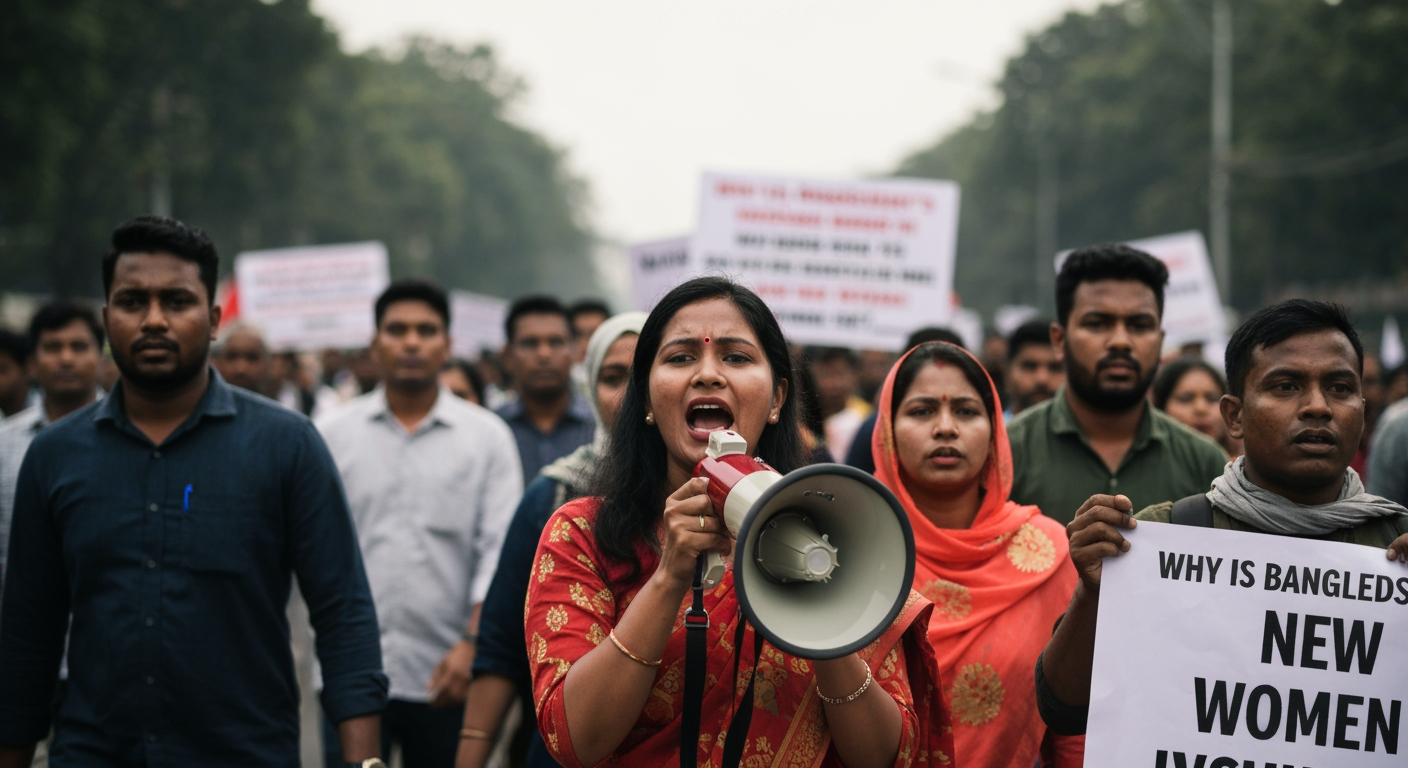
Dhaka, Bangladesh – Bangladesh's newly formed cabinet, following the February 2026 general election, features a stark reduction in women's representation, signaling a potential setback for gender equality in the nation's highest political echelon. Despite a history of female leadership at the prime ministerial level, the new government includes only three women among its 50 members, a significant decline from previous administrations and a concerning trend for advocates of inclusive governance.
A Striking Decline in Representation
The 13th national election saw the Bangladesh Nationalist Party (BNP) form a new government under Prime Minister Tarique Rahman, marking the first time in 35 years that a male leads the country. This transition follows decades where either Sheikh Hasina or Khaleda Zia held the prime ministerial office, creating a powerful, albeit symbolic, image of female political empowerment on the global stage. However, the composition of the new cabinet reveals a different reality, with women accounting for merely 6.0 percent of ministerial positions. This number is notably lower than the seven women in the immediate past government and the record eight women who served in the 12th Parliament.
Beyond the cabinet, the presence of women in the legislative body remains minimal. Only seven women secured general seats in the February 2026 election, representing just 2.36 percent of directly elected parliamentarians and 4.1 percent of the total candidates fielded. All three women appointed to the new cabinet are first-time Members of Parliament, and notably, each has familial ties to former cabinet members, suggesting that political lineage continues to play a significant role in women's access to high office. This pattern underscores a structural issue where opportunities for women in politics may be more accessible through established family networks rather than broader participation.
Entrenched Barriers and Political Dynamics
Several deeply rooted factors contribute to the persistent underrepresentation of women in Bangladesh's political landscape. Structural barriers within political parties are frequently cited as a primary challenge. Political parties often fail to nominate women for competitive general seats, despite directives from the Election Commission to ensure at least 33 percent female representation in their leadership positions, a target most parties consistently miss. Instead, women are often relegated to auxiliary roles within party structures, limiting their influence in key decision-making processes.
Societal norms and prevailing patriarchal attitudes further compound these issues. Religious and social prejudices, combined with a deeply ingrained patriarchal society, often impede women's political aspirations. Expectations that women adhere to traditional roles, such as prioritizing household duties, often clash with the demands of a political career. There is also a pervasive perception among some male leaders that women lack the competence required for leadership roles, creating an unwelcoming environment.
The financial demands of political campaigning present another significant hurdle. Women frequently face limited access to financial resources, lacking the "political muscle and monetary power" often necessary to run successful campaigns. This financial disparity restricts their ability to compete effectively against male counterparts who may have greater access to funding and established political networks.
The Shadow of Violence and the Reserved Seat System
The political environment in Bangladesh can also be fraught with challenges that disproportionately affect women. Reports indicate that women engaging in politics are susceptible to various forms of harassment, intimidation, and even violence, including online abuse. The presence of a "Mastan culture," characterized by thuggery and intimidation, further deters many women from active political participation. This hostile environment necessitates significant courage and resilience for women who choose to enter the public arena, often at the cost of strained family and social relationships.
Bangladesh's electoral system, while aiming to boost women's representation, also presents complexities. The constitution mandates 50 reserved seats for women in the Jatiya Sangsad (National Parliament), distributed proportionally among winning parties. While these reserved seats ensure a certain number of women in parliament, critics argue that they do not translate into genuine decision-making power and often result in women being treated as "second-tier" parliamentarians or merely "vote banks" for their parties. The fact that candidates for these reserved seats are appointed by party leaders rather than directly elected by constituents limits their accountability and legitimacy, potentially undermining their effectiveness in advocating for women's issues.
Recent political developments have intensified these concerns. The February 2026 elections were notable for the ban on the Awami League, a major political force. Furthermore, the rise of conservative groups, such as the Jamaat-e-Islami, which secured 77 seats and openly opposed women in leadership roles, fielding no female candidates, introduces a more restrictive discourse around women's public participation. This shift reflects a changing ideological balance that appears to be narrowing the space for women in public life.
Implications for Governance and Equality
The diminished representation of women in Bangladesh's new government carries significant implications for democratic governance and gender equality within the country. A lack of diverse voices in leadership positions can lead to the neglect of specific social issues and policy priorities that might disproportionately affect women. Without women at the decision-making table, policies may not adequately address the unique challenges and needs of half the population, potentially impacting national development and social progress.
Moreover, the sharp decline in women's cabinet representation after a period of high-profile female leadership risks damaging Bangladesh's international standing and its commitment to gender equality goals. For decades, the presence of female prime ministers offered a powerful symbol, but experts suggest this symbolic leadership often masked broader exclusion from meaningful political power. The current situation underscores the risk of this symbolism eroding without substantive, institutionalized pathways for women's political advancement.
As Bangladesh navigates its new political era, the challenge will be to reconcile its aspirations for inclusive democracy with the prevailing realities of women's political marginalization. The systemic exclusion, rather than incidental oversight, of women from competitive electoral politics and high-level government positions calls for a concerted effort to dismantle deeply entrenched barriers. Ensuring more equitable representation would not only enhance democratic credibility but also unlock the full potential of women to contribute to the nation's progress.
Related Articles

France Confronts Rising Transatlantic Populism Ahead of Crucial 2027 Elections
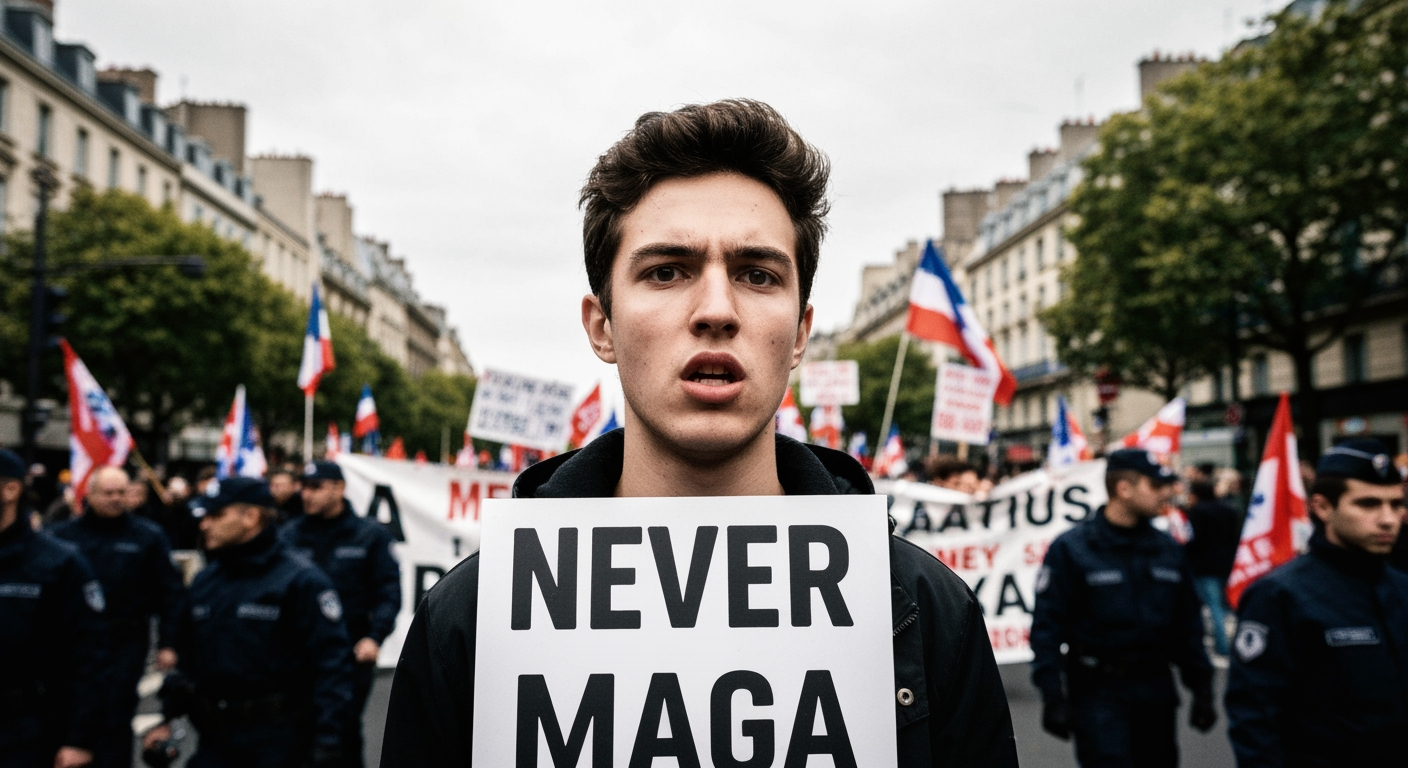
Paris, France – A palpable sense of concern is rippling through French political circles as the nation braces for a potential surge of far-right influence, increasingly echoing the "Make America Great Again" (MAGA) movement from across the Atlantic. With pivotal municipal and presidential elections on the horizon in 2027, French authorities and the political establishment are observing a concerted effort by American conservative groups to forge alliances and infuse their ideological tenets into France's domestic political landscape, sparking a robust resistance from those committed to the tenets of the French Republic. The convergence of internal populist forces and external ideological alignment presents a significant challenge to France's traditional political equilibrium

Lebanon Braces for Fallout as US-Iran Tensions Edge Toward Conflict
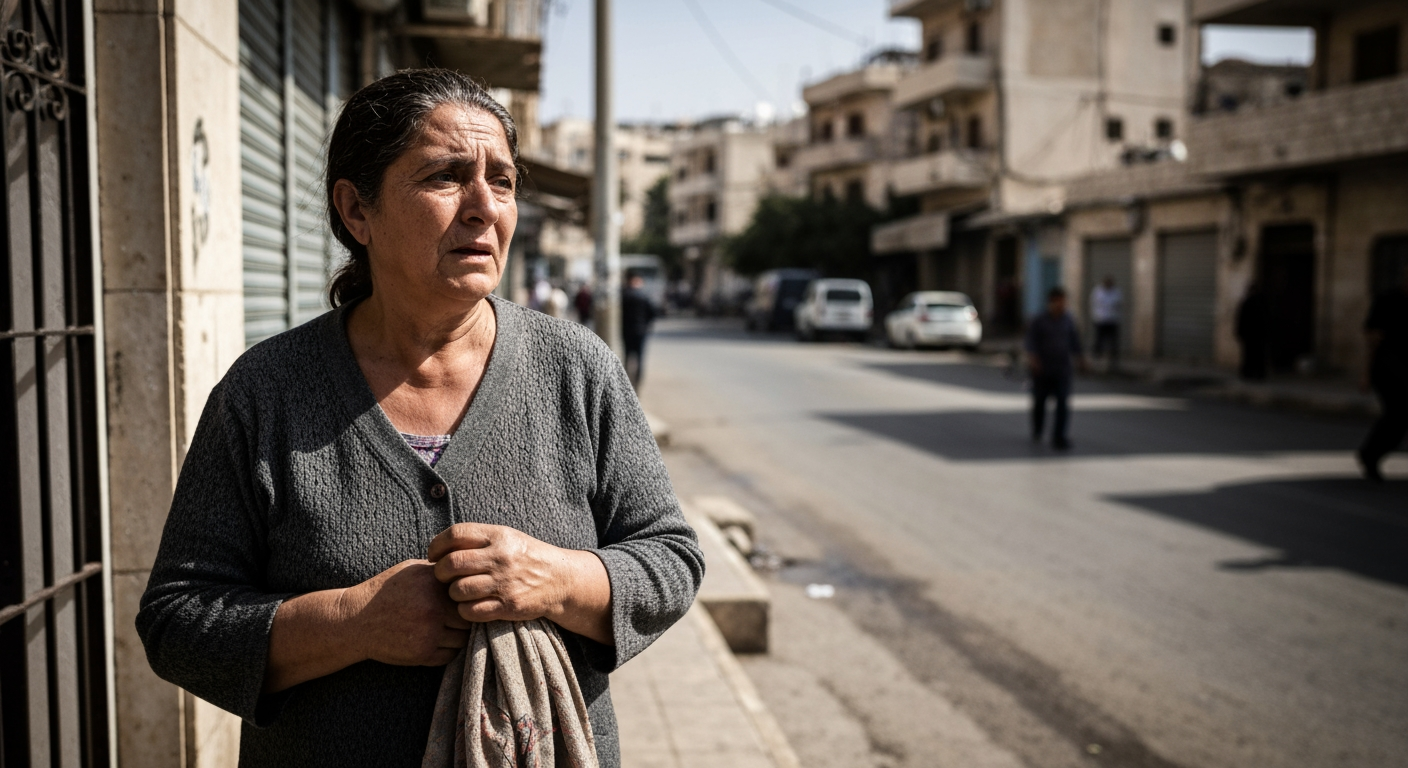
Beirut is on high alert, its already fragile stability threatened by the escalating tensions between the United States and Iran. The prospect of a potential U.S

Bulgarian Diplomat Nickolay Mladenov Takes Helm of Ambitious Gaza Peace Initiative
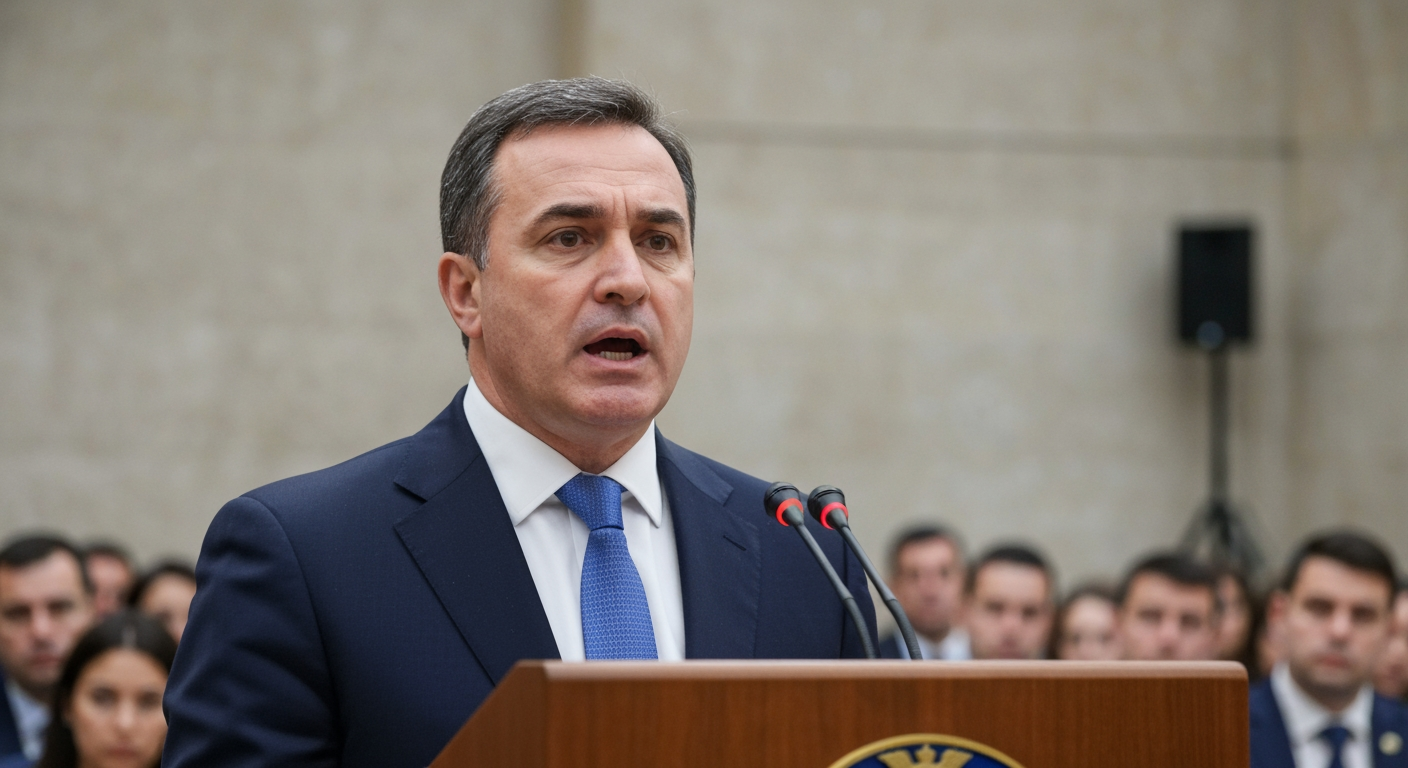
Brussels, Belgium – In a critical juncture for Middle East diplomacy, Bulgarian veteran diplomat Nickolay Mladenov has been appointed as the High Representative for Gaza, tasked with leading the newly established "Board of Peace." This U.S.-led initiative, chaired by former President Donald Trump, aims to navigate the complex post-ceasefire landscape of the Gaza Strip, overseeing crucial aspects of governance, reconstruction, and security coordination. Mladenov's appointment in January 2026 has placed him at the forefront of efforts to implement a comprehensive plan for the war-torn enclave, a role that leverages his extensive experience in some of the world's most intractable conflicts. Mladenov's current mission represents perhaps his most formidable challenge yet, as he steps into a role demanding nuanced diplomacy and robust leadership amidst ongoing regional tensions