India Declares Unwavering Solidarity with Israel 'With Full Conviction'

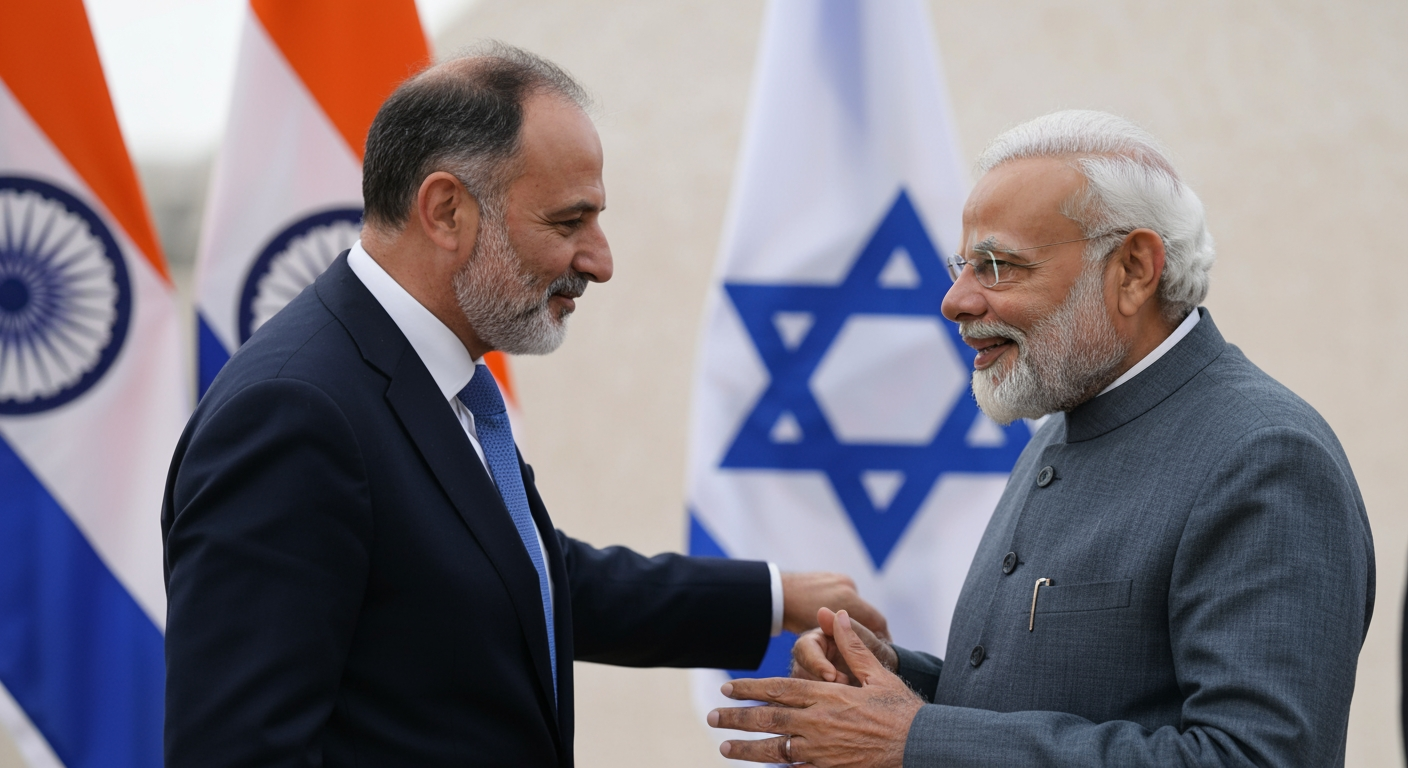
JERUSALEM – Indian Prime Minister Narendra Modi, in a landmark address to the Israeli Parliament (Knesset) on Wednesday, declared India's steadfast support for Israel, stating the nation stands with it "firmly with full conviction" following the October 7, 2023, attacks by Hamas. The emphatic declaration, delivered during a two-day state visit, underscores a significant evolution in India's Middle East foreign policy, signaling a deeper strategic alignment amidst ongoing regional complexities. Modi's speech, the first by an Indian Prime Minister to the Knesset, resonated with expressions of shared grief and a firm condemnation of terrorism, drawing a parallel to India's own experiences with terror.
An Unwavering Stand in Jerusalem
Prime Minister Modi conveyed the "deepest condolences of the people of India for every life lost and for every family whose world was shattered in the barbaric terrorist attack by Hamas on October 7." Addressing Israeli lawmakers, he asserted, "We feel your pain, we share your grief. India stands with Israel firmly with full conviction in this moment and beyond." This powerful statement came during a visit aimed at reinforcing the robust and multifaceted strategic partnership between the two nations. Modi's presence in Jerusalem, particularly at a time when Israel faces heightened international scrutiny over its military operations in Gaza, amplifies the significance of India's explicit show of solidarity. He further elaborated that "terrorism anywhere threatens peace everywhere," linking the October 7 incident to India's own experience with attacks such as the 26/11 Mumbai terror attacks.
A Decades-Long Shift: From Non-Alignment to Strategic Partnership
Historically, India maintained a policy of strong support for the Palestinian cause, rooted in its anti-colonial stance and commitment to the Non-Aligned Movement. India was among the first non-Arab countries to recognize the Palestine Liberation Organization (PLO) in 1974 and the state of Palestine in 1988, opening a representative office in Gaza in 1996, later moved to Ramallah. Mahatma Gandhi and Jawaharlal Nehru vocalized opposition to the imposition of Jews on Arabs and the 1947 UN partition plan for Palestine, respectively.
However, India's foreign policy began a pragmatic shift in the post-Cold War era. Full diplomatic relations with Israel were established in 1992, marking a turning point. This relationship has deepened considerably since Narendra Modi assumed premiership in 2014, characterizing a "de-hyphenation" strategy where India pursues robust bilateral ties with both Israel and Arab states independently. This period has seen a dramatic increase in cooperation across various sectors, moving beyond the discreet engagements of previous decades.
Deepening Engagements Amidst Regional Turmoil
The current visit, Modi's second to Israel as Prime Minister, solidifies a partnership that has blossomed across defense, agriculture, technology, and trade. Bilateral merchandise trade reached $3.62 billion in 2024-2025, excluding significant military sales, and discussions for a Free Trade Agreement are ongoing. Israel has become a crucial partner for India in defense equipment, technology, and intelligence sharing, with India being a major importer of Israeli military hardware. The two nations are also members of the I2U2 Group (India, Israel, UAE, and USA), focusing on joint ventures in water, energy, transportation, space, health, and food security, and are involved in the India-Middle East-Europe Economic Corridor (IMEEC).
This strengthening alliance reflects India's strategic vision for its role in a changing global order, where securing advanced technology and defense capabilities is paramount. While Modi’s speech in the Knesset firmly backed Israel, he also made a point of supporting "all efforts that contribute to durable peace and regional stability," including the Gaza peace initiative. This nuanced approach attempts to balance strong bilateral ties with Israel while acknowledging the broader regional dynamics and humanitarian concerns.
The Balancing Act and Domestic Echoes
India's evolved stance, particularly the overt embrace of Israel, has not been without its critics domestically. Some political factions and commentators have voiced concerns, interpreting it as a departure from India's historical commitment to the Palestinian cause. Critics argue that the strong pro-Israel alignment, especially in the context of the recent conflict's human toll in Gaza, amounts to "moral cowardice" and a "betrayal of the Palestinian cause."
Despite these criticisms, the Modi government maintains that its foreign policy is driven by national interests and a pragmatic approach to international relations. India continues to engage with Arab nations, highlighting economic and strategic ties, including robust energy partnerships and significant Indian diaspora populations in the Gulf. This "friend-to-all" approach, as some analysts describe it, aims to diversify alliances and enhance India's strategic autonomy on the global stage.
In conclusion, Prime Minister Modi's declaration of India's "full conviction" in standing with Israel marks a pivotal moment in New Delhi's foreign policy. It solidifies a rapidly deepening strategic partnership, driven by shared interests in defense, technology, and economic growth, while navigating the complex historical and geopolitical landscape of the Middle East. This bold affirmation signals India's growing confidence as a global player, recalibrating its traditional non-aligned diplomacy to align more overtly with strategic allies, even amidst sensitive regional conflicts.
Related Articles


Russian Barrage Precedes Geneva Talks, Clouding Ukraine Peace Prospects
KYIV, Ukraine – A massive overnight aerial assault by Russian forces struck across Ukraine, injuring dozens and damaging critical infrastructure, just hours before U.S. and Ukrainian envoys were set to convene in Geneva for a new round of peace talks


Blind Refugee Found Dead in Buffalo After Border Patrol Release Sparks Outcry
BUFFALO, N.Y. — A nearly blind refugee from Myanmar, who had been missing for several days after his release from U.S. Border Patrol custody, was found dead Tuesday evening on a downtown Buffalo street, igniting a fierce debate over federal immigration authorities' handling of vulnerable individuals

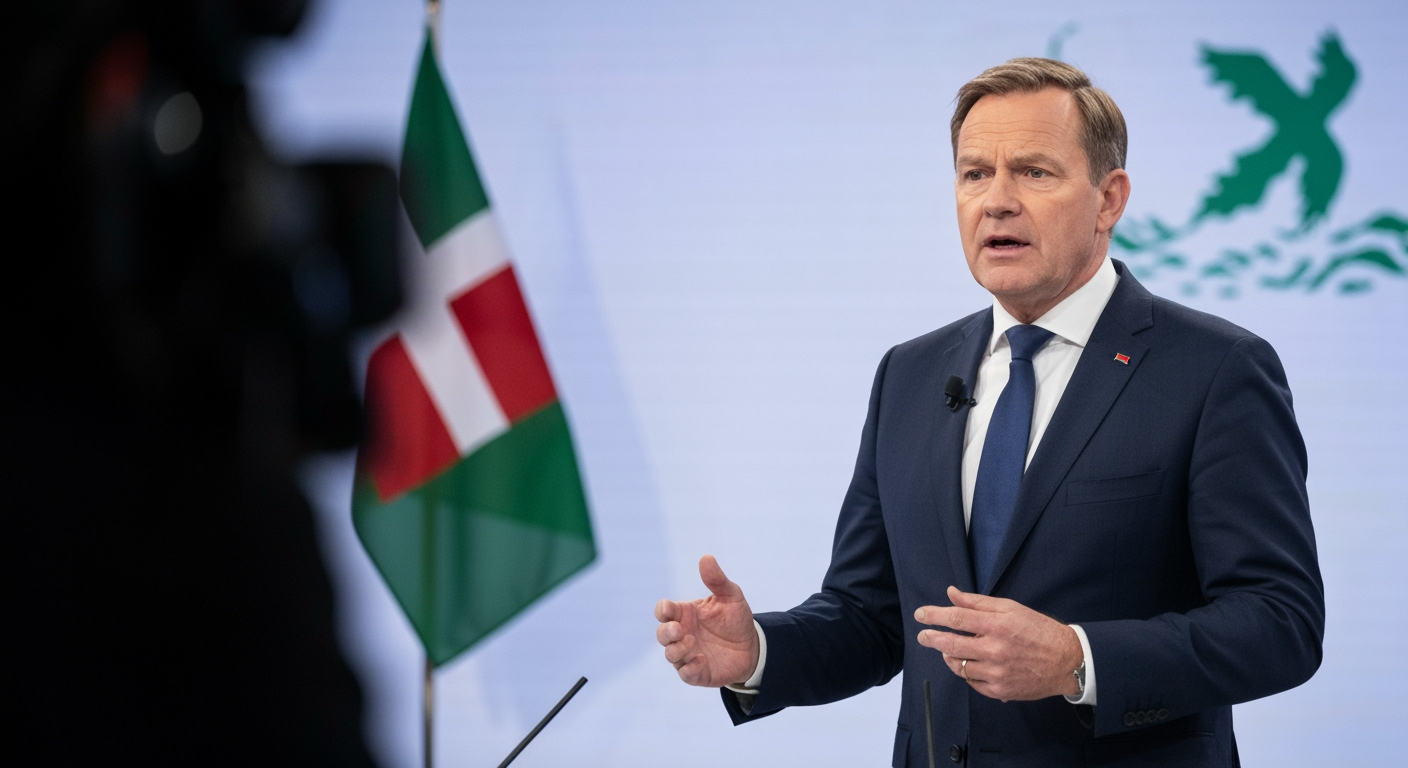
Danish Prime Minister Calls Snap Election, Riding Wave of "Greenland Momentum" Amid Geopolitical Tensions
COPENHAGEN, Denmark – Danish Prime Minister Mette Frederiksen has unexpectedly called a snap parliamentary election for March 24, a decision largely seen as a strategic move to capitalize on a recent surge in public approval following her assertive handling of renewed United States pressure regarding Greenland. The announcement, made in the Danish Parliament on Thursday, triggers an early vote months ahead of the October 2026 deadline, propelling Denmark into an intense campaign season against a backdrop of heightened geopolitical concerns and a shifting global order. The Prime Minister framed the upcoming election as a pivotal moment for Denmark and Europe, emphasizing the need for both to "stand on their own," redefine their relationship with the United States, and strengthen their defenses to ensure peace on the continent