Two Decades Erased: Ugandans Flee South Africa as Xenophobia Tears Lives Apart

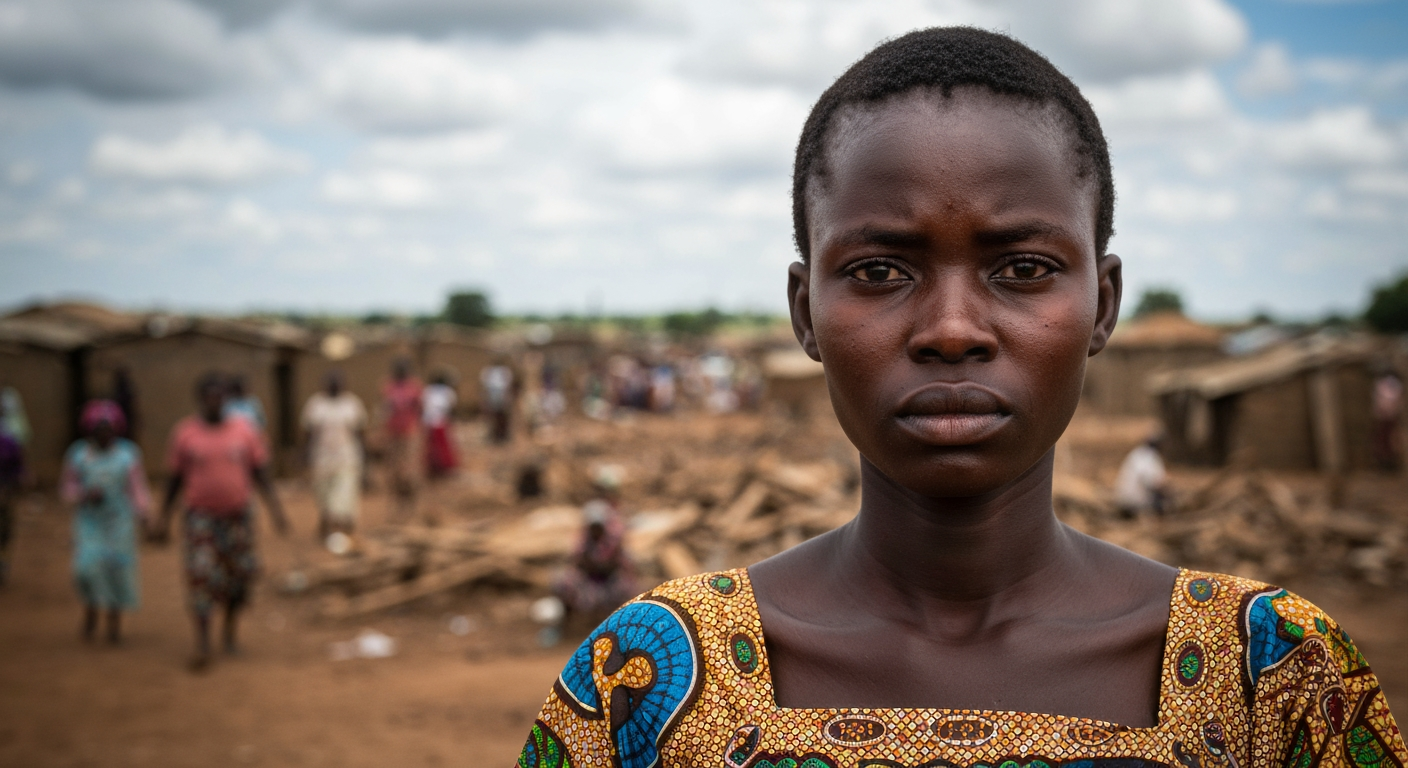
Johannesburg, South Africa – For thousands of foreign nationals who built their lives in South Africa over decades, the dream of a stable future has abruptly shattered, forcing them to abandon everything they knew. Amid a renewed wave of intense anti-immigrant sentiment and violence in July 2026, many, including numerous Ugandans, are finding their hard-won livelihoods and long-established homes reduced to ruins, effectively erasing two decades of effort and aspiration. This tragic exodus underscores the devastating human cost of persistent xenophobia in post-apartheid South Africa.
The Promise of Opportunity Turns to Peril
South Africa, after the end of apartheid in 1994, emerged as a beacon of economic opportunity, attracting migrants from across the continent seeking better prospects. Many Ugandans, like countless others, answered this call, settling in the nation's bustling cities and townships. Over the past two decades, they established businesses, found employment, raised families, and contributed to the local economy. Yet, this integration has always been shadowed by recurrent xenophobic attacks, with major outbreaks noted as far back as 2008. The latest surge in anti-migrant protests, fueled by groups demanding that "undocumented people or illegal immigrants leave the country," has pushed many to a breaking point.
Decades of Labor Lost in Weeks
The current crisis has seen hundreds of Ugandans repatriated, with the first group of 273 arriving back in Entebbe in early July, followed by hundreds more. These individuals, many of whom had spent 10, 15, or even 20 years building their lives in South Africa, returned with little more than the clothes on their backs. Stories abound of businesses looted, homes abandoned, and years of savings vanished. One Ugandan, reflecting a widespread sentiment, shared with Deutsche Welle (DW) the profound difficulty of coping after two decades of building a life in the country only to be forced to leave.
For those like Aisha Namugenyi, a returnee who appealed for government assistance, the experience is one of profound loss. "All our properties were seized by South Africans, and we were left with nothing," she stated. Another Ugandan, who ran a successful vocational school in the mining town of Brits, reported losing property worth an estimated 2 million rand, with his school now "captured by the municipality." These accounts paint a grim picture of lives uprooted and investments confiscated, leaving individuals traumatized and uncertain about their future.
The Roots of Resentment and the Government's Response
The drivers of xenophobia in South Africa are complex, often rooted in deep-seated socio-economic grievances such as high unemployment, poverty, income inequality, and perceived competition for resources and jobs. While there is no factual evidence to support the claim that immigrants are the main cause of crime or that they disproportionately burden society, these narratives are frequently propagated, even by some public figures. This sentiment has been exploited by anti-immigration groups, leading to the recent widespread demonstrations and calls for migrants to leave.
In response to the escalating violence, the Ugandan government initiated a voluntary repatriation program, with President Yoweri Museveni directing the mobilization of resources for safe evacuation. Over 1,000 Ugandans have since been repatriated, many undergoing rehabilitation programs aimed at helping them reintegrate into Ugandan society and rebuild their lives. The Ministry of Foreign Affairs acknowledged the hardships faced by its citizens, assuring returnees that Uganda is their home and that they committed no offense in seeking opportunities abroad.
A Future Clouded by Loss and Uncertainty
The impact of these events extends beyond material loss. Many returnees have arrived in Uganda suffering from severe psychological distress, with some unable to recall even their home districts. The emotional toll of being forced to abandon a life meticulously built over two decades is immense. While the Ugandan government is providing support, including medical attention and programs focused on patriotism and economic empowerment, the challenge of starting over for those who have lost so much remains formidable.
The forced return of thousands of Ugandans and other foreign nationals serves as a stark reminder of the fragile nature of migrant lives in host countries, particularly when socio-economic pressures create a fertile ground for intolerance. The narrative of "two decades lost" embodies the shattered dreams and irreversible setbacks experienced by those who once sought a better life, only to find themselves fleeing the very place they called home. As the repatriated individuals grapple with their new realities, the international community watches, hoping for a future where economic migration does not come with such a devastating and often violent price.
Related Articles


Europe's LGBTQ+ Rights: A Continent Divided by Progress and Persistent Challenges
Europe presents a complex and often contradictory landscape for LGBTQ+ rights, marked by significant strides toward equality in some nations while others experience stagnation or even regression. From robust legal...

Egypt Navigates Perilous Waters in Iran Conflict: A Delicate Balancing Act
Cairo finds itself ensnared in a complex geopolitical web as tensions escalate in the ongoing conflict involving Iran, necessitating a precarious balancing act between regional alliances, economic imperatives, and...