German Muslims Condemn Berlin Terror Attack Amidst Rising Islamophobia

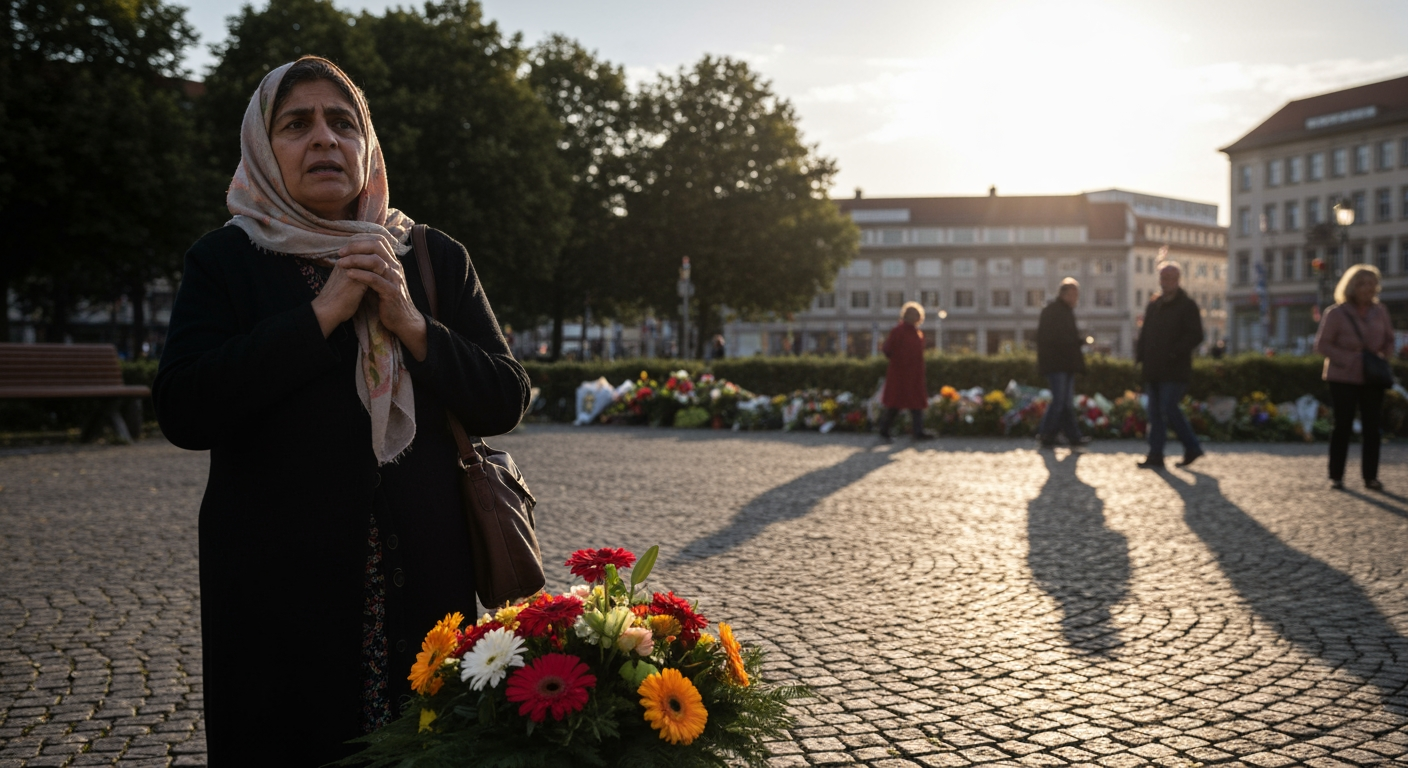
BERLIN – In the wake of a devastating Islamist terror attack that rocked Berlin's Pride celebrations on July 25, killing one and injuring 29, Germany’s Muslim communities have swiftly and unequivocally condemned the violence, reiterating their profound solidarity with the victims and society at large. The attack, perpetrated by a 21-year-old German citizen of Lebanese descent, has reignited urgent conversations about extremist ideologies, but also casts a long shadow over German Muslims, who find themselves caught between grief for the victims and growing fears of collective blame and escalating Islamophobia.
The incident, which saw a van deliberately ram into a crowd before the assailant also attacked others with a machete, has been officially classified by German authorities as an act of Islamist terrorism. The perpetrator, identified as Ballout, was known to intelligence services for his Islamist ideology and had a history that included attempting to join ISIS in Syria. His father reportedly stated that his son had been "brainwashed" by extremist views, highlighting the insidious nature of radicalization. This latest act of violence adds to a disturbing pattern, with authorities confirming nine executed Islamist terrorist attacks in Germany between 2020 and May 2025, underscoring a persistent and evolving threat.
A United Front Against Extremism
Immediately following the attack, leading Muslim organizations across Germany issued strong condemnations, emphasizing their commitment to peace and their shared values with the broader German society. Spokespersons from various Muslim councils and associations denounced the actions as a perversion of faith, asserting that terrorism has no religion. These statements echo a consistent stance taken by German Muslims for years, where extremist acts are met with collective rejection and a clear dissociation from mainstream Islamic teachings. The swift and vocal repudiation aims to counter any attempts by extremist groups to falsely claim religious legitimacy for their violence and to prevent the attack from being used to sow division within the nation.
Leaders within the Muslim community have consistently called for unity and vigilance, advocating for continuous interfaith dialogue and educational initiatives to combat radical ideologies. They emphasize that the fight against extremism is a shared responsibility, requiring a concerted effort from all segments of society, including robust cooperation with law enforcement agencies. These efforts are crucial in demonstrating that the vast majority of Germany's approximately 5.5 million Muslims are an integral part of the country's social fabric, upholding democratic values and contributing to its diversity.
The Double Burden: Grief and Growing Suspicion
However, the condemnation of such attacks is often accompanied by a profound and difficult "double burden" for German Muslims. They mourn with the rest of society for the victims of terror, while simultaneously bracing for an inevitable wave of increased scrutiny, suspicion, and prejudice. This reaction is not unfounded. Official data reveals a disturbing surge in anti-Muslim hate crimes and discrimination across Germany. In 2024 alone, authorities recorded more than 1,550 incidents, with attacks on at least 54 mosques and injuries to 53 individuals. In Berlin, the city targeted by the recent attack, anti-Muslim incidents soared by nearly 70% in 2024, amounting to 644 documented cases.
These incidents range from verbal abuse and physical assaults to discrimination in employment, housing, and public spaces, with visibly Muslim women disproportionately targeted. Research indicates that nearly half of Germans support anti-Muslim statements, reflecting deep-seated hostility. This climate of fear is exacerbated by the rising influence of far-right political parties, such as the Alternative for Germany (AfD), which explicitly state that Islam does not belong to Germany, fueling public perception and policy debates that often stigmatize the entire Muslim community. The surge in such hostility often follows terrorist incidents, as public discourse frequently frames Muslims as security threats, fostering an environment of suspicion and discrimination.
Calls for Comprehensive Countermeasures
In response to both the terror threat and rising Islamophobia, German authorities have acknowledged the clear distinction between peaceful Muslim citizens and extremist elements. Interior Minister Thomas De Maiziere, in previous statements, has thanked Muslim organizations for their clear stance against violence and terrorism, warning against generalizations that unfairly target an entire community. However, critics argue that the government's response to Islamophobia has been sluggish. Many anti-Muslim incidents go unreported due to victims' distrust in authorities and a perceived lack of effective countermeasures.
There is an increasing call from civil society and Muslim organizations for stronger protections and decisive government action against anti-Muslim racism. This includes improving reporting mechanisms, enhancing the expertise of law enforcement in identifying anti-Muslim discrimination, and implementing educational programs to foster a more inclusive and tolerant society. Legislative actions, such as bans on certain religious garments, have also drawn scrutiny for allegedly reinforcing discrimination rather than promoting true integration.
The Berlin terror attack serves as a stark reminder of the complex challenges facing German society. While the immediate focus remains on preventing further acts of extremism and bringing perpetrators to justice, the long-term imperative involves safeguarding democratic values against both radical violence and the divisive forces of Islamophobia. German Muslim communities, in their unwavering condemnation of terror and their active pursuit of dialogue, remain crucial partners in this ongoing struggle, striving for a future where their faith is not conflated with the actions of a violent few, and where they can live securely, free from prejudice and suspicion.
Related Articles

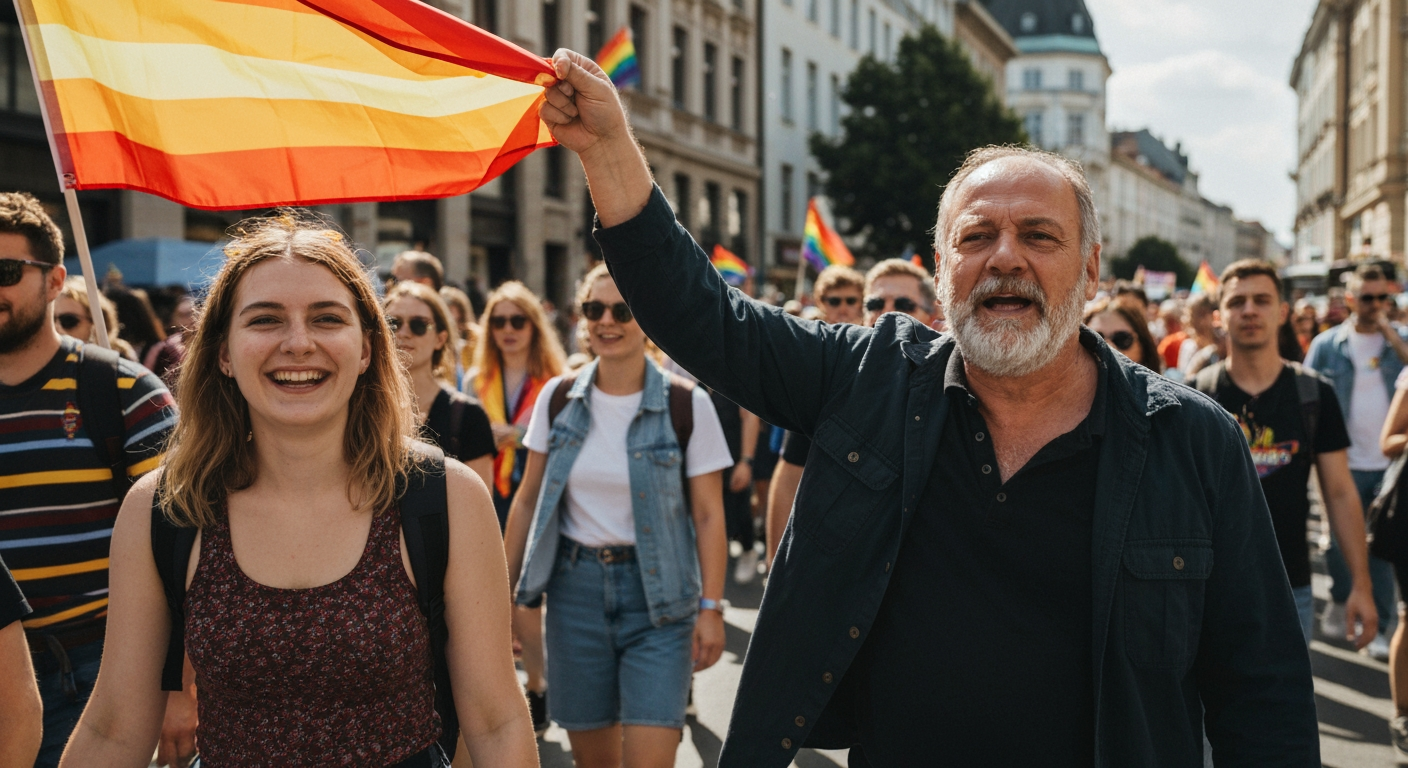
Europe's LGBTQ+ Rights: A Continent Divided by Progress and Persistent Challenges
Europe presents a complex and often contradictory landscape for LGBTQ+ rights, marked by significant strides toward equality in some nations while others experience stagnation or even regression. From robust legal...

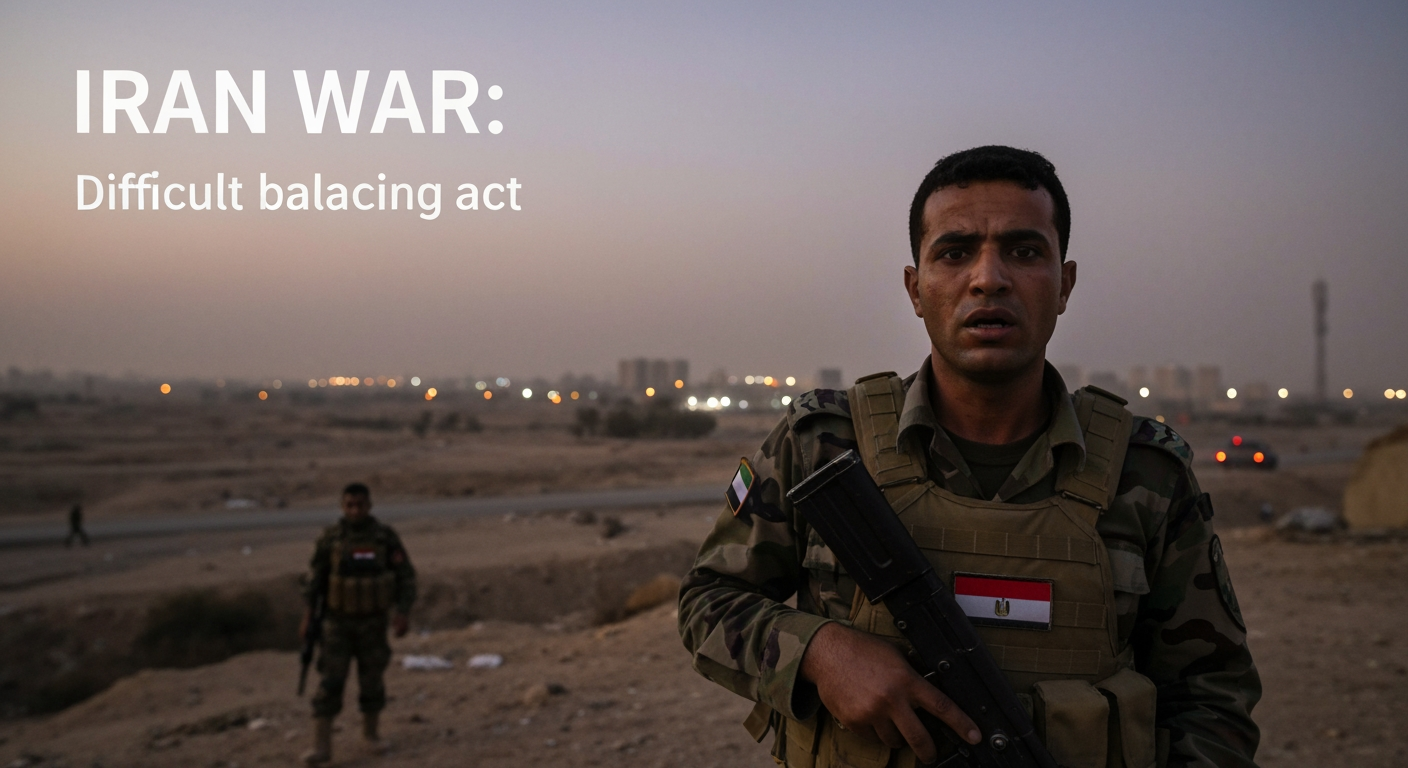
Egypt Navigates Perilous Waters in Iran Conflict: A Delicate Balancing Act
Cairo finds itself ensnared in a complex geopolitical web as tensions escalate in the ongoing conflict involving Iran, necessitating a precarious balancing act between regional alliances, economic imperatives, and...

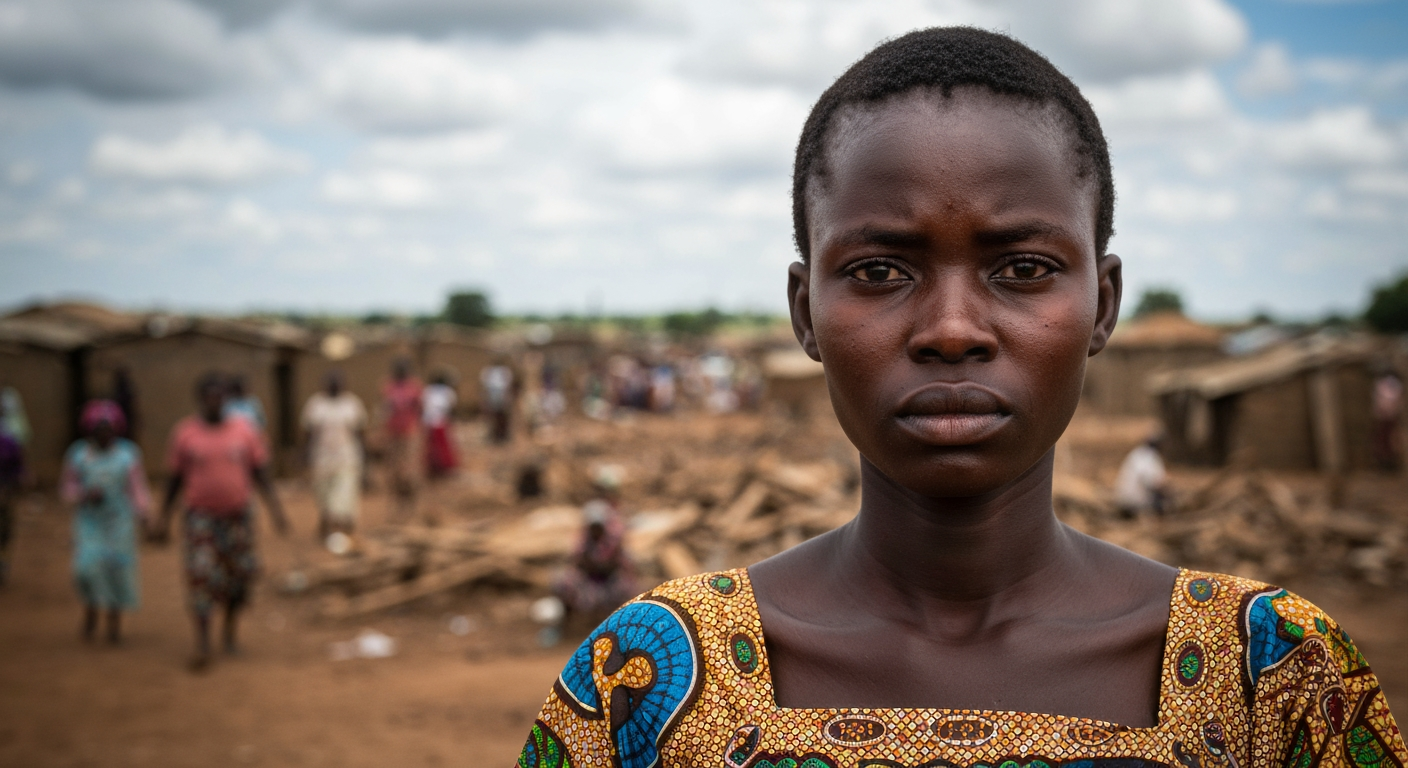
Two Decades Erased: Ugandans Flee South Africa as Xenophobia Tears Lives Apart
Johannesburg, South Africa – For thousands of foreign nationals who built their lives in South Africa over decades, the dream of a stable future has abruptly shattered, forcing them to abandon everything they knew. Amid...