Tragedy Strikes Turkish Schools: Four Dead in Kahramanmaraş Shooting Amid Rising Concerns

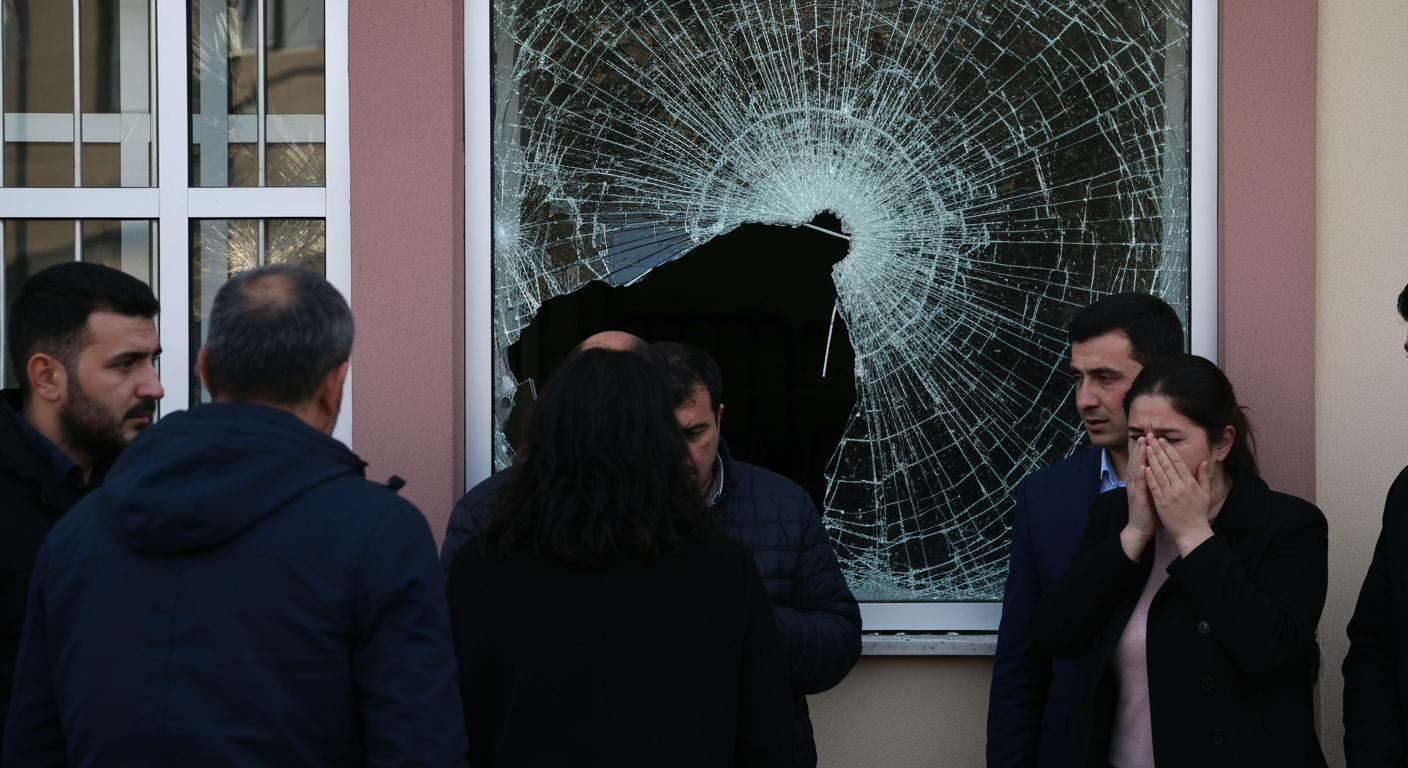
A wave of shock and grief swept across Turkey on Wednesday as a school shooting in Kahramanmaraş left four individuals dead and 20 wounded. The tragic event, where a middle school student opened fire, marks a deeply concerning escalation in school violence, coming just one day after a separate shooting incident in Şanlıurfa injured 16 people. The back-to-back attacks have shattered the perception of Turkish schools as safe havens and ignited urgent conversations about institutional security and the nation's stringent gun control measures.
Kahramanmaraş Confronts Unthinkable Loss
The quiet routine of a middle school in Kahramanmaraş province was violently interrupted on Wednesday when a student initiated a shooting that resulted in four fatalities and twenty injuries. Authorities have confirmed the casualties, sending emergency services scrambling to the scene to transport the wounded to nearby hospitals. Details regarding the shooter's identity, precise motive, and the exact sequence of events remain sparse as the investigation is in its early stages. Local authorities have yet to release comprehensive information, but the gravity of the situation has prompted a rapid response from security forces and government officials. Some of the injured are reportedly in critical condition, adding to the somber atmosphere pervading the community. Interior Minister Ali Yerlikaya affirmed that a full investigation is underway, with efforts focused on securing the area and providing support to affected families.
A Preceding Shadow: The Şanlıurfa Incident
The Kahramanmaraş tragedy unfolded just hours after another school shooting incident the previous day in Siverek, a district within Turkey's southeastern Şanlıurfa province. On Tuesday, April 14, an 18- or 19-year-old former student opened fire with a shotgun at the Ahmet Koyuncu Vocational and Technical Anatolian High School, wounding 16 people before taking his own life. The victims in the Şanlıurfa attack included ten students, four teachers, a police officer, and a cafeteria worker.
Reports indicate the assailant fired indiscriminately in the school corridor and then moved into classrooms, causing panic among students who sought escape, with some jumping from windows. Prior to the attack, the former student had reportedly issued threats on social media, though the specific motive behind the shooting remains unclear. Special security forces swiftly responded, evacuating the school and cornering the attacker, who subsequently died by suicide with the same shotgun used in the assault. While most of the wounded received treatment locally, five individuals with more serious injuries were transferred to a hospital in the provincial capital for advanced medical care.
Unprecedented Frequency and Strict Gun Laws
These consecutive school shootings represent a stark departure from Turkey's typical experience with educational violence. School shootings are considered exceptionally rare in the country, a reality often attributed to the nation's strict gun control laws. Turkish law mandates a licensing-based framework for firearm ownership, requiring rigorous eligibility screening, administrative approval, registration, and safe storage protocols. Penalties for illegal possession, carrying without a permit, or importing prohibited weapons are severe, involving custodial sentences rather than mere fines. The rarity of such incidents has historically been a point of distinction for Turkey when compared to many other nations.
However, despite these stringent regulations, a May 2024 incident where a former student killed a private high school principal in Istanbul had already sparked debate and calls for increased school safety measures. That event, occurring just months prior, now appears as a disturbing precursor to the recent outbreaks of violence. The current back-to-back shootings have intensified public anxiety and prompted officials to re-evaluate school security protocols nationwide.
Societal Ripples and Calls for Enhanced Security
The recent incidents have sent profound ripples through Turkish society, sparking widespread public debate and calls for immediate action. The general public and educational stakeholders alike are grappling with the sudden and alarming rise in school violence, traditionally a phenomenon more commonly associated with other parts of the world. While Turkish officials, including Governor Hasan Sildak of Şanlıurfa, initially described the Tuesday shooting as an isolated incident, the rapid succession of the Kahramanmaraş tragedy has underscored a potentially shifting landscape.
President Recep Tayyip Erdoğan is expected to address the nation regarding these events, reflecting the high-level concern. The focus now turns to how authorities will respond to ensure the safety and security of students and educators across the country. Discussions are anticipated to center on bolstering security measures within school premises, potentially including enhanced surveillance, increased personnel, and revised emergency response plans. Beyond physical security, there may also be renewed attention on the underlying factors contributing to youth violence, such as mental health support, bullying prevention, and the socio-economic pressures that can impact young individuals. Existing research highlights that violence, including physical and verbal forms, has been a concern within Turkish schools, though mass shootings have been an anomaly. The unprecedented nature of these recent shootings indicates a pressing need for a comprehensive and multi-faceted approach to address the burgeoning challenge of school safety in Turkey.
A Nation Grapples with a New Reality
The events of the past two days have irrevocably altered the narrative of school safety in Turkey. From a nation where school shootings were almost unheard of, the tragic loss of four lives in Kahramanmaraş, following closely on the heels of the Şanlıurfa attack, has introduced a chilling new reality. The collective shock is palpable, as communities mourn the dead and injured, and parents nationwide express profound concern for the well-being of their children. The swift and brutal nature of these incidents has compelled the nation to confront an urgent challenge, demanding not only a thorough investigation into the immediate causes but also a comprehensive re-evaluation of how to protect its most vulnerable population within educational institutions. The coming days and weeks will undoubtedly be critical in shaping Turkey's response to this sudden and devastating escalation of school violence.
Related Articles

Cuba Vows Fierce Defense Amid Escalating U.S. Tensions
HAVANA – Cuban President Miguel Díaz-Canel has issued a stark warning to the United States, declaring that the island nation is prepared to mount a fierce defense against any military aggression, including potential...

Pope Leo XIV Condemns 'Delusion of Omnipotence' Fueling International Conflict
VATICAN CITY – Pope Leo XIV has issued a stern condemnation of what he termed a "delusion of omnipotence" driving the U.S.-Israeli war in Iran, delivering a powerful message against leaders who prioritize conflict over...