Nuba Mountains: A Fragile Refuge on Sudan's Volatile Frontline

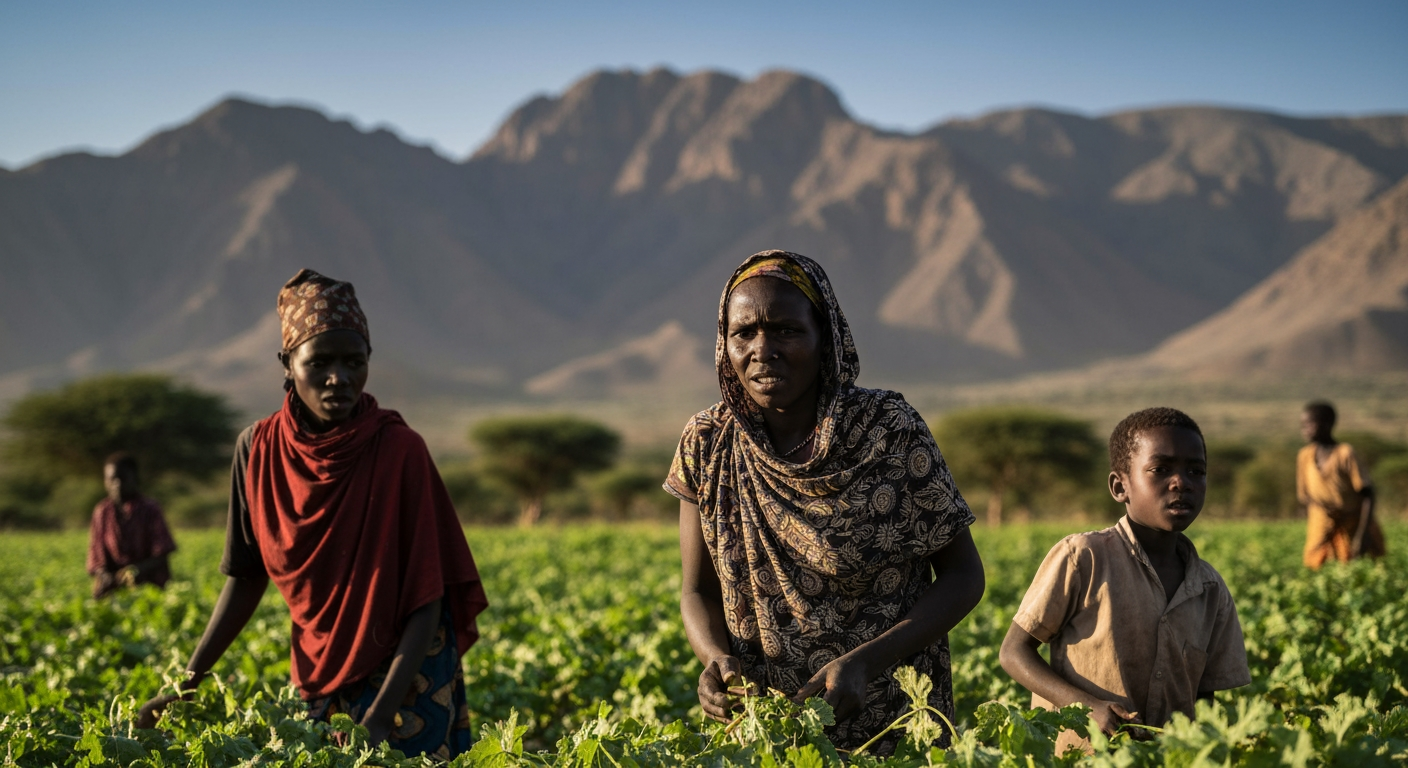
The Nuba Mountains, a rugged and historically embattled region in southern Sudan, finds itself once again at a critical juncture, transformed into a precarious sanctuary for hundreds of thousands fleeing the nation's escalating civil war. Once a flashpoint of brutal conflicts, the area now serves as a reluctant haven, grappling with an overwhelming influx of displaced populations while navigating a new and controversial alliance that threatens to unravel its fragile stability. The destiny of this diverse land and its people, long subjected to cycles of violence and marginalization, increasingly holds significant implications for the wider Sudanese conflict.
A Land Forged in Conflict: A History of Marginalization and Resistance
Situated across Sudan's Southern Kordofan and Blue Nile states, the Nuba Mountains are home to a diverse array of ethnic groups collectively known as the Nuba people. Their identity has been forged through centuries of shared oppression and resistance against central government policies. Historically, the Nuba have been subjected to discrimination, land alienation, and systematic assaults, including targeted campaigns and declarations of "jihad" by Sudanese government forces and allied militias since the 1980s. These campaigns intensified significantly after the National Islamic Front took power in 1989, leading to killings, village destruction, and forced relocations, as documented in reports like "Eradicating the Nuba".
During Sudan's second civil war (1983-2005), the Nuba people largely allied with the Sudan People's Liberation Movement/Army (SPLM/A) in the South, fighting for equality and self-determination. Despite their significant contributions, the Nuba Mountains were notably excluded from key provisions of the 2005 Comprehensive Peace Agreement (CPA), which ended the North-South conflict, and were denied a self-determination referendum akin to South Sudan's 2011 vote. This exclusion, combined with perceived rigging of 2011 gubernatorial elections, reignited conflict in June 2011 between the Sudanese Armed Forces (SAF) and the Sudan People's Liberation Movement-North (SPLM-N), the Nuba-based rebel group that emerged from the SPLM/A. The SPLM-N, led by Abdel Aziz al-Hilu, has since controlled significant portions of the Nuba Mountains, operating as a de facto autonomous administration.
From Warzone to Precarious Sanctuary: The Current Landscape
Until recently, the Nuba Mountains remained one of Sudan's most dangerous areas, frequently subjected to bombardment by the Sudanese military. However, the outbreak of the civil war between the Sudanese Armed Forces (SAF) and the Rapid Support Forces (RSF) in April 2023 dramatically shifted dynamics. While other parts of Sudan descended into widespread chaos, the SPLM-N-controlled areas of the Nuba Mountains were largely spared the worst of the direct fighting between the two main belligerents. This relative respite, coupled with the ongoing violence elsewhere, has inadvertently transformed the Nuba Mountains into a critical destination for internally displaced people (IDPs).
An estimated 700,000 to possibly 1 million IDPs have sought refuge in the Nuba Mountains since April 2023, arriving from conflict-affected cities like Khartoum, Omdurman, and El Obeid. This massive influx has swelled the region's population, which was around 1.2 million before the war, to an estimated 3.9 million people, effectively tripling its size. For many, the rugged terrain and the established presence of the SPLM-N offered a perceived haven from the brutality elsewhere, a stark contrast to the region's own violent past.
A Deepening Humanitarian Catastrophe
Despite its newfound role as a refuge, the Nuba Mountains face an escalating humanitarian catastrophe. Even before the mass displacement, the region was grappling with severe food shortages exacerbated by a poor rainy season and a plague of locusts in 2023. The sudden and massive influx of IDPs, combined with the closure of vital trade routes to the north due to the broader conflict, has pushed the region to the brink.
Local authorities and aid organizations warn that over 3 million people in the Nuba Mountains are now at risk of starvation. Access to basic necessities such as food, clean drinking water, and medicine is severely limited. Conditions in displacement camps are dire, with reports of children dying from hunger. The region's sole referral hospital, Mother of Mercy, run by American missionary Dr. Tom Catena, is overwhelmed, reflecting a situation described as the worst in 15 years. Aid delivery remains a significant challenge, with the Sudanese government frequently restricting access, and the overall humanitarian situation in Sudan often described as a "humanitarian desert" due to difficulties faced by aid groups.
The Shifting Sands of Alliance and Renewed Threats
Adding another layer of complexity and concern, the SPLM-N announced a surprise alliance with the Rapid Support Forces (RSF) in February 2025. This development, described as the biggest rebel coalition in Sudanese history, grants the RSF strategic territory and provides the SPLM-N with newfound political leverage, along with access to resources like vehicles and weapons.
However, this alliance comes with profound risks. The RSF, widely accused of committing atrocities, including war crimes against Nuba communities between December 2023 and March 2024, now finds itself allied with its former victims. Survivors of massacres are forced to live alongside their tormentors in displacement camps and villages, raising deeply unsettling questions about justice and reconciliation. Furthermore, the alliance has intensified fighting between the RSF and SAF in the area, leading to increased drone strikes that have impacted schools and hospitals. This strategic shift threatens to bring instability and new waves of displacement, potentially inviting more SAF aerial attacks on SPLM-N-controlled areas and further exacerbating the already dire humanitarian situation.
A Future Hanging in the Balance
The Nuba Mountains, a historical symbol of resilience, has become a microcosm of Sudan's broader crisis. It is a region caught between the crushing weight of a humanitarian disaster and the volatile currents of a shifting conflict. While it has offered a desperate refuge for many, its own internal stability is now increasingly under threat. The ability to navigate the complex implications of its new alliances, secure unfettered humanitarian access, and ultimately achieve a lasting political settlement will be crucial not only for the survival of its people but also for charting the course of Sudan's future. Without immediate and sustained international attention, the fragile refuge of the Nuba Mountains risks succumbing to the very conflicts its people sought to escape.
Related Articles


Iran's Geopolitical Calculus: Examining Justifications Amidst Global Scrutiny
In an increasingly complex global landscape, Iran consistently articulates a multifaceted rationale for its core policies, particularly its nuclear program, ballistic missile development, and regional engagement. These...


India's Small Businesses Caught in the Hormuz Squeeze as Crisis Escalates
New Delhi, India – India's vast landscape of Small and Medium Enterprises (SMEs), a critical engine of the nation's economic growth and employment, is grappling with severe headwinds stemming from the escalating crisis...


Germany and Israel Grapple with Widening Rift as Merz's Gaza Criticism Sparks Diplomatic Firestorm
A foundational pillar of post-World War II diplomacy is facing its most profound test as German Chancellor Friedrich Merz has delivered an unprecedented and forceful public rebuke of Israel's military conduct in Gaza,...