Milano Cortina 2026: A Complex Legacy Unfolds Across Italy


The XXV Olympic Winter Games in Milano Cortina, Italy, have concluded, leaving behind a tapestry of athletic achievement, innovative organizational approaches, and a multifaceted legacy that promises to reshape northern Italy for years to come. From February 6 to February 22, 2026, the Games, spread across a vast geographical area, aimed to set new benchmarks for sustainability and community benefit, while also navigating a series of challenges and controversies that underscore the evolving nature of mega-events.
The decision to co-host the Games across Milan and Cortina marked a historic first for the Winter Olympics, distinguishing this edition as the most geographically dispersed in Olympic history. This distributed model, leveraging existing infrastructure and diverse regional strengths, was central to the organizers' vision of a sustainable and impactful event. Now, as the Olympic flame has been extinguished, the true measure of these ambitious goals begins to emerge, revealing a narrative of both significant gains and persistent questions about the enduring impressions left on the host nation.
A New Blueprint for Olympic Legacy
Central to the Milano Cortina 2026 narrative was a deliberate shift towards a more flexible Olympic model, emphasizing the maximization of existing venues and the acceleration of long-term regional development plans. Organizers proudly stated that 85 percent of competition venues were either existing or temporary, significantly reducing the need for new construction. This approach, aligned with the International Olympic Committee's (IOC) Olympic Agenda reforms, sought to embed the Games within Italy's existing winter sports heritage and address specific community needs.
Economically, the Games are projected to deliver a substantial boost, with estimates from Bocconi and Ca' Foscari Universities suggesting a net economic impact exceeding EUR 5 billion for Italy and the creation of approximately 36,000 new jobs. Investments spurred by the Games accelerated existing regional plans, leading to improvements in transport links, healthcare, digital connectivity, and the energy resilience of mountain communities. For example, the Olympic Village in Milan's Porta Romana district is set to transform into sustainable student housing after the Games, demonstrating a tangible post-event use for new constructions. Local businesses, particularly small and medium-sized enterprises (SMEs), also benefited from programs like "Impact 2026," which directed over EUR 1.77 million in Games-related procurement to local social and micro-enterprises. Beyond direct spending, a tourism surge, estimated at $1.4 billion in the 12 to 18 months following the Games, is anticipated to be driven by renewed global visibility.
The Green Games: Ambition Meets Reality
Milano Cortina 2026 championed an ambitious sustainability agenda, aiming for a "green games" through various initiatives. Organizers pledged that virtually all electricity powering event venues would be 100 percent renewable, secured through certified sources. A low-carbon transport plan targeted a 20 percent reduction in cars compared to the Turin 2006 Games, prioritizing trains and shuttles, and new charging infrastructure for electric vehicles was implemented. Efforts were also made to promote a circular economy by aiming to recycle 70 percent of urban waste and reuse approximately 24,000 items from the Paris 2024 Games.
Despite these declared intentions, the environmental footprint of the Games faced scrutiny. Concerns were raised over the construction of some new infrastructure, particularly the decision to rebuild the bobsled, luge, and skeleton track in Cortina despite IOC recommendations to use existing facilities in neighboring countries. This project alone involved felling an estimated 500 trees and requires 22 million liters of water annually for operation. Additionally, the use of artificial snow, while essential for consistent competition in the face of dwindling natural snowfall, consumes significant water and energy resources. Reports also highlighted that over 60 percent of new infrastructure construction began without environmental impact assessments, cutting through protected areas and drawing criticism from civil society organizations.
Beyond the Podium: Social Tapestry and Cultural Resonance
The Games sought to create a lasting social impact, encapsulated by the "Together" legacy approach which focused on seven key pillars: Sport and Physical Activity, Gender Equality and Inclusion, Accessibility, Skills, Mobility, Environment, and Health and Healthcare. Initiatives like the Gen26 Education Programme engaged 1.5 million students in Olympic and Paralympic activities, while "Italia dei Giochi" involved over five million people nationwide in community sport events, aiming to inspire active lifestyles. The Games also marked a significant step forward for gender balance, featuring a record 50 women's events and women making up 47 percent of the athletes.
Volunteerism played a crucial role, with more than 18,000 individuals trained and contributing to the event's success, gaining valuable skills and experience for future endeavors. The transformation of Olympic villages, particularly the Milan site into student housing, exemplifies a forward-thinking approach to urban regeneration and meeting community needs beyond the sporting spectacle. The Games also served as a platform for cultural exchange, with the visual identity celebrating Italian artistry and a strong focus on Italian spirit, aiming to connect beauty, athleticism, and memory.
Sporting Drama and Evolving Traditions
On the fields of play, Milano Cortina 2026 delivered its share of memorable moments and showcased the pinnacle of winter sports. Iconic athletes such as American alpine skiing sensation Mikaela Shiffrin, who secured another gold medal in slalom, and speed skater Jordan Stolz, who set Olympic records, reaffirmed their dominance. Cross-country skiing also saw strong performances, with Team USA earning multiple medals, including a silver in the team sprint. The Games also introduced ski mountaineering as a new Olympic sport, reflecting the evolving landscape of winter athletics.
However, the event was not without its controversies beyond the environmental debate. Allegations of corruption concerning sponsor selection emerged, alongside infrastructural delays in venues. Geopolitical tensions also surfaced, with reports of Russian-origin cyberattacks targeting Olympic websites and protests against the presence of US Immigration and Customs Enforcement (ICE) agents. Sporting controversies included a Ukrainian athlete being disqualified for a helmet adorned with political statements, and highly publicized "boopgate" allegations in curling, where Canadian athletes were accused of touching stones after release, leading to calls for increased officiating.
The Enduring Echoes of Milano Cortina
The Milano Cortina 2026 Winter Olympics, by design and circumstance, will be remembered as a pivotal moment in the evolution of the Games. It was an event that embraced a distributed model, emphasized sustainability and legacy planning, and achieved notable success in economic stimulation and social engagement. The commitment to using existing venues and transforming new constructions for long-term community benefit offers a potential blueprint for future Olympic hosts.
Yet, the controversies surrounding environmental impacts, logistical challenges, and geopolitical undercurrents serve as a crucial reminder of the inherent complexities in hosting events of this magnitude. The lasting impressions of Milano Cortina 2026 will undoubtedly be a mix of its ambitious successes in redefining the Olympic legacy model and the lessons learned from its multifaceted challenges, all contributing to the ongoing dialogue about the future of global sporting events.
Related Articles

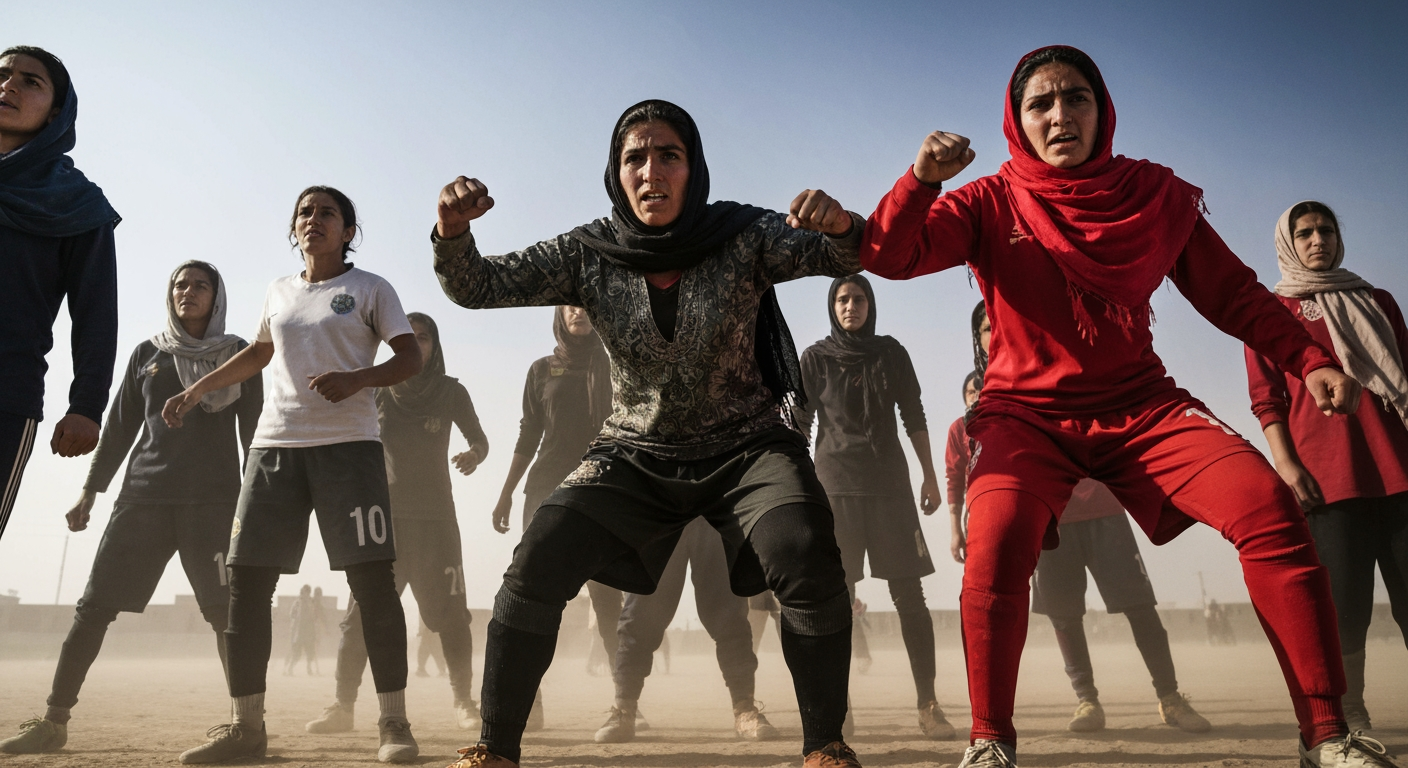
Afghan Women's Football Team Forges a Path Back to the Global Stage
After years of exile and uncertainty, the Afghanistan women's national football team is once again making strides toward international competition, marking a significant victory for resilience and human rights. Despite the Taliban's sweeping ban on women's sports following their 2021 takeover, a newly formed refugee team, "Afghan Women United," has commenced participation in international tournaments, symbolizing an unyielding defiance against oppression and a testament to the power of sport


Escalating Tensions Raise Security Questions for Mexico's 2026 World Cup Aspirations
Recent widespread violence following the death of a prominent cartel leader has cast a shadow of uncertainty over Mexico's preparations to co-host the 2026 FIFA World Cup, triggering international concern and prompting urgent security reassessments. With less than four months until the tournament commences, a wave of retaliatory attacks, marked by blockades, arson, and armed confrontations, has unfolded across multiple states, particularly impacting Guadalajara, one of the designated host cities

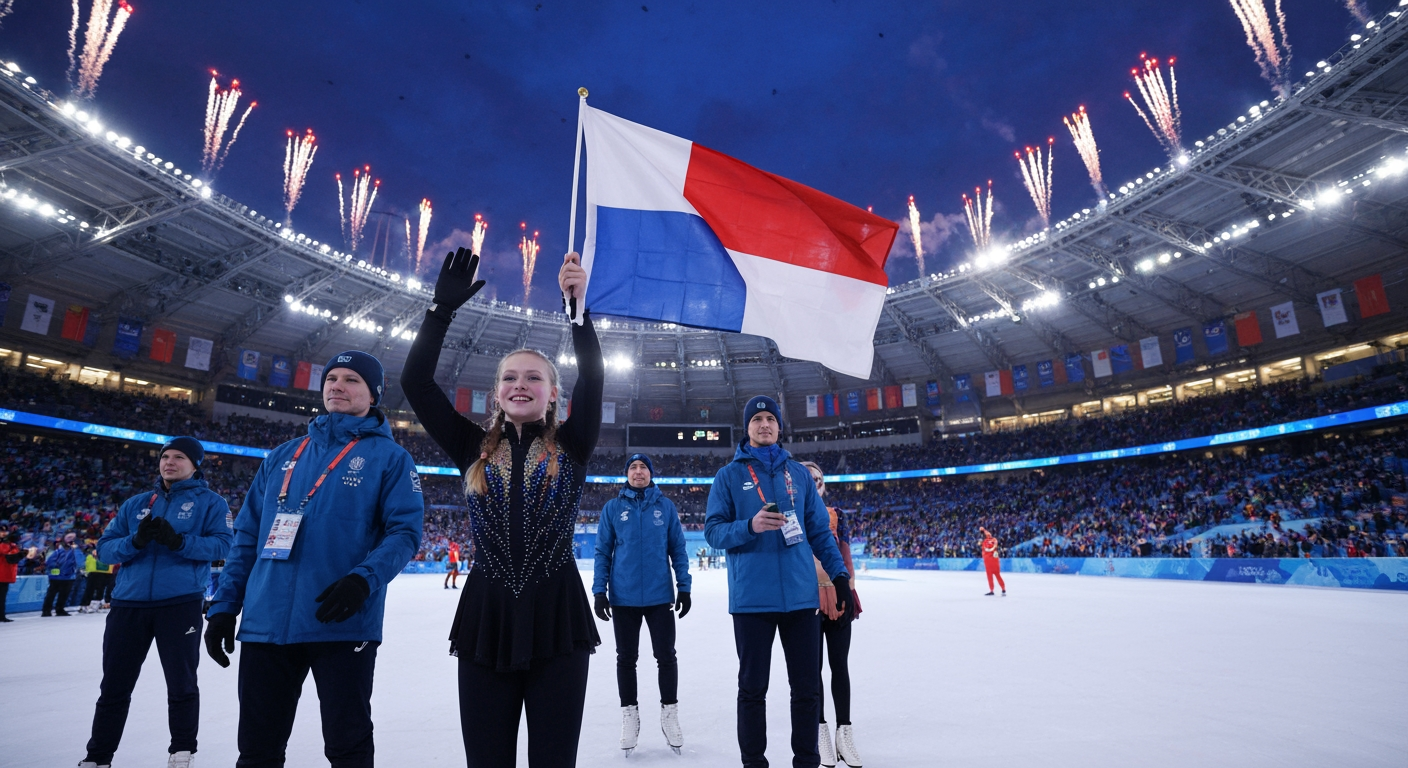
Italian Alps Bid Farewell: Milan Cortina 2026 Concludes with Spectacle of Unity and Legacy
VERONA, ITALY – The grandeur of the Verona Arena bore witness this evening to the poignant closing ceremony of the XXV Winter Olympic Games, bringing to a close 17 days of exhilarating competition and cultural celebration across Northern Italy. Under the theme "Beauty in Action," the ceremony served as a vibrant testament to athletic achievement, international camaraderie, and Italy's commitment to a sustainable future, culminating in the traditional extinguishing of the Olympic flame