Afghan Women's Football Team Forges a Path Back to the Global Stage

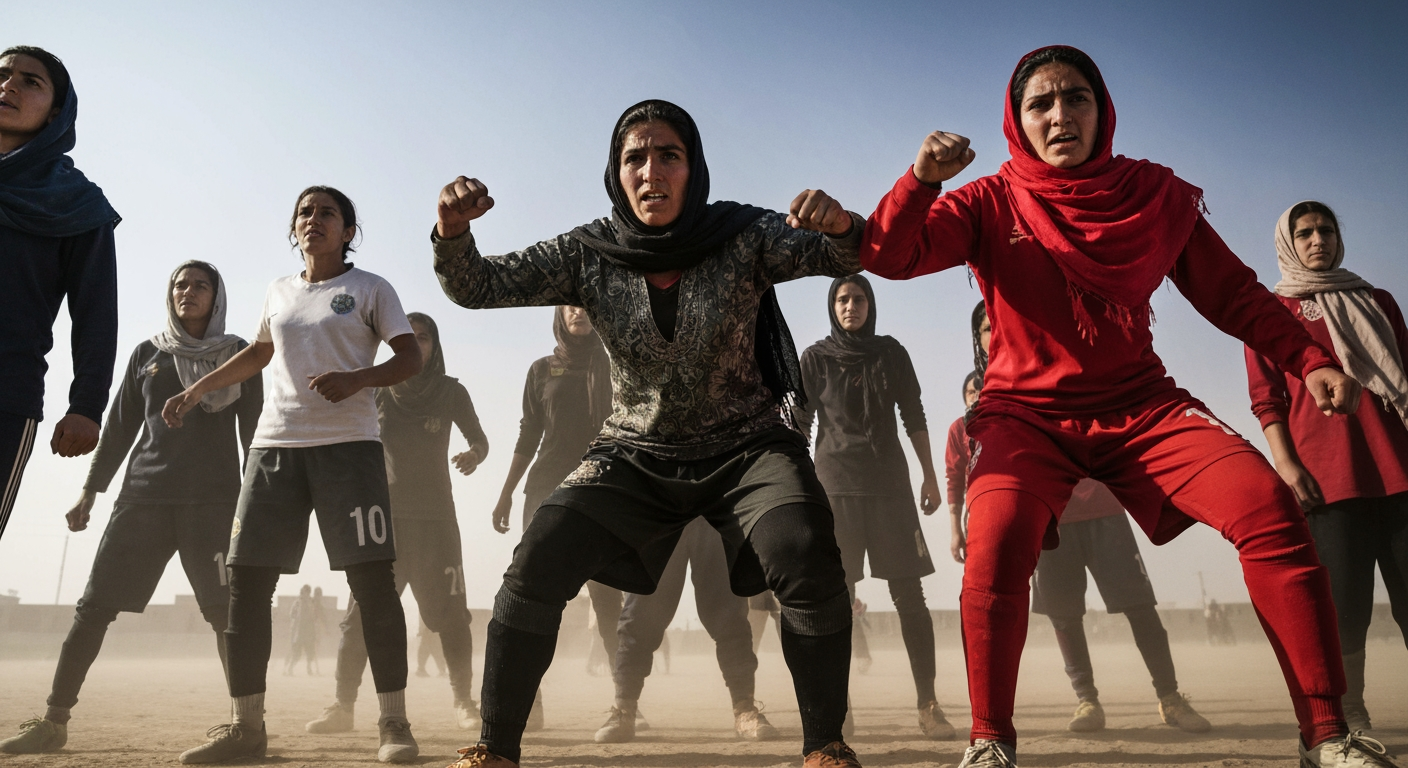
After years of exile and uncertainty, the Afghanistan women's national football team is once again making strides toward international competition, marking a significant victory for resilience and human rights. Despite the Taliban's sweeping ban on women's sports following their 2021 takeover, a newly formed refugee team, "Afghan Women United," has commenced participation in international tournaments, symbolizing an unyielding defiance against oppression and a testament to the power of sport. Their recent appearance on the field represents a historic return to the global stage, offering a powerful message of hope and determination to women worldwide.
A Resurgent Spirit on the Pitch
The triumphant return saw "Afghan Women United" compete in the FIFA Unites tournament in Morocco in late 2025. This marked their first international appearance since the Taliban's resurgence effectively halted women's sports in their home country. While initial matches, such as a 6-1 loss to Chad, might not reflect immediate sporting dominance, the very act of playing was considered a profound victory for the athletes. This team, comprising displaced Afghan women footballers, showcased an inspiring display of courage and determination, with subsequent matches scheduled against Tunisia and Libya. Former national captain Khalida Popal lauded the moment as "historic," acknowledging FIFA's crucial support for the women's right to play, while FIFA President Gianni Infantino praised their participation as a "beautiful story" of resilience and representation.
The Fall and Forced Exodus
The journey to this symbolic return has been fraught with immense peril and personal sacrifice. The Taliban's return to power in Afghanistan in August 2021 ushered in a strict regime that systematically dismantled women's rights, including a categorical ban on female participation in sports. This decree forced countless female athletes, including the entire national football team, to flee their homeland, fearing persecution and the permanent end of their sporting dreams. Most members of the former national team found refuge abroad, with many resettling primarily in Australia, where they have continued to advocate for their right to play and represent their nation. The abrupt halt to their careers was particularly devastating as the team had been preparing for the qualifiers for the AFC Women's Asia Cup, with aspirations of reaching the Women's World Cup, just prior to the Taliban's takeover.
FIFA's Commitment and Support in Exile
In response to the dire situation, FIFA has demonstrated a significant commitment to supporting Afghan female athletes. The international football governing body has officially pledged to reinstate the Afghanistan Women's National Football Team, outlining a comprehensive program focused on three key areas. This strategy includes supporting female footballers who remain in Afghanistan by collaborating with domestic human rights organizations, undertaking diplomatic efforts to advocate for the gradual lifting of bans on women's sports, and crucially, providing extensive support for Afghan female footballers in exile. For those who fled, FIFA is organizing training camps, friendly matches, and professional coaching to ensure they remain active in global football. This structured support culminated in the formation and recognition of "Afghan Women United," allowing these athletes to once again compete under a banner that represents their heritage and struggle.
A History of Courage and Ongoing Advocacy
The Afghan women's football team's journey has always been defined by courage. The team itself was formed in 2007, a result of dedicated campaigning by Afghan women who loved football but faced significant societal barriers, often having to disguise themselves as men to play. Even before the 2021 takeover, players like Fatima Yousufi, who at 19 was the national team captain and goalkeeper, recalled the immense challenges, including explosions near their training grounds, yet their spirit remained undeterred. The ongoing struggle of these athletes has garnered widespread international attention and advocacy. Human rights organizations, including Amnesty International, have urged FIFA to fully recognize and support the exiled team, emphasizing that such a move sends a clear message against gender discrimination. The campaign has also received high-profile support from figures such as Pakistani female education activist Malala Yousafzai and a petition that garnered over 180,000 signatures, all pushing for the team's recognition and return to the international stage.
Beyond the Game: A Symbol of Hope
The re-emergence of the Afghan women's football team on the global stage is far more than a sporting event; it is a powerful symbol of resilience, defiance, and the enduring fight for human rights. Their struggle encapsulates the broader challenges faced by women in Afghanistan under the current regime and serves as an inspiration to oppressed communities worldwide. The athletes are not merely playing football; they are using their platform to amplify the voices of Afghan women, advocating for fundamental rights and challenging gender-based restrictions. While significant challenges remain, FIFA's support and the team's unwavering spirit offer a beacon of hope that, through sport, these women can continue to champion freedom and equality, proving that passion and perseverance can transcend political and cultural barriers.
Related Articles

Escalating Tensions Raise Security Questions for Mexico's 2026 World Cup Aspirations
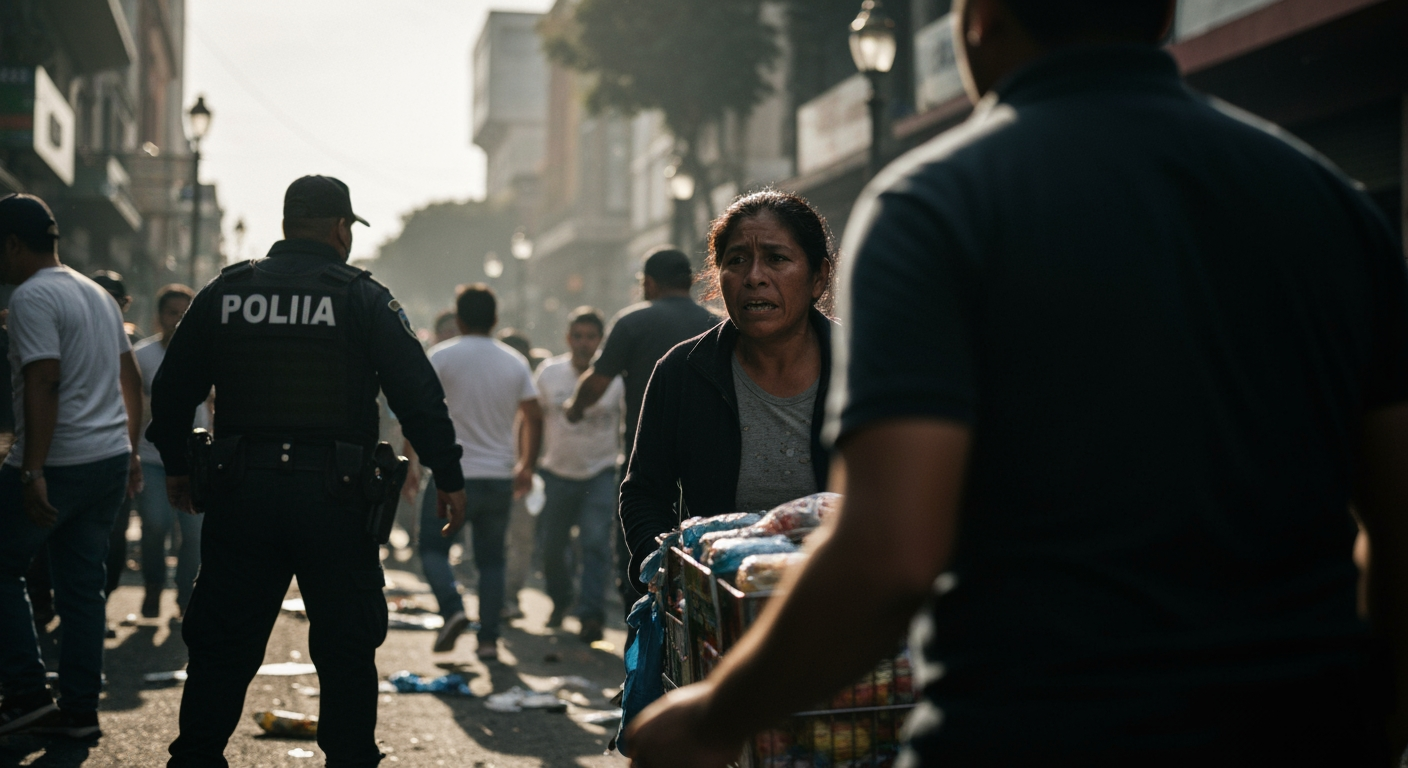
Recent widespread violence following the death of a prominent cartel leader has cast a shadow of uncertainty over Mexico's preparations to co-host the 2026 FIFA World Cup, triggering international concern and prompting urgent security reassessments. With less than four months until the tournament commences, a wave of retaliatory attacks, marked by blockades, arson, and armed confrontations, has unfolded across multiple states, particularly impacting Guadalajara, one of the designated host cities

Italian Alps Bid Farewell: Milan Cortina 2026 Concludes with Spectacle of Unity and Legacy
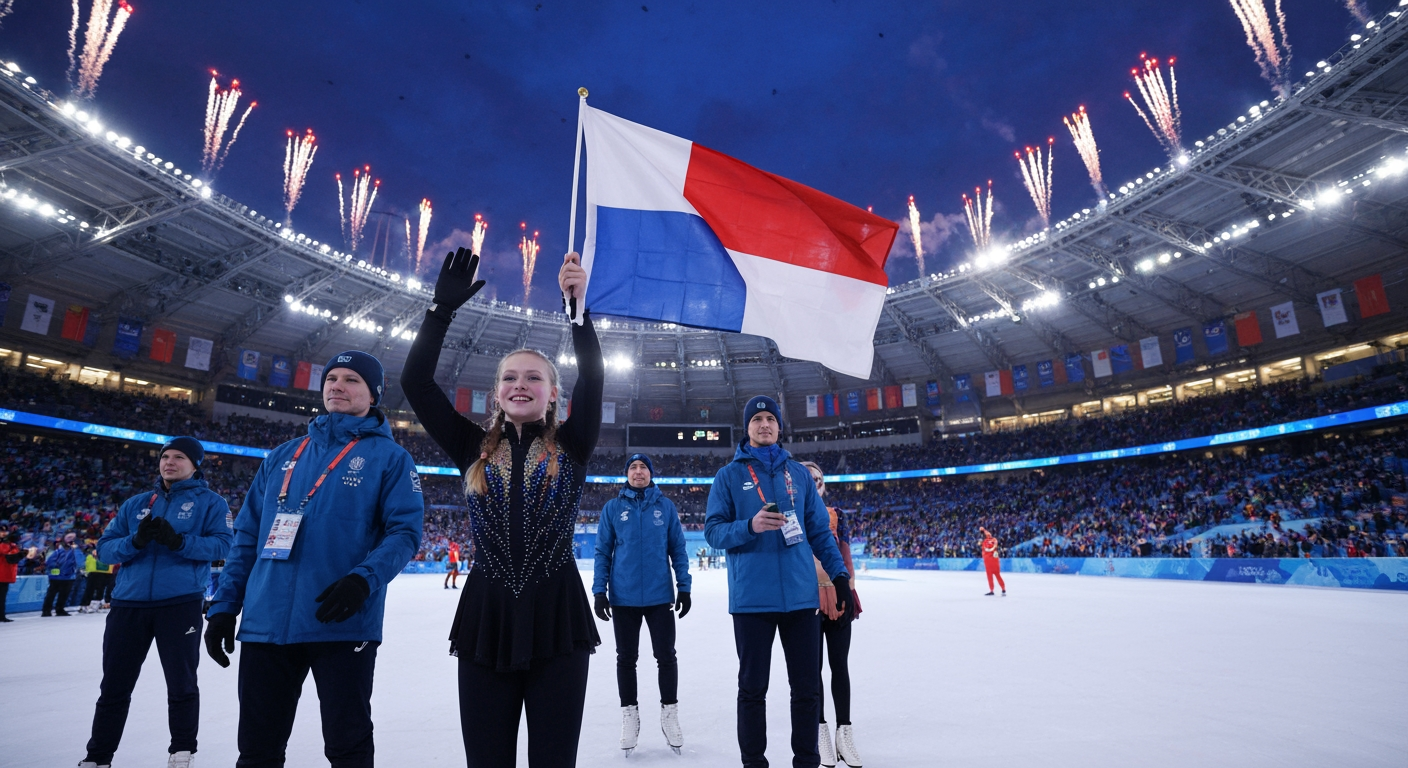
VERONA, ITALY – The grandeur of the Verona Arena bore witness this evening to the poignant closing ceremony of the XXV Winter Olympic Games, bringing to a close 17 days of exhilarating competition and cultural celebration across Northern Italy. Under the theme "Beauty in Action," the ceremony served as a vibrant testament to athletic achievement, international camaraderie, and Italy's commitment to a sustainable future, culminating in the traditional extinguishing of the Olympic flame


Milano Cortina 2026: A Complex Legacy Unfolds Across Italy
The XXV Olympic Winter Games in Milano Cortina, Italy, have concluded, leaving behind a tapestry of athletic achievement, innovative organizational approaches, and a multifaceted legacy that promises to reshape northern Italy for years to come. From February 6 to February 22, 2026, the Games, spread across a vast geographical area, aimed to set new benchmarks for sustainability and community benefit, while also navigating a series of challenges and controversies that underscore the evolving nature of mega-events. The decision to co-host the Games across Milan and Cortina marked a historic first for the Winter Olympics, distinguishing this edition as the most geographically dispersed in Olympic history