Italy's Winter Sports Surge Ignites Home Advantage Debate Ahead of Milan-Cortina 2026

Italy is basking in the glow of a remarkably successful winter sports season, one that has seen its athletes achieve unprecedented highs across various disciplines. This surge in performance has not only captivated the nation but has also intensified discussions about the powerful, often debated, phenomenon of "home advantage" as the country gears up to host the Winter Olympic and Paralympic Games in Milan and Cortina d'Ampezzo in 2026. The recent successes are fueling optimistic predictions, prompting analysts and fans alike to question just how much the familiar slopes and fervent local support could amplify Italy's medal prospects on home soil.
A Season of Italian Triumph and Rekindled Hope
The past winter has been nothing short of extraordinary for Italian winter sports. From the speed skating tracks to the alpine skiing slopes and the intricate courses of sliding sports, Italian athletes consistently delivered podium finishes, marking what many observers are calling one of the nation's most dominant pre-Olympic cycles in recent memory. The Italian contingent secured a record number of medals across World Cups and World Championships, surpassing previous benchmarks set decades ago. For instance, in alpine skiing, Italian racers consistently challenged established powerhouses, while in short-track speed skating and luge, the country's teams demonstrated a depth of talent previously unseen. This collective success has generated a wave of national pride and an infectious optimism, creating a potent narrative leading into the highly anticipated 2026 Games. The improved performance is attributed to a combination of factors, including enhanced national sports funding, targeted athlete development programs, and the emergence of a new generation of highly competitive athletes who have matured just in time for the quadrennial spectacle on their home turf.
The Elusive Edge: Deconstructing Home Advantage
The concept of home advantage, while intuitively understood by sports fans, remains a complex subject of academic and statistical inquiry. In essence, it posits that athletes or teams perform better when competing in their own country or at familiar venues. Numerous studies across various sports disciplines have attempted to quantify this effect, often finding a measurable increase in performance, medal counts, or win percentages for host nations. Several key factors are frequently cited as contributing to this perceived edge. One significant aspect is familiarity with the environment: local athletes often train on the exact facilities, slopes, or ice rinks that will be used for the Games, granting them intimate knowledge of every nuance, curve, and ice condition. This includes adapting to specific local climate conditions, altitude, and even daylight patterns.
Beyond the physical environment, the psychological impact of fervent home crowd support cannot be understated. The roar of thousands of patriotic fans can provide an immense emotional boost, pushing athletes to overcome fatigue, maintain focus, and deliver peak performances under pressure. Conversely, it can also exert a subtle psychological pressure on visiting competitors. Logistical advantages also play a role; host nation athletes benefit from minimal travel, no jet lag, familiar food, and the comfort of sleeping in their own beds or within their home country's support network. This reduces physical and mental stress, allowing for optimal preparation. Finally, the sheer national focus leading up to a home Games often translates into increased governmental and corporate investment in sports programs, training facilities, and coaching staff, creating a long-term uplift in athletic development.
Historical Patterns: When Hosting Pays Off
History offers compelling evidence that hosting the Olympic Games often correlates with a significant boost in a nation's medal haul. Several countries have experienced their most successful Games on home soil, showcasing a pattern that extends across both Summer and Winter editions. For example, Norway, a relatively small nation with a deep winter sports heritage, consistently performs well, but its medal count soared at the 1994 Lillehammer Winter Games. Similarly, Canada achieved an unprecedented medal tally, including a record number of gold medals, at the 2010 Vancouver Winter Games, a stark improvement from previous performances. The United States also saw a substantial increase in its medal count at the 2002 Salt Lake City Winter Games, leveraging both the familiar high-altitude conditions and overwhelming local support.
While the "home advantage" effect is generally acknowledged, its magnitude can vary. It is not an automatic guarantee of success, and some nations have hosted with less dramatic improvements than others. Factors such as the existing strength of a nation's sports programs, the specific sports contested, and the level of domestic investment leading up to the Games all influence the final outcome. Nevertheless, the historical trend suggests that hosting creates a powerful confluence of circumstances that collectively tend to elevate a nation's athletic performance. This phenomenon is often seen as a combination of genuine competitive edge, psychological uplift, and the inspiring atmosphere that galvanizes both athletes and the general populace.
Italy's Path to 2026: Expectations and Preparations
With the Milan-Cortina Games drawing closer, Italy's recent athletic triumphs are setting a high bar for expectations. The national Olympic committee, in conjunction with sports federations, has been meticulously planning for 2026, aiming to capitalize on every potential home advantage. Investments in state-of-the-art training facilities are underway, and targeted programs are designed to refine the skills of promising athletes across a range of winter disciplines. Efforts are also being made to ensure that event venues are perfectly suited to the Italian team's training regimens, allowing for maximum familiarity.
The upcoming Games represent more than just a sporting event; they are a national project. The economic benefits, infrastructural improvements, and the opportunity to showcase Italian culture and hospitality to a global audience are significant drivers. For the athletes, the prospect of competing in front of family, friends, and an entire nation promises both immense pressure and unparalleled inspiration. The challenge will be to channel that pressure into peak performance, harnessing the energy of the home crowd without succumbing to overwhelming expectations. The current momentum, however, provides a strong foundation, suggesting that Italy is not merely hoping for a home advantage but actively building towards maximizing it.
Conclusion: A Potent Blend of Momentum and Opportunity
Italy's remarkable performance in the recent winter sports season has firmly established the nation as a formidable contender for the Milan-Cortina 2026 Winter Games. This pre-Olympic surge, combined with the historical trends surrounding home advantage, sets the stage for what could be a truly memorable quadrennial event for Italian athletes. While the factors contributing to success in elite sports are multifaceted—encompassing talent, rigorous training, and a touch of fortune—the added dimensions of familiar venues, fervent crowd support, and meticulous preparation on home soil undeniably offer a significant edge. As the countdown to 2026 continues, Italy stands at the precipice of a unique opportunity, poised to leverage a powerful blend of athletic momentum and the inherent advantages of hosting to etch a new chapter in its winter sports history.
Related Articles

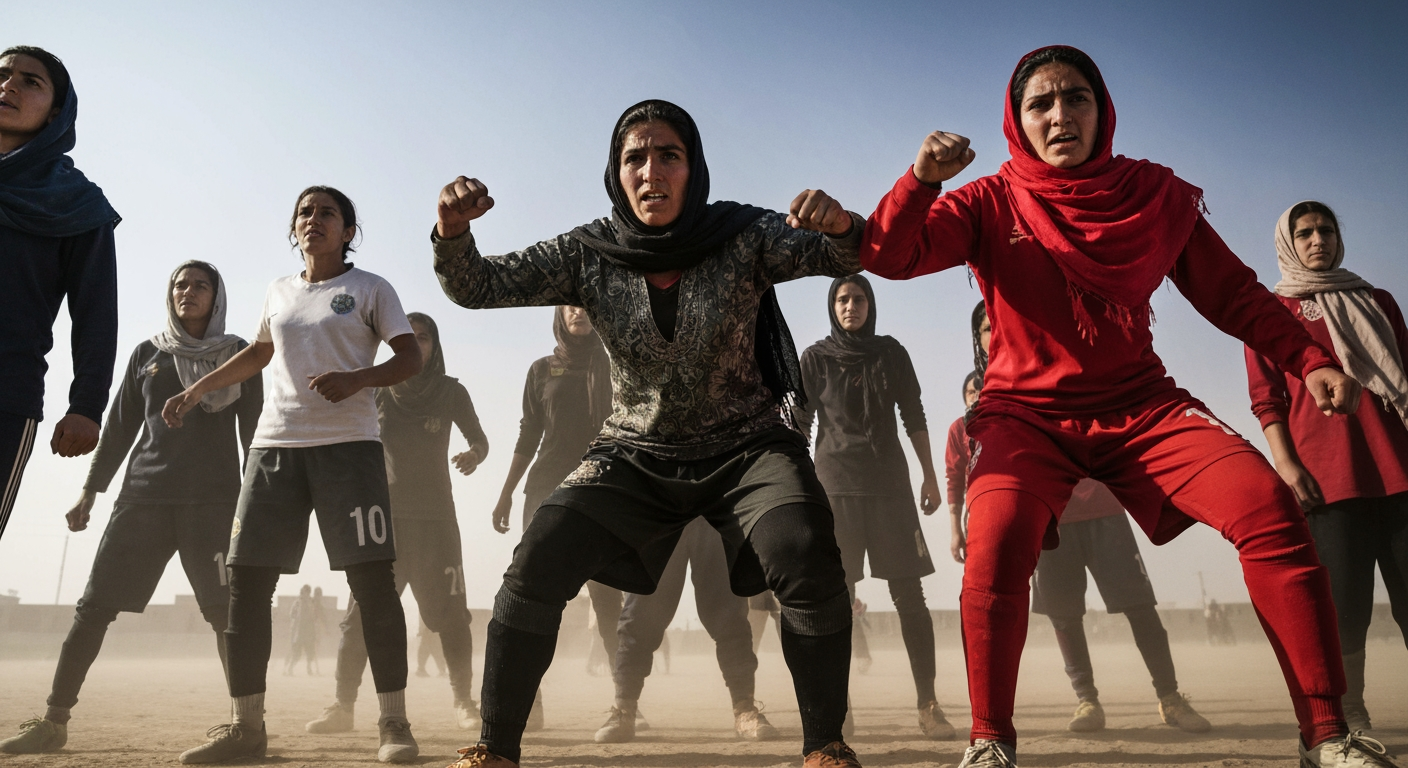
Afghan Women's Football Team Forges a Path Back to the Global Stage
After years of exile and uncertainty, the Afghanistan women's national football team is once again making strides toward international competition, marking a significant victory for resilience and human rights. Despite the Taliban's sweeping ban on women's sports following their 2021 takeover, a newly formed refugee team, "Afghan Women United," has commenced participation in international tournaments, symbolizing an unyielding defiance against oppression and a testament to the power of sport


Escalating Tensions Raise Security Questions for Mexico's 2026 World Cup Aspirations
Recent widespread violence following the death of a prominent cartel leader has cast a shadow of uncertainty over Mexico's preparations to co-host the 2026 FIFA World Cup, triggering international concern and prompting urgent security reassessments. With less than four months until the tournament commences, a wave of retaliatory attacks, marked by blockades, arson, and armed confrontations, has unfolded across multiple states, particularly impacting Guadalajara, one of the designated host cities

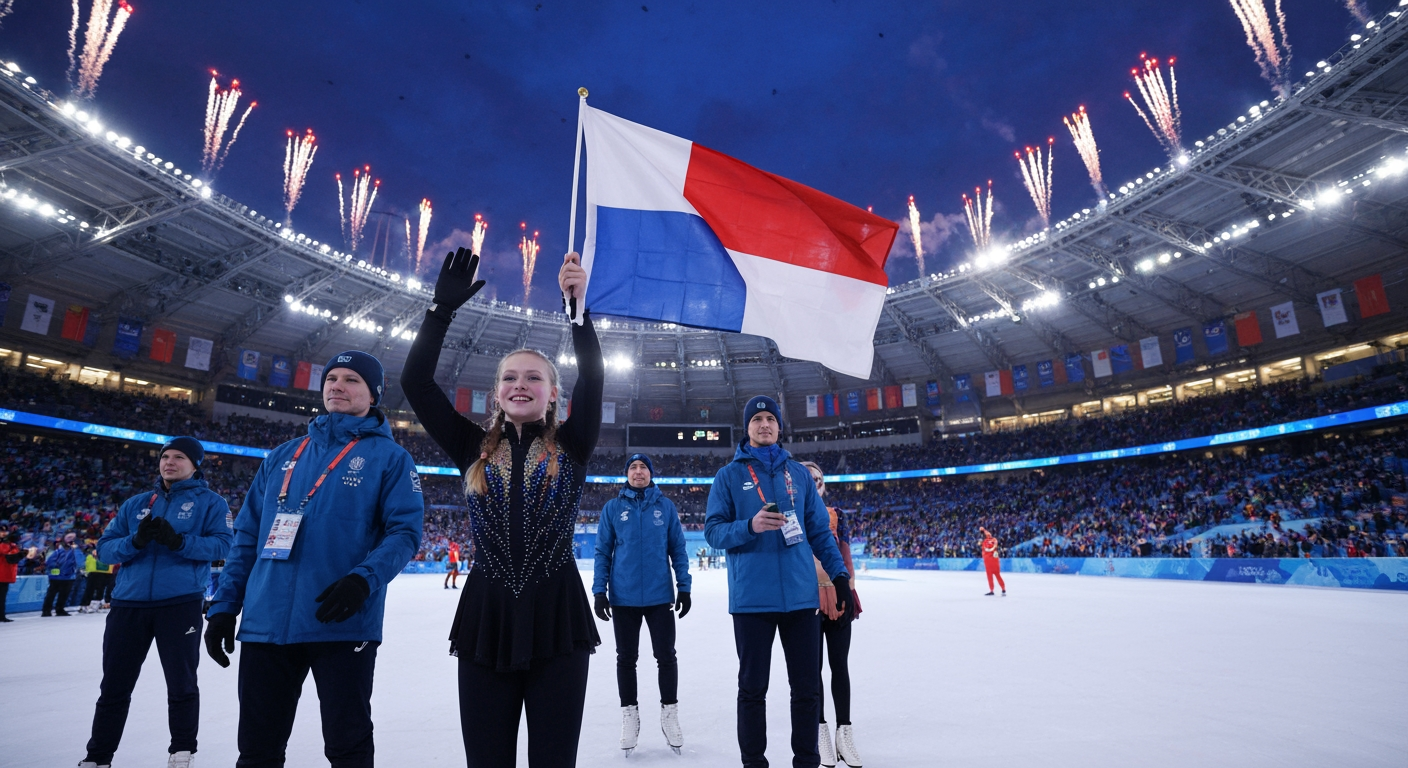
Italian Alps Bid Farewell: Milan Cortina 2026 Concludes with Spectacle of Unity and Legacy
VERONA, ITALY – The grandeur of the Verona Arena bore witness this evening to the poignant closing ceremony of the XXV Winter Olympic Games, bringing to a close 17 days of exhilarating competition and cultural celebration across Northern Italy. Under the theme "Beauty in Action," the ceremony served as a vibrant testament to athletic achievement, international camaraderie, and Italy's commitment to a sustainable future, culminating in the traditional extinguishing of the Olympic flame