Greenland's Olympic Hopefuls Champion Homeland Against Climate Threat
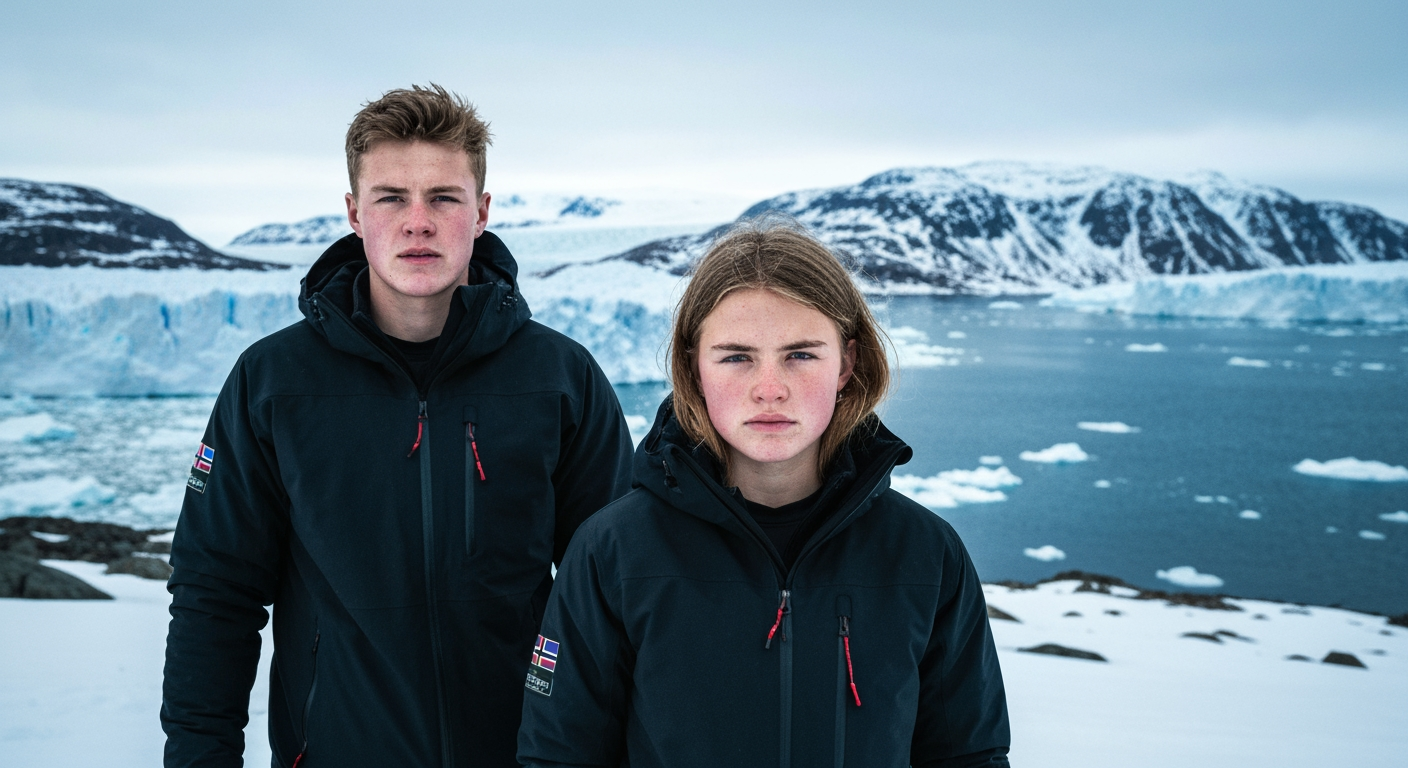
Greenland, a land defined by its majestic ice and unique Arctic culture, faces profound challenges from a rapidly warming planet. At the forefront of raising awareness and advocating for action are biathlete siblings Ukaleq and Sondre Slettemark, who, even as they pursue their Olympic dreams, have become vocal champions for their threatened homeland. Their platform as international athletes provides a compelling voice to the urgent environmental and cultural shifts impacting Greenland, underscoring the deep connection between their sport, their identity, and the fate of their nation.
The Slettemarks, competing under the Danish flag in international biathlon events, embody a generation grappling with the immediate effects of climate change. Greenland, an autonomous territory of Denmark, does not possess its own Olympic committee, leading the siblings to represent the broader Commonwealth. Despite this, their pride in their Greenlandic heritage is evident, and they utilize their visibility to spotlight the environmental crisis unfolding in the Arctic. Their experiences on increasingly snow-scarce training grounds directly reflect the broader ecological changes affecting Greenland, transforming their athletic pursuit into a form of environmental advocacy.
The Shrinking Winter: A Biathlete's Perspective
For winter athletes like Ukaleq and Sondre Slettemark, the signs of a changing climate are undeniable and profoundly personal. The sport of biathlon, which combines cross-country skiing and rifle shooting, relies heavily on consistent cold temperatures and natural snow. Ukaleq Slettemark has openly discussed the diminishing availability of reliable snow, recounting instances of competing on artificial snow or seeing asphalt break through thin snow layers at major competitions. Such observations are not isolated incidents but reflect a global trend where winter sports face shorter seasons and increased operational challenges due to rising temperatures.
The Arctic region, home to Greenland, is warming at a rate approximately four times faster than the rest of the world since 1979, making it a bellwether for global climate change. This accelerated warming directly imperils the very existence of many winter sports. Ukaleq Slettemark has joined initiatives like "Ski Fossil Free," advocating for ethical considerations regarding fossil fuel sponsorships in sports, arguing that such partnerships undermine efforts to preserve the natural conditions essential for winter disciplines. For these athletes, their performance on the snow is inextricably linked to the health of the environment, making their call for climate action both a personal and professional imperative.
Greenland's Melting Heart: A Global Concern
The implications of Arctic warming extend far beyond the realm of professional sports, posing existential threats to Greenland itself and contributing significantly to global environmental instability. The Greenland Ice Sheet, the second-largest body of ice globally, covers approximately 80 percent of the island's surface. This colossal ice mass is experiencing an alarming rate of melt, losing an estimated 234 billion tons of ice annually, a rate seven times faster than in the 1990s.
The scale of this melt carries significant global consequences. Should the entire Greenland Ice Sheet melt, global sea levels are projected to rise by 7.2 to 7.4 meters (approximately 23.6 to 24 feet). Even under optimistic scenarios aligned with the Paris Agreement goals, melting from Greenland's ice could contribute an additional 6 centimeters to global sea level rise by the end of the century. Without substantial reductions in emissions, this figure could more than double. The widespread melting not only elevates sea levels but also introduces freshwater into marine ecosystems, altering ocean stratification and local currents, further impacting delicate Arctic environments.
Cultural Shifts and Economic Pressures
The traditional way of life for Greenlandic communities, particularly the indigenous Inuit population, is under immense pressure due to these environmental transformations. Inuit culture and livelihoods have historically been deeply intertwined with the land and sea, relying on predictable ice conditions for hunting and travel. However, the thinning and delayed formation of sea ice directly threaten traditional hunting practices, such as seal hunting, forcing hunters to travel greater distances into fjords to find prey. This unpredictability of weather and ice conditions makes traditional ecological knowledge, vital for survival and cultural continuity, increasingly challenging to apply.
Beyond hunting, other traditional activities such as dog sledding, which is also an important part of the burgeoning tourism sector, are also impacted by the lack of snow and stable ice. As traditional industries face decline, Greenland is also navigating new economic opportunities presented by the very melting that threatens its way of life. The retreating ice reveals previously inaccessible mineral, oil, and gas reserves, attracting both local and foreign investment. While these resources offer potential for wealth and job creation, they also introduce complex considerations regarding sustainable development and the preservation of Greenland's unique environment and cultural identity. The transition brings with it not only economic shifts but also social changes, including urbanization and the potential for increased mental health challenges within communities coping with rapid environmental and cultural change.
Advocacy Beyond Athletics: A Call for International Awareness
The Slettemark siblings recognize that their athletic visibility offers a unique platform to draw international attention to these pressing issues. While they primarily focus on their sport, they understand that their presence on the global stage makes them de facto ambassadors for Greenland. Their commitment to their homeland extends beyond environmental concerns, touching upon geopolitical sensitivities. Following past discussions regarding potential acquisitions of Greenland by foreign powers, the siblings underscored their pride in representing Greenland alongside Denmark, viewing their Olympic participation as a statement of unity and self-determination. They expressed how such geopolitical discussions can be unsettling for the populace, impacting their sense of security.
Their participation in the Olympics, therefore, becomes more than just a sporting endeavor; it is a visible affirmation of Greenlandic identity and a powerful means of advocating for its future. By drawing attention to the tangible impacts of climate change on their training and their home, Ukaleq and Sondre Slettemark help bridge the gap between scientific reports and lived experience. Their story highlights how global environmental shifts are not abstract concepts but forces directly shaping the lives, cultures, and aspirations of communities, particularly in vulnerable Arctic regions.
Conclusion
The journey of Ukaleq and Sondre Slettemark from Greenland to the Olympic stage encapsulates the broader narrative of their homeland: a place of striking natural beauty facing unprecedented environmental and cultural shifts. Their dedication to biathlon, a sport inherently tied to winter conditions, naturally positions them as powerful advocates for climate action. Through their public statements and support for environmental campaigns, they underscore the urgent need for global attention and action to protect the Arctic. Their athletic achievements not only bring pride to Greenland but also serve as a poignant reminder of the fragile balance between humanity and nature, and the critical importance of safeguarding the environment for future generations and traditional ways of life. Their message is clear: the future of winter sports, and indeed the future of Greenland, depends on a collective commitment to addressing climate change.
Related Articles

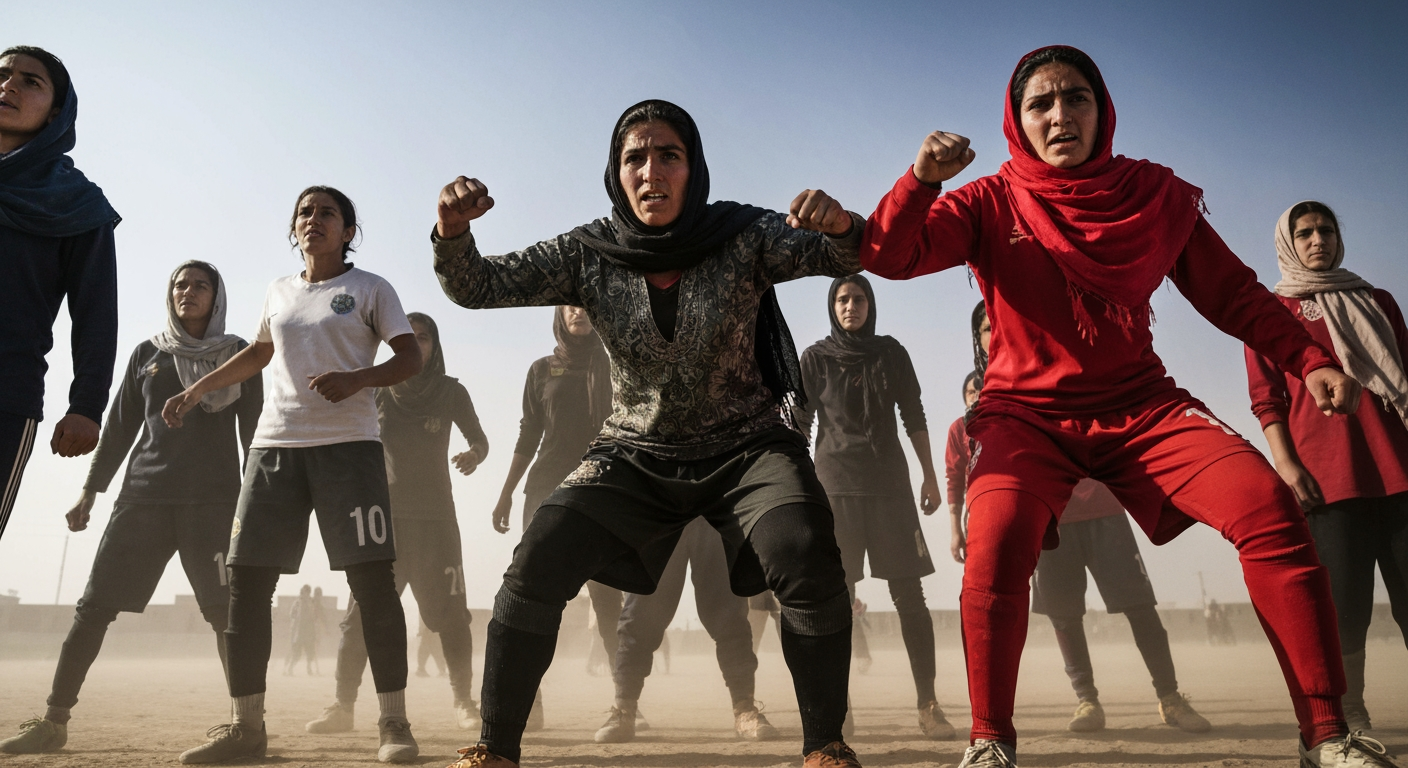
Afghan Women's Football Team Forges a Path Back to the Global Stage
After years of exile and uncertainty, the Afghanistan women's national football team is once again making strides toward international competition, marking a significant victory for resilience and human rights. Despite the Taliban's sweeping ban on women's sports following their 2021 takeover, a newly formed refugee team, "Afghan Women United," has commenced participation in international tournaments, symbolizing an unyielding defiance against oppression and a testament to the power of sport


Escalating Tensions Raise Security Questions for Mexico's 2026 World Cup Aspirations
Recent widespread violence following the death of a prominent cartel leader has cast a shadow of uncertainty over Mexico's preparations to co-host the 2026 FIFA World Cup, triggering international concern and prompting urgent security reassessments. With less than four months until the tournament commences, a wave of retaliatory attacks, marked by blockades, arson, and armed confrontations, has unfolded across multiple states, particularly impacting Guadalajara, one of the designated host cities

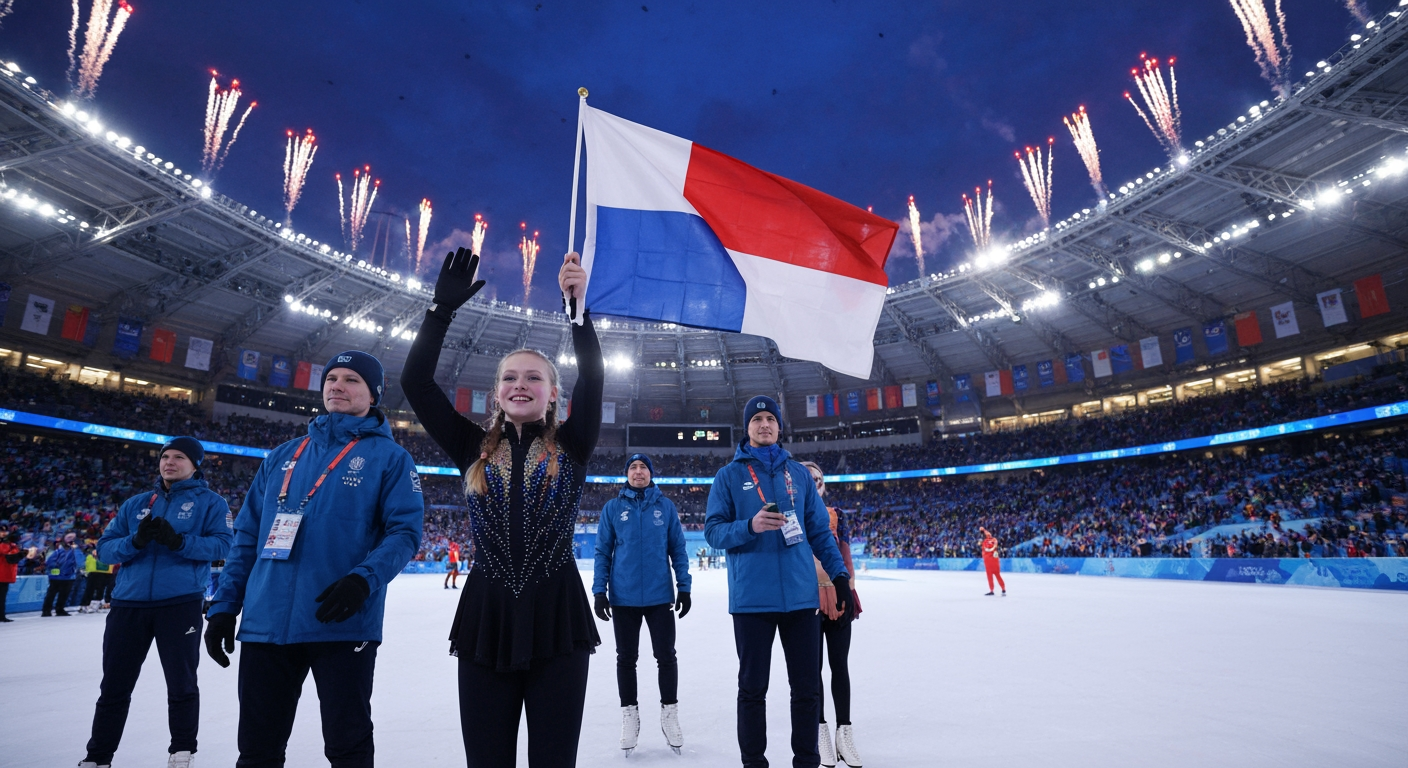
Italian Alps Bid Farewell: Milan Cortina 2026 Concludes with Spectacle of Unity and Legacy
VERONA, ITALY – The grandeur of the Verona Arena bore witness this evening to the poignant closing ceremony of the XXV Winter Olympic Games, bringing to a close 17 days of exhilarating competition and cultural celebration across Northern Italy. Under the theme "Beauty in Action," the ceremony served as a vibrant testament to athletic achievement, international camaraderie, and Italy's commitment to a sustainable future, culminating in the traditional extinguishing of the Olympic flame