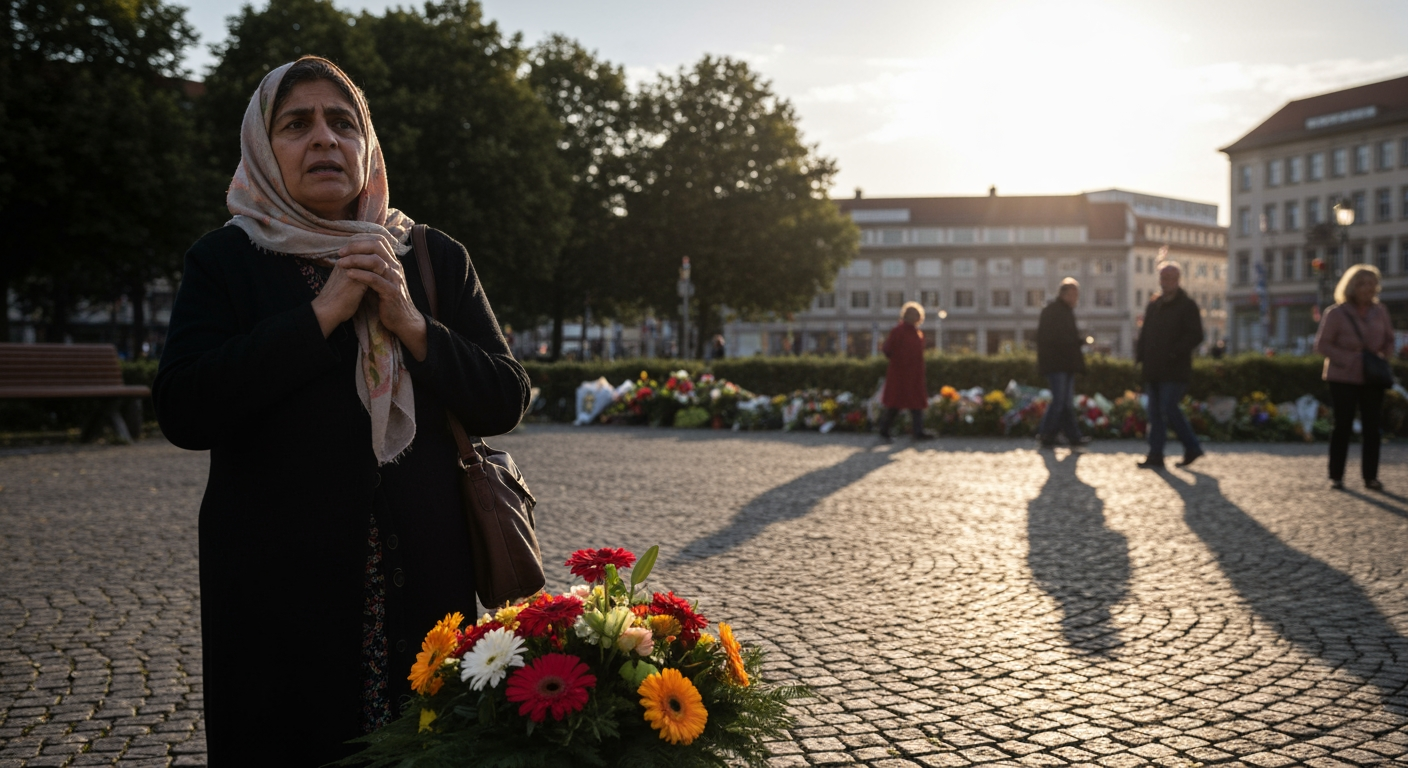
Germany's Evolving Battle Against Extremism: Assessing the Impact of Islamist Exit Programs


Germany has long grappled with the persistent specter of extremism, necessitating a proactive and multifaceted approach to safeguard its democratic institutions and societal cohesion. Central to these efforts are specialized exit programs designed to deradicalize individuals and facilitate their reintegration into mainstream society. While these initiatives represent a crucial front in the fight against Islamist extremism, their overall effectiveness remains a subject of ongoing evaluation and complex debate, marked by both strategic advancements and formidable challenges.
The Imperative for Intervention: A Shifting Threat Landscape
The rationale behind Germany's investment in exit programs for Islamists stems from a significant and evolving threat landscape. The country has experienced several serious attempts at Islamist terror attacks since the early 2000s, underlining the tangible danger posed by radicalized individuals and groups. For instance, the Office for the Protection of the Constitution noted an unprecedented surge in Islamist propaganda targeting Germany in 2009, threatening attacks if German troops were not withdrawn from Afghanistan. Concurrently, the number of members and supporters of radical Islamist organizations in Germany saw a notable increase, highlighting the growing reach of extremist ideologies within the nation. This escalating threat, coupled with Germany's historical experience in countering other forms of extremism, such as right-wing and left-wing movements, underscored the urgent need for dedicated deradicalization and exit strategies tailored to the unique challenges of Islamist radicalization.
Inside the Deradicalization Framework: Diverse Approaches and Key Players
Germany's approach to deradicalization is characterized by a blend of federal initiatives and diverse state-level programs, often involving collaborations between governmental agencies and civil society organizations. One prominent federal initiative is the HATIF (Hatef) phone hotline, launched in July 2010 by the Federal Office for the Protection of the Constitution (BfV). HATIF, an Arabic word for phone and a German acronym for "leaving terrorism and Islamist fanaticism," aims to provide a direct lifeline for individuals seeking to disengage from violent jihadist environments. Support offered through such programs is comprehensive, extending beyond individual consultations to include practical assistance such as help with paperwork, protection against threats from former associates, assistance with schooling or vocational training placements, and even housing and financial aid.
The implementation of these programs, however, varies significantly across Germany's 16 federal states, reflecting the country's federal structure. States like Hamburg, for example, provide tangible assistance including apartment rentals, vocational training, and job placement services to those aiming to leave extremist circles. Other states, such as Berlin, have experimented with employing theological arguments to counter extremist interpretations of religious texts. The underlying philosophy for many of these efforts, drawing inspiration from established models like EXIT-Germany (primarily for right-wing extremism), emphasizes that a successful "exit" goes beyond mere physical departure from a group. It necessitates a critical reassessment of the individual's past and a fundamental dismantling of the radical ideology. While the broader prevention and countering of extremism (PCVE) community faced criticism for "wild actionism" immediately following 2015 due to rapid funding influxes, it has since become more professionalized, enhancing the expertise available for exit counseling services.
Measuring Success: A Complex Equation of Outcomes and Obstacles
Assessing the definitive effectiveness of Islamist exit programs in Germany presents a complex challenge, primarily due to inherent difficulties in data collection, privacy considerations, and the long-term nature of deradicalization. While similar programs targeting neo-Nazis have demonstrated moderate success, specific metrics for Islamist initiatives are often less clear. For instance, it has not been clearly established how many individuals have utilized or successfully exited through programs like the HATIF hotline.
The intricacies of evaluating success are further compounded by the unique profiles and experiences of returnees from conflict zones like Syria and Iraq, who pose particular challenges for rehabilitation efforts. These individuals often require specialized support to address trauma, deeply entrenched ideologies, and potential security risks, making their reintegration a demanding process. Despite these obstacles, the continuous refinement of methodologies and increased professionalization within the PCVE community indicate a dedicated effort to improve program efficacy. Cooperation between various actors involved in the rehabilitation of extremist offenders, including coordination between the justice system and counseling services, remains a key area for ongoing development and improvement.
Federalism, Funding, and Future Directions: Navigating Germany's Unique Challenges
Germany's federal system, while fostering diverse regional responses, also introduces challenges in terms of coordination and consistency across counter-radicalization programs. Differing opinions among states regarding the scope, objectives, and appropriate timing of initiatives, including whether domestic intelligence services or other agencies should manage helplines, highlight this complexity. This decentralized approach can sometimes impede seamless information sharing and coordinated action, despite federal efforts to establish coordinating platforms.
Moreover, the initial rapid expansion of prevention and exit counseling services after 2015, fueled by new funding opportunities, sometimes led to concerns about a lack of sufficient expertise. However, the community has since made strides towards professionalization. Ongoing efforts focus on enhancing collaboration between governmental bodies and civil society organizations, ensuring better integration of support services, and continuously adapting strategies to counter evolving extremist narratives and recruitment tactics. The proactive deportation of foreign Salafist extremists and measures to prevent German citizens with suspected violent tendencies from joining foreign terrorist groups further illustrate the breadth of Germany's security apparatus in conjunction with its deradicalization initiatives.
Conclusion
Germany's commitment to tackling Islamist extremism through specialized exit programs is undeniable, representing a crucial component of its broader security and social integration strategies. While pinpointing precise, overarching metrics of success remains a complex endeavor due to the sensitive nature of the work, the federal structure, and the evolving challenges of radicalization, these programs are vital. They offer critical pathways for individuals seeking to disengage from violent ideologies and provide essential support for their reintegration. As the threat of extremism continues to adapt, Germany's ongoing investment in refining these programs, fostering collaboration, and enhancing expertise will be instrumental in strengthening the nation's resilience against radicalization and ensuring the long-term safety and stability of its society.
Related Articles


Europe's LGBTQ+ Rights: A Continent Divided by Progress and Persistent Challenges
Europe presents a complex and often contradictory landscape for LGBTQ+ rights, marked by significant strides toward equality in some nations while others experience stagnation or even regression. From robust legal...

Egypt Navigates Perilous Waters in Iran Conflict: A Delicate Balancing Act
Cairo finds itself ensnared in a complex geopolitical web as tensions escalate in the ongoing conflict involving Iran, necessitating a precarious balancing act between regional alliances, economic imperatives, and...