German Women's Bundesliga Clubs Seize Autonomy, Announcing Historic Split from DFB
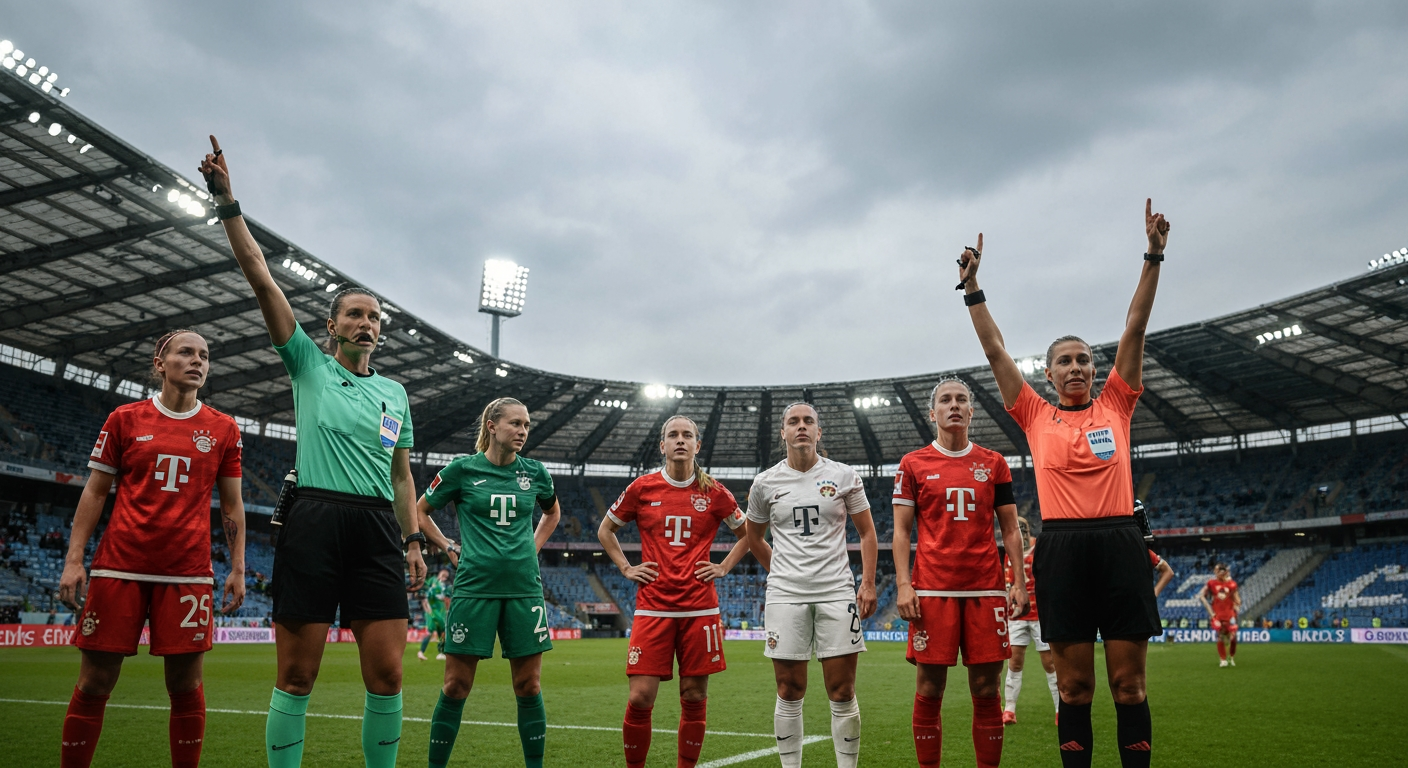
FRANKFURT AM MAIN, Germany – In a seismic shift for German women's football, the 14 clubs of the Frauen-Bundesliga have unilaterally announced their separation from the German Football Federation (DFB), opting instead to establish their own independent league association. This landmark decision, taken in December 2025, marks a decisive step towards greater professionalization and commercial control for the top-tier women's league, following the collapse of a joint venture agreement with the DFB. The move is poised to redefine the landscape of women's football in a nation historically renowned for its success in the sport.
The Genesis of a Breakaway
The roots of this profound change lie in a protracted desire among Frauen-Bundesliga clubs for enhanced autonomy and a more robust financial model to elevate the league's standing both domestically and internationally. For several years, discussions had been underway to professionalize the league, culminating in plans for a jointly owned "Frauen-Bundesliga Gesellschaft" (FBL GmbH) where both the DFB and the clubs would hold equal 50% stakes. Under this proposed structure, the DFB had pledged a significant investment of €100 million over an eight-year period, alongside a collective commitment of more than €700 million from the clubs themselves, aimed at supporting the league's commercialization and professionalization.
However, just as a resolution seemed within reach, the agreement unraveled. Club executives contend that the DFB introduced "unacceptable demands" and questioned previously "negotiated cornerstones" at the eleventh hour. Bayern Munich chief executive Jan-Christian Dreesen expressed surprise at the DFB's shift, particularly given the clubs' substantial investment. Eintracht Frankfurt's Axel Hellmann echoed this sentiment, stating that agreements already reached were not reflected in the contractual documents. This perceived backtracking by the federation proved to be the final catalyst for the clubs' unanimous decision to forge their own path.
Clubs Chart an Independent Course
On December 10, 2025, the 14 Frauen-Bundesliga clubs officially founded "Frauen-Bundesliga FBL e.V.," their independent league association, without DFB involvement. This new entity is designed to replicate the successful model of the Deutsche Fußball Liga (DFL), which governs the top two men's divisions in Germany, providing the clubs direct control over their league's strategic, commercial, and organizational development. Katharina Kiel, head of women's football at Eintracht Frankfurt and now president of the new association, emphasized that the process began two years prior due to concerns about the league's international competitiveness and the increasing trend of German players seeking opportunities abroad.
The clubs' motivation is clear: to ensure the "modern, professional, and sustainable development" of the Frauen-Bundesliga and to strengthen its commercial potential. They believe that direct ownership and decision-making are crucial to securing the necessary investments in infrastructure, training standards, marketing, and personnel, areas where the league has historically lagged. The goal is to transform the Frauen-Bundesliga from its current semi-professional status, where many players cannot earn a full living from football, into a fully professional league capable of competing with the growing financial might of leagues in England and Spain.
DFB's Position and Future Dialogue
In response to the clubs' decisive action, the DFB has indicated its willingness to continue discussions to find a resolution. DFB General Secretary Holger Blask asserted that the formation of the league association by the clubs was a necessary prerequisite for the initially planned joint venture. He also stated that the DFB's participation in the specific form now pursued by the clubs was never intended and that the clubs themselves had submitted extensive changes to draft contracts. Alexander Wehrle, chairman of the DFB GmbH supervisory board, publicly called for a return to constructive talks and respectful dialogue to implement the original joint venture plan, arguing it remains the "best possible organizational form."
Despite the DFB's conciliatory tone, the immediate future of collaboration remains uncertain. The clubs' unanimous decision underscores a significant loss of trust and a strong desire to take control. While the DFB's "Women in Football – Strategy 2027" aimed to increase professionalization, media reach, and investment, the clubs evidently felt these initiatives were not translating into tangible progress at the pace required.
A Critical Juncture for German Women's Football
This dramatic restructuring comes at a pivotal moment for women's football in Germany. The announcement coincided with Germany securing the hosting rights for the UEFA Women's Euro 2029, an event seen as a monumental opportunity to boost the sport's profile, fan engagement, and commercial revenue. Leaders within the new association, such as Bianca Rech of FC Bayern, recognize the need to capitalize on this upcoming tournament, learning from past missed opportunities following previous successes.
Experts have warned that without significant external strategic investment, the Frauen-Bundesliga risks falling further behind international competitors like England's Women's Super League and the USA's National Women's Soccer League. While attendance records are being broken and media rights revenue is increasing, the league's economic base remains comparatively low. The shift to an independent structure, similar to models already established in other successful women's leagues, is seen by the clubs as essential to unlock commercial potential, attract more sponsorship, and ultimately ensure the long-term viability and elite competitiveness of German women's football.
Looking Ahead: An Independent Future
The immediate aftermath of the split has left questions regarding the exact nature of the future relationship between the DFB and the newly formed Frauen-Bundesliga FBL e.V. While the DFB insists on continued dialogue, the clubs have clearly demonstrated their intent to operate independently, with a targeted start date of the 2027-28 campaign for the full implementation of their new structure. This bold move signifies a profound belief by the clubs in their collective ability to drive growth and professionalization, aiming to transform the Frauen-Bundesliga into a leading global entity in women's sports. The success of this independent venture will not only impact the players and clubs directly but will also serve as a crucial test case for autonomy in women's football governance worldwide.
Related Articles

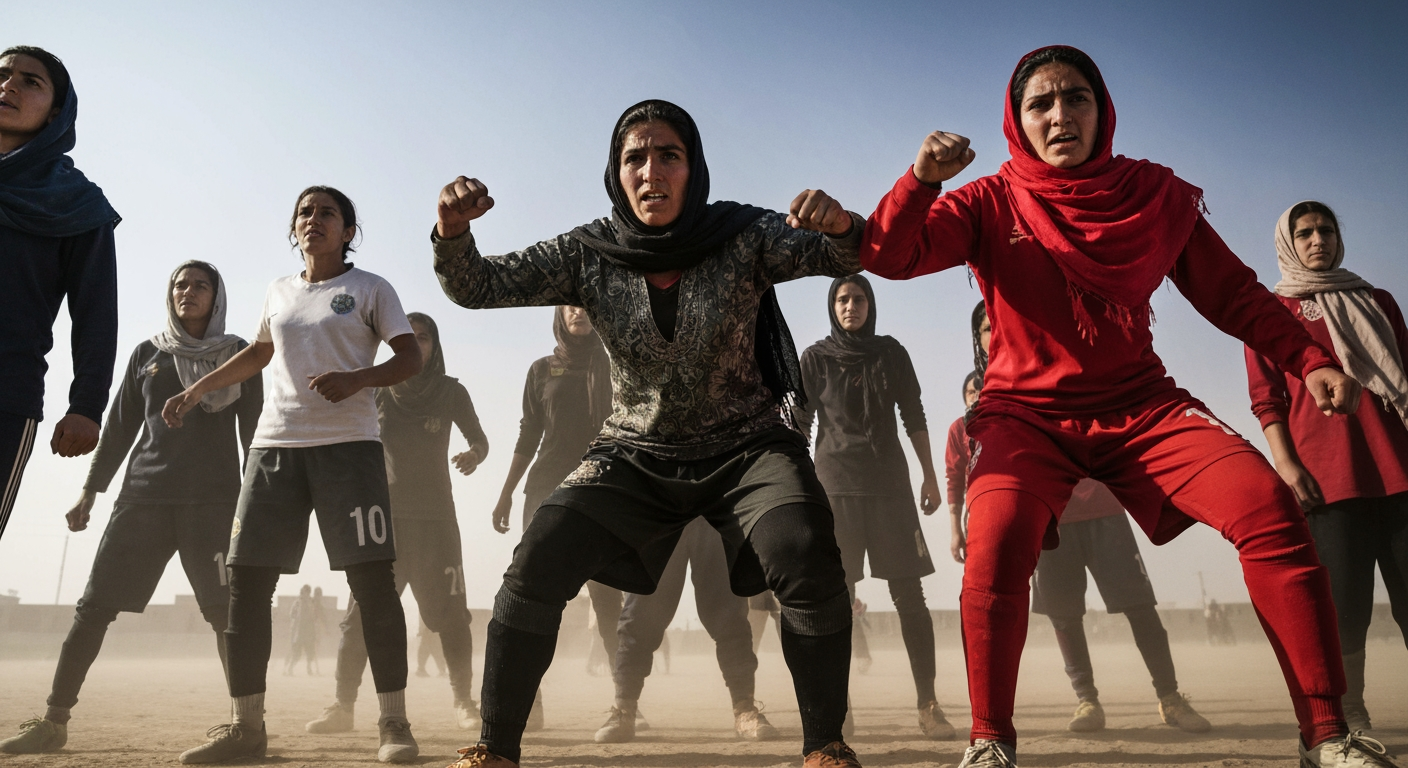
Afghan Women's Football Team Forges a Path Back to the Global Stage
After years of exile and uncertainty, the Afghanistan women's national football team is once again making strides toward international competition, marking a significant victory for resilience and human rights. Despite the Taliban's sweeping ban on women's sports following their 2021 takeover, a newly formed refugee team, "Afghan Women United," has commenced participation in international tournaments, symbolizing an unyielding defiance against oppression and a testament to the power of sport

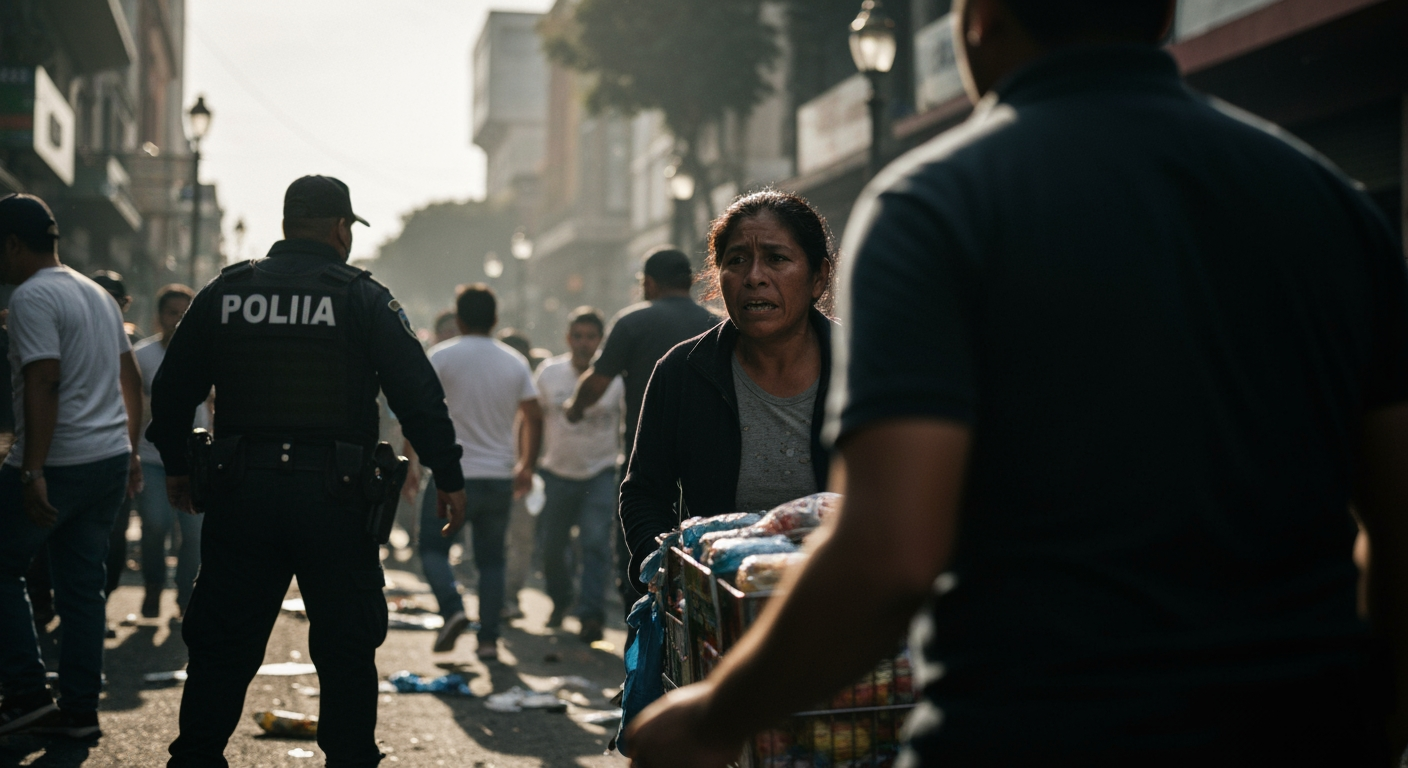
Escalating Tensions Raise Security Questions for Mexico's 2026 World Cup Aspirations
Recent widespread violence following the death of a prominent cartel leader has cast a shadow of uncertainty over Mexico's preparations to co-host the 2026 FIFA World Cup, triggering international concern and prompting urgent security reassessments. With less than four months until the tournament commences, a wave of retaliatory attacks, marked by blockades, arson, and armed confrontations, has unfolded across multiple states, particularly impacting Guadalajara, one of the designated host cities

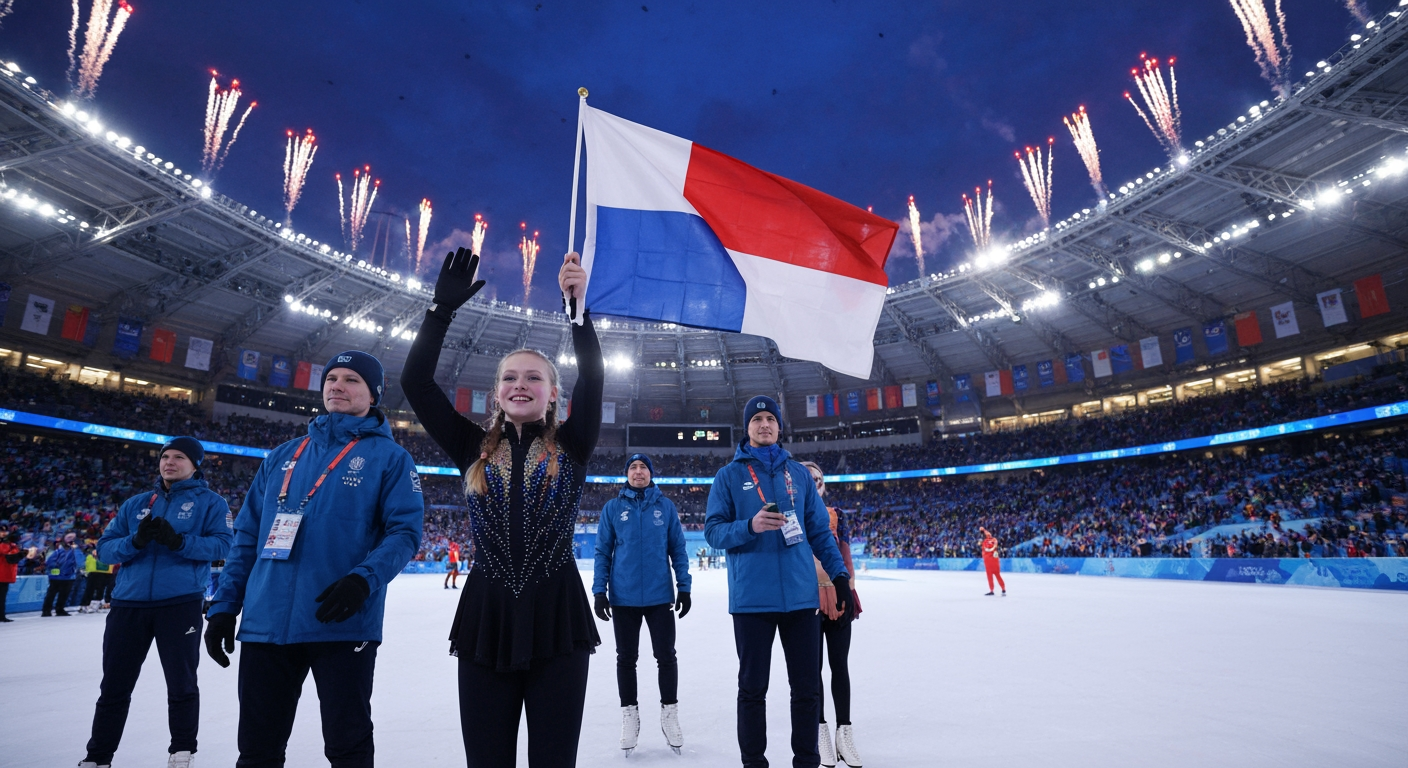
Italian Alps Bid Farewell: Milan Cortina 2026 Concludes with Spectacle of Unity and Legacy
VERONA, ITALY – The grandeur of the Verona Arena bore witness this evening to the poignant closing ceremony of the XXV Winter Olympic Games, bringing to a close 17 days of exhilarating competition and cultural celebration across Northern Italy. Under the theme "Beauty in Action," the ceremony served as a vibrant testament to athletic achievement, international camaraderie, and Italy's commitment to a sustainable future, culminating in the traditional extinguishing of the Olympic flame