German Ski Jumper Conquers Olympic Gold While Battling Lifelong Acrophobia
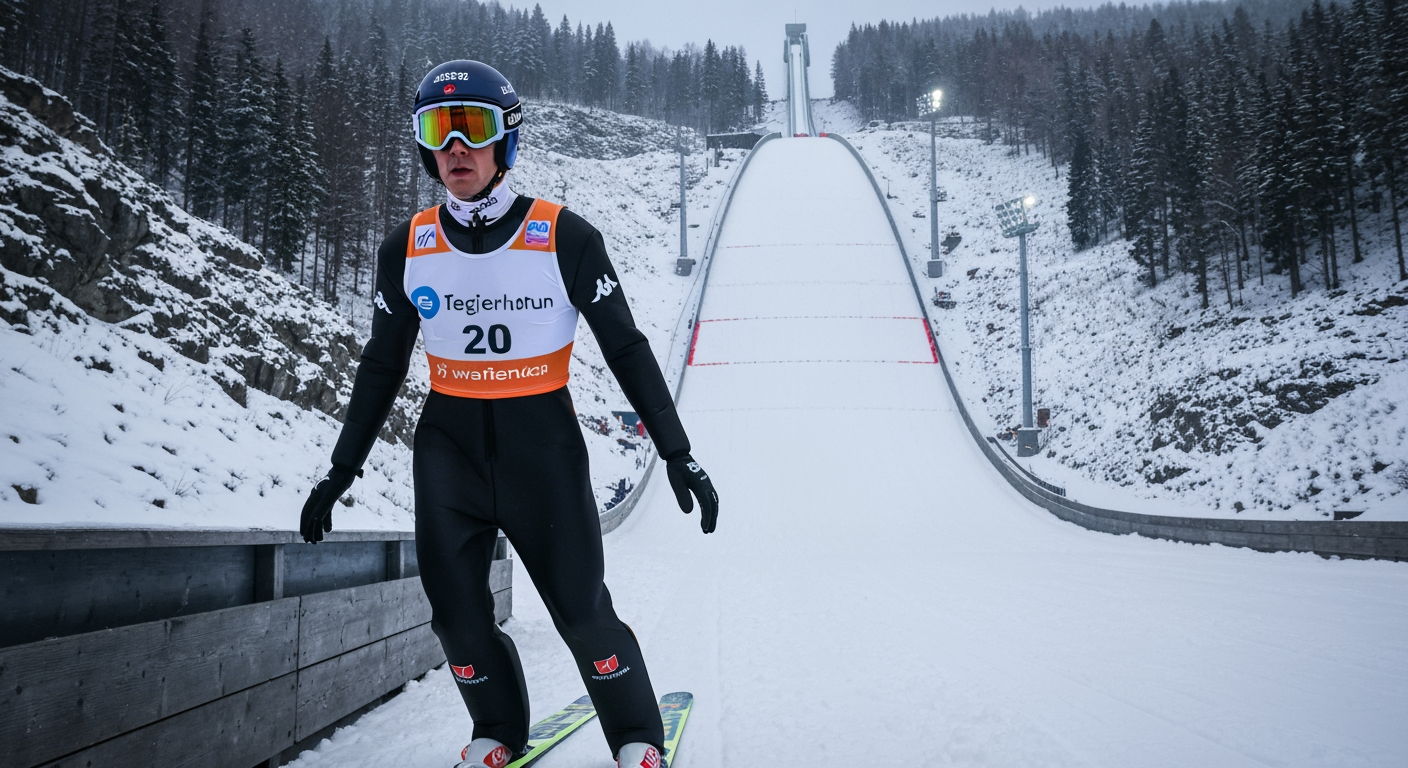
MILAN-CORTINA 2026 – In an astonishing display of mental fortitude and athletic prowess, German ski jumper Philipp Raimund secured an Olympic gold medal in the men's normal hill event at the Milan-Cortina 2026 Winter Games, despite openly acknowledging a persistent fear of heights. His victory, a personal first on the world stage, captivated spectators and underscored a powerful narrative of overcoming deeply ingrained personal challenges to achieve the pinnacle of sporting success. The 25-year-old athlete's triumph marks a significant moment, not only for German ski jumping but for the inspiring human story behind the medal.
The Golden Leap in Predazzo
Raimund's momentous win occurred on Monday at the Predazzo normal hill, where he delivered two consistent and technically precise jumps. His first jump covered an impressive 102.0 meters, setting a strong foundation for his performance. In the final round, he extended his lead with a 106.5-meter jump, solidifying his position at the top with a total of 274.1 points. This commanding performance placed him ahead of Poland's Kacper Tomasiak, who took silver, and a tied bronze between Japan's Ren Nikaidō and Switzerland's Gregor Deschwanden. The achievement is particularly remarkable as Raimund had never before secured an individual World Cup victory, making his Olympic gold his most significant career win to date.
Battling the Invisible Foe
The profound irony of a ski jumper battling acrophobia has long been a part of Raimund's public persona. He has openly discussed his fear of heights, a condition that might seem incompatible with a sport demanding leaps from towering structures. This struggle is not new; Raimund has faced instances where his body reacted involuntarily to the extreme heights, particularly in ski flying competitions on larger hills. Just last year, in March 2025, he withdrew from a competition in Slovenia, citing his fear of heights as the reason, which he shared transparently on social media. At the time, he explained that while he usually manages the fear, certain situations, especially during ski flying, trigger physical reactions beyond his control. This history makes his Olympic victory an even more compelling narrative of personal triumph.
Mental Fortitude and Strategic Preparation
Raimund's success is a testament to his exceptional mental strength and dedicated preparation. To manage his acrophobia, he sought assistance from a mental coach, a crucial step in confronting an issue that could otherwise derail a ski jumping career. His head coach, Stefan Horngacher, noted a significant shift in Raimund's focus as the Olympics approached. Horngacher observed that he had "never seen him that focused," suggesting a heightened level of mental discipline and readiness. Raimund himself reflected on his approach, indicating that on the hill, he aimed for a state of mind where he could "not think at all," allowing instinct and training to take over. This mental strategy proved instrumental in navigating the daunting heights and pressures of Olympic competition.
An Unlikely Champion's Ascent
Prior to his Olympic debut, Raimund, though regarded as a gifted jumper, was not among the top favorites for individual gold. He entered the Milan-Cortina Games ranked sixth in the world and had a limited record of major individual victories, with only one World Cup win in a mixed team event. His Olympic performance, particularly on the normal hill, surprised many, as it saw him outperform more experienced medalists and world champions. This triumph not only provided him with a gold medal but also solidified his place in the sport's history as a symbol of perseverance and the unexpected. The victory is seen as a new breath of fresh air for German skiing, inspiring a new generation and reigniting public interest.
The achievement of Philipp Raimund stands as a powerful reminder that some of the greatest victories are won not just on the field of play, but within oneself. His Olympic gold medal, secured despite an ongoing battle with acrophobia, transforms him from merely an athlete into an icon of human resilience. His story resonates far beyond the world of winter sports, embodying the universal struggle against fear and the extraordinary potential of the human spirit to overcome it.
Related Articles


Afghan Women's Football Team Forges a Path Back to the Global Stage
After years of exile and uncertainty, the Afghanistan women's national football team is once again making strides toward international competition, marking a significant victory for resilience and human rights. Despite the Taliban's sweeping ban on women's sports following their 2021 takeover, a newly formed refugee team, "Afghan Women United," has commenced participation in international tournaments, symbolizing an unyielding defiance against oppression and a testament to the power of sport


Escalating Tensions Raise Security Questions for Mexico's 2026 World Cup Aspirations
Recent widespread violence following the death of a prominent cartel leader has cast a shadow of uncertainty over Mexico's preparations to co-host the 2026 FIFA World Cup, triggering international concern and prompting urgent security reassessments. With less than four months until the tournament commences, a wave of retaliatory attacks, marked by blockades, arson, and armed confrontations, has unfolded across multiple states, particularly impacting Guadalajara, one of the designated host cities

Italian Alps Bid Farewell: Milan Cortina 2026 Concludes with Spectacle of Unity and Legacy
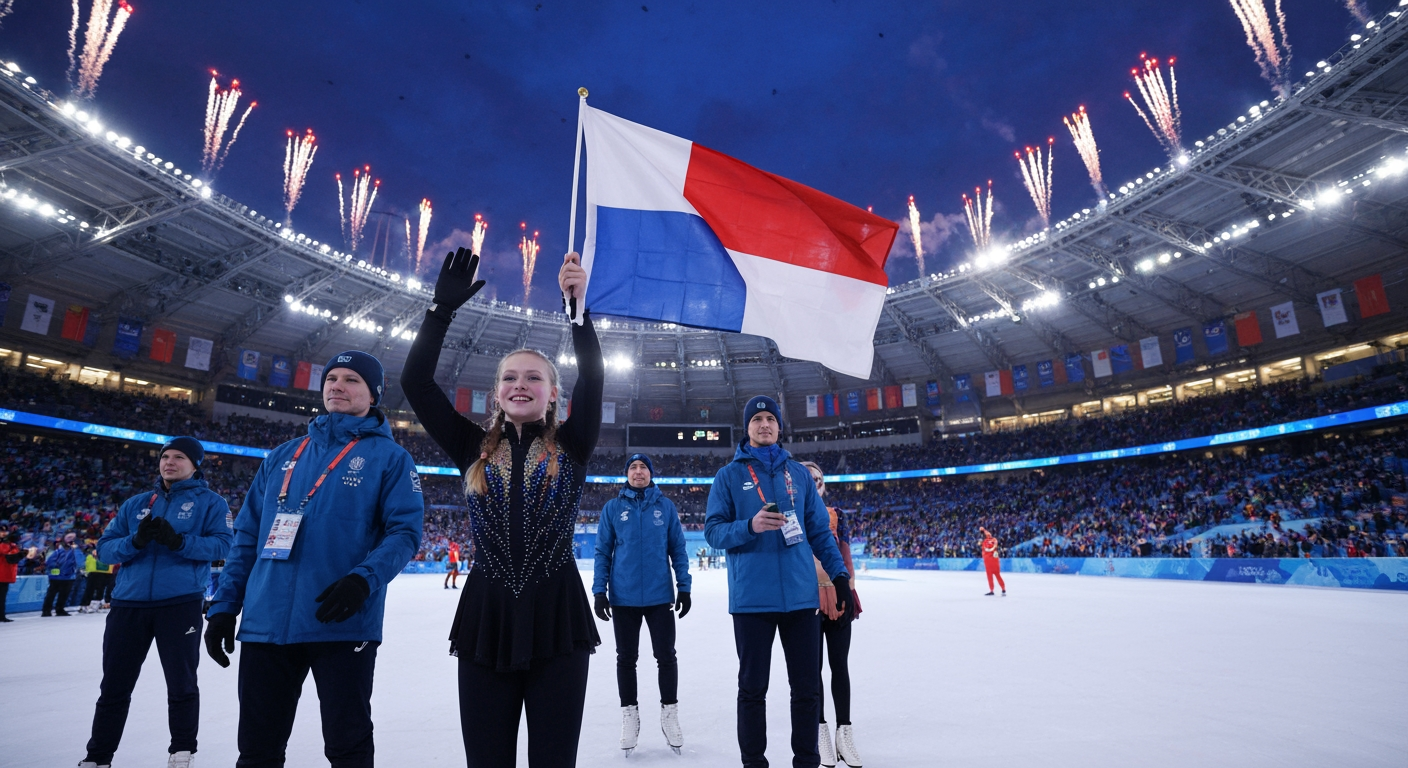
VERONA, ITALY – The grandeur of the Verona Arena bore witness this evening to the poignant closing ceremony of the XXV Winter Olympic Games, bringing to a close 17 days of exhilarating competition and cultural celebration across Northern Italy. Under the theme "Beauty in Action," the ceremony served as a vibrant testament to athletic achievement, international camaraderie, and Italy's commitment to a sustainable future, culminating in the traditional extinguishing of the Olympic flame