World Health Assembly Adopts Landmark Pandemic Agreement
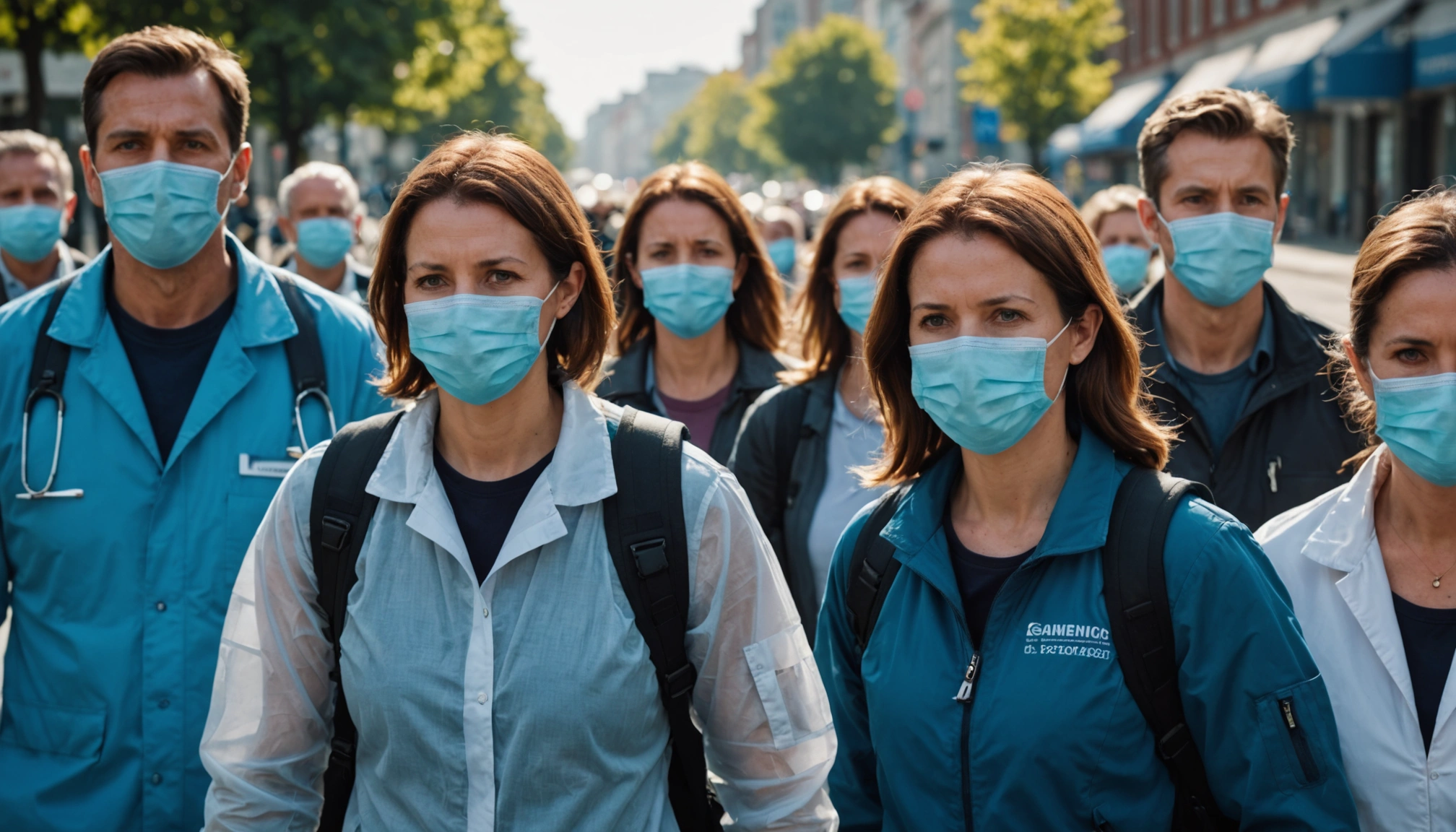
After years of negotiations, member states of the World Health Organization (WHO) have formally adopted the first-ever Pandemic Agreement, a sweeping accord designed to prevent, prepare for, and respond to future global health crises. The agreement, approved at the 78th World Health Assembly in Geneva, Switzerland, marks a significant step toward strengthening international cooperation in the face of emerging infectious diseases.
A Response to COVID-19
The COVID-19 pandemic exposed critical gaps in global pandemic preparedness and response, highlighting the need for a more coordinated and equitable approach. The Pandemic Agreement, also known informally as the Pandemic Treaty and Pandemic Accords, is a direct response to those shortcomings. The Intergovernmental Negotiation Body, established in December 2021 following the devastating second wave of the pandemic, spearheaded the creation of the draft agreement. The agreement aims to ensure equitable access to vaccines, treatments, and diagnostics during health emergencies.
Key Components of the Agreement
The 30-page treaty establishes a framework for preventing pandemics by boosting surveillance of animals to lower the risk of viruses spilling over to humans. It also focuses on improving responses once pandemics emerge, such as providing protective equipment to healthcare workers and aligning regulatory systems to expand access to treatments. The agreement outlines principles and tools to ensure equitable access to vaccines, treatments, and diagnostics during health emergencies. It aims to bolster international coordination and build a more resilient global health system.
Overwhelming Support, Lingering Concerns
The adoption of the Pandemic Agreement was met with overwhelming support from WHO member states. The agreement was approved by a vote of 124 in favor, with 11 abstentions and no objections. WHO Director-General Dr. Tedros Adhanom Ghebreyesus hailed the agreement as "a victory for public health, science, and multilateral action," emphasizing that it will enhance the world's collective ability to prevent and respond to future pandemics. Teodoro Herbosa, the president of this year's assembly, called the deal a "once-in-a-lifetime opportunity" to apply lessons from COVID-19.
Despite the widespread support, some concerns remain about the agreement's effectiveness. One key challenge is the lack of enforcement mechanisms and robust funding. The agreement's ultimate impact remains unclear, especially since it lacks enforcement mechanisms and robust funding. Over the next year, delegates must decide how wealthy countries will share tests, vaccines, treatments — and the technology behind them — with lower income countries in exchange for the data.
The Path Forward
The Pandemic Agreement represents a crucial step forward in global pandemic preparedness. While challenges remain, the agreement provides a framework for enhanced international cooperation, improved surveillance, and more equitable access to essential resources during health emergencies. The coming months will be critical as member states work to finalize the details of the agreement and ensure its effective implementation. The world is safer today thanks to the leadership, collaboration and commitment of our member states to adopt the historic WHO Pandemic Agreement.
Related Articles


The Plague: A Medieval Scourge Transformed by Modern Medicine
The specter of the Black Death, a disease that ravaged continents and claimed tens of millions of lives in the Middle Ages, continues to loom large in humanity's collective memory. In the 14th century, this terrifying...

A Spreading Scourge: How Conflicts in Congo, Sudan, and Yemen Fuel a Global Health Crisis
Geneva, Switzerland – Ongoing conflicts in the Democratic Republic of Congo (DRC), Sudan, and Yemen are precipitating a catastrophic collapse in public health, transforming these war-torn nations into breeding grounds...