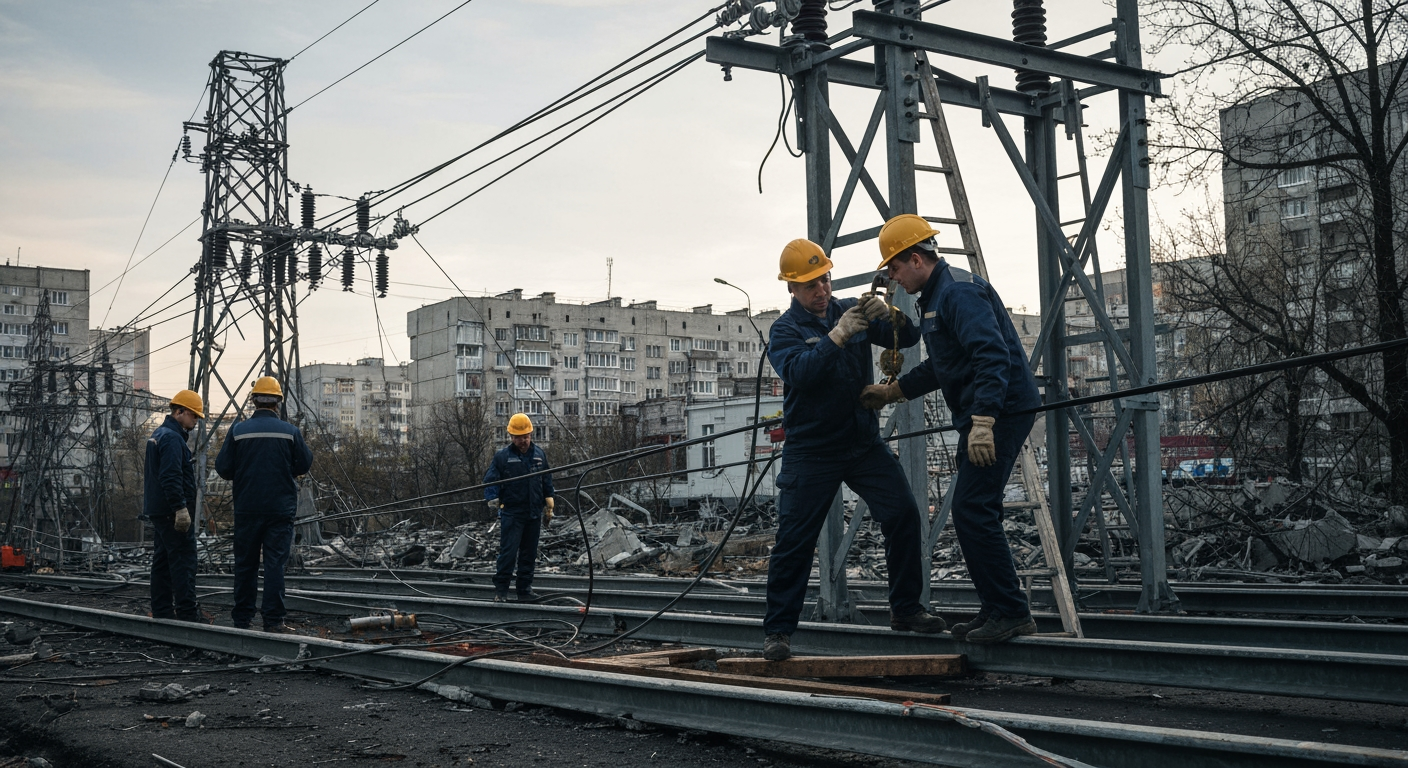
UN Environment Chief Urges End to Climate Complacency as Global Warming Accelerates
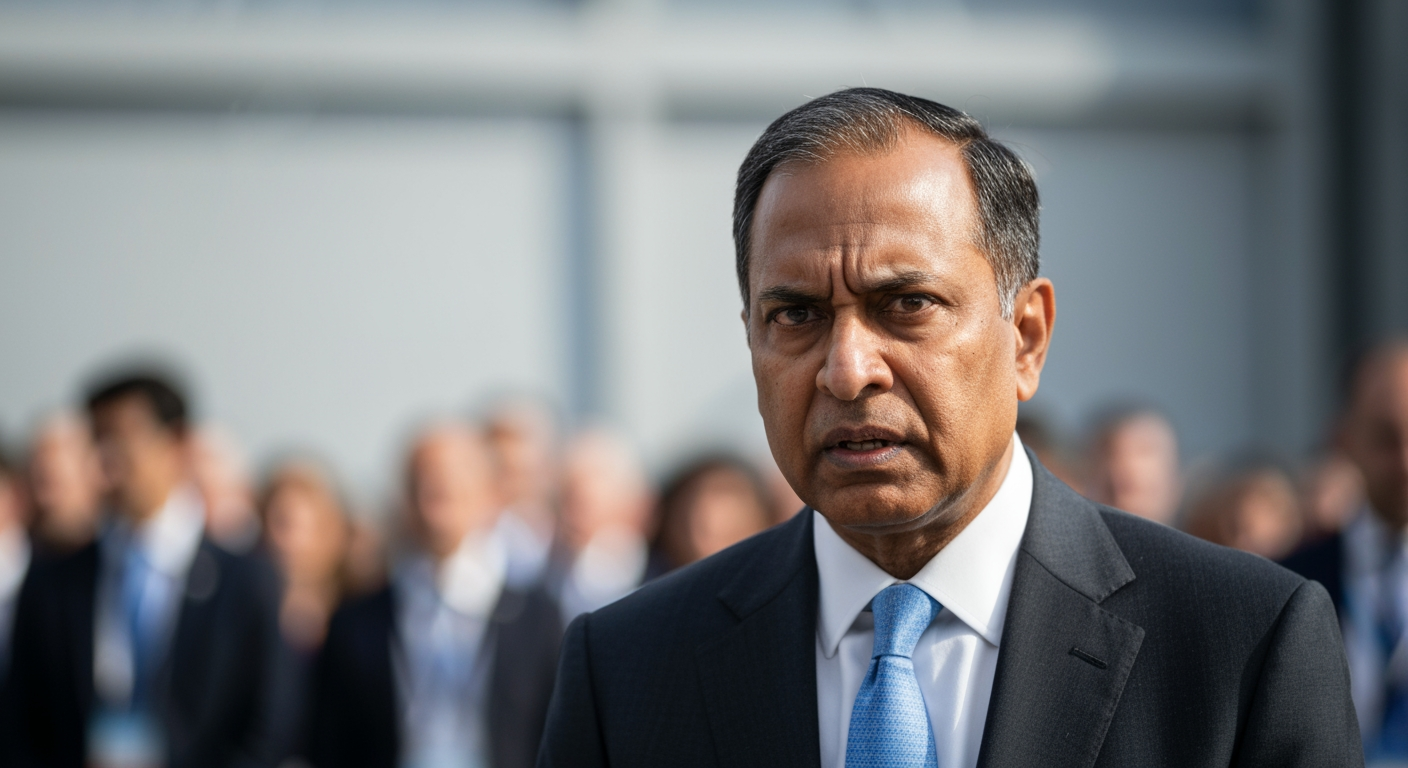
Nairobi, Kenya – The world stands at a critical juncture, warned Inger Andersen, Executive Director of the United Nations Environment Programme (UNEP), as she reiterated profound concerns over persistent climate complacency despite escalating environmental crises. Decisive action is imperative to prevent catastrophic global warming, yet current national climate plans and implementation efforts remain woefully insufficient, threatening the planet's future and the well-being of its inhabitants. Andersen has consistently highlighted a significant "emissions gap"—the chasm between projected greenhouse gas emissions and the drastic reductions needed to limit global warming to the internationally agreed-upon target of 1.5 degrees Celsius above pre-industrial levels.
The Widening Gap Between Pledge and Progress
UNEP's annual Emissions Gap Reports serve as stark reminders of the global community's failure to adequately address the climate crisis. These flagship publications, consistently released prior to yearly climate negotiations, track the disparity between national commitments and the pathways required to achieve the 1.5°C goal. Latest findings indicate that even with the full implementation of current Nationally Determined Contributions (NDCs), global warming projections for this century still range between 2.3 and 2.5°C. Should only existing policies be enacted, the world could face an alarming temperature rise of up to 2.8°C. This trajectory places the Paris Agreement's 1.5°C target in grave jeopardy, emphasizing the critical need for a monumental increase in ambition and rapid delivery of climate pledges. Andersen has explicitly stated that the world is "not on track" to achieve a resilient, low-carbon future, and this reality has yet to shift. The window for making incremental changes has closed, leaving a "root-and-branch transformation of our economies and societies" as the only viable path to avert accelerating climate disaster.
The Human Cost of Delayed Action
The consequences of this global complacency are not abstract; they are manifesting as a "triple planetary crisis" encompassing climate change, biodiversity loss, and pollution, which Andersen has described as a "code red for humanity." Across the globe, intensifying climate impacts are causing unprecedented disruption, with parts of the world experiencing severe droughts, devastating floods, and raging fires. These phenomena disproportionately affect the poorest and most vulnerable communities, particularly Small Island Developing States (SIDS) and Least Developed Countries (LDCs), which contribute the least to global emissions but bear the brunt of climate change's destructive force.
For these vulnerable nations, extreme weather events like cyclones, rising sea levels, and prolonged droughts threaten food security, displace populations, and exacerbate existing economic and social challenges. Many low-lying atoll nations face an existential threat from continued sea-level rise, with some only six feet above sea level. The economic fallout is severe; for instance, a single drought can reduce an African country's medium-term economic growth potential by one percentage point. Climate change also acts as a "threat multiplier," contributing to instability, conflict over resources, and increased migration. The health sector is severely jeopardized, with potential increases in infectious diseases and heightened mortality rates.
Systemic Failures and Lingering Complacency
The prevailing complacency stems from a complex interplay of factors, including economic pressures, short-term political cycles, and a perceived distance from the immediate impacts of the crisis. While nations have made pledges under the Paris Agreement, the actual implementation and financial commitments have significantly lagged. A lack of political will, often influenced by economic interests, contributes to slow decision-making, even as the scientific evidence becomes increasingly undeniable.
Despite growing awareness and some progress, the world continues to invest heavily in fossil fuels, contradicting commitments to transition away from them. The slow uptake of renewable energy and insufficient financial support for adaptation measures in developing countries underscore the systemic failures. For example, developed countries committed to providing $100 billion annually to support climate action in developing nations by 2020, a target that has not been consistently met. The adaptation financing gap alone is estimated to be between US$194 billion and US$366 billion per year. The 2022 Emissions Gap Report highlighted that updated Nationally Determined Contributions submitted that year shaved less than one percent off projected global emissions for 2030, indicating woefully inadequate progress.
The Path Forward: Urgent Transformation Required
To overcome climate complacency, UNEP and its executive director advocate for a rapid and profound global transformation. The call to action centers on ambitious, systemic changes across all sectors to drastically cut greenhouse gas emissions and enhance resilience. Key solutions include a rapid transition to renewable energy sources, with a goal of tripling new investments in renewables, and a concerted effort to move away from fossil fuels in power systems. While COP28 saw an agreement for countries to "transition away from fossil fuels," Andersen emphasized that science demands an immediate phase-out.
Increased climate finance from developed to developing countries is crucial, not only for mitigation but also for robust adaptation measures to protect communities already facing unavoidable climate impacts. This includes operationalizing and fully funding mechanisms like the Loss and Damage Fund. Furthermore, integrating nature-based solutions, such as restoring ecosystems and improving land management, is vital for both climate resilience and biodiversity conservation. UNEP champions strengthening environmental rule of law, supporting scientific programs, and ensuring that environmental concerns are integrated across all UN agencies and policy-making. It also emphasizes public engagement and behavior change through global campaigns to compel governments and businesses to act. Every country must commit to new, more ambitious NDCs by 2025, ensuring they cover all emissions and sectors, aligning global GHG emissions in 2035 with the 1.5°C pathway.
Conclusion
The repeated warnings from the UN environment head underscore a stark reality: humanity is at a crossroads where continued complacency could lead to irreversible damage and widespread suffering. The science is unequivocal, and the impacts are increasingly evident across the globe, especially in vulnerable regions. Achieving climate stability demands a level of ambition, political courage, and rapid implementation unseen before. The urgency is paramount; the choice between sustained, transformative action and escalating crises rests with the global community. Ignoring the stark warnings and persisting in complacency will only hasten the arrival of a future far more perilous than the present.
Related Articles


The Pulpit's Paradox: Why U.S. Pastors Hesitate to Preach on Climate Change
Across the United States, a significant disconnect persists between widely held religious tenets of environmental stewardship and the relative silence on climate change from the nation's pulpits. While a substantial...

Germany's Climate Ambitions Clouded by Insufficient Progress, Experts Warn
BERLIN, Germany — Germany, a nation long lauded for its ambitious climate goals, faces a critical juncture as independent experts warn that its current trajectory is insufficient to meet legally binding greenhouse gas...