Ukraine's Evolving War: Four Years of Adaptation, Innovation, and Enduring Resolve

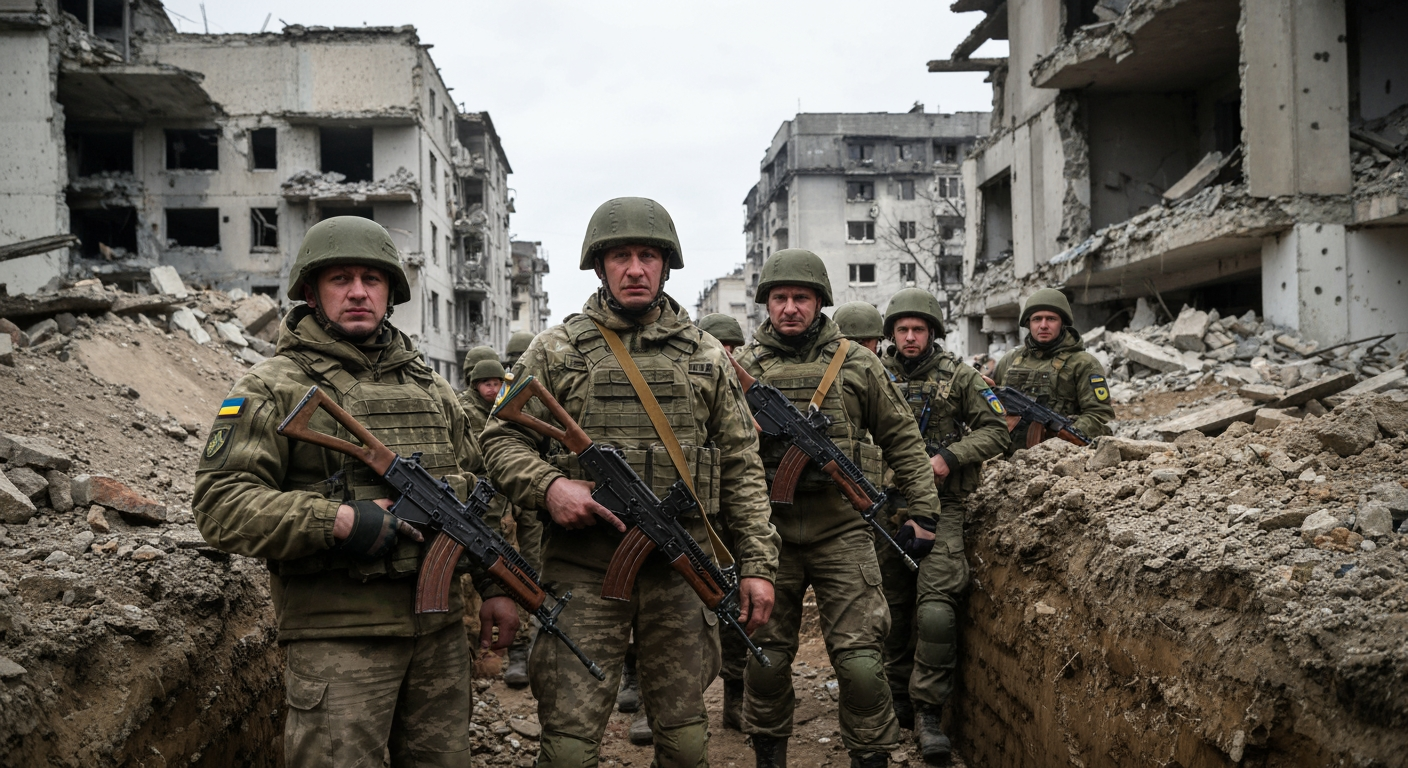
KYIV, Ukraine – Four years into the full-scale invasion, Ukraine's war effort against Russia has undergone a profound transformation, evolving from an initial, desperate defense into a sophisticated and adaptable military strategy marked by technological innovation, robust domestic production, and a persistent quest for international support. What began as a fierce, nation-wide resistance to an overwhelming initial assault has matured into a complex, multi-faceted struggle aimed at national survival and attrition of the adversary, redefining modern warfare in the process.
The Crucible of Early Defense: From Resistance to Resilience
When Russia launched its full-scale invasion on February 24, 2022, Ukraine faced an existential threat. The initial response was characterized by an immediate and widespread mobilization of both military forces and civilian volunteers. Hundreds of thousands of Ukrainian citizens voluntarily joined military structures in the first weeks, playing a crucial role in repelling the initial Russian offensive. This collective enthusiasm, coupled with a determined defense, successfully blunted Russia's early attempts to seize key cities, including the capital, Kyiv.
The early phase saw Ukraine leveraging existing Soviet-era equipment, supplemented by an initial wave of Western military aid that included anti-tank weapons like Javelin and NLAW systems, as well as anti-aircraft munitions. This period demonstrated Ukraine's strategic agility, shifting from static defense to more dynamic operations that inflicted significant losses on Russian forces. The conflict quickly settled into a grinding battle, highlighting the necessity for continuous adaptation and resourcefulness.
The Double-Edged Sword of International Assistance
International military aid has been a cornerstone of Ukraine's ability to sustain its defense, though its delivery and impact have evolved significantly. Initially, Western countries were cautious, providing lighter defensive weaponry. However, as the war progressed and Ukraine demonstrated its capability and resolve, the scope of aid expanded to include more sophisticated systems, such as HIMARS long-range rocket launchers, M777 howitzers, and eventually Western-made tanks like the Leopard 2 and M1 Abrams. By March 2024, Western governments had pledged over $380 billion in total aid, with nearly $118 billion in direct military assistance. As of December 2025, Ukraine has received approximately $175 billion in aid from the United States and $197 billion from the European Union.
Despite these substantial contributions, the flow of assistance has not been without challenges. Delays in critical aid packages, particularly from the United States, have created vulnerabilities and hampered Ukraine's ability to conduct offensive operations. Allies often provided what they could spare, leading to a diverse array of over two hundred different weapon types, complicating logistics, training, and maintenance for Ukrainian forces. European nations have increasingly stepped up, with their share of military aid increasing by 67% in 2025 compared to previous years, offsetting some of the slowdowns from other partners. This shift underscores a growing European commitment, even as overall funding arrangements face increasing strain.
The Rise of Domestic Production and Technological Innovation
Perhaps one of the most remarkable evolutions in Ukraine's war effort is the dramatic surge in its domestic defense industry and technological innovation. Faced with the high intensity of the war and sometimes slow delivery of external equipment, Ukraine has prioritized building its own robust production capabilities. Production capacity has increased an astonishing 35 to 50-fold since the start of the full-scale invasion, reaching an estimated $50 billion. Domestic manufacturers now meet over 50% of the Defense Forces' needs for weapons and military equipment.
A key driver of this transformation has been the rapid development and deployment of drones. From just a few thousand drones annually in 2022, Ukrainian companies now produce millions. These range from inexpensive commercial devices modified for military use to advanced, AI-enhanced models capable of operating without GPS and striking targets over 1,000 kilometers away. Drones are now responsible for up to 80% of battlefield damage, fundamentally reshaping the front lines into "kill zones" where traditional armored maneuvers are severely constrained. Unmanned ground vehicles are also increasingly used for logistics and casualty evacuation, reducing human exposure in dangerous areas. This agile and decentralized approach, involving numerous startups and engineers, has allowed Ukraine to adapt faster than its adversary, making the conflict a laboratory for modern warfare.
Strategic Shifts and Manpower Challenges
Ukraine's military strategy has continuously adapted to the changing realities on the ground. Following successful counteroffensives in late 2022 that liberated significant territory, including most of Kharkiv Oblast and the city of Kherson, the conflict transitioned into a more attritional, positional warfare. The failed counteroffensive of 2023 highlighted the formidable challenge of breaking through deeply entrenched Russian defenses.
In response, Ukraine has shifted towards an "active defense" strategy, aiming to hold existing lines while degrading Russian capabilities through long-range strikes. This includes intensifying drone attacks and missile strikes on Russian oil infrastructure and military sites, bringing the war's impact deeper into Russian territory. The authorization for Ukraine to use some Western-supplied long-range missiles for strikes within Russia, particularly near the border and against specific military targets, marked another significant strategic development in late 2024.
However, the war's prolonged nature has brought significant manpower challenges. While initial mobilization saw a surge of volunteers, recruitment has become increasingly difficult since 2023, leading to public debates and new legislation. Issues such as social fatigue, demographic constraints, and the need to rotate exhausted troops have prompted calls for additional mobilization of up to 500,000 personnel. New mobilization laws, including lowering the conscription age to 25 and implementing digital systems for registration, aim to address these shortages, but the discrepancy between the need for soldiers and public reluctance remains a complex task.
Conclusion: A War of Sustained Adaptation
The evolution of Ukraine's war effort against Russia is a testament to national resilience and rapid adaptation in the face of an enduring threat. From a nation fighting for its very existence with limited resources, Ukraine has transformed into a military force that integrates advanced technology, boasts a burgeoning domestic defense industry, and constantly refines its strategic approaches. The ongoing conflict highlights the critical interplay between international support, internal innovation, and the human cost of prolonged warfare. As the conflict enters its fifth year, Ukraine's ability to maintain this dynamic evolution, secure consistent international backing, and manage its critical manpower needs will remain central to its fight for sovereignty and a different future.
Related Articles

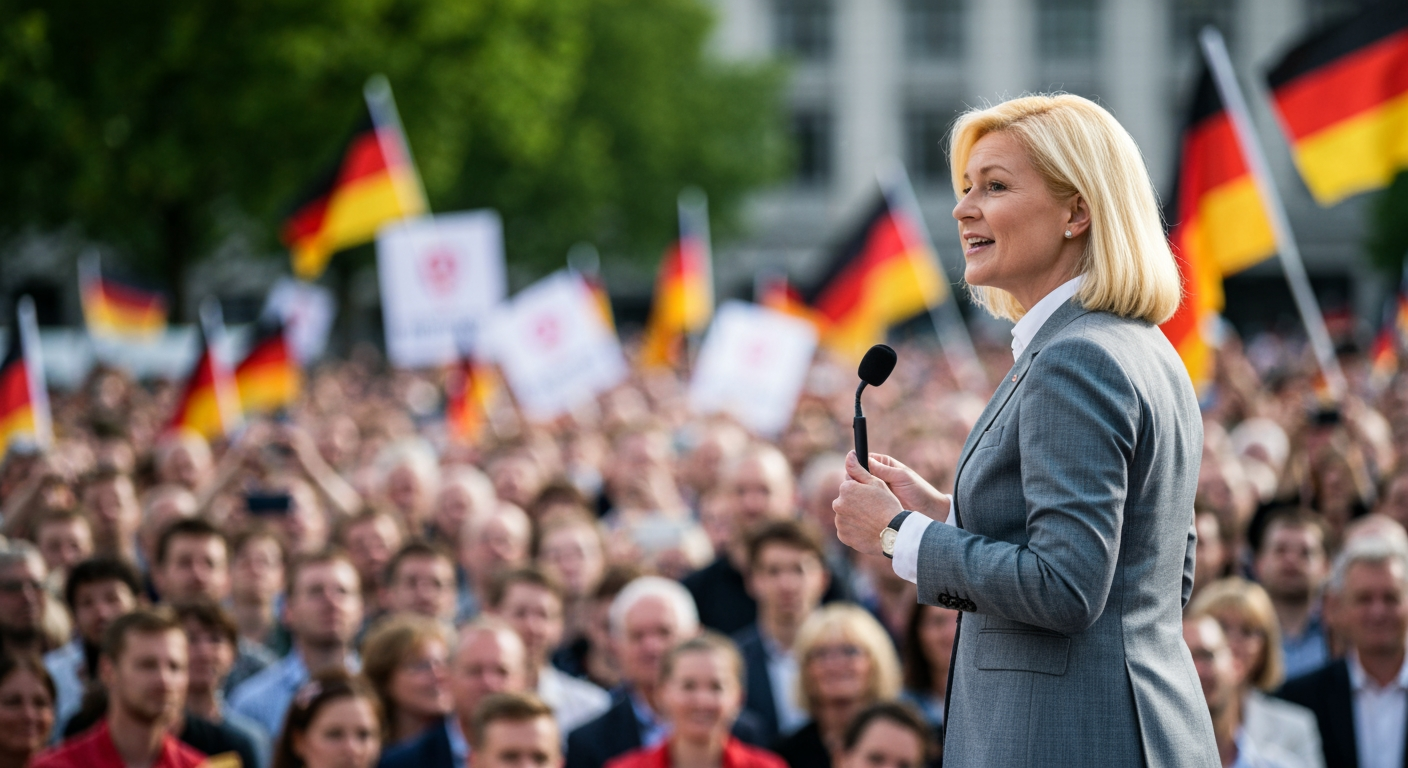
Germany on the Cusp of a Historic First: The Path to a Female Head of State
Germany stands at a potentially historic juncture as discussions intensify regarding the selection of its next Federal President in 2027. For the first time in its history, the nation could elect a woman to the largely ceremonial yet deeply symbolic role of head of state, marking a significant milestone in its political evolution


Navigating the Labyrinth of Truth: Cutting Through Epstein Files Disinformation
The highly anticipated release of millions of documents related to financier and convicted sex offender Jeffrey Epstein has unleashed a torrent of information, but it has also created a fertile ground for widespread disinformation. As the public grapples with the sheer volume of court records, interviews, emails, and images, the challenge of discerning fact from fiction has become paramount


India and Bangladesh Embark on a New Chapter to Reinvigorate Bilateral Ties
Dhaka and New Delhi are actively recalibrating their multifaceted relationship, signaling a significant reset in bilateral ties following a recent political transition in Bangladesh. The election of the Bangladesh Nationalist Party (BNP) and the ascendance of Prime Minister Tarique Rahman have opened a new diplomatic window, prompting India to swiftly engage with the new leadership to foster renewed cooperation