Seoul's Green Transformation: From Concrete Highway to Urban Oasis
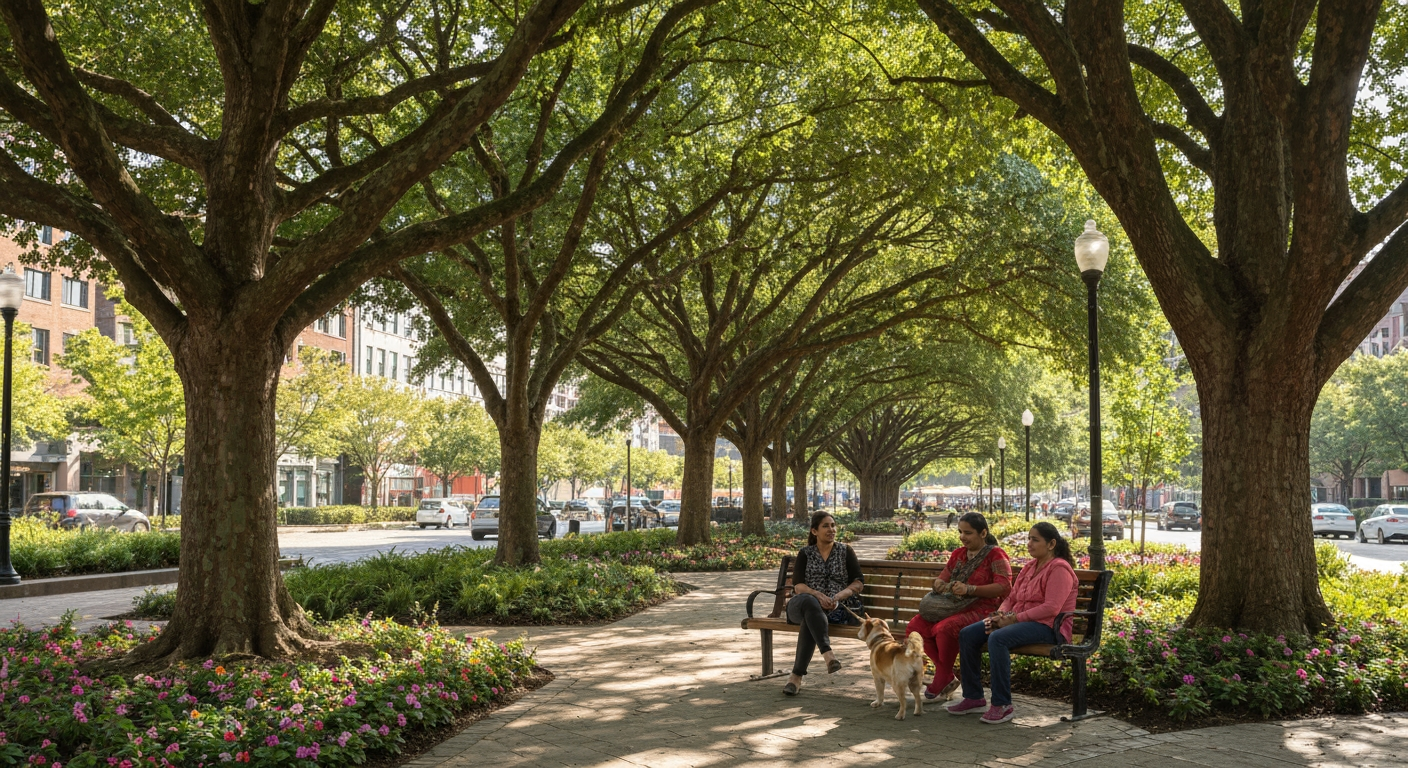
SEOUL – In a bold move that defied conventional urban planning, the sprawling metropolis of Seoul undertook a monumental project two decades ago, transforming a decaying elevated highway into a vibrant, 10.9-kilometer (7.0 miles) ecological corridor. The Cheonggyecheon Stream Restoration Project, completed in 2005, saw the removal of a major traffic artery that once dominated the city's downtown, replacing it with a flowing stream and lush green spaces. This ambitious endeavor not only revitalized a neglected historical waterway but also re-envisioned the very heart of the South Korean capital, setting a precedent for cities worldwide grappling with the challenges of urbanization and climate change.
A City Buries Its Past, Then Unearths It
For centuries, the Cheonggyecheon Stream served as a vital part of Seoul's fabric, managing floods and sustaining daily life since the Joseon dynasty. However, by the mid-20th century, rapid industrialization and population growth transformed the stream into an open sewer, prompting its concrete covering in the 1950s and 1960s. By 1971, a 5.8-kilometer, six-lane elevated highway stood atop the buried stream, symbolizing South Korea's swift modernization and economic progress. This elevated structure, carrying an estimated 169,000 vehicles daily, became an integral part of the city's transport network.
Over time, this symbol of progress began to deteriorate. By the late 1990s, the highway's structural integrity was compromised, with engineers estimating repair costs in the tens of millions. Beyond the structural concerns, the concrete covering and overhead highway contributed to severe degradation of the surrounding environment, including poor water quality, air pollution, increased noise levels, and a lack of green space and wildlife. The area, once a vibrant economic center, suffered from urban decay, becoming less attractive for residents and businesses alike. Public awareness regarding environmental quality and sustainable development grew, fueled in part by high-profile infrastructure collapses in the city during the 1990s that shook public confidence in aging concrete structures.
The Ambitious Vision and Its Execution
The deteriorating condition of the Cheonggyecheon highway presented a critical juncture for Seoul. Rather than investing in costly repairs, city planners envisioned a radical alternative: demolishing the highway and restoring the stream underneath. This paradigm shift in urban management was championed by then-Mayor Lee Myung-bak, who campaigned on the promise of the stream's restoration. The project's primary objectives extended beyond mere aesthetics; they aimed to improve the quality of cultural and environmental life, enhance the urban environment, and revitalize the downtown area by attracting business and encouraging citizens to relocate.
The Cheonggyecheon Restoration Project commenced in October 2003 and was completed with remarkable speed in just 27 months, opening to the public in October 2005. The total cost of the project was approximately $281 million to $386 million, funded primarily by the Seoul Metropolitan Government. The undertaking involved the demolition of the elevated highway and its concrete deck, exposing the buried stream to daylight once more. A significant engineering challenge involved creating a constant water flow for the historically ephemeral stream, which flowed only during rainy seasons. This was achieved by supplying 12,000 cubic meters of water daily from the Han River, 15 kilometers away, and groundwater from subway tunnels, treated through a purification system. The project also incorporated flood protection measures designed to withstand a 200-year flood event. Over 75% of the material torn down from the old highway was reused in the construction of the new park and stream rehabilitation.
Navigating Opposition and Adapting to Change
The ambitious plan to dismantle a major urban highway and replace it with a stream was not without its critics and significant challenges. Local businesses initially opposed the project, fearing disruptions during construction and potential loss of access or customers. Transportation experts expressed concerns about increased traffic congestion and chaos, predicting gridlock in the city center due to the removal of a roadway that carried a substantial volume of vehicles daily. An ex-ante analysis even underestimated the traffic congestion, contributing to higher-than-expected costs.
To mitigate these concerns, the Seoul Metropolitan Government engaged in extensive public consultation, holding nearly 4,000 meetings with residents and involving citizen committees to communicate the project's goals and address public opinion. The city also implemented a comprehensive transportation strategy to manage the displacement of traffic. This included discouraging private vehicle use in the city center, rerouting traffic to other corridors, and significantly improving public transportation options with new rapid bus lines and enhanced subway connectivity. These measures proved largely successful; despite initial fears, people adapted, and traffic congestion did not become the debilitating problem many had anticipated. The project also faced criticism regarding its historical and environmental reimagining rather than a complete restoration to its natural state, and concerns about potential gentrification.
The Greening of a Metropolis: Tangible Benefits
The restoration of Cheonggyecheon Stream has yielded a multitude of environmental, social, and economic benefits for Seoul. Environmentally, the project significantly reduced the urban heat island effect; the area around the stream became notably cooler, with temperatures dropping between 0.9°C to 3.6°C compared to other parts of the city. Air quality improved, with a reduction in fine dust, nitrogen dioxide, and volatile organic compounds. The removal of the elevated highway also established a wind corridor, further aiding air circulation. The project fostered a dramatic increase in biodiversity, with a 639% rise in flora and fauna between 2003 and 2008, including a significant increase in plant, fish, bird, insect, and amphibian species. The wetlands created at the stream's confluence with other waterways are now designated ecological conservation areas.
Socially, the Cheonggyecheon Stream has become a beloved public recreation space, attracting approximately 64,000 visitors daily and serving as a popular gathering spot for residents and tourists alike. It has enhanced connectivity between the city's north and south sides, which the highway previously divided, through the addition of 22 new bridges. The creation of this accessible green space has been instrumental in promoting environmental awareness and providing urban dwellers with access to nature.
Economically, the project stimulated revitalization in the downtown area. Between 2003 and 2008, bus ridership increased by 15.1% and subway ridership by 3.3%. The reduction in vehicular traffic also led to improved air quality and noise levels. While some initial economic criticisms existed, research indicates that property values and rents in nearby areas saw significant increases, with office rents rising 13% and land prices in redevelopment districts increasing by 35% to 80% within a year of the project's completion. The area experienced a shift from industrial land use to a mix of offices, commercial establishments, hotels, and educational institutions, further boosting the local economy.
A Blueprint for Urban Regeneration
The Cheonggyecheon Stream Restoration Project stands as a powerful testament to the transformative potential of prioritizing green space and ecological restoration over car-centric infrastructure. What was once an overlooked, polluted waterway buried beneath concrete has been reborn as a central urban amenity, reconnecting Seoul with its historical and natural heritage. Despite initial skepticism and challenges, the project's success in improving environmental conditions, enhancing public life, and stimulating economic growth has positioned it as a global best practice example for sustainable urban greening in densely populated cities.
The journey of the Cheonggyecheon Stream offers valuable insights for other cities worldwide facing similar urban dilemmas. It underscores the importance of strong political will, comprehensive planning, effective public engagement, and integrated transportation solutions when undertaking large-scale urban regeneration projects. Seoul's decision to swap parking and highway lanes for a vibrant natural corridor demonstrates that with vision and determination, urban environments can be profoundly reshaped to foster both ecological health and human well-being.
Related Articles

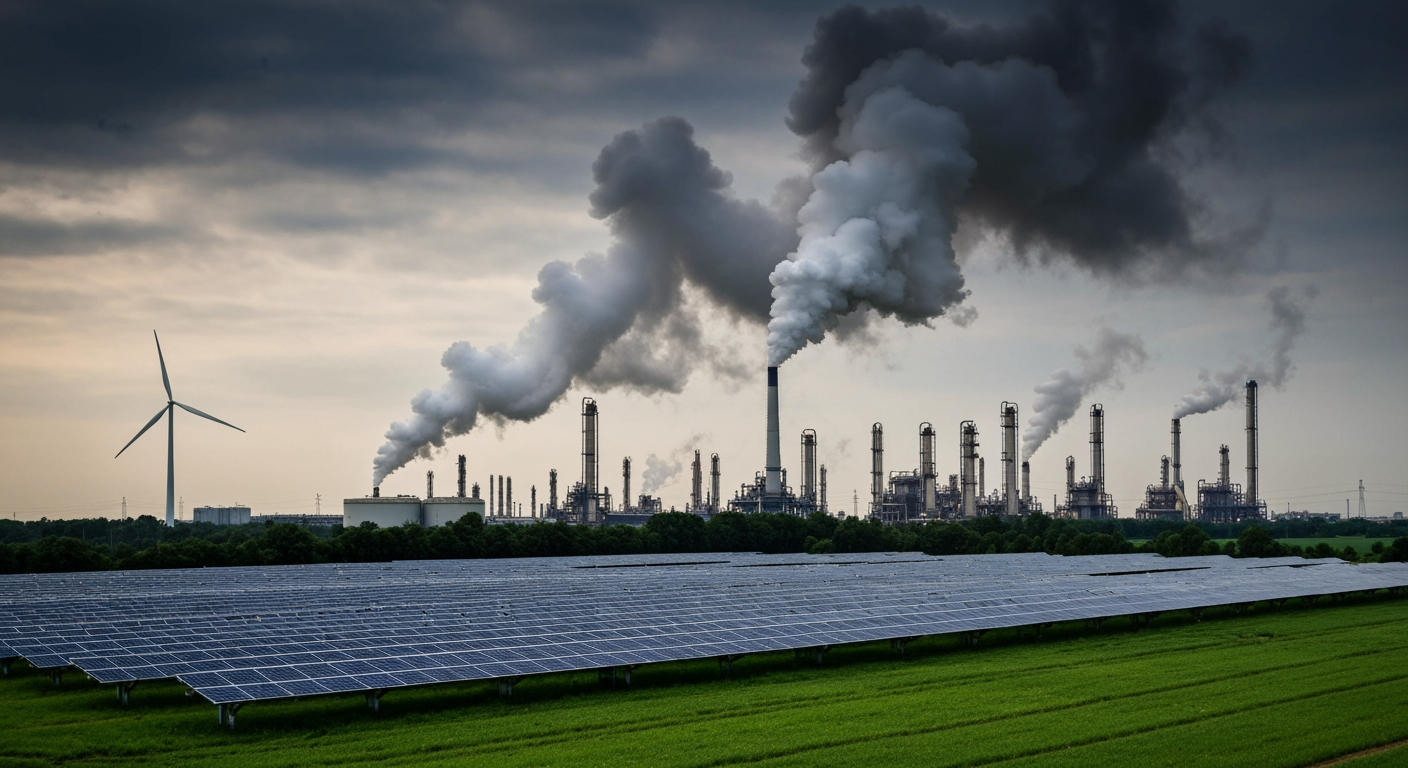
Europe's Green Surge vs. America's Fossil Fuel Might: A Global Energy Showdown
The global energy landscape is undergoing a profound transformation, marked by two fundamentally different approaches to power generation and economic development. On one side, the European Union is vigorously pursuing an ambitious clean energy transition, aiming for climate neutrality and energy independence through renewables

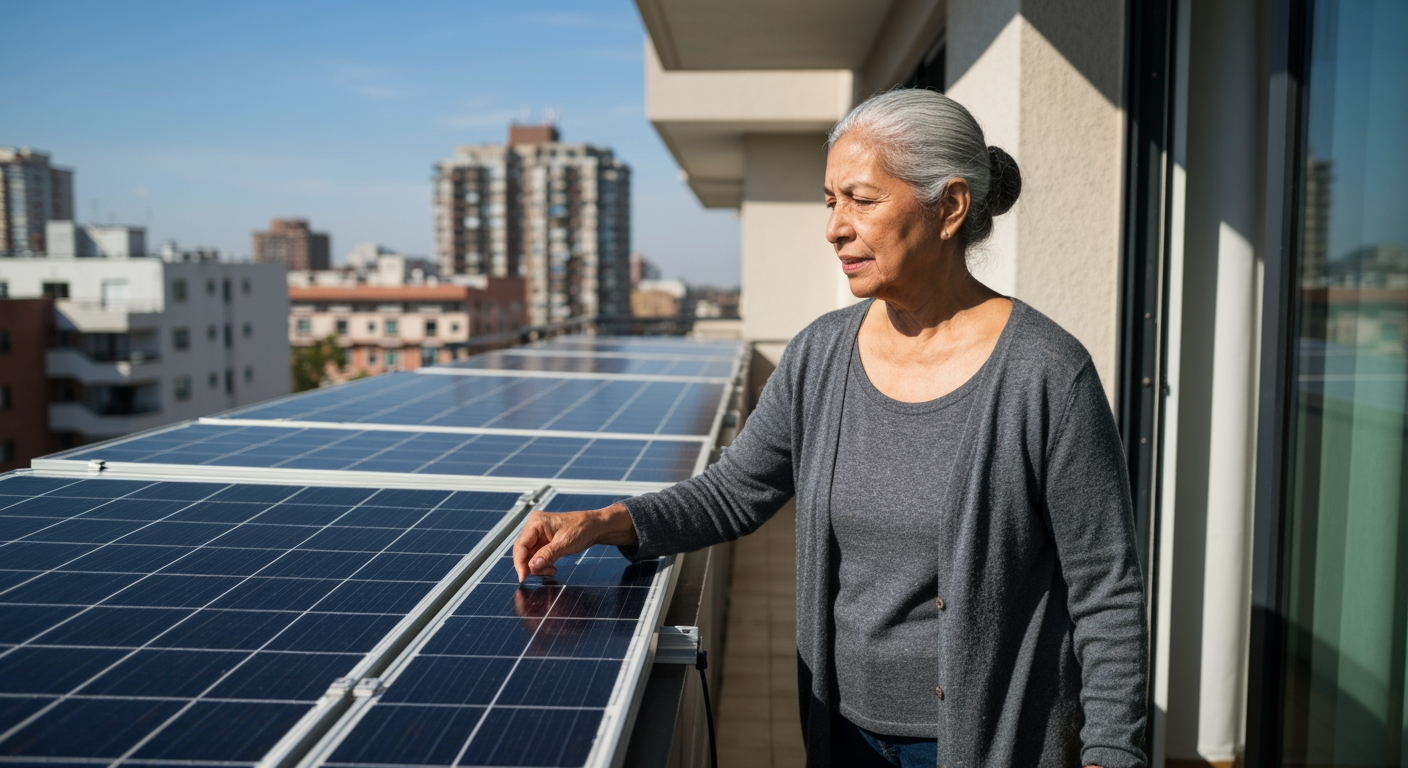
Balcony Solar Illuminates New Path for Renewable Energy Across US States
A quiet revolution is beginning to unfold across American cities and suburbs, transforming apartment balconies and small patios into miniature power plants. As US states increasingly embrace renewable energy solutions, the simple, accessible technology of balcony solar panels is emerging as a significant new frontier, offering individuals a direct stake in the clean energy transition

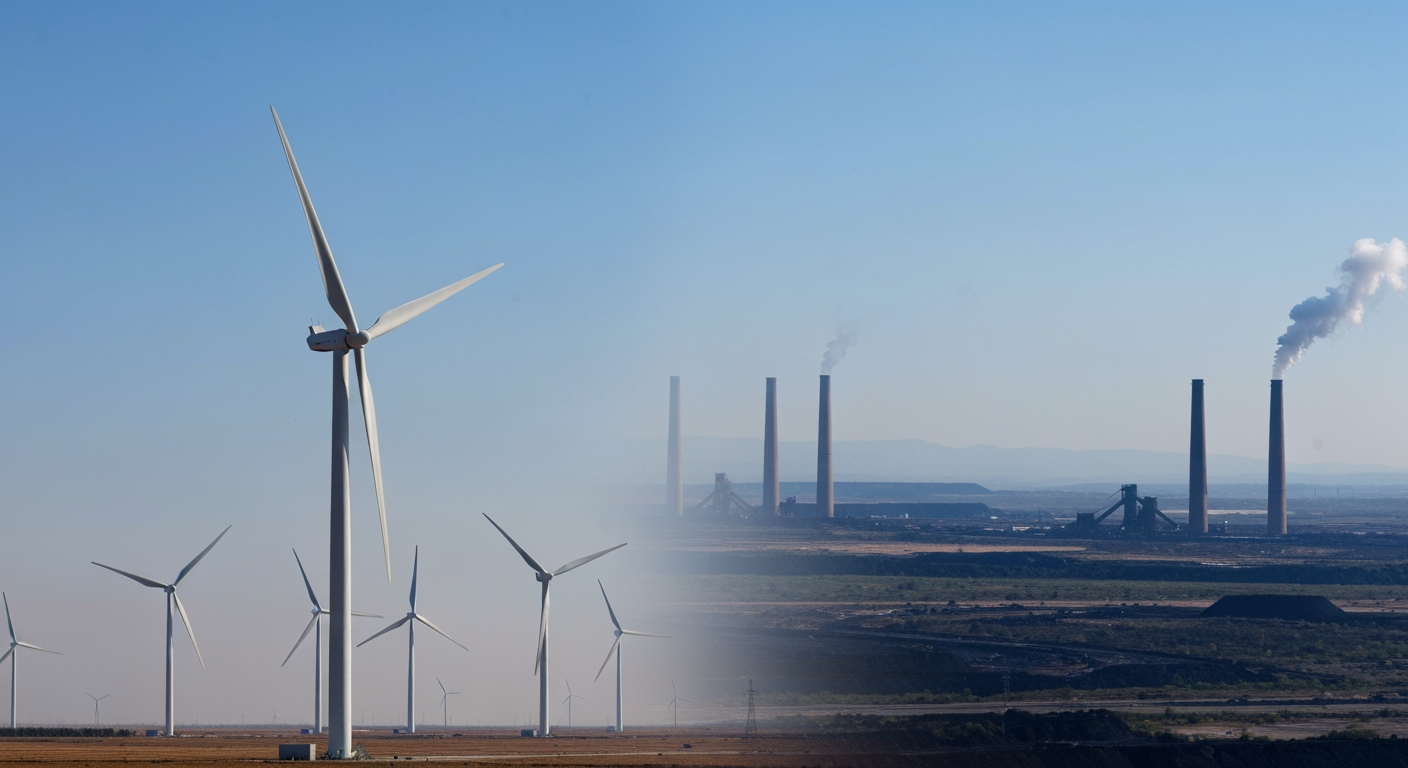
A Tale of Two Energies: China Champions Renewables as U.S. Grapples with Coal's Sunset
In a dramatic global energy narrative, China has firmly positioned itself as a titan of renewable energy, channeling unprecedented investments into solar, wind, and hydropower, while the United States, under former President Donald Trump's administration, made concerted efforts to revive its struggling coal industry. This stark divergence in energy strategies by the world's two largest economies has profound implications, not only for their respective economic futures and environmental footprints but also for the trajectory of global climate action and international energy markets