Russia Charges Telegram Founder Durov with Aiding Terrorism, International Warrant Issued

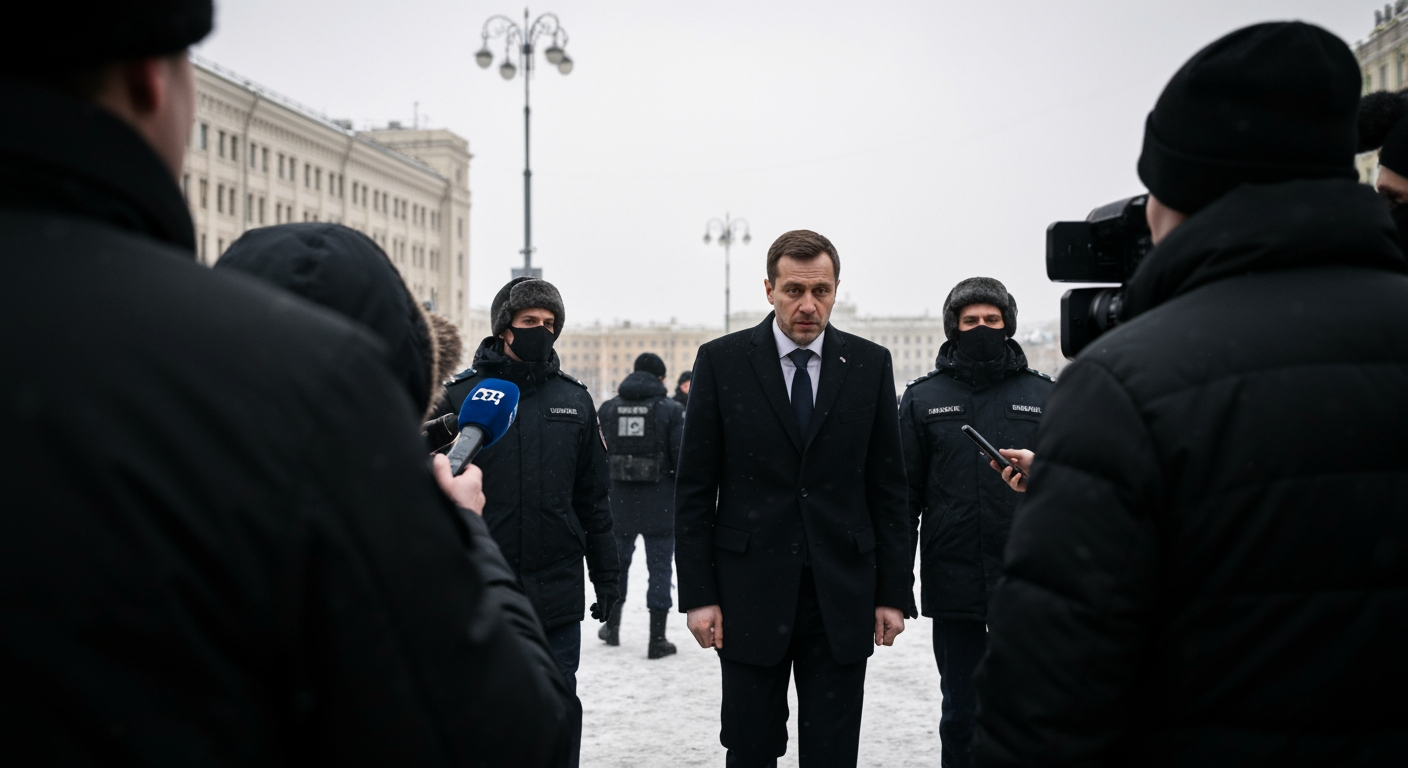
MOSCOW – Russian authorities have escalated their long-standing conflict with encrypted messaging service Telegram, formally charging its founder, Pavel Durov, with "aiding terrorist activities" and placing him on an international wanted list. The move by Russia's Federal Security Service (FSB) marks a significant intensification of pressure on the popular platform, accusing it of failing to remove content used by extremist and intelligence organizations to coordinate attacks within Russia.
The charges, announced Wednesday, come amidst a broader push by Moscow to tighten control over online communications and cultivate a "sovereign internet." Durov, who resides abroad, has vehemently denied the allegations, characterizing them as a politically motivated attempt to suppress free speech and privacy.
Allegations of Complicity and National Security Concerns
The FSB's accusations against Pavel Durov center on Telegram's alleged failure to curb the use of its platform for illicit activities. According to statements from the security agency, Telegram's administration has not removed "numerous channels, chats and bots" that are "actively used by Ukrainian intelligence agencies, terrorist, and extremist organizations to prepare and coordinate acts of sabotage and terrorism, mass murder, and cyberfraud" within Russia.
Russian authorities contend that these activities, facilitated by Telegram's unmoderated environment, have led to "numerous casualties, including women and children, as well as billions of dollars in material damage." The charges fall under Article 205.1, Part 1.1 of the Russian Criminal Code, pertaining to aiding terrorist activities, which carries a potential prison sentence of up to 15 years. Kremlin spokesperson Dmitry Peskov indicated that the authorities had identified content on Telegram posing a "potential threat" to Russia, justifying the measures taken.
Durov's Vehement Denial and Defense of Digital Freedom
In response to the criminal investigation, Pavel Durov has publicly rejected the Russian allegations. In a statement, the Telegram founder described the charges as "fabricated pretexts" designed to restrict Russian citizens' access to the platform and undermine their rights to privacy and free speech. He critically labeled the situation a "sad spectacle of a state afraid of its own people."
Durov, who was born in Russia but left the country in 2014 and holds French and UAE citizenship, has consistently positioned Telegram as a bastion of digital freedom and user privacy, often clashing with government demands for data access and content moderation. He has not indicated any intention to return to Russia, making the international wanted list primarily a symbolic but legally significant threat that could restrict his travel to countries with extradition agreements with Moscow.
A Decades-Long Battle for Control
This latest confrontation is not an isolated incident but rather the newest chapter in a protracted struggle between Russian authorities and Telegram. The Kremlin's desire to control information flow and digital communications dates back years, with Telegram frequently at the center of these efforts.
A notable past instance occurred in 2018, when Russia attempted to block Telegram nationwide after Durov refused to provide encryption keys to the FSB under the "Yarovaya Law," which mandated that telecommunications providers store user data and make it available to security services. Despite extensive efforts by the state communications watchdog, Roskomnadzor, the ban proved largely ineffective, as Telegram's anti-censorship workarounds allowed it to remain widely accessible. The ban was eventually lifted in June 2020, with authorities citing Telegram's agreement to cooperate on "extremism investigations" without compromising user privacy.
More recently, in early 2026, Russian authorities initiated a new phase of restrictions, slowing down Telegram's traffic and suggesting plans for a complete block. This coincides with Russia's push to promote its own state-controlled messaging alternative, MAX, which critics argue lacks end-to-end encryption and is designed for surveillance. Human rights organizations have criticized these actions as a "digital repression toolbox" aimed at restricting free communication.
Broader Implications for Digital Freedom and Global Governance
The Russian charges against Pavel Durov extend beyond an individual criminal case, highlighting fundamental global debates surrounding platform responsibility, government oversight of online services, and the delicate balance between national security and digital privacy.
Telegram, with over 1 billion users worldwide, has become a critical tool for communication, information sharing, and even military coordination, particularly in conflict zones like Ukraine. However, its strong encryption and minimal content moderation policies have also made it attractive to criminal and extremist elements, presenting a complex challenge for governments globally. The charging of a tech CEO over moderation policies has been described by some experts as "unprecedented," underscoring the escalating tensions between states and global tech platforms.
Durov has faced legal scrutiny before; in August 2024, he was arrested in France as part of a probe into organized crime, including allegations of child sexual exploitation and drug trafficking on Telegram. That incident also sparked debate about platform liability and even strained French-Russian relations at the time.
The Russian charges against Durov serve as a stark reminder of the ongoing global struggle to regulate the digital sphere without infringing on fundamental freedoms. As governments increasingly seek to exert control over online content, the conflict between national security imperatives and the principles of privacy and free expression is likely to intensify, with platforms like Telegram remaining at the epicenter of this evolving landscape.
Related Articles

Global Surge in Antisemitism: 2025 Marks Deadliest Year in Decades for Jews Outside Israel
Global Jewish communities are grappling with an alarming and sustained rise in antisemitic violence, with a new report revealing that 2025 was the deadliest year for antisemitic attacks outside of Israel in over three...

France Expels Russian Media Commentator Amid Escalating Disinformation Battle
PARIS, France – In a significant escalation of France's battle against foreign interference, the French government on Wednesday ordered the expulsion of Russian media commentator Xenia Fedorova, accusing her of actively...