Oaxaca Mayor Fatally Shot Amid Widespread Political Violence in Mexico

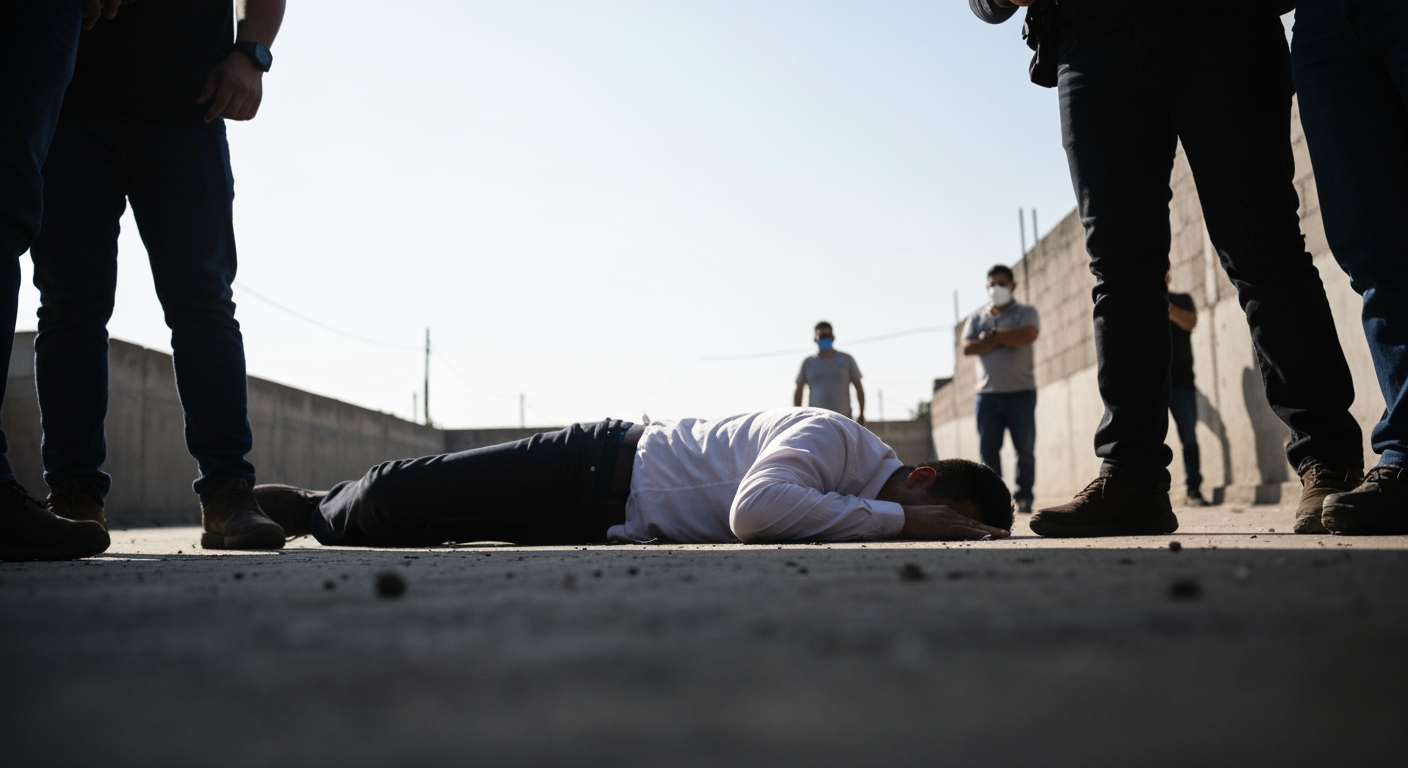
OAXACA, Mexico – In a stark reminder of the persistent and dangerous landscape facing local officials in Mexico, Jose Angel Bravo Martinez, mayor of San Miguel Amatitlan, Oaxaca, was fatally shot on Friday, June 13, 2026. His assassination in the Mixteca region has triggered a formal investigation by state authorities and the deployment of security forces to apprehend those responsible, yet it underscores a deeply entrenched pattern of violence against politicians that continues to plague the nation. The incident follows another mayoral killing in Oaxaca just last month, highlighting the severe challenges to governance and public safety, particularly at the municipal level.
The Attack: A Mayor's Life Cut Short
Mayor Bravo Martinez died after being struck by bullets in an attack within the Mixteca region of Oaxaca. Authorities in the southern Mexican state confirmed his death, with the state prosecutor's office initiating a formal investigation into what they described as a "high-impact crime." State investigators and forensic teams were dispatched promptly to the scene to gather evidence and recover the mayor's body, coordinating efforts with federal security officials. While the specific circumstances surrounding the attack remain under investigation, local reports suggested the assailants either ambushed the mayor outside his home as he prepared for work or entered his residence to carry out the killing. Bravo Martinez, who was serving his third term as mayor, had been elected with the support of an opposition coalition that included the National Action Party (PAN). Officials have not immediately provided details on a possible motive, but the killing comes weeks after he was reportedly a victim of an armed robbery on a highway in Oaxaca state and had previously expressed concerns for his safety, requesting additional security from state authorities. However, a formal request for protection had reportedly not been received by federal authorities.
Oaxaca: A Hotbed of Political Targeting
The assassination of Mayor Bravo Martinez is not an isolated event in Oaxaca, a state that has consistently ranked among those with the highest levels of violence targeting political figures and human rights defenders. Just last month, Mario Hernandez Garcia, the mayor of Santiago Amoltepec, another Oaxaca town, was also murdered in an attack that claimed two other lives. This recurring violence points to a complex interplay of factors, including the presence of organized crime groups, communal land disputes, and intense political rivalries.
Oaxaca's challenging political landscape is further complicated by areas governed under "usos y costumbres" (uses and customs), a traditional electoral system where municipal authorities are chosen by community assembly. While these indigenous communities have shown some resilience against cartel infiltration in certain cases, the broader state still experiences significant targeting of local officials. Between 2018 and 2022, ACLED, a conflict data project, recorded over 100 events of violence targeting local officials in Oaxaca. These incidents are often attributed to political disputes rather than solely to gang activity, though the latter also plays a significant role, particularly in strategic corridors for drug and migrant trafficking. Despite efforts by state authorities to address conflicts that fuel political violence, many municipalities remain at high risk.
A National Crisis: Mayors on the Front Lines
The vulnerability of mayors in Oaxaca mirrors a nationwide crisis in Mexico, where local leaders frequently become targets in a broader struggle for power and control. Across the country, violence against local officials is a profound concern, particularly in rural areas where organized crime groups exert considerable influence. Data from the non-governmental organization Causa en Comun indicates that at least 60 politicians or lawmakers died in targeted killings last year. Since 2005, research has documented the killings of over 100 mayors, substitute mayors, and mayors-elect. Another study noted that between 2000 and 2021, political assassinations, largely driven by organized crime, have surged as these groups seek to influence candidate selection, control local governments for illicit gains, and retaliate against government crackdowns.
This pervasive violence extends beyond electoral periods, with criminal groups targeting officials who fail to adhere to pre-electoral agreements or impede their operations. Mayors, who represent the most local level of government, are often seen as the weakest link in Mexico's political system, lacking the robust protection enjoyed by higher-level politicians. They are the gatekeepers to local police forces, zoning regulations, and public contracts, making them prime targets for criminal organizations aiming for institutional control. If a mayor resists these demands, they face dire consequences. Over 65 local officials, including 20 mayors, have been killed since President Andrés Manuel López Obrador took office in 2018.
Eroding Democracy and Calls for Protection
The escalating violence against local officials has profound implications for Mexico's democratic integrity. When candidates and elected leaders are routinely threatened, assaulted, or killed, the democratic process itself is reshaped by fear, diminishing free political competition. The ability of local governments to function independently and serve their communities is severely compromised, fostering an atmosphere where criminal groups can effectively govern through intimidation.
There is growing public skepticism about local governments, with a significant percentage of Mexican citizens believing mayors are corrupt. This perception, combined with the reality of targeted violence, further weakens trust in institutions. While federal authorities have offered protective measures such as bulletproof vehicles and bodyguards to some candidates, those running for municipal positions, often the most endangered, are often the last to receive such security. The lack of a robust national strategy to confront electoral violence and dismantle the networks that enable it leaves many local leaders exposed.
Conclusion: A Nation's Enduring Struggle
The tragic death of Mayor Jose Angel Bravo Martinez is a grim testament to the enduring struggle against political violence in Mexico. His assassination in Oaxaca is not an isolated incident but a symptom of a deeper, systemic problem that continually undermines democratic institutions, particularly at the local level. As investigations proceed into his murder, the broader challenge remains: how to protect public servants who stand on the front lines of governance against the pervasive influence of organized crime and political rivalries. Without effective strategies to ensure their safety and uphold the rule of law, the shadow of violence will continue to cast a long pall over Mexico's democratic future.
Related Articles

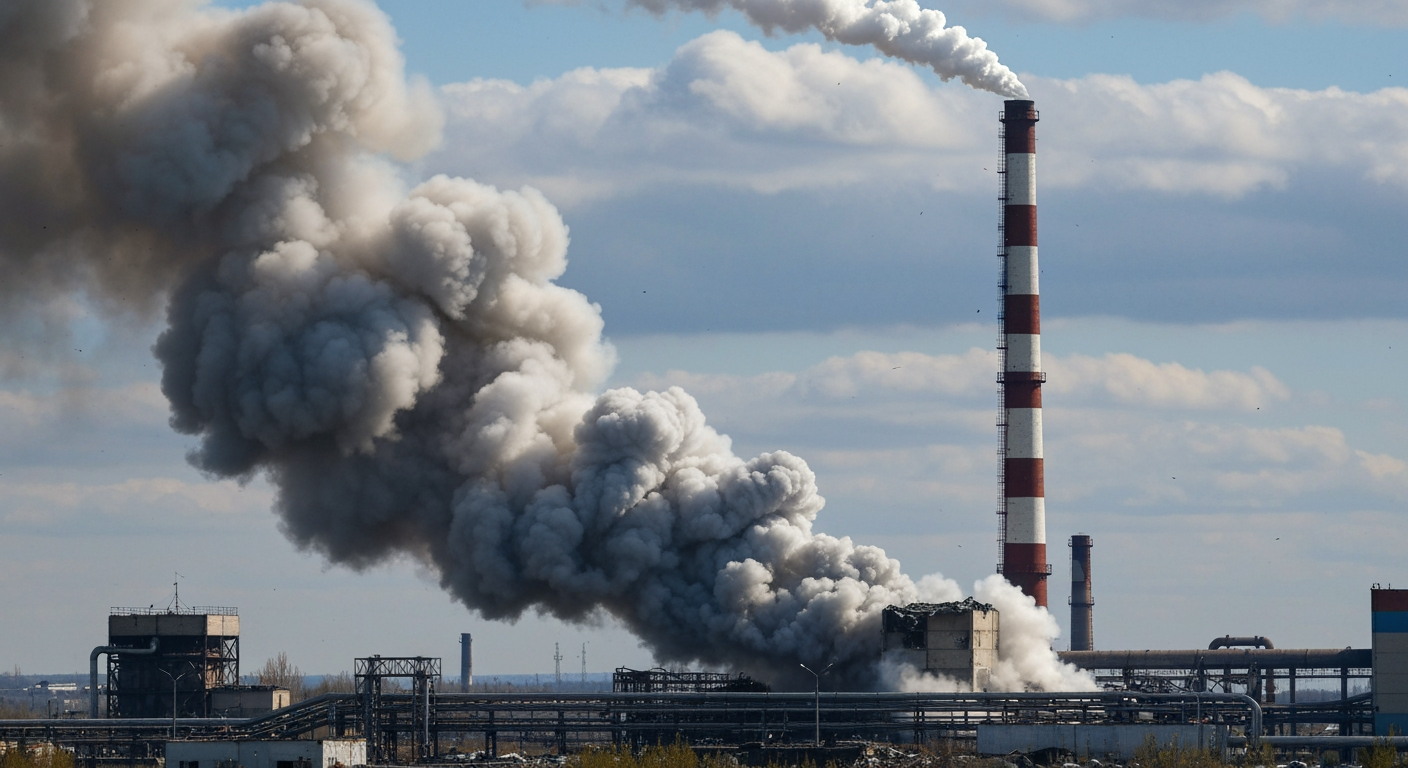
Ukraine Intensifies Long-Range Strikes, Targeting Russia's Industrial Backbone
KYIV, Ukraine – Ukraine has dramatically escalated its long-range offensive against Russia, unleashing a wave of drone and missile attacks that have targeted critical industrial facilities deep within Russian territory....

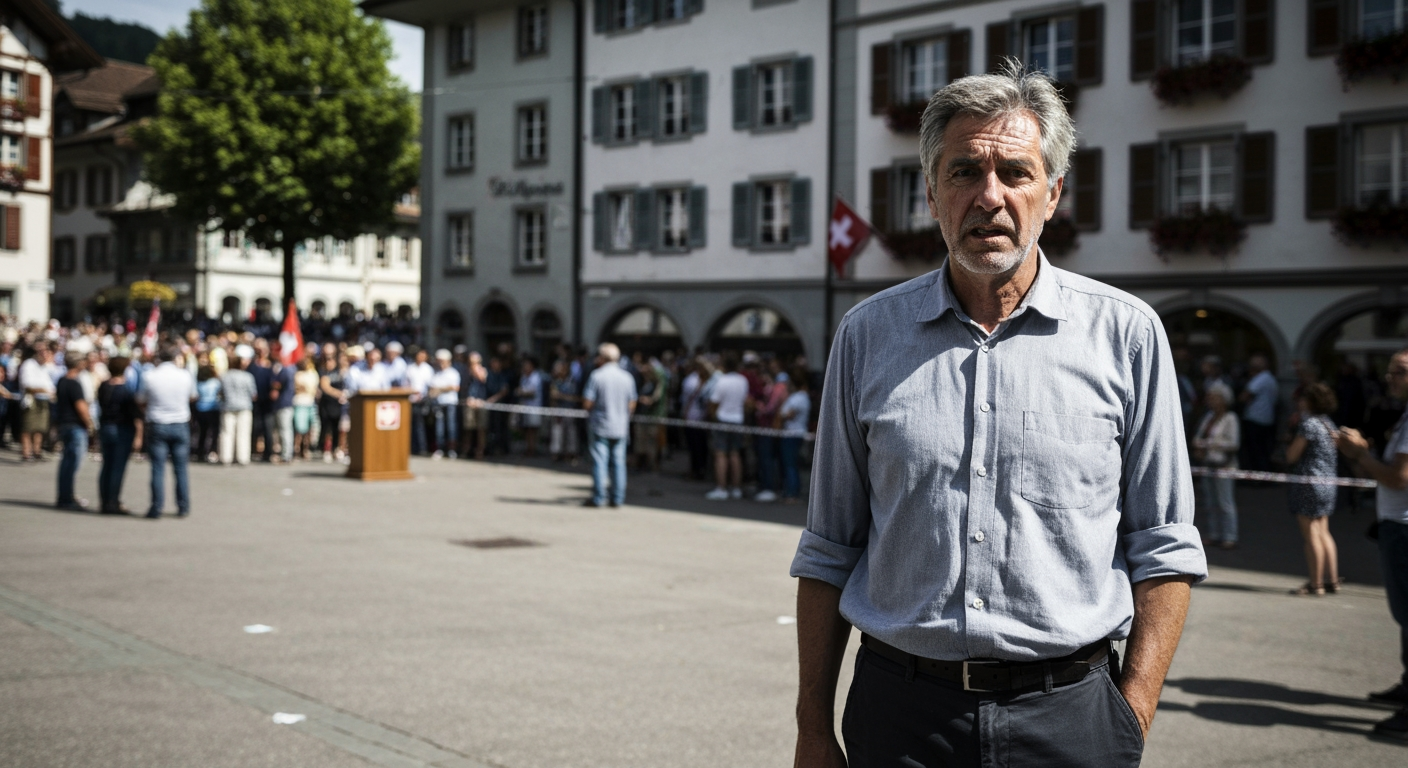
Swiss Voters Reject Population Cap, Upholding Economic Ties and Openness
GENEVA – Swiss voters have decisively rejected a controversial initiative aimed at capping the country's permanent resident population at 10 million by 2050, opting instead to maintain existing economic agreements and a...