Methane Reduction Emerges as Swift, Cost-Effective Climate Strategy
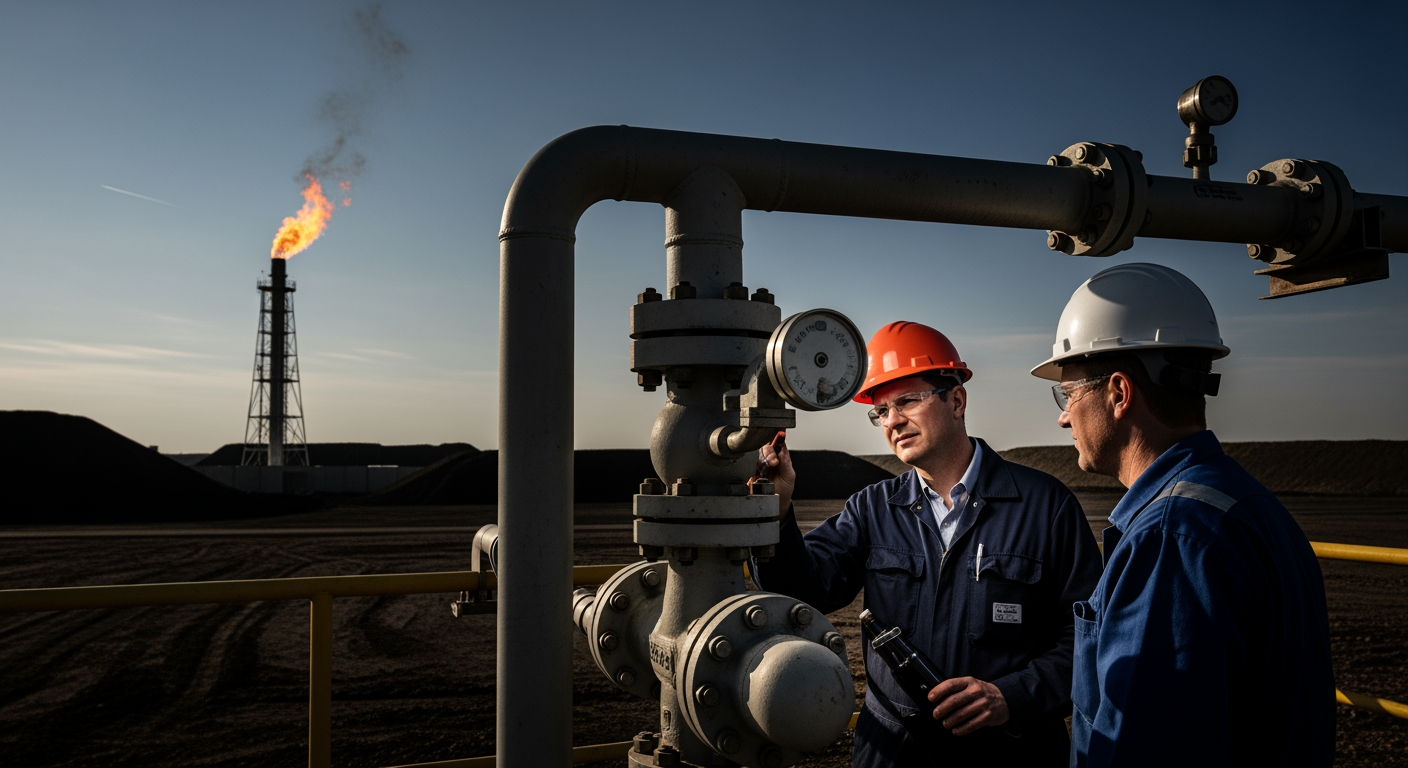
In the global effort to mitigate climate change, a powerful yet often underestimated greenhouse gas, methane, is gaining critical attention. Recognized for its potent warming capabilities and relatively short atmospheric lifespan, reducing methane emissions presents one of the most immediate and cost-effective pathways to decelerate global warming in the near term. Experts and international bodies now emphasize that concerted action on methane can yield rapid climate benefits, buying crucial time as the world transitions away from long-lived carbon dioxide emissions.
Methane, the primary component of natural gas, is a formidable climate driver. While it persists in the atmosphere for approximately 12 years—significantly less than carbon dioxide, which can remain for centuries—its warming impact is profoundly greater. Over a 20-year period, methane is estimated to be 84 to 86 times more potent than carbon dioxide at trapping heat, and roughly 25 to 28 times more potent over a 100-year timeframe. This makes methane the second-largest contributor to global warming since pre-industrial times, responsible for about 30% of the heating observed to date. The majority of methane emissions, more than 60%, stem from human activities, with agriculture, fossil fuels, and waste management being the predominant sources.
The Potent, Fleeting Threat
The atmospheric concentration of methane has more than doubled since pre-industrial times, underscoring the urgency of addressing its escalating levels. Unlike carbon dioxide, which accumulates in the atmosphere over extended periods, methane's relatively short lifespan means that reducing its emissions can lead to a comparatively swift decrease in atmospheric concentrations, thereby slowing the rate of global warming within decades. This characteristic positions methane abatement as a vital short-term climate intervention, offering an immediate cooling effect that complements the essential, long-term challenge of decarbonizing global economies. The benefits extend beyond climate stabilization, encompassing significant improvements in air quality and public health. Methane contributes to the formation of ground-level ozone, a hazardous air pollutant linked to respiratory illnesses, premature deaths, and reduced crop yields. A substantial reduction in methane could prevent hundreds of thousands of premature deaths and millions of tons of crop losses annually.
The main human-caused sources of methane are broadly categorized into three sectors. Agriculture accounts for approximately 40% of these emissions, primarily from livestock rearing (enteric fermentation and manure management) and rice cultivation. The fossil fuel sector, encompassing oil, natural gas, and coal operations, contributes about 35% through leaks, venting, and flaring during extraction, processing, and distribution. The waste sector, mainly from landfills and wastewater treatment, makes up the remaining 20%. Natural sources, such as wetlands, also contribute, but human activities are the focus of mitigation efforts due to their controllability.
An Urgent Opportunity: The "Fast and Cheap" Proposition
The "fast and cheap" aspect of methane reduction is particularly compelling. Numerous studies indicate that a significant portion of methane emissions can be curtailed at low costs, with many measures even resulting in net economic savings. This is especially true in the fossil fuel industry, where capturing leaking methane can translate into marketable natural gas, offsetting or even exceeding the cost of the abatement technology. For instance, the International Energy Agency estimates that over 70% of methane emissions from oil and gas operations could be reduced using existing technologies, with nearly half of these reductions achievable at no net cost to companies. This "win-win" scenario means that preventing methane leaks not only benefits the environment but also enhances energy security by conserving a valuable resource. Investing in methane abatement in the oil and gas sector could also represent one of the lowest-cost 4% greenhouse gas emission reductions available globally by 2030.
The immediate climate impact of methane reduction is a critical factor in its growing prominence. Reducing global methane emissions by 45% by 2030 could prevent a 0.3°C rise in the average global temperature by the 2040s. Such rapid action is seen as vital for maintaining the ambitious goal of limiting global warming to 1.5°C above pre-industrial levels, as outlined in the Paris Agreement. Beyond the direct climate benefits, methane mitigation strategies offer co-benefits such as enhanced public health through improved air quality and increased energy security by capturing otherwise wasted gas.
Targeted Solutions Across Key Sectors
Effective methane reduction requires tailored approaches for each major emitting sector:
- Fossil Fuels: The energy sector holds significant potential for rapid and cost-effective reductions. Technologies and practices include robust leak detection and repair (LDAR) programs using infrared cameras and sensors to identify and fix fugitive emissions from pipelines, wells, and processing facilities. Reducing flaring and venting of natural gas, implementing "green completions" during well preparation to capture gas, and replacing outdated, high-emissions equipment with low-bleed or zero-emission alternatives are also crucial.
- Agriculture: This sector presents more complex challenges, though solutions exist. Strategies involve improving manure management through anaerobic digesters that capture methane for energy generation, and adjusting livestock diets with feed additives to reduce methane produced during digestion. Genetic selection for lower-emitting livestock and optimized water management in rice paddies (e.g., regular draining) also offer mitigation pathways.
- Waste Management: Landfills are a major source where organic waste decomposes anaerobically. Capturing landfill gas and converting it into energy is a proven and effective mitigation strategy. Reducing the amount of organic waste sent to landfills through recycling and composting, alongside improved wastewater treatment processes, further contributes to abatement.
Global Momentum and Persistent Hurdles
Recognizing the immense potential of methane reduction, over 150 nations have joined the Global Methane Pledge (GMP), an initiative launched by the United States and the European Union at COP26 in 2021. Signatory countries voluntarily commit to collectively reduce global methane emissions by at least 30% from 2020 levels by 2030. This pledge, while non-binding, encourages nations to develop national methane action plans, improve monitoring and reporting, and align domestic policies with global climate goals. The GMP aims to eliminate over 0.2°C of warming by 2050, demonstrating the significant impact of coordinated action.
Despite this global commitment, significant challenges remain. Accurately measuring and monitoring methane emissions, which is an invisible and odorless gas, is complex and requires specialized equipment and advanced technologies, including satellite and aerial surveillance. Technological bottlenecks persist, particularly in the agricultural sector, where scaling up solutions like feed additives and genetic selection requires further research and development. Economic factors also play a role; while fossil fuel reductions often have financial incentives, methane abatement in agriculture and waste management can impose costs without immediate commercial benefits, requiring supportive policy and regulatory frameworks. Moreover, some of the world's top methane emitters, such as China, India, and Russia, have not formally joined the Global Methane Pledge, highlighting a need for broader international cooperation.
Conclusion
The compelling evidence points to methane reduction as an indispensable and readily achievable component of climate action. Its high global warming potential combined with a short atmospheric residence time offers a unique opportunity for rapid climate benefits, distinguishing it from longer-term carbon dioxide mitigation efforts. By implementing existing, cost-effective technologies and policies across the energy, agriculture, and waste sectors, humanity can significantly slow the rate of global warming, improve air quality, and enhance energy security. While challenges related to monitoring, technology adoption, and policy frameworks persist, the growing international consensus, exemplified by initiatives like the Global Methane Pledge, underscores a collective understanding that tackling methane emissions is not just a desirable climate action, but a critical imperative for achieving global temperature targets and securing a more sustainable future.
Sources
- ccacoalition.org
- cfr.org
- theguardian.com
- grist.org
- ccacoalition.org
- niwa.co.nz
- sustainability-directory.com
- epa.gov
- industrialdecarbonizationnetwork.com
- nasa.gov
- earth.org
- sustainability-directory.com
- ccacoalition.org
- epa.gov
- sustainability-directory.com
- spe.org
- visualizingenergy.org
- industrialdecarbonizationnetwork.com
- worldbank.org
- sustainability-directory.com
- canada.ca
- csis.org
- ccacoalition.org
- netzerocompare.com
- germanwatch.org
Related Articles


Earth's Climate in Unprecedented Imbalance, WMO Warns of Centuries-Long Repercussions
Geneva, Switzerland – The Earth's climate is currently in a state of imbalance more profound than at any other point in observed history, according to a stark new report released Monday by the World Meteorological...

Nuclear's Looming Cleanup Bill Threatens Global Expansion Ambitions
The global ambition for a nuclear energy renaissance, fueled by the urgent need for decarbonization and energy independence, faces a significant and escalating challenge: the staggering cost and complexity of cleaning...


German Village Powers its Future: Feldheim Becomes a Beacon of Energy Independence
FELDHEIM, Germany – Nestled in the tranquil Brandenburg countryside, approximately 80 kilometers southwest of Berlin, lies the unassuming village of Feldheim. With a population of around 125 to 150 residents, this small...