Kremlin's Measured Response to Maduro's Ouster: A Geopolitical Tightrope Walk
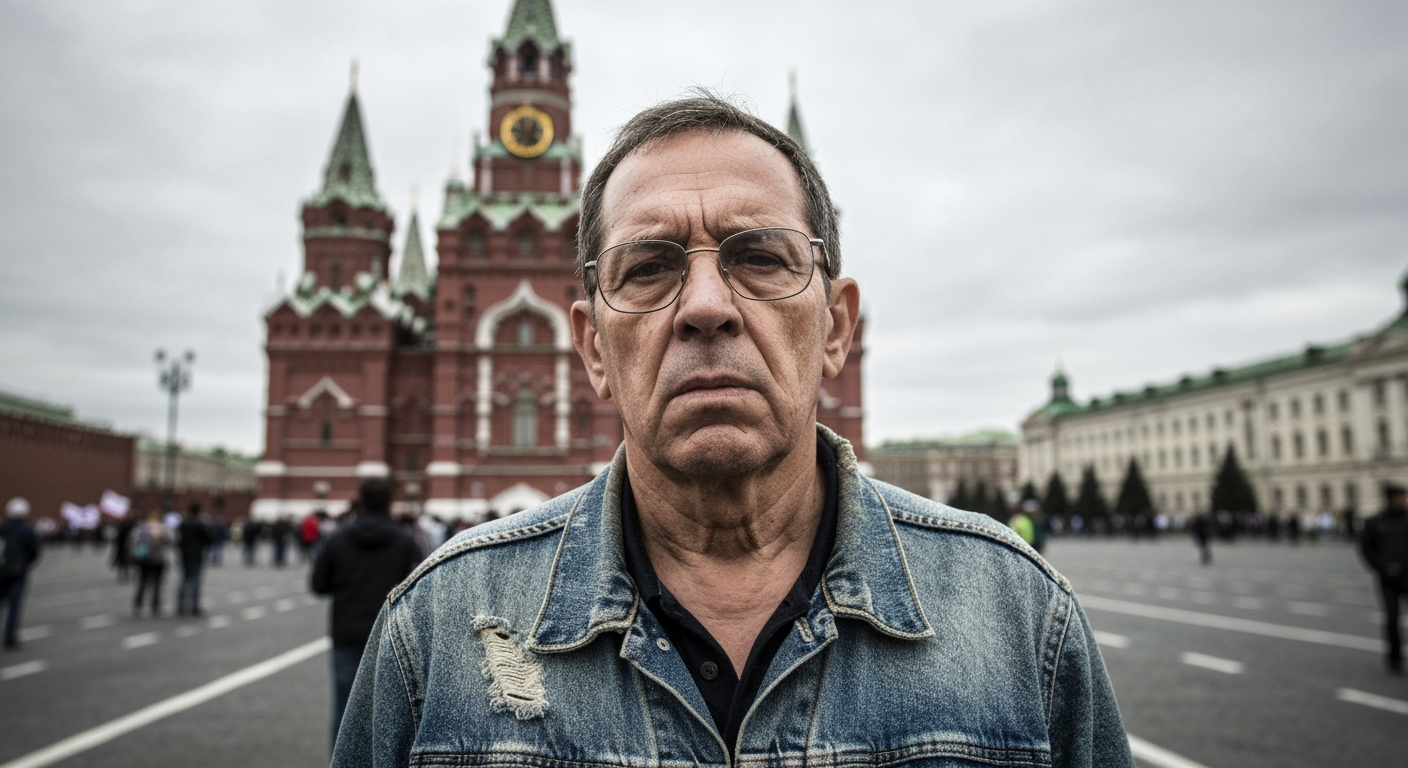
The sudden and dramatic removal of Venezuelan President Nicolás Maduro by United States forces on January 3, 2026, has sent shockwaves across the globe, fundamentally altering the political landscape of Latin America. While the United States declared a new era for Venezuela, the Kremlin, a long-standing and ardent supporter of the Maduro regime, has navigated a complex and seemingly contradictory response: vocal condemnation coupled with a notable absence of direct, forceful intervention. This calculated approach by Moscow reveals a blend of strategic pragmatism, economic calculation, and geopolitical constraints that underscore Russia's evolving role on the international stage.
The Caracas Coup and Moscow's Calculated Outcry
The early hours of January 3, 2026, witnessed a large-scale U.S. military operation, dubbed "Operation Absolute Resolve," in Caracas. U.S. special forces targeted and apprehended Nicolás Maduro and his wife, Cilia Flores, subsequently flying them to New York to face charges of narcoterrorism and other offenses. The operation marked an abrupt end to Maduro's presidency, which the U.S. and many international observers deemed illegitimate following the disputed 2024 elections. However, the Venezuelan government structure, with Vice President Delcy Rodríguez sworn in as acting president, largely remained intact.
In the immediate aftermath, the Kremlin's reaction was swift and critical, though primarily rhetorical. The Russian Foreign Ministry vehemently condemned the U.S. action as "armed aggression" and an "unacceptable encroachment on the sovereignty of an independent state." Moscow demanded Maduro's release, dismissing Washington's justifications for the strikes as unfounded. This strong verbal condemnation underscored Russia's consistent diplomatic support for Maduro throughout his tenure, often blocking international initiatives aimed at sanctioning or isolating Venezuela. Yet, beneath the fiery rhetoric, a distinct lack of direct military or substantive counter-action from Moscow became evident, raising questions about the true extent of Russia's commitment and its strategic priorities.
Decades of Deep Ties: Russia's Stake in Venezuela
Russia and Venezuela have cultivated a robust strategic partnership over the past two decades, rooted in shared anti-U.S. sentiment and mutual economic interests. This alliance, significantly bolstered during the presidency of Hugo Chávez and continued under Maduro, saw Russia become Venezuela's most crucial trading and military ally in Latin America.
Economically, Russia's state oil company, Rosneft, engaged in extensive joint ventures with Venezuela's PDVSA, acquiring significant stakes in lucrative oil blocks and investing billions in the country's energy sector. These investments, alongside substantial loans, effectively provided a financial lifeline to the Venezuelan government, particularly amid severe U.S. sanctions and a deepening economic crisis. Moscow's involvement was not solely for financial returns but also to secure access to Venezuela's vast oil and gas reserves, a strategic component of Russia's global energy network.
Militarily, Russia became a primary arms supplier to Venezuela, delivering billions in weaponry, including fighter jets, helicopters, tanks, and advanced air defense systems. This military cooperation extended to training and advisory services, solidifying a defense partnership aimed at bolstering Venezuela's armed forces and, by extension, challenging U.S. influence in the Western Hemisphere. From Moscow's perspective, a strong, Russia-aligned Venezuela provided a strategic foothold close to the U.S., a key component of its broader objective to foster a multipolar world order.
Geopolitical Chessboard: Ukraine, U.S. Relations, and Pragmatism
Despite the deep-seated alliance and strong condemnations, Russia's decision to refrain from direct military intervention in Venezuela appears to be a calculated geopolitical move. A primary factor influencing Moscow's response is its ongoing involvement in the war in Ukraine. With significant military resources committed to its conflict in Eastern Europe, Russia likely prioritized its immediate security interests closer to home. Sources suggest that the Kremlin had previously rebuffed Maduro's requests for direct military assistance, possibly to avoid further stretching its capabilities or to preserve a delicate balance in its relations with the Trump administration, particularly concerning potential peace negotiations for Ukraine.
Furthermore, Russia's foreign policy in Latin America, while aimed at countering U.S. influence, has increasingly adopted a pragmatic and flexible approach. Unlike the Soviet era, Moscow's current strategy emphasizes fostering relations that serve its broader global objectives, including disrupting Western democracies and promoting a multipolar world. Direct military confrontation with the U.S. over Venezuela would entail immense risks and potentially divert crucial resources away from its strategic priorities. Some analysts even posit that Russia might "gain more than lose" from a U.S. intervention in Venezuela, using the event as a bargaining chip in wider international negotiations or to further challenge the perceived U.S. hegemony. The capture of Maduro by U.S. forces and the subsequent reflagging of "shadow fleet" tankers to Russia to circumvent sanctions on Venezuelan oil also illustrate a strategic opportunism, where Russia might capitalize on the disruption without direct military involvement.
The Humiliation Factor and Internal Scrutiny
While the official line was one of indignation, Maduro's ouster triggered a wave of internal criticism within pro-Kremlin circles, particularly among military bloggers and commentators. These figures reportedly slammed the U.S. operation as a "humiliation for Russia" and a "massive foreign policy disaster" for President Vladimir Putin. They drew stark parallels to Russia's own failures in Ukraine, specifically the inability to achieve a swift ouster of Volodymyr Zelenskyy, highlighting a perceived weakness in Russia's capacity to protect its allies on the global stage.
This domestic scrutiny underscores the reputational cost for Moscow. The image of a staunch ally being removed by U.S. forces without a robust Russian counter-response could be seen as undermining Russia's credibility as a reliable partner, especially for other authoritarian regimes it supports globally. The contrast between Russia's vocal support and its limited practical action suggests a tension between ideological solidarity and strategic self-interest, revealing the complexities of Russia's power projection capabilities in distant theaters.
Enduring Influence Amidst Regime Change
Despite Maduro's physical removal, the immediate aftermath of Operation Absolute Resolve saw a continuation of the Chavista power structure in Venezuela. Delcy Rodríguez, a long-time loyalist and Maduro's vice president, quickly assumed the acting presidency, as stipulated by the Venezuelan constitution. Other key figures within Maduro's inner circle, including military and security officials, largely remained in their posts. This suggests that while the symbolic head of the regime was gone, the underlying network of power and influence persisted.
For Russia, this continuity offers an avenue to maintain its influence without needing to directly reinstate Maduro. Moscow can continue to engage with the acting government, leveraging existing economic and military agreements, which were recently deepened through a strategic partnership treaty extending beyond 2030. This treaty, ratified by Putin in late 2025, solidifies cooperation across economic, political, and military spheres, including energy collaboration and the potential creation of a separate Russian-Venezuelan financial system. By adapting to the new leadership, Russia can preserve its strategic objectives, such as challenging U.S. influence and accessing Venezuela's resources, albeit under different circumstances.
In conclusion, the Kremlin's reaction to Nicolás Maduro's ouster was far from simple silence. It was a carefully orchestrated response blending vehement diplomatic condemnation with a strategic reluctance for direct military intervention. This nuanced approach reflects Russia's pragmatic calculations amidst its war in Ukraine, its enduring geopolitical competition with the United States, and the internal pressures to maintain its international standing. While the symbolic loss of a key ally is undeniable, Moscow appears poised to adapt its strategy, seeking to maintain influence through the continuing Chavista leadership and leveraging the geopolitical fallout to its advantage in the broader global arena. The future of Russia-Venezuela relations, while altered, remains a critical component of Moscow's efforts to shape a multipolar world order and challenge U.S. dominance in the Western Hemisphere.
Related Articles


Bishop Heiner Wilmer Elected to Lead German Bishops' Conference Amidst Deep Divides
WÜRZBURG, Germany – Bishop Heiner Wilmer of Hildesheim has been elected the new President of the German Bishops' Conference, assuming leadership of a Church grappling with profound internal reform efforts, declining membership, and strained relations with the Vatican. His election on Tuesday, February 24, 2026, positions him at the helm for a six-year term, succeeding Bishop Georg Bätzing of Limburg, who chose not to seek re-election

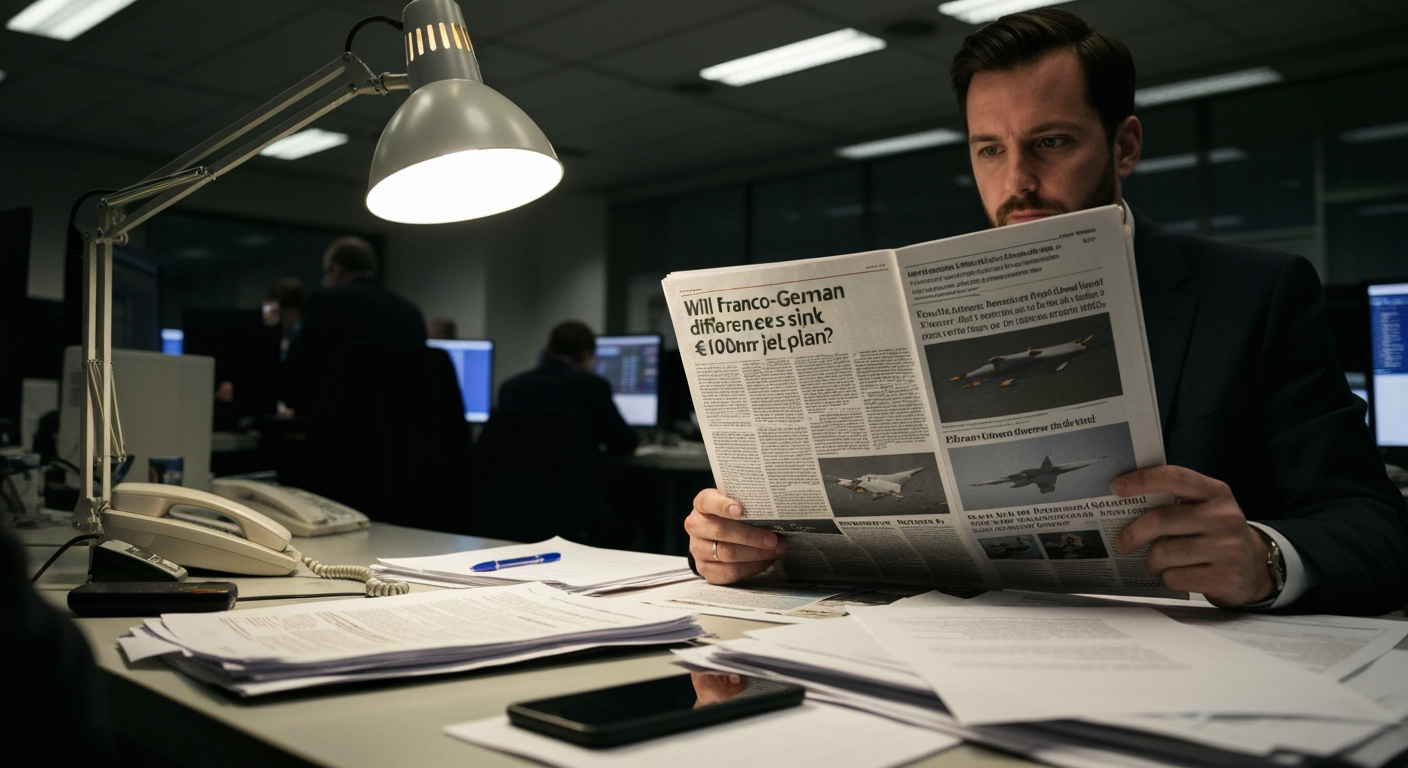
Franco-German Rift Threatens to Ground Europe's Flagship €100 Billion Fighter Jet Program
Brussels, Belgium – The ambitious €100 billion Future Combat Air System (FCAS), a cornerstone of European defense autonomy, faces an uncertain future as deepening industrial and strategic divisions between France and Germany threaten to derail the continent's most expensive military project. Originally envisioned as a unified sixth-generation fighter jet system by 2040, the program is now grappling with fundamental disagreements that could lead to its significant restructuring or even the abandonment of its central component, the Next Generation Fighter (NGF). Launched in 2017 as a joint initiative by France and Germany, with Spain joining in 2019, the FCAS program was designed to develop an integrated "system of systems." This comprehensive network includes a New Generation Fighter (NGF) to replace France's Rafale and Germany and Spain's Eurofighters, alongside autonomous Remote Carriers (drones) and a sophisticated "combat cloud" for data sharing and operational coordination
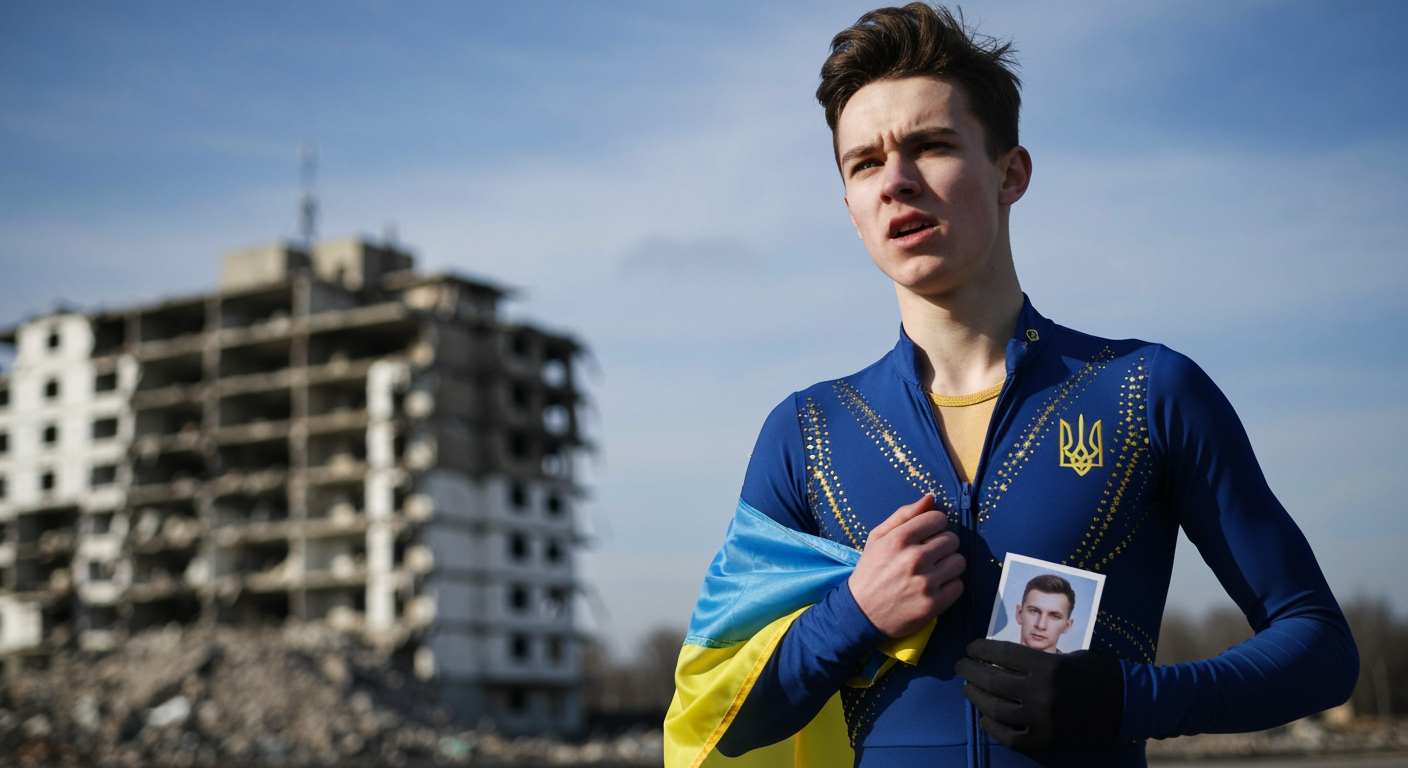
Olympic Skater Finds Brief Respite and Reunion Amidst Ukraine's Enduring Conflict
MILAN – Four years of relentless war, marked by the destruction of homes, shattered livelihoods, and the constant threat of aerial attacks, culminated in a poignant reunion at the Milan Cortina Games. American figure skater Vadym Kolesnik, whose family in Ukraine has endured the brutal realities of conflict, recently embraced relatives he had not seen since Russia’s full-scale invasion intensified