Kenya-Somalia Border Set to Reopen Amidst Lingering Security Fears, Economic Hopes

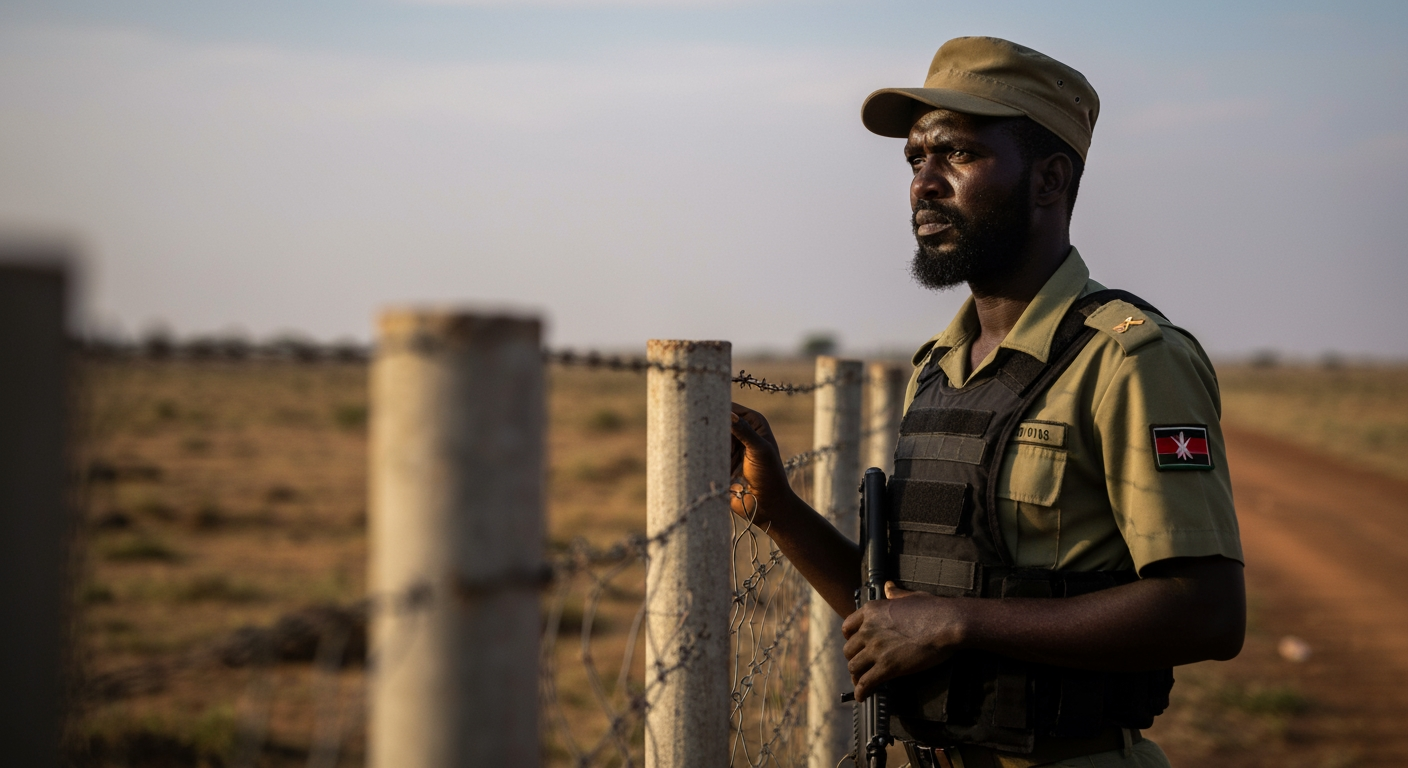
MANDERA, Kenya – After a 15-year closure, the border between Kenya and Somalia is slated to officially reopen in April 2026, a move hailed by Kenyan President William Ruto as a step toward revitalizing cross-border trade and reconnecting fractured communities. However, the decision comes weighted with significant security concerns, particularly regarding the enduring threat posed by the Al-Shabaab militant group, whose attacks originally prompted the border's shutdown. The ambitious reopening aims to unlock economic potential and foster regional integration, yet it simultaneously presents a complex challenge of balancing prosperity with the persistent need for vigilance against terrorism.
A New Dawn for Cross-Border Ties? The Rationale Behind Reopening
The impending reopening of the Kenya-Somalia border marks a pivotal shift in bilateral relations, frozen for over a decade due to insecurity. President William Ruto, speaking from Mandera, a Kenyan county bordering Somalia, emphasized the unacceptable isolation experienced by residents on both sides of the frontier. He highlighted the desire to restore vital economic and social ties, believing that the prolonged closure had unduly hampered the prosperity of border communities. The border, spanning approximately 680 kilometers (420 miles), has been largely sealed since October 2011, following a wave of deadly attacks by the Al-Qaeda-affiliated Al-Shabaab group on Kenyan soil. This closure severed historical trade routes and separated families who share deep cultural and clan links across the porous boundary.
The Enduring Shadow of Al-Shabaab
The primary catalyst for the 2011 border closure was the escalating threat from Al-Shabaab, a militant group that has waged a persistent insurgency in Somalia for over 15 years and conducted numerous cross-border attacks into Kenya. Major incidents, including the 2013 Westgate shopping mall attack in Nairobi and the 2015 Garissa University massacre, which claimed 67 and 148 lives respectively, underscored the group's capacity for violence and its reach within Kenya. Even recent years have seen a surge in Al-Shabaab activity along the border, with attacks targeting security forces and civilians, often utilizing improvised explosive devices (IEDs). Counties such as Mandera, Garissa, Wajir, and Lamu have consistently been identified as hotspots for militant activity. Previous attempts to reopen the border, including a phased plan agreed upon in May 2023, were abruptly halted due to renewed attacks attributed to Al-Shabaab, highlighting the volatile nature of the security landscape. Security experts have voiced concerns that without credible and visible security barriers, reopening the border could facilitate the movement of arms and increase infiltration points, potentially exacerbating insecurity both domestically and regionally.
Economic Promise and Community Revitalization
Despite the security challenges, the reopening is anticipated to usher in significant economic benefits for the region. The Kenya-Somalia frontier has historically been a vibrant corridor for informal and formal trade, encompassing livestock, agricultural produce, and consumer goods. Its prolonged closure disrupted supply chains, impacting local economies in Kenya's northeastern counties and southern Somalia. Communities in Mandera, which are predominantly ethnic Somali, have strong commercial ties across the border and have operated below their potential for over a decade.
The resumption of formal trade channels is expected to boost local markets, stimulate warehousing and transport services, and facilitate retail expansion. Small and medium-sized enterprises stand to gain from improved market access and reduced transaction costs. For instance, the recent partial reopening of the border for miraa (khat) exports has already been welcomed by traders and farmers who suffered losses during the closure, with Kenya historically exporting 13 to 17 tons of miraa daily to Somalia, generating substantial foreign exchange. Furthermore, Somalia's recent entry into the East African Community (EAC) in 2023 is expected to deepen commercial ties and integrate Somalia more fully into East Africa's trade architecture, with Kenya benefiting from a more predictable trade environment. Improved cross-border movement is also crucial for reconnecting families and revitalizing the social fabric of communities divided by the prolonged shutdown.
Balancing Security with Opportunity: A Delicate Act
Recognizing the inherent risks, Kenyan authorities have underscored that the reopening will be accompanied by enhanced security measures. President Ruto stated that the decision followed extensive security assessments and would involve a significant deployment of security forces to guard against future threats. Plans include tighter monitoring systems at border crossings, increased joint patrols, and enhanced intelligence sharing between Kenya and Somalia. These measures are critical, especially given the historical porosity of the 680-kilometer border, which has often been exploited by militant groups and illicit traders.
Kenya has previously launched efforts to construct a perimeter barrier along sections of the border to curb infiltration, although progress has been limited. The success of this reopening hinges on effective collaboration between Nairobi and Mogadishu, as both nations are strategic partners in counter-terrorism efforts against Al-Shabaab. The goal is to strike a delicate balance: fostering legitimate cross-border commerce and community engagement while safeguarding national interests and preventing a resurgence of militant activity.
Conclusion: A Calculated Risk for Regional Stability
The reopening of the Kenya-Somalia border after 15 years represents a calculated risk, weighing significant economic and social benefits against persistent security concerns. While the move holds immense promise for revitalizing livelihoods, strengthening regional trade, and re-establishing community ties, the ever-present threat of Al-Shabaab necessitates unwavering vigilance and robust security protocols. The success of this strategic decision will not only depend on the effective implementation of enhanced security measures but also on sustained cooperation between Kenya and Somalia. It serves as a crucial test case for how East Africa navigates the intricate balance between fostering economic development and ensuring stability in a region long challenged by insecurity.
Related Articles


Germany on the Cusp of a Historic First: The Path to a Female Head of State
Germany stands at a potentially historic juncture as discussions intensify regarding the selection of its next Federal President in 2027. For the first time in its history, the nation could elect a woman to the largely ceremonial yet deeply symbolic role of head of state, marking a significant milestone in its political evolution


Navigating the Labyrinth of Truth: Cutting Through Epstein Files Disinformation
The highly anticipated release of millions of documents related to financier and convicted sex offender Jeffrey Epstein has unleashed a torrent of information, but it has also created a fertile ground for widespread disinformation. As the public grapples with the sheer volume of court records, interviews, emails, and images, the challenge of discerning fact from fiction has become paramount


India and Bangladesh Embark on a New Chapter to Reinvigorate Bilateral Ties
Dhaka and New Delhi are actively recalibrating their multifaceted relationship, signaling a significant reset in bilateral ties following a recent political transition in Bangladesh. The election of the Bangladesh Nationalist Party (BNP) and the ascendance of Prime Minister Tarique Rahman have opened a new diplomatic window, prompting India to swiftly engage with the new leadership to foster renewed cooperation