Historic ICC Hearing Underway for Former Philippine President Duterte Over Deadly Drug War

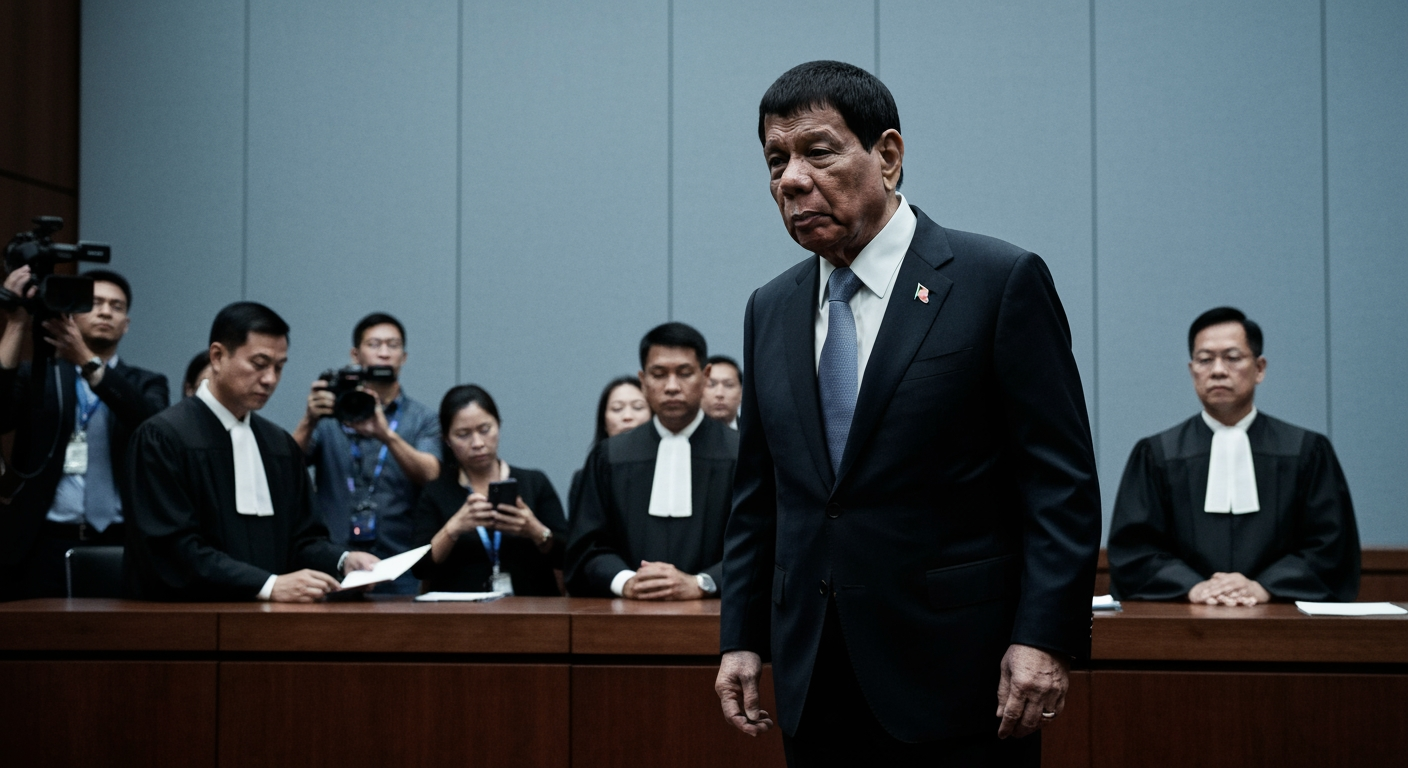
THE HAGUE, NETHERLANDS – Former Philippine President Rodrigo Duterte is currently facing a pivotal confirmation of charges hearing at the International Criminal Court (ICC) in The Hague, a significant moment for thousands of victims of his administration's deadly "war on drugs." The proceedings, which began February 23, 2026, mark an unprecedented step in international accountability for alleged crimes against humanity committed during a campaign that claimed thousands of lives and drew widespread global condemnation. Prosecutors allege that Duterte, during his tenure as president and earlier as mayor of Davao City, encouraged death squads to carry out extrajudicial killings, using fear and financial incentives to facilitate a systematic attack against a civilian population.
The Genesis of the "War on Drugs" and International Scrutiny
Rodrigo Duterte launched his aggressive anti-drug campaign immediately upon assuming the presidency on June 30, 2016, a cornerstone promise of his election platform. The initiative, aimed at eradicating illegal drugs and crime, quickly devolved into a bloody crackdown characterized by widespread extrajudicial killings. While official government figures reported 6,252 deaths by 2022, human rights organizations and academics estimate the toll to be significantly higher, ranging from 12,000 to 30,000 civilians, including at least 122 children. These killings were allegedly carried out by the Philippine National Police and unidentified assailants, with reports of police falsifying evidence to justify unlawful acts. The scale and nature of these deaths prompted early scrutiny from the international community.
The Philippines initially ratified the Rome Statute, the treaty establishing the ICC, on August 30, 2011, with the treaty coming into force for the country on November 1, 2011. The ICC's preliminary examination into the situation in the Philippines commenced on February 8, 2018, just a month before President Duterte announced his intention to withdraw the Philippines from the Rome Statute on March 14, 2018. The withdrawal officially took effect one year later, on March 17, 2019. Despite the withdrawal, the ICC asserted its continued jurisdiction over alleged crimes committed while the Philippines was a state party to the Statute, specifically covering the period from November 1, 2011, to March 16, 2019. This assertion was further bolstered by a 2021 ruling from the Supreme Court of the Philippines, stating the country's obligation to cooperate in ICC proceedings.
Legal Battle and Duterte's Arrest
The ICC's Office of the Prosecutor formally sought authorization to open an investigation into the alleged crimes against humanity in the Philippines on May 24, 2021, receiving approval from Pre-Trial Chamber I on September 15, 2021. This launched a full-scale investigation into the killings associated with the drug war and those in Davao City during Duterte's previous terms as mayor. The Philippine government, under Duterte, responded by requesting a deferral of the investigation in November 2021, arguing that domestic mechanisms were already addressing the killings. However, after a review, the ICC's Pre-Trial Chamber authorized the resumption of the investigation on January 26, 2023, concluding that the Philippine government had "failed to substantiate its assertions" of sufficient action to investigate and prosecute the killings. This decision was upheld by the Appeals Chamber on July 18, 2023, rejecting the Philippine government's appeal.
The legal developments culminated in a warrant of arrest issued by Pre-Trial Chamber I for Rodrigo Duterte on March 7, 2025, for the crime against humanity of murder. Duterte was subsequently arrested by Philippine authorities upon his arrival from Hong Kong on March 11, 2025, and transferred to ICC custody in The Hague on the same day. He made his initial appearance before Pre-Trial Chamber I via video link on March 14, 2025, where his identity was verified, and he was informed of the charges and his rights. Since his arrest, Duterte has remained in detention at an ICC facility in The Hague.
The Confirmation of Charges Hearing
The current confirmation of charges hearing, running from February 23 to February 27, 2026, is a critical procedural step where ICC judges assess whether there is sufficient evidence to establish substantial grounds to believe that Duterte committed the alleged crimes and merit proceeding to a full trial. Prosecutors are presenting their case, detailing how Duterte allegedly encouraged and enabled extrajudicial killings. Testimony from Deputy Prosecutor Mame Mandiaye Niang indicated that police and hit squad members carried out murders at Duterte's behest, driven by promises of money or to avoid becoming targets themselves, suggesting a "perverse form of competition" in killing.
Duterte, who turned 80 last year, was recently declared fit to stand trial by an ICC Pre-Trial Chamber in January 2026, following medical evaluations. However, he opted not to be present at the confirmation of charges hearing, a request granted by the ICC. His defense team stated his non-attendance was primarily due to his refusal to recognize the ICC's jurisdiction over him, echoing his consistent stance since the investigation began. Duterte's lead defense counsel, Nick Kaufman, argued that the charges are "grievously misplaced" and "politically-motivated," claiming that prosecutors have "cherry-picked" from Duterte's speeches and that his rhetoric was not intended to incite lethal violence but rather to instill fear in criminals. Kaufman further contended that Duterte "governed for Filipinos" and that the hearing would not "change history."
Implications and The Path Forward
The confirmation of charges hearing represents a significant milestone for victims and human rights advocates who have relentlessly sought justice for those killed in the drug war. The proceedings underscore the principle that leaders, regardless of their position, can be held accountable for alleged grave international crimes. Amnesty International's Secretary General Agnès Callamard emphasized that Duterte's appearance in court is a "significant step towards delivering justice for victims and survivors" and a reminder that "nobody is above the law."
If the judges confirm the charges, the case will proceed to trial before a different chamber. The court will have 60 days following the conclusion of the hearing to render its decision. The outcome will not only determine the future of Rodrigo Duterte but also set a precedent for international justice, particularly concerning state-sponsored campaigns against illicit drugs and the limits of national sovereignty in the face of alleged widespread human rights abuses. The case continues to highlight the complex interplay between national judicial systems and international accountability mechanisms, as the Philippines government has maintained its position of non-cooperation with the ICC despite the ongoing proceedings. The victims' families, however, continue to hope for a full accounting and reparations for the profound losses they have endured.
Related Articles

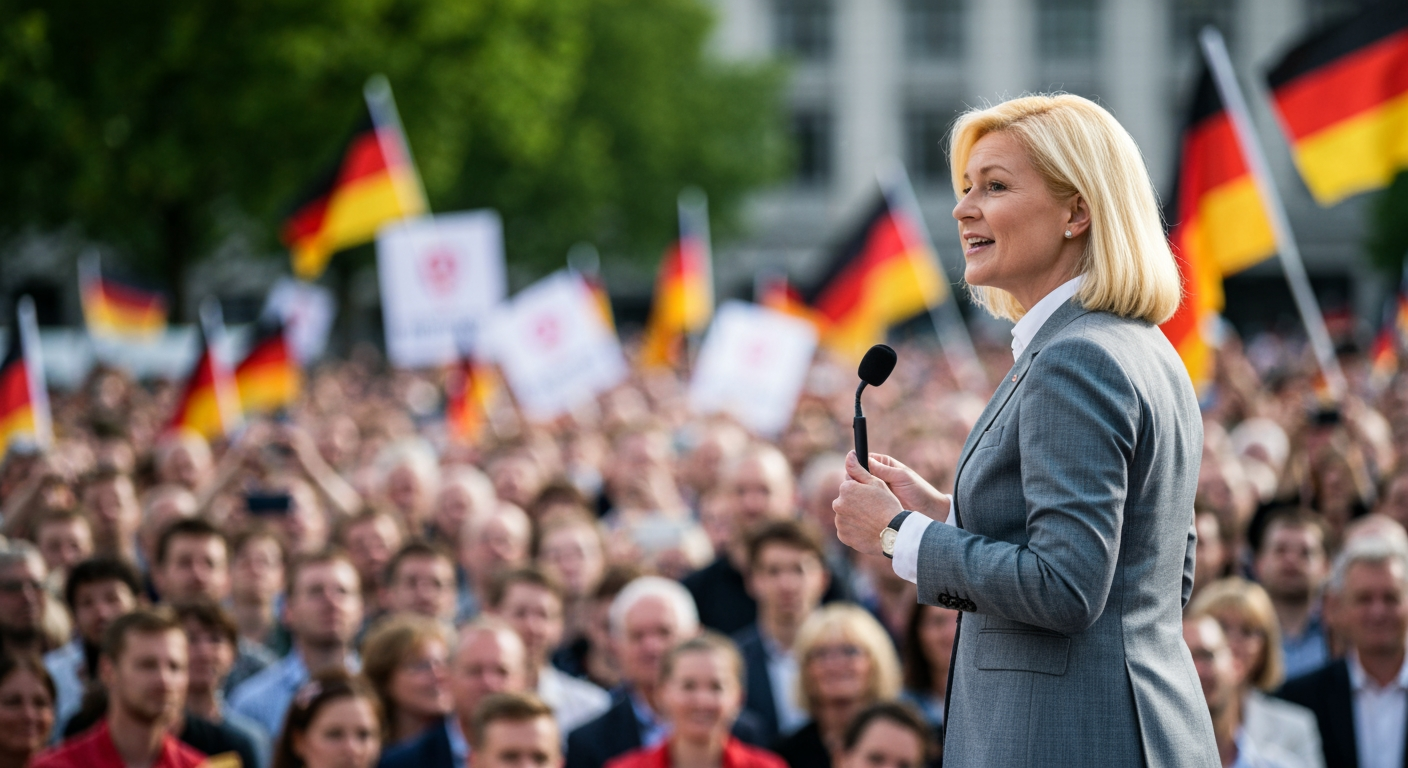
Germany on the Cusp of a Historic First: The Path to a Female Head of State
Germany stands at a potentially historic juncture as discussions intensify regarding the selection of its next Federal President in 2027. For the first time in its history, the nation could elect a woman to the largely ceremonial yet deeply symbolic role of head of state, marking a significant milestone in its political evolution

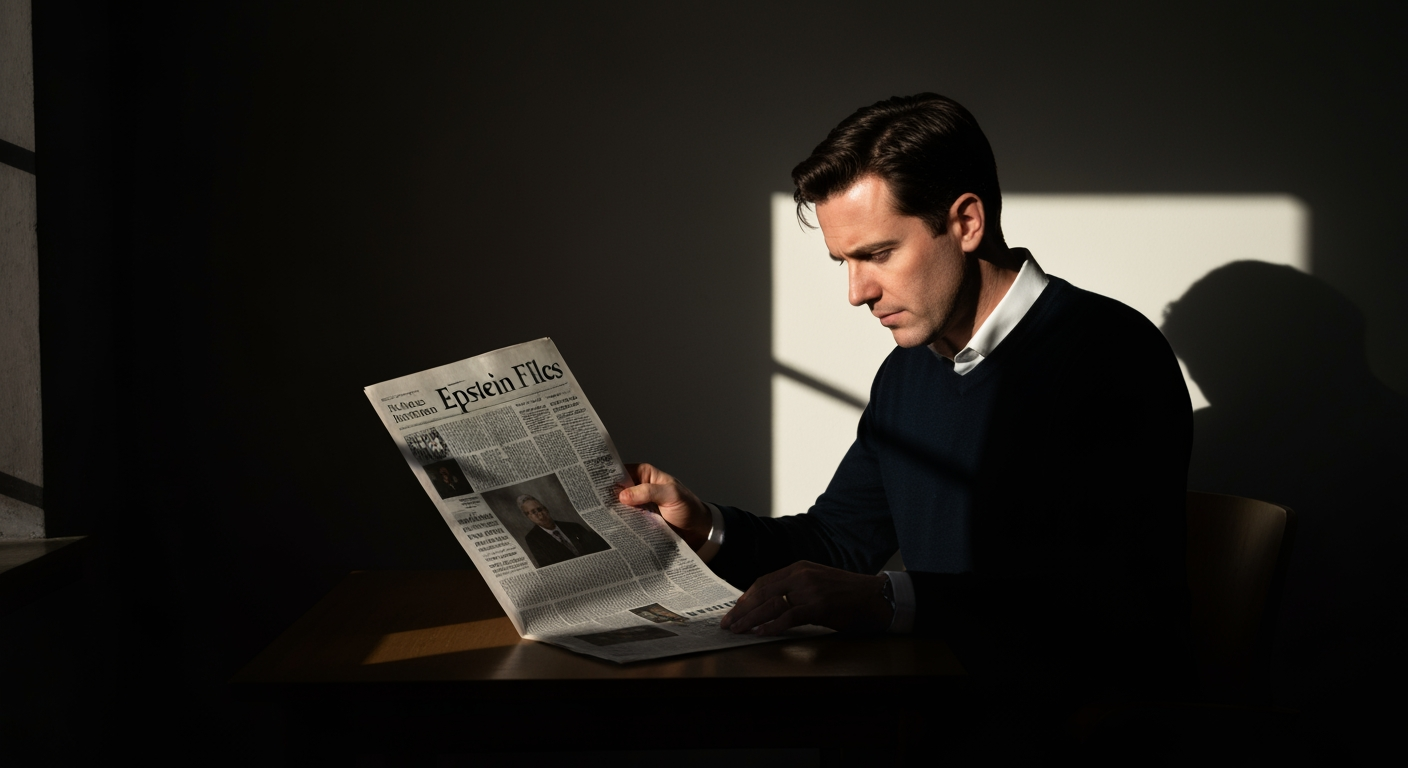
Navigating the Labyrinth of Truth: Cutting Through Epstein Files Disinformation
The highly anticipated release of millions of documents related to financier and convicted sex offender Jeffrey Epstein has unleashed a torrent of information, but it has also created a fertile ground for widespread disinformation. As the public grapples with the sheer volume of court records, interviews, emails, and images, the challenge of discerning fact from fiction has become paramount

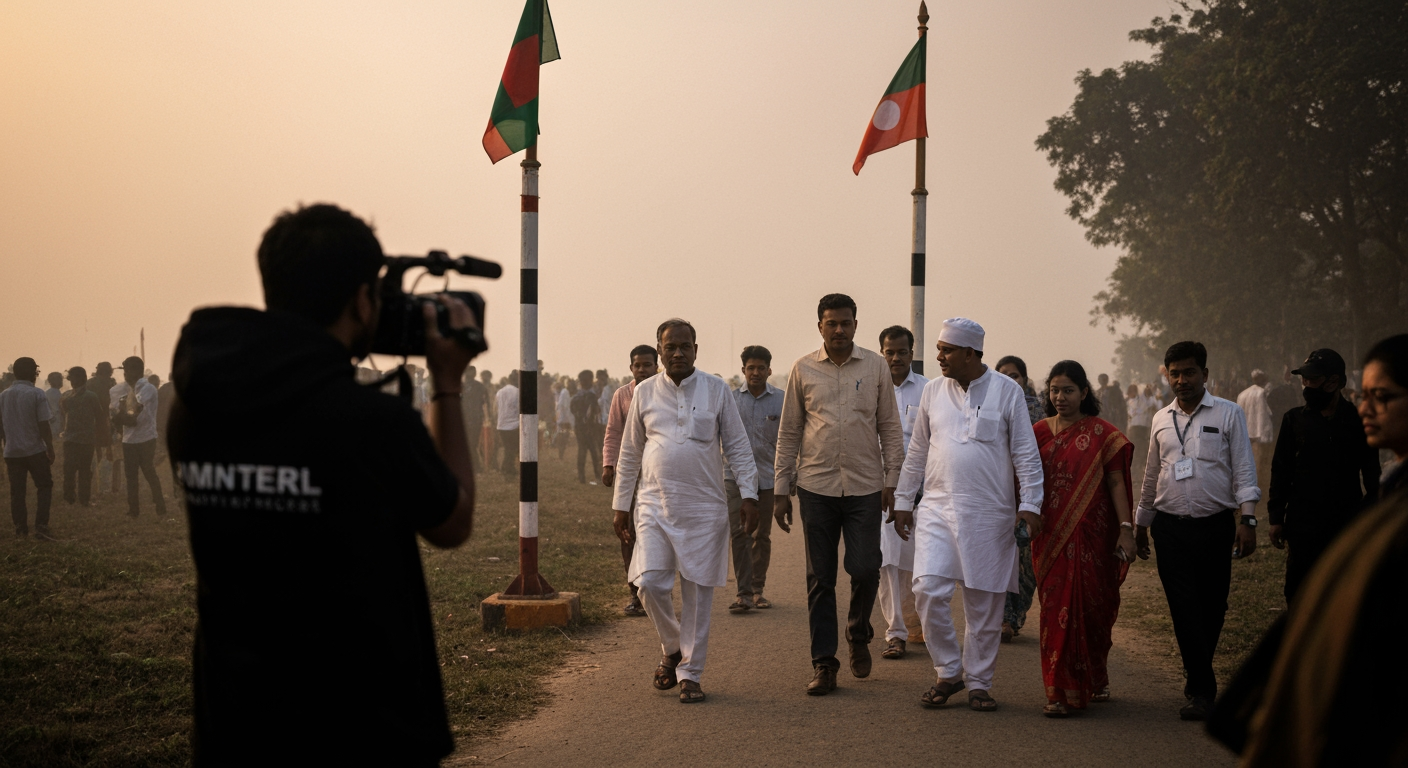
India and Bangladesh Embark on a New Chapter to Reinvigorate Bilateral Ties
Dhaka and New Delhi are actively recalibrating their multifaceted relationship, signaling a significant reset in bilateral ties following a recent political transition in Bangladesh. The election of the Bangladesh Nationalist Party (BNP) and the ascendance of Prime Minister Tarique Rahman have opened a new diplomatic window, prompting India to swiftly engage with the new leadership to foster renewed cooperation