Global Report Reveals Four in Ten Cancer Cases Are Preventable

Geneva, Switzerland – A new global analysis released ahead of World Cancer Day 2026 underscores a profound and actionable truth: a significant portion of the world's cancer burden could be averted. Up to four in ten cancer cases globally are preventable, with smoking, infections, and alcohol consumption identified as primary modifiable risk factors. This revelation from the World Health Organization (WHO) and its International Agency for Research on Cancer (IARC) offers a powerful call to action for public health interventions and individual lifestyle changes, highlighting an immense opportunity to reduce the devastating impact of the disease worldwide.
The Preventable Burden: A Global Health Imperative
The joint report, released on February 3, 2026, details that an estimated 7.1 million of the 18.7 million cancer cases recorded globally in 2022 were attributable to preventable causes. These findings highlight that nearly 40% of all cancer diagnoses could potentially be avoided by addressing a range of modifiable risk factors. This year's World Cancer Day, observed annually on February 4, serves as a poignant reminder that while cancer remains a leading cause of disability and death, significant strides can be made through focused prevention efforts.
The comprehensive study examined 30 preventable causes, notably including tobacco use, alcohol consumption, high body mass index, physical inactivity, air pollution, and ultraviolet radiation. For the first time, this analysis also incorporated nine cancer-causing infections into its assessment, broadening the scope of preventable factors. The data, drawn from 185 countries and encompassing 36 cancer types, identified tobacco as the single leading preventable cause, responsible for 15% of all new cancer cases globally. Infections followed at 10%, with alcohol consumption accounting for 3%.
Deconstructing the Primary Culprits: Smoking, Infections, and Alcohol
Smoking's Enduring Threat: Tobacco use continues to be the most significant preventable cause of cancer. It is linked to about 20% of all cancers and approximately 30% of all cancer deaths in the United States alone. Smoking is the primary risk factor for lung cancer, contributing to nearly 80% of lung cancer deaths. Beyond lung cancer, tobacco heightens the risk of at least 15 to 18 types of cancers, including those of the mouth, larynx, pharynx, esophagus, kidney, cervix, liver, bladder, pancreas, stomach, and colorectal region. Recent analyses have even included breast cancer in the list of cancers caused by smoking, adding to its already extensive impact. The chemicals in cigarette smoke damage DNA and impair the body's ability to repair itself, leading to cancerous cell growth.
Infections: A Hidden Link: Chronic infections are responsible for approximately 16% of cancers globally. Three specific infections stand out due to their significant contribution to preventable cancers: human papillomavirus (HPV), hepatitis B and C viruses (HBV and HCV), and Helicobacter pylori. HPV is responsible for almost all cervical cancers, as well as several other anogenital and oropharyngeal cancers. Vaccination against HPV offers a powerful tool for prevention, as does screening for precancerous changes. Hepatitis B and C viruses are major drivers of liver cancer, particularly in regions where these infections are prevalent. Similarly, the bacterium Helicobacter pylori is largely attributable to stomach cancer. The report emphasizes that integrating infectious causes into cancer prevention strategies, including vaccination programs and early screening, is crucial for reducing cancer incidence.
Alcohol's Carcinogenic Nature: Alcohol has been classified as a Group 1 carcinogen, placing it in the same category as tobacco and asbestos. Emerging evidence confirms there is no safe level of alcohol consumption regarding cancer risk. Alcohol is causally linked to at least seven types of cancer, including those of the esophagus, liver, colorectum, breast, mouth, throat, and larynx. Globally, alcohol consumption is associated with 740,000 new cancer cases annually. Research indicates that even light to moderate drinking can significantly increase the risk of certain cancers, challenging the long-held belief that such consumption levels are benign. The mechanism involves alcohol metabolizing into toxic compounds that damage DNA and interfere with cellular repair processes.
Broadening the Scope of Prevention
While smoking, infections, and alcohol are major contributors, the WHO/IARC analysis also highlights other significant modifiable factors. Obesity, poor diet (including ultra-processed foods), lack of physical activity, and exposure to air pollution and ultraviolet radiation all contribute to the global cancer burden. These factors collectively underscore the complex interplay between lifestyle, environment, and cancer development. The report notably found that the burden of preventable cancer was higher in men than in women, with 45% of new cases in men compared with 30% in women.
A United Front for a Healthier Future
The findings serve as a powerful catalyst for public health initiatives and policy reforms. Governments and health organizations are urged to implement effective regulations on tobacco and alcohol, promote healthy diets, encourage physical activity, reduce pollution, and expand vaccination programs against cancer-causing infections like HPV and HBV. Individual awareness and informed choices also play a critical role in mitigating risk.
World Cancer Day 2026, with its "United by Unique" campaign, aims to place people at the center of cancer care, recognizing that true resilience comes from informed choices and accessible prevention strategies. By addressing these preventable risk factors, the global community has an unprecedented opportunity to significantly reduce cancer incidence and improve countless lives, transforming the landscape of cancer prevention for generations to come.
Related Articles


Artemis II Rocket Returns to Hangar, Lunar Mission Faces Further Delay
CAPE CANAVERAL, Fla. — NASA's ambitious journey back to the Moon has encountered another hurdle, as the Artemis II Orion spacecraft and Space Launch System (SLS) rocket are being rolled back to the iconic Vehicle Assembly Building (VAB) at Kennedy Space Center. This unexpected return to the hangar stems from a newly identified malfunction within the rocket's critical helium pressurization system, forcing a further delay for the first crewed lunar mission in over five decades

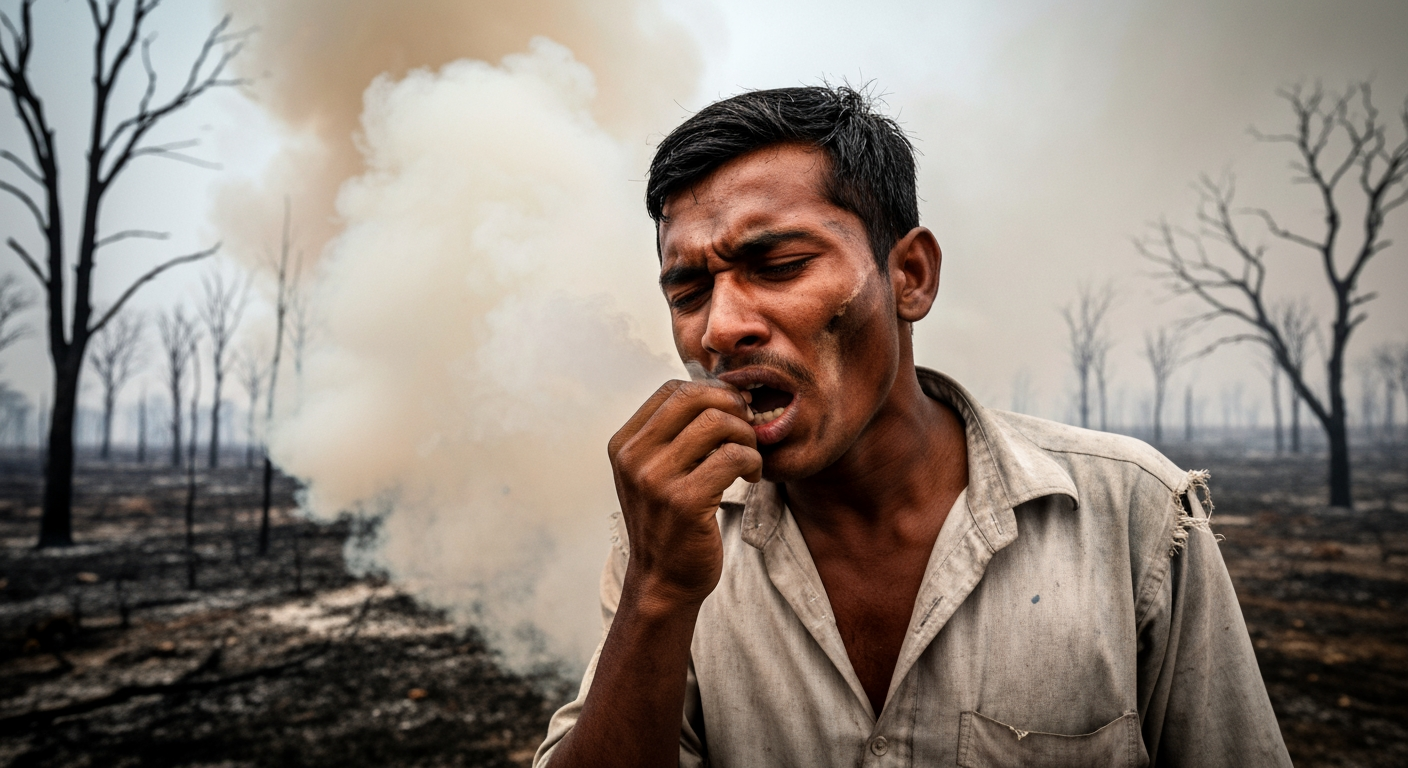
Wildfire Smoke: A Silent Invader Harming Every System of the Body
Across regions increasingly besieged by escalating wildfires, a pervasive and insidious threat lurks in the air: wildfire smoke. Far from being a mere respiratory irritant, this complex mixture of gases and fine particles constitutes a profound danger to nearly every organ system in the human body, silently inflicting both immediate and long-term damage that extends well beyond the lungs

Feline Cancer Breakthroughs Offer New Hope for Human Oncology
International research unveils comprehensive genetic map of cat cancers, highlighting parallels with human disease and accelerating development of targeted therapies. A groundbreaking international study has decoded the complex genetic landscape of feline cancers, revealing striking similarities to human malignancies and opening new avenues for translational research that could benefit both species. Published on February 19, 2026, in the journal *Science*, this monumental effort provides the first large-scale genetic map of cancer in domestic cats, marking a significant leap forward in understanding the fundamental mechanisms driving these devastating diseases