Germany Weighs 'Board of Peace' Invite with Caution Amid Gaza Crisis
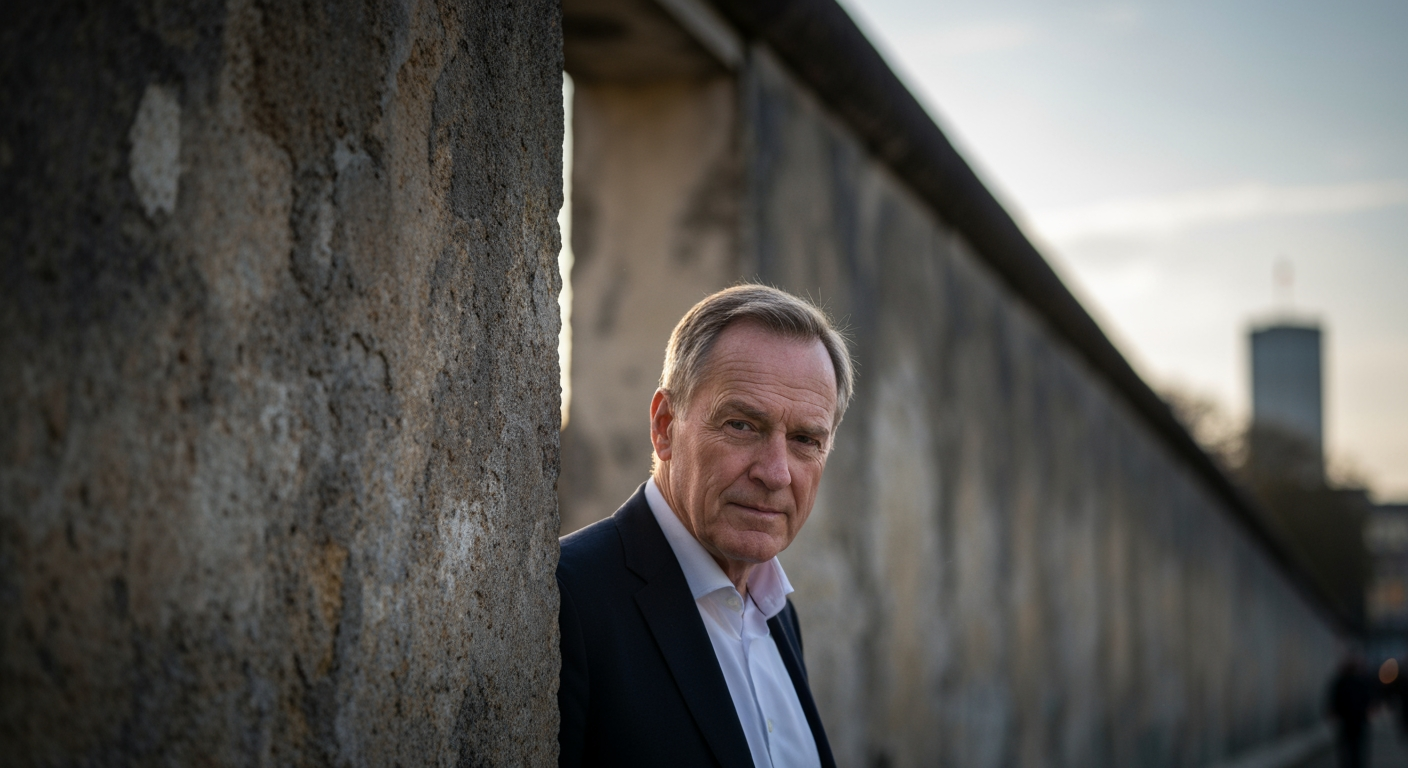
BERLIN – The United States has extended an invitation to Germany to join a newly proposed international "Board of Peace," aimed at tackling the protracted conflict in Gaza. While expressing gratitude for the overture and affirming a shared commitment to global peace, Berlin's initial response has been marked by a notable degree of caution, reflecting deeper geopolitical considerations and potential implications for established international frameworks. The invitation, part of a broader U.S. initiative to foster a lasting resolution in the war-torn region, places Germany at a critical juncture in its diplomatic relations and its role in addressing one of the world's most volatile crises.
A New American Framework for Gaza Peace
The "Board of Peace," spearheaded by U.S. President Donald Trump, is envisioned as a pivotal mechanism within a comprehensive 20-point plan designed to bring stability and prosperity to the Gaza Strip. The White House indicated that this board would assume an essential role in fulfilling the president's ambitious strategy to end the Gaza conflict. Its primary mandate includes overseeing the transitional administration of the coastal enclave and supervising the operations of a Palestinian technocratic committee tasked with managing daily affairs and essential services in Gaza, a region devastated by over two years of war.
President Trump himself is slated to chair this new body, which he has characterized as "the Greatest and Most Prestigious Board ever assembled at any time, any place". Invitations to participate have been disseminated to approximately 60 nations, including key European allies like France, Italy, Canada, and Germany, alongside significant Middle Eastern powers. The U.S. official involved in selecting board members stated that invitations were sent to "a lot of countries" and had received an "overwhelming response". The board's responsibilities extend to establishing security, preserving peace, and facilitating the safe delivery of humanitarian aid and reconstruction materials to Gaza. Notably, the initiative also proposes that member states could attain permanent status on the board by contributing $1 billion to its activities. Beyond its immediate focus on Gaza, there are indications that the Board of Peace could eventually expand its purview to address other global conflicts that President Trump claims to have resolved.
Germany's Measured Gratitude and Strategic Review
Germany's initial reaction to the invitation was articulated by Chancellor Merz's spokesman, Stefan Cornelius, who conveyed Berlin's appreciation. "The U.S. has invited Germany, among other countries, to participate in building an international Board of Peace. We are grateful for this invitation," Cornelius stated. He further emphasized Germany's shared goal of fostering world peace and its particular interest in permanently resolving the Gaza conflict. Foreign Minister Johann Wadephul echoed this sentiment, expressing hope for Germany to secure a seat on the board and for swift, concrete discussions. Wadephul underscored Germany's readiness to assume responsibility within this "important institution" and viewed the establishment of the board as a necessary step for initiating the second phase of the U.S.-mediated Gaza peace process.
However, this expression of gratitude is notably tempered by a prudent approach. Cornelius indicated that Germany would determine its specific contribution to the initiative only after comprehensive consultations with its European Union partners and other international stakeholders. This underscores a strategic deliberation that extends beyond mere acceptance, reflecting a desire to align its actions with broader collective European foreign policy. The German stance, while acknowledging the importance of addressing the Gaza crisis, is thus characterized by a cautious optimism rather than an immediate, unreserved commitment.
The Undercurrents of Caution and Transatlantic Divergence
Despite the official statements of gratitude, a palpable undercurrent of caution permeates Berlin's response and that of several other European capitals. Diplomatic observers and reports indicate a "cautious silence" from leading EU member states like France and Germany, reflecting "deep skepticism" towards what is perceived as a U.S.-centric structure. This reticence suggests an emerging transatlantic rift, with European nations wary of an initiative that some view as potentially undermining established international institutions.
A significant concern highlighted by several anonymous diplomats revolves around the potential impact of the Board of Peace on the role and efficacy of the United Nations. Some critics have gone as far as to label the initiative a "Trump United Nations," suggesting it sidesteps the fundamental principles and established mechanisms of the existing global body. The inclusion of a "charter" within the invitation letter itself has reportedly fueled these anxieties among European governments. Furthermore, a specific point of hesitation for Germany emerged regarding the potential inclusion of Russian President Vladimir Putin on the board. While Germany's core interest remains the resolution of the Gaza conflict, Berlin refrained from providing a definitive answer on its participation if Russia were to be at the table, highlighting complex geopolitical dynamics at play. This reflects a broader European wariness of endorsing structures that might be seen to normalize or legitimize certain international actors in contentious contexts.
Geopolitical Stakes and Broader Implications
The United States' invitation and Germany's measured response unfold against a backdrop of complex geopolitical stakes. The establishment of the Board of Peace represents a significant diplomatic maneuver by the U.S., aiming to reshape the approach to Middle East peace and potentially other global conflicts. For Germany, navigating this invitation involves balancing its alliance with the U.S. against its commitment to multilateralism and its efforts to maintain European unity in foreign policy. The contrast in reactions from other invited nations is stark, with Hungary offering an "unequivocal acceptance" and Italy expressing readiness "to do our part," while many other governments have either remained silent or voiced private concerns. This divergence underscores the varied perceptions of the U.S. initiative's legitimacy and effectiveness among international partners.
The potential for the Board of Peace to either complement or compete with existing international bodies like the United Nations remains a critical point of contention. If the initiative is perceived as a parallel structure intended to circumvent the UN, it could exacerbate tensions within the international community and potentially undermine efforts towards a coordinated global response to crises. Conversely, if it can genuinely contribute to a lasting peace in Gaza, it might offer a new model for conflict resolution. The stakes are particularly high for Germany, a nation that has historically championed international law and multilateral cooperation, as it weighs its involvement in a body that could redefine international engagement in critical regions.
A Path Forward Paved with Uncertainty
Germany's cautiously thankful reception of the U.S. "Board of Peace" invitation illustrates the intricate dance of international diplomacy. While acknowledging the imperative to address the devastating conflict in Gaza and expressing a willingness to contribute, Berlin remains acutely aware of the broader implications of joining such an initiative. The dual desire to foster peace and safeguard the integrity of established global governance structures presents a delicate balance.
As discussions progress, Germany's decision will likely be influenced by the initiative's transparency, its proposed operational mechanisms, and the degree to which it integrates or diverges from existing international efforts. The coming weeks will undoubtedly see intense diplomatic consultations within Europe and between transatlantic partners as Germany, along with other nations, determines its ultimate role in this potentially transformative, yet controversial, new peace framework for the Middle East. The path forward remains paved with uncertainty, but the gravity of the Gaza crisis demands careful consideration of every proposed avenue for resolution.
Related Articles


Bishop Heiner Wilmer Elected to Lead German Bishops' Conference Amidst Deep Divides
WÜRZBURG, Germany – Bishop Heiner Wilmer of Hildesheim has been elected the new President of the German Bishops' Conference, assuming leadership of a Church grappling with profound internal reform efforts, declining membership, and strained relations with the Vatican. His election on Tuesday, February 24, 2026, positions him at the helm for a six-year term, succeeding Bishop Georg Bätzing of Limburg, who chose not to seek re-election


Franco-German Rift Threatens to Ground Europe's Flagship €100 Billion Fighter Jet Program
Brussels, Belgium – The ambitious €100 billion Future Combat Air System (FCAS), a cornerstone of European defense autonomy, faces an uncertain future as deepening industrial and strategic divisions between France and Germany threaten to derail the continent's most expensive military project. Originally envisioned as a unified sixth-generation fighter jet system by 2040, the program is now grappling with fundamental disagreements that could lead to its significant restructuring or even the abandonment of its central component, the Next Generation Fighter (NGF). Launched in 2017 as a joint initiative by France and Germany, with Spain joining in 2019, the FCAS program was designed to develop an integrated "system of systems." This comprehensive network includes a New Generation Fighter (NGF) to replace France's Rafale and Germany and Spain's Eurofighters, alongside autonomous Remote Carriers (drones) and a sophisticated "combat cloud" for data sharing and operational coordination
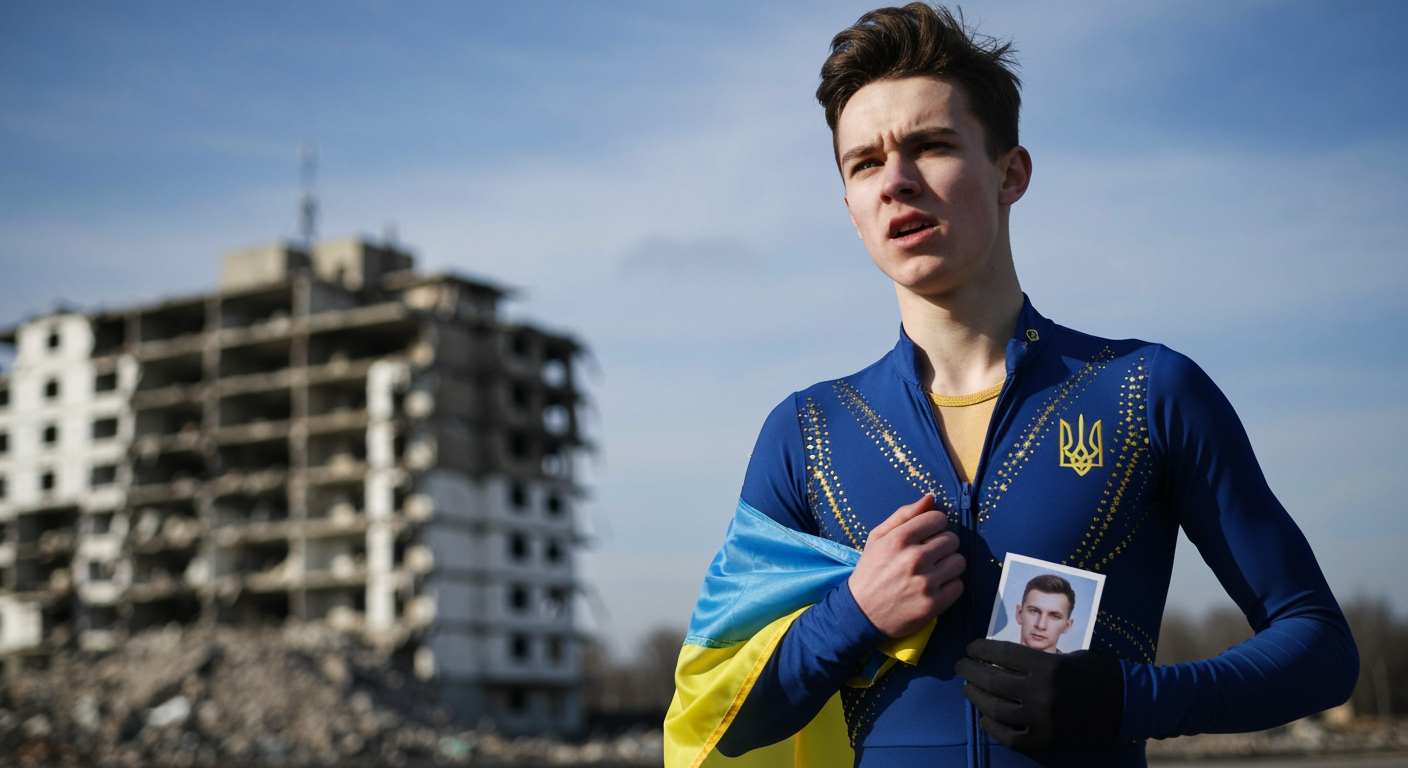
Olympic Skater Finds Brief Respite and Reunion Amidst Ukraine's Enduring Conflict
MILAN – Four years of relentless war, marked by the destruction of homes, shattered livelihoods, and the constant threat of aerial attacks, culminated in a poignant reunion at the Milan Cortina Games. American figure skater Vadym Kolesnik, whose family in Ukraine has endured the brutal realities of conflict, recently embraced relatives he had not seen since Russia’s full-scale invasion intensified