FIFA's Commercial Gambit: Has the World Cup Finally Gone Too Far?

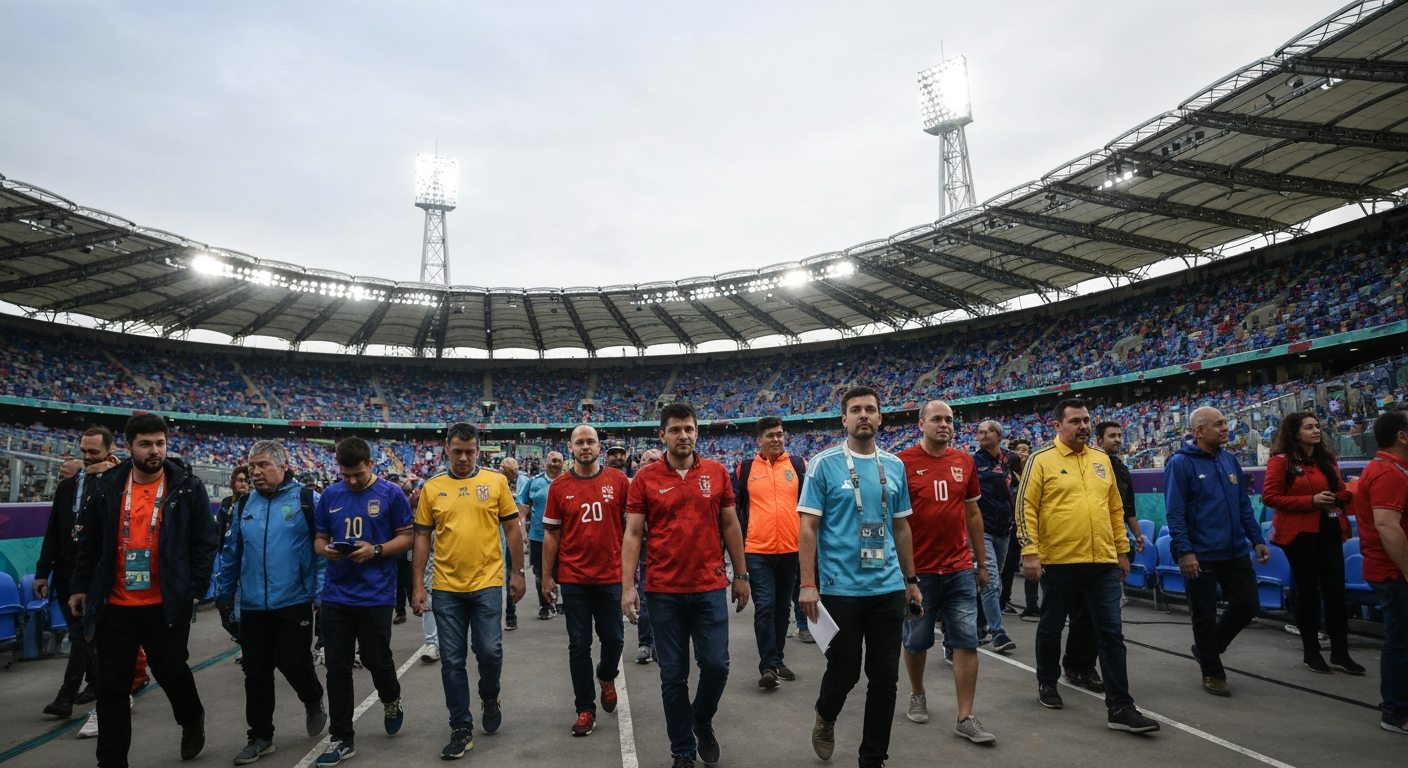
ZURICH – Global football's governing body, FIFA, has ignited a firestorm across the sport with its ambitious — and highly controversial — plan to create a new commercial entity and sell minority stakes to private investors. Valued at an astonishing $20 billion, this "FIFA Forward Enterprise" (FFE) aims to consolidate and maximize the commercial rights of the World Cup and other major tournaments, prompting immediate and furious backlash from powerful football confederations who accuse the organization of "selling the soul of football."
The Billion-Dollar Proposition
The proposal, announced on Tuesday, July 28, outlines FIFA's intention to establish the FFE to oversee all commercial and event operations, encompassing lucrative media rights, sponsorship deals, ticketing, and licensing for both the men's and women's World Cups, as well as other FIFA-sanctioned events. FIFA plans to sell up to a 20% minority stake in this new subsidiary, seeking to raise an estimated $4.2 billion this year from external investors, with Joshua Kushner's Thrive Eternal holding company identified as the anticipated lead investor, advised by banking giant J.P. Morgan.
This audacious commercial play comes on the heels of a record-breaking financial period for FIFA. The recently concluded 2026 World Cup generated an unprecedented $15 billion in revenue across its cycle, a figure that significantly surpassed initial targets and more than doubled the $7.6 billion earned from the 2022 Qatar tournament. FIFA's projections for the current 2026 World Cup cycle anticipate revenues exceeding $13 billion, broken down into $3.9 billion from broadcasting rights, $3 billion from ticketing and hospitality, and $2.8 billion from sponsorships. FIFA stated that the FFE would be instrumental in "unlocking the full potential" of these revenue streams, which it claims will ultimately benefit global football.
"Selling the Soul of Football"
However, the announcement has been met with widespread condemnation, characterized by a profound sense of betrayal and a stark questioning of FIFA's governance. Major regional confederations, including the Confederation of North, Central America and Caribbean Association Football (CONCACAF), the Asian Football Confederation (AFC), and the Union of European Football Associations (UEFA), along with national associations like the English FA, have voiced "deep concern" over the lack of transparency and due process surrounding the plan. Many claim they were "blindsided" by the proposal, learning of it through media reports rather than official channels.
Critics argue that transforming the World Cup, widely regarded as a global sporting heritage, into a profit-oriented corporate asset risks stripping the sport of its essential character. Former FIFA President Sepp Blatter, who led the organization for 17 years until 2015, asserted that the World Cup "was not a commercial asset that belonged to a few executives," adding that "if FIFA were transferred into a profit-oriented corporate structure, it would lose its soul." UEFA echoed these sentiments, stating that "The soul and governance of football are not assets to trade – especially with zero transparency as to who gains financially." There are fears that external investors, driven by profit motives, could exert undue influence over critical decisions, potentially pushing for more frequent World Cups or favoring host nations primarily for their lucrative markets, such as the United States.
FIFA's Vision and Defense
In response to the growing chorus of criticism, FIFA President Gianni Infantino and the organization have defended the FFE initiative as a strategic move to foster global football development. FIFA maintains that the "all net benefits of FFE will be reinvested back into football worldwide," aiming for the "democratisation of football." The plan reportedly includes a financial incentive for member associations: an initial payment of $20 million if they approve the deal, with promises of increasing annual funds through 2038. FIFA asserts that this funding will provide a significant financial boost to national associations, aiding in the development of the game at all levels.
Infantino has previously accused critics of spreading "hate and false rumors," particularly following the 2026 World Cup, which faced its own share of controversies, including high ticket prices, commercial breaks mid-game, and alleged political interference. FIFA aims to retain primary ownership and control over scheduling and regulatory decisions within the new FFE, despite selling minority stakes.
A Crossroads for Global Football
The escalating dispute highlights a fundamental tension between the commercial aspirations of football's global governing body and the traditional values held by many within the sport. FIFA has set a deadline of September 19 for its 211 member associations to vote on the FFE proposal. This timeline, combined with the substantial financial offer to federations, has been interpreted by some as an attempt to pressure smaller nations into compliance.
The stakes are exceptionally high. European associations, led by UEFA, are reportedly considering drastic measures, including a potential boycott of FIFA tournaments and even the formation of a breakaway entity, should the plan proceed. The current standoff places global football at a critical juncture, where the balance between unprecedented commercial growth and the integrity, accessibility, and governance of the sport hangs in the balance. The outcome of the September vote will not only shape FIFA's financial future but also determine the very essence of the World Cup for generations to come.
Related Articles


Bernadette Amani: From Childhood Dreams to European Glory and African Leadership
Bernadette Amani, the Ivorian football captain, is currently navigating the pinnacle of her professional career, "living her dream" as a pivotal midfielder for FC Bayern Munich while simultaneously preparing to lead her...

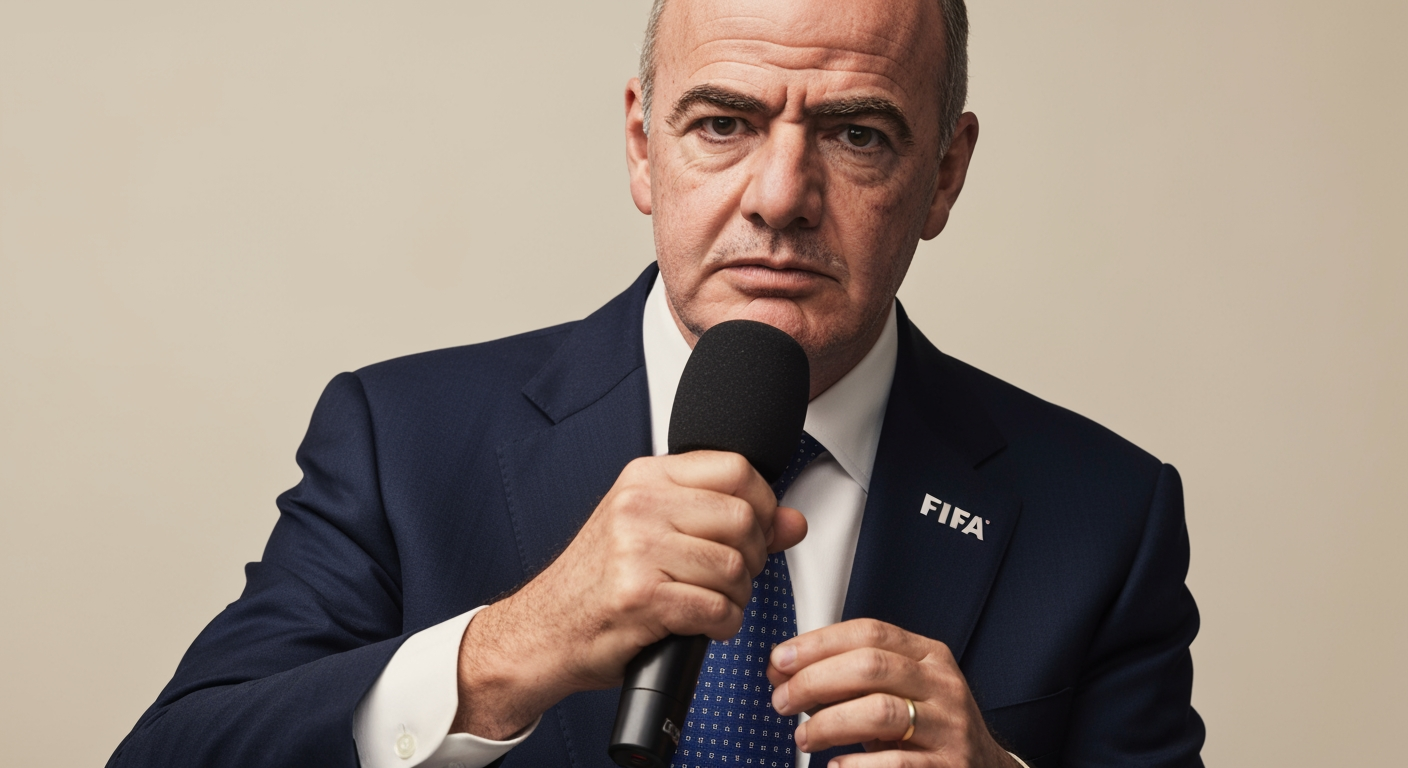
FIFA President Infantino Lashes Out at World Cup Critics, Defends 2026 Tournament as a Triumph of Unity
ZURICH, Switzerland – In a fiery rebuke aimed at perceived detractors, FIFA President Gianni Infantino has launched a scathing attack on critics of the recently concluded 2026 FIFA World Cup, accusing them of spreading...

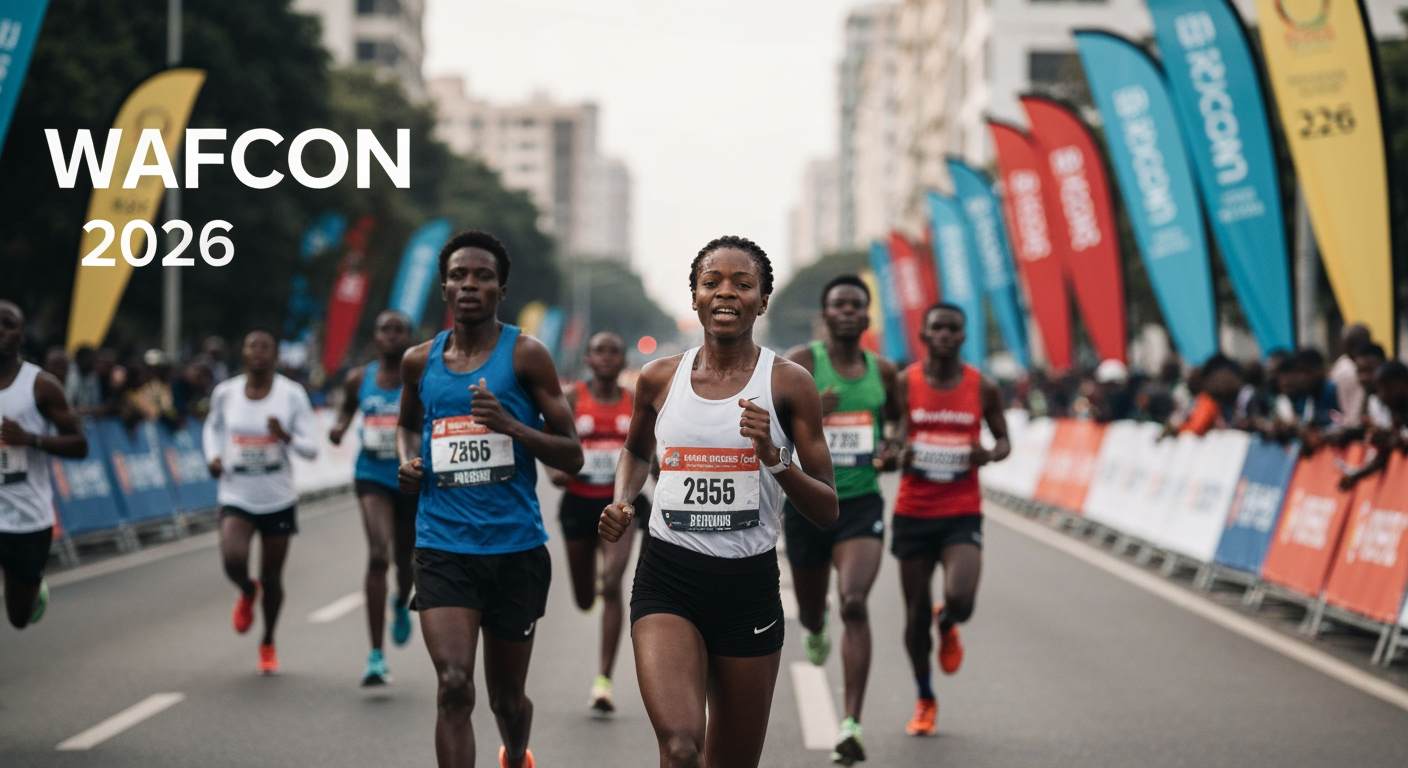
WAFCON 2026: African Women's Football Takes Center Stage in Morocco with Record Stakes
Rabat, Morocco — The continent's premier women's football tournament, the Women's Africa Cup of Nations (WAFCON) 2026, is set to kick off in Morocco on July 26, heralding a new era for women's sports in Africa. This...