European Union Considers Harsher Sanctions Amid Escalating Iran Protests
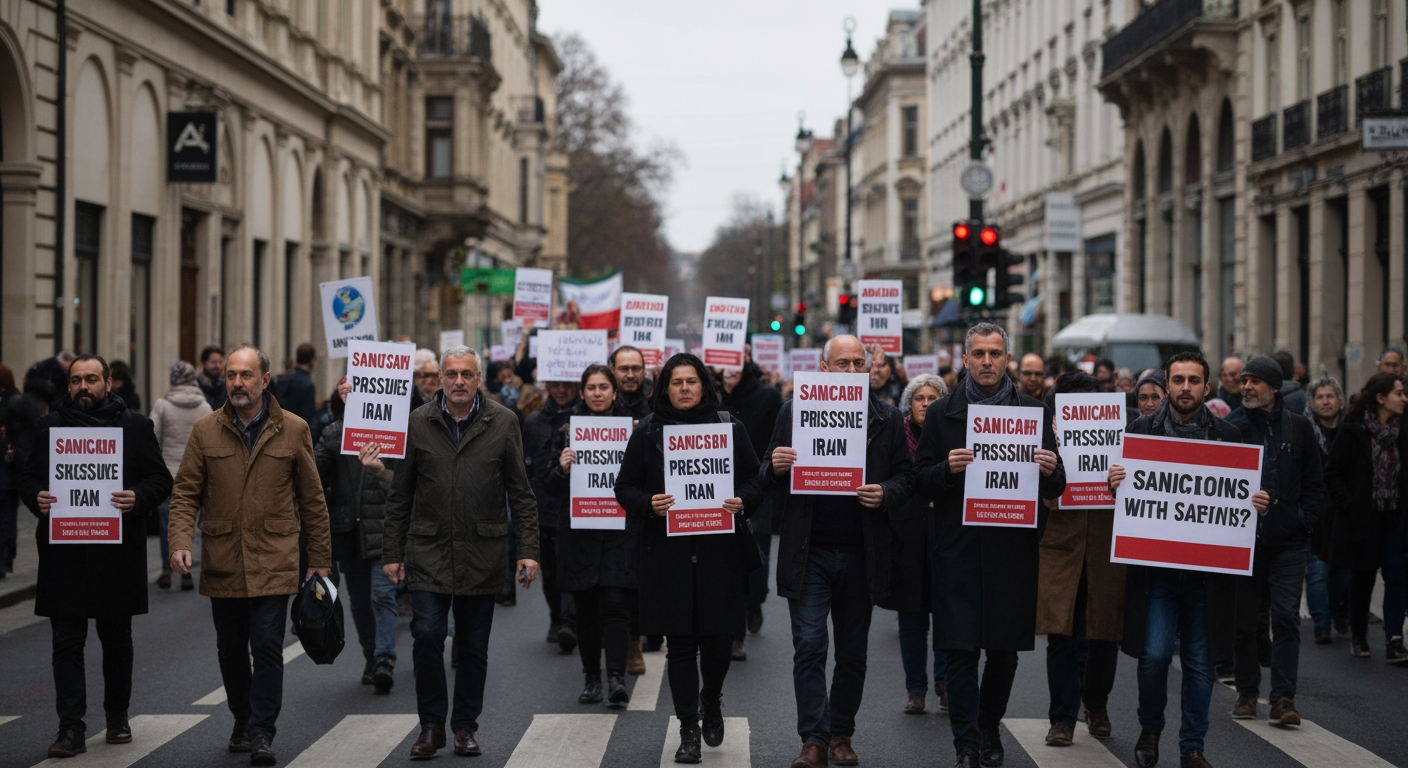
Brussels, Belgium – The European Union is poised to significantly ramp up pressure on Iran, with top officials signaling a push for "swift" and "harsher" sanctions in response to the escalating crackdown on widespread protests across the Islamic Republic. As reports emerge of hundreds of casualties and thousands of arrests, the EU faces growing calls to take decisive action against Tehran's government for its human rights violations, its nuclear ambitions, and its military support for Russia.
The move signals a critical juncture in EU-Iran relations, which have been strained for decades over a myriad of issues. While the EU has a history of imposing sanctions on Iran, the current wave of public discontent and the regime's violent response have galvanized a renewed sense of urgency within European capitals. The effectiveness and broader implications of these potential new measures, however, remain a subject of intense scrutiny, balancing the desire to influence Iran's behavior with concerns over humanitarian impact and geopolitical stability.
Intensifying Calls for Action and Current Sanctions Landscape
The impetus for increased sanctions has grown considerably in recent weeks. European Commission President Ursula von der Leyen explicitly stated on Tuesday that the EU would "swiftly" propose further sanctions against those responsible for repressing protests in Iran, unequivocally condemning the "excessive use of force and continued restriction of freedom." Her sentiments were echoed by EU foreign policy chief Kaja Kallas, who indicated readiness to propose new measures.
Already, the EU maintains a multi-faceted sanctions regime against Iran. This includes measures targeting human rights violations, which have seen asset freezes and visa bans imposed on approximately 230 individuals and some 40 entities since 2011, including members of the Islamic Revolutionary Guard Corps (IRGC) and the country's morality police. These sanctions also prohibit the sale of dual-use goods and the provision of various financial services. Beyond human rights, the EU has restrictive measures in place concerning the non-proliferation of weapons of mass destruction (WMD), including arms export/procurement bans and embargoes on dual-use goods. Furthermore, the EU blacklisted Iranian drone makers and air force commanders in response to Tehran's supply of weapons to Russia for its aggression against Ukraine and support for armed groups in the Middle East.
Several EU member states have taken diplomatic steps to protest Tehran's actions, with Spain, France, Belgium, Czechia, Finland, Italy, the Netherlands, the UK, and Germany all summoning Iranian ambassadors. European Parliament President Roberta Metsola has also banned Iranian diplomats from entering the Parliament, placing Iran in the same category as Russia and Belarus.
The IRGC: A Key Point of Contention
A significant element of the intensified pressure revolves around the potential designation of Iran's Islamic Revolutionary Guard Corps (IRGC) as a terrorist organization by the EU. The European Parliament has consistently advocated for this step for years. Such a designation would enable the arrest of certain IRGC officials if they set foot in an EU member state and would carry substantial symbolic weight.
However, listing the IRGC as a terrorist entity requires unanimous agreement from all 27 EU member states, a consensus that has historically proven elusive. While many EU member states favor the move, concerns persist about the legal complexities and potential diplomatic repercussions. Critics argue that while the IRGC is already targeted by sanctions under the human rights regime, a full terrorist designation would primarily be symbolic, as many of its branches and members are already subject to restrictive measures.
Mechanisms and Impact of Sanctions
Historically, EU sanctions against Iran have proven impactful, particularly comprehensive measures that targeted vital economic sectors. In the early 2010s, EU sanctions described as the toughest imposed against any country, including an oil embargo and freezing of the Central Bank's assets, significantly impacted Iran's economy. These measures contributed to skyrocketing unemployment and inflation rates, ultimately compelling Tehran to engage in negotiations over its nuclear program, culminating in the 2015 Joint Comprehensive Plan of Action (JCPOA). The EU's oil embargo, for instance, led to a substantial decline in Iran's oil exports to Europe, which had previously been its largest market.
Research suggests that "general sanctions" have strongly hindered trade flows between the EU and Iran across nearly all sectors. However, "smart sanctions" that target specific individuals and entities have a comparatively smaller impact on overall trade values.
Despite their economic bite, sanctions are not without challenges and unintended consequences. They can lead to humanitarian concerns, as seen with increased costs for medicine imports due to restrictions on dual-use items, potentially affecting the health of ordinary Iranians. Moreover, sanctions can inadvertently push Iran towards closer economic ties with non-Western countries like China, Russia, South Korea, and India, potentially undermining the isolation efforts of European nations. Some studies also indicate that sanctions can foster anti-European sentiments within Iran and may not always achieve their desired political outcomes in the long run, as Iran has shown a capacity to adapt and enhance self-reliance under pressure.
Strategic Considerations and Future Prospects
The EU's current deliberation on increasing pressure comes as Iran faces significant internal unrest, fueled by economic instability and widespread grievances against the ruling clerical establishment. This fragile internal situation presents both an opportunity and a risk for the EU. While intensified sanctions could further weaken the regime, there is also the potential for greater instability or a hardening of Tehran's stance.
European policymakers are exploring various avenues for additional pressure, including expanding personal sanctions against more regime officials, tightening controls on technology exports that could be used for surveillance and repression, and considering broader trade sanctions. There is also a push to engage with telecommunication companies to help restore internet access to Iranian citizens, a measure that could empower protesters and counter government censorship.
The effectiveness of any new sanctions will largely depend on the EU's ability to maintain a united front among its member states and to navigate the complex geopolitical landscape. While the EU has mechanisms, such as its blocking statute, to mitigate the extraterritorial effects of U.S. sanctions and protect European businesses, a coordinated international approach is often seen as more potent. The ongoing dialogue between the EU and Iran, despite escalating tensions, underscores a continued European preference for diplomatic engagement, even as restrictive measures are tightened.
Ultimately, the EU's capacity to exert more pressure on Iran with sanctions is evident, given its economic power and past successes in impacting the Iranian economy. However, the path forward requires careful calibration to achieve specific political objectives, such as improved human rights and a halt to nuclear proliferation, while minimizing unintended humanitarian consequences and maintaining a possibility for future diplomatic resolution.
Related Articles

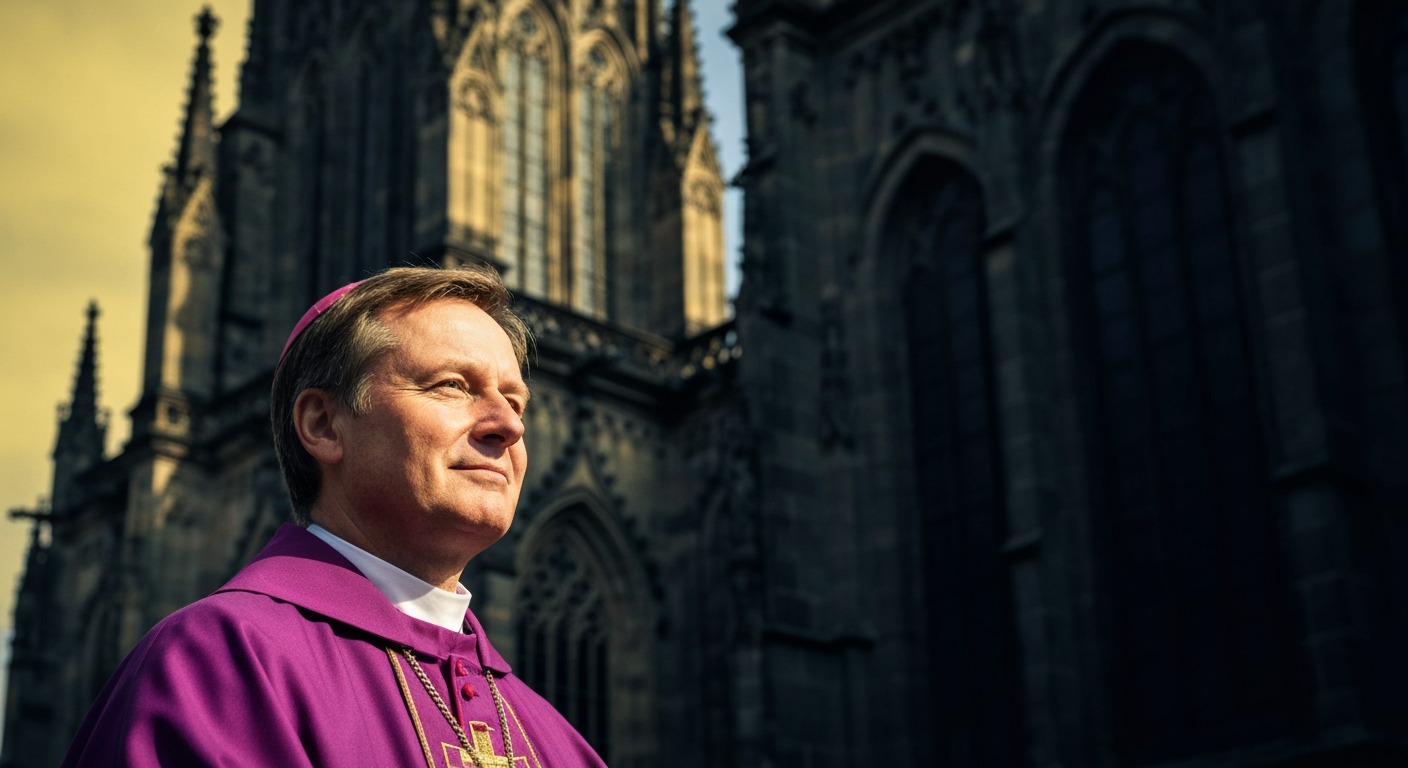
Bishop Heiner Wilmer Elected to Lead German Bishops' Conference Amidst Deep Divides
WÜRZBURG, Germany – Bishop Heiner Wilmer of Hildesheim has been elected the new President of the German Bishops' Conference, assuming leadership of a Church grappling with profound internal reform efforts, declining membership, and strained relations with the Vatican. His election on Tuesday, February 24, 2026, positions him at the helm for a six-year term, succeeding Bishop Georg Bätzing of Limburg, who chose not to seek re-election

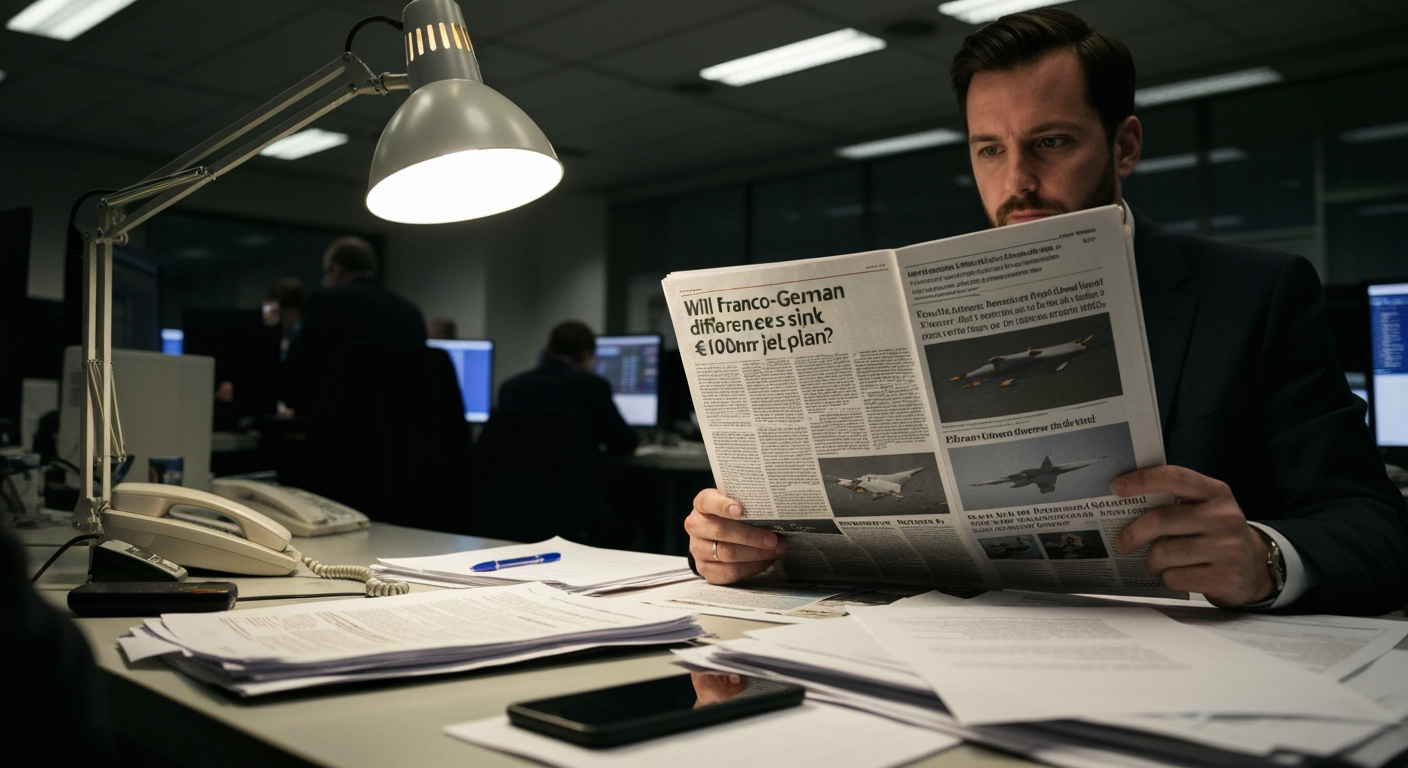
Franco-German Rift Threatens to Ground Europe's Flagship €100 Billion Fighter Jet Program
Brussels, Belgium – The ambitious €100 billion Future Combat Air System (FCAS), a cornerstone of European defense autonomy, faces an uncertain future as deepening industrial and strategic divisions between France and Germany threaten to derail the continent's most expensive military project. Originally envisioned as a unified sixth-generation fighter jet system by 2040, the program is now grappling with fundamental disagreements that could lead to its significant restructuring or even the abandonment of its central component, the Next Generation Fighter (NGF). Launched in 2017 as a joint initiative by France and Germany, with Spain joining in 2019, the FCAS program was designed to develop an integrated "system of systems." This comprehensive network includes a New Generation Fighter (NGF) to replace France's Rafale and Germany and Spain's Eurofighters, alongside autonomous Remote Carriers (drones) and a sophisticated "combat cloud" for data sharing and operational coordination
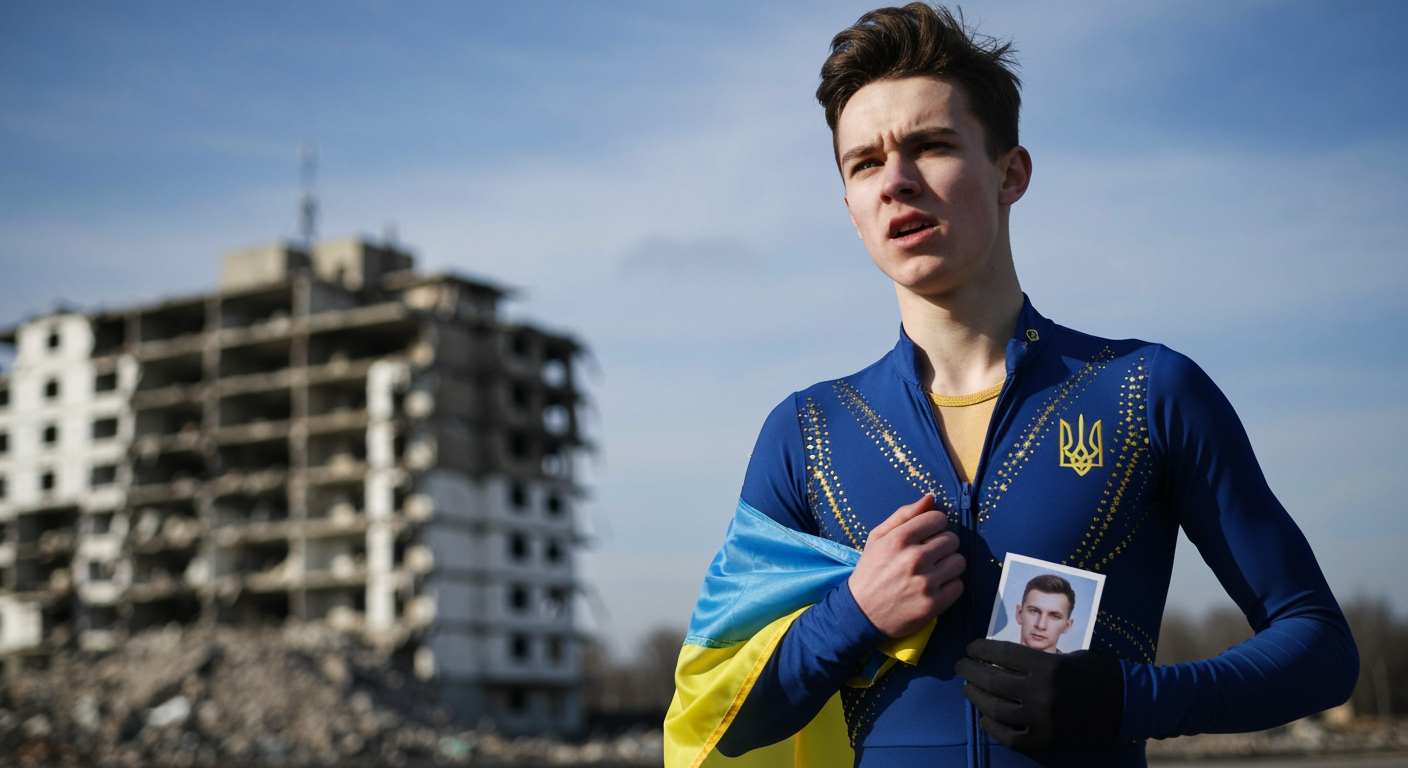
Olympic Skater Finds Brief Respite and Reunion Amidst Ukraine's Enduring Conflict
MILAN – Four years of relentless war, marked by the destruction of homes, shattered livelihoods, and the constant threat of aerial attacks, culminated in a poignant reunion at the Milan Cortina Games. American figure skater Vadym Kolesnik, whose family in Ukraine has endured the brutal realities of conflict, recently embraced relatives he had not seen since Russia’s full-scale invasion intensified