Europe Mobilizes Against U.S. 'Blackmail' Tariffs as Greenland Standoff Escalates
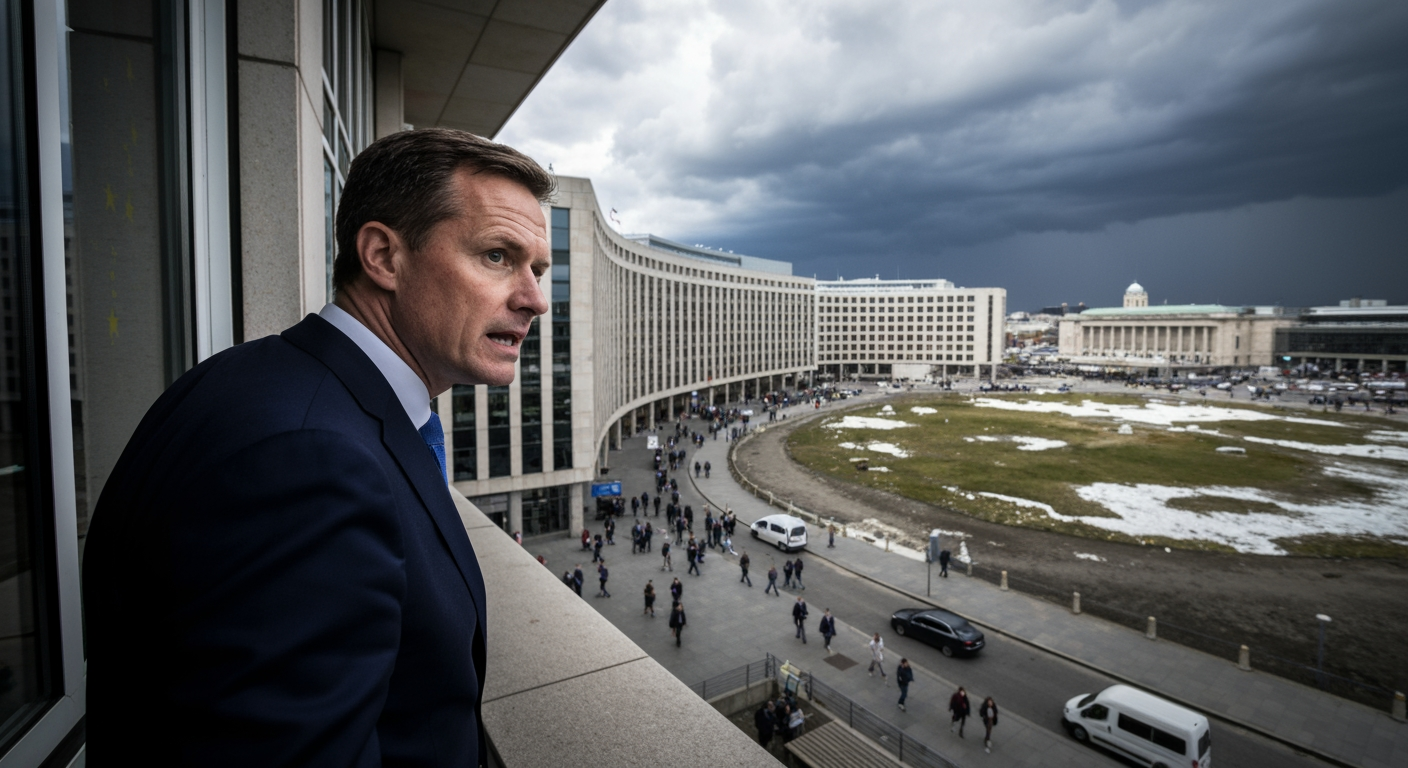
Brussels, Belgium – The European Union is preparing a robust and unified response to what it describes as "blackmail" tariffs imposed by the United States, following U.S. President Donald Trump's demand that European nations cede Greenland to American control. The escalating trade dispute, centered on the strategic Arctic island, has triggered emergency meetings among EU leaders who are weighing retaliatory measures that could plunge transatlantic relations into an unprecedented economic confrontation.
The Greenland Gambit and Trump's Ultimatum
The crisis ignited on Saturday, January 17, when President Trump announced via social media that the United States would levy a 10% import tax on goods from eight European nations starting February 1. The targeted countries – Denmark, Norway, Sweden, France, Germany, the United Kingdom, the Netherlands, and Finland – face further escalation, with tariffs set to rise to 25% on June 1 if a "deal is not in place for the Complete and Total purchase of Greenland" by the United States. Trump's rationale, articulated in his post, underscores Greenland's perceived critical role in the "Golden Dome" missile defense system and its importance for U.S. national security, arguing that Russia and China might otherwise attempt to seize the island. He also claimed that the U.S. has subsidized these European nations by not imposing tariffs for centuries, and it is now "time for Denmark to give back." This move represents a significant escalation in the Trump administration's foreign policy, leveraging economic pressure to achieve geopolitical objectives.
Europe's United Front and "Blackmail" Accusations
European leaders have vehemently condemned the U.S. tariff threats, universally characterizing them as "blackmail" and an unacceptable affront to sovereignty. In a joint statement, the eight targeted nations emphasized their "full solidarity with the Kingdom of Denmark and the people of Greenland," reiterating their commitment to the principles of sovereignty and territorial integrity. German Vice Chancellor Lars Klingbeil, speaking alongside French Economy and Finance Minister Roland Lescure, declared, "We will not be blackmailed, and there will be a European response." European Council President Antonio Costa stated that member states agreed to remain unified in support of Greenland and Denmark, calling the new tariffs "incompatible with the EU-US trade agreement." This unified condemnation highlights the perceived seriousness of Trump's threats, which European officials argue undermine transatlantic relations and risk a "dangerous downward spiral."
EU's Arsenal: Reciprocal Tariffs and the Anti-Coercion Instrument
In response to the U.S. ultimatum, the EU is actively considering a range of retaliatory measures. An emergency EU summit is expected to convene this week to discuss these options. One primary course of action involves reactivating a package of counter-tariffs on €93 billion (approximately $107.7 billion) worth of U.S. goods. These tariffs, which target significant American exports such as cars, industrial goods, food, and drink, were initially drawn up in response to previous U.S. economic threats but were suspended after a trade deal was struck last summer. Their potential implementation on February 6 could significantly impact American industries.
Furthermore, the EU is considering deploying its Anti-Coercion Instrument (ACI), often referred to as the "big bazooka." This powerful, albeit never-before-used, tool was introduced in 2023 to enable the EU to impose punitive economic measures against countries attempting to force policy changes. The ACI allows for broad sanctions, including excluding foreign companies from the EU's internal market, imposing export controls, or even ending intellectual property protections. While originally conceived in response to situations like China's economic pressure on Lithuania, the current scenario marks the first time its use against a major ally like the U.S. is being seriously contemplated. French President Emmanuel Macron has suggested the bloc should consider using this instrument.
Adding another layer of tension, the European Parliament has postponed a vote to ratify the EU-U.S. trade agreement, a deal painstakingly concluded in July 2025. This agreement, which involved the U.S. setting tariffs at 15% on most European goods and the EU eliminating duties on certain American products, now hangs in the balance as a direct consequence of the Greenland dispute.
Greenland: An Arctic Geopolitical Prize
The dispute brings into sharp focus the growing geopolitical significance of Greenland, an autonomous territory within the Kingdom of Denmark. With a population of just over 56,000, Greenland is the world's largest island, strategically located between North America and the Arctic. Its importance is multifaceted: it lies along emerging Arctic shipping routes, hosts the U.S. Pituffik Space Base (a critical missile defense and surveillance installation), and possesses vast untapped natural resources, including significant reserves of rare earth elements, zinc, iron, and other critical minerals essential for modern technology and industry. The European Commission itself has identified 25 of the 34 critical raw materials vital for Europe's economic and technological future as being present in Greenland.
While the U.S. emphasizes national security and resource control to counter perceived Russian and Chinese ambitions in the Arctic, both Greenland's government and Denmark have firmly rejected any notion of a forced acquisition, asserting their sovereignty and self-determination. Greenlander Premier Jens-Frederik Nielsen criticized the U.S. rhetoric, stating, "Threats, pressure, and talk of annexation have no place among friends." European leaders echo this sentiment, stressing the need to respect international law and territorial integrity.
Economic Fallout and Transatlantic Strain
The economic implications of Trump's tariffs and potential EU retaliation are substantial. The threatened U.S. tariffs alone would affect an estimated €270 billion in annual exports from the targeted European nations to the U.S., representing roughly half of the EU's total exports to America. Analysts project a potential reduction of 0.1% to 0.2% in the real GDP of affected EU nations if the initial 10% tariffs are implemented, rising to 0.25% to 0.5% if they reach 25%. The agri-food sector, a significant component of EU exports, could face additional costs of up to €7.3 billion if tariffs reach the higher threshold.
Should a full-blown trade war erupt with reciprocal tariffs, experts warn of a significant global economic downturn. Oxford Economics estimates that such an escalation could lower global GDP growth to 2.6%, a level not seen since the 2009 financial crisis (excluding the pandemic year of 2020). While some analysts believe the immediate macroeconomic impact of the U.S. tariffs might be "modest," the political fallout and the risk of a protracted trade conflict are considered far more significant.
This unprecedented trade dispute places severe strain on the historically cooperative U.S.-EU relationship, which has been a cornerstone of the post-World War II global trading system. It further challenges the stability of NATO, as European allies find themselves at odds with their principal security partner over fundamental issues of sovereignty and international law.
As the emergency EU summit approaches, diplomatic efforts are underway to de-escalate tensions, but European leaders remain steadfast in their commitment to a united and strong response. The future of transatlantic trade and the delicate balance of Arctic geopolitics now hinge on the unfolding events of the coming weeks.
Related Articles


Bishop Heiner Wilmer Elected to Lead German Bishops' Conference Amidst Deep Divides
WÜRZBURG, Germany – Bishop Heiner Wilmer of Hildesheim has been elected the new President of the German Bishops' Conference, assuming leadership of a Church grappling with profound internal reform efforts, declining membership, and strained relations with the Vatican. His election on Tuesday, February 24, 2026, positions him at the helm for a six-year term, succeeding Bishop Georg Bätzing of Limburg, who chose not to seek re-election

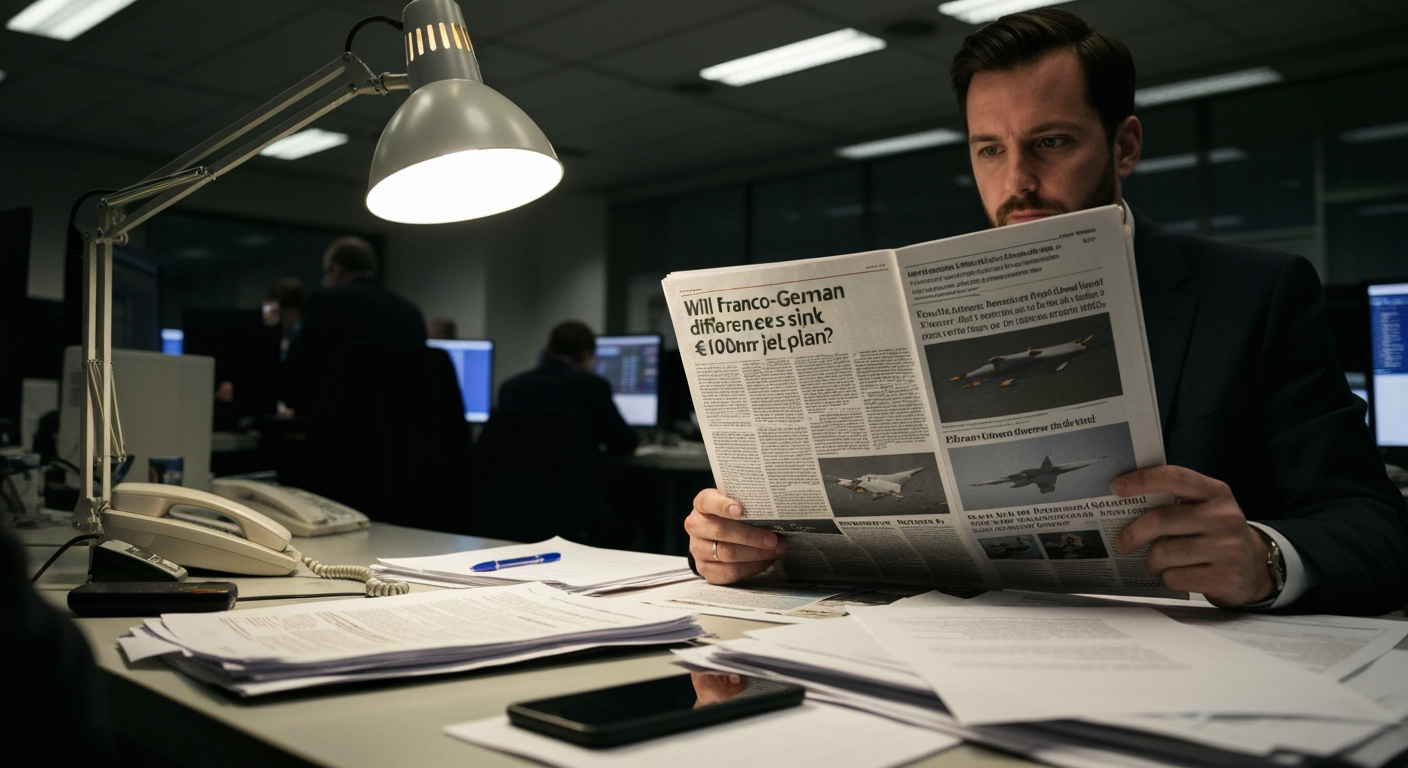
Franco-German Rift Threatens to Ground Europe's Flagship €100 Billion Fighter Jet Program
Brussels, Belgium – The ambitious €100 billion Future Combat Air System (FCAS), a cornerstone of European defense autonomy, faces an uncertain future as deepening industrial and strategic divisions between France and Germany threaten to derail the continent's most expensive military project. Originally envisioned as a unified sixth-generation fighter jet system by 2040, the program is now grappling with fundamental disagreements that could lead to its significant restructuring or even the abandonment of its central component, the Next Generation Fighter (NGF). Launched in 2017 as a joint initiative by France and Germany, with Spain joining in 2019, the FCAS program was designed to develop an integrated "system of systems." This comprehensive network includes a New Generation Fighter (NGF) to replace France's Rafale and Germany and Spain's Eurofighters, alongside autonomous Remote Carriers (drones) and a sophisticated "combat cloud" for data sharing and operational coordination
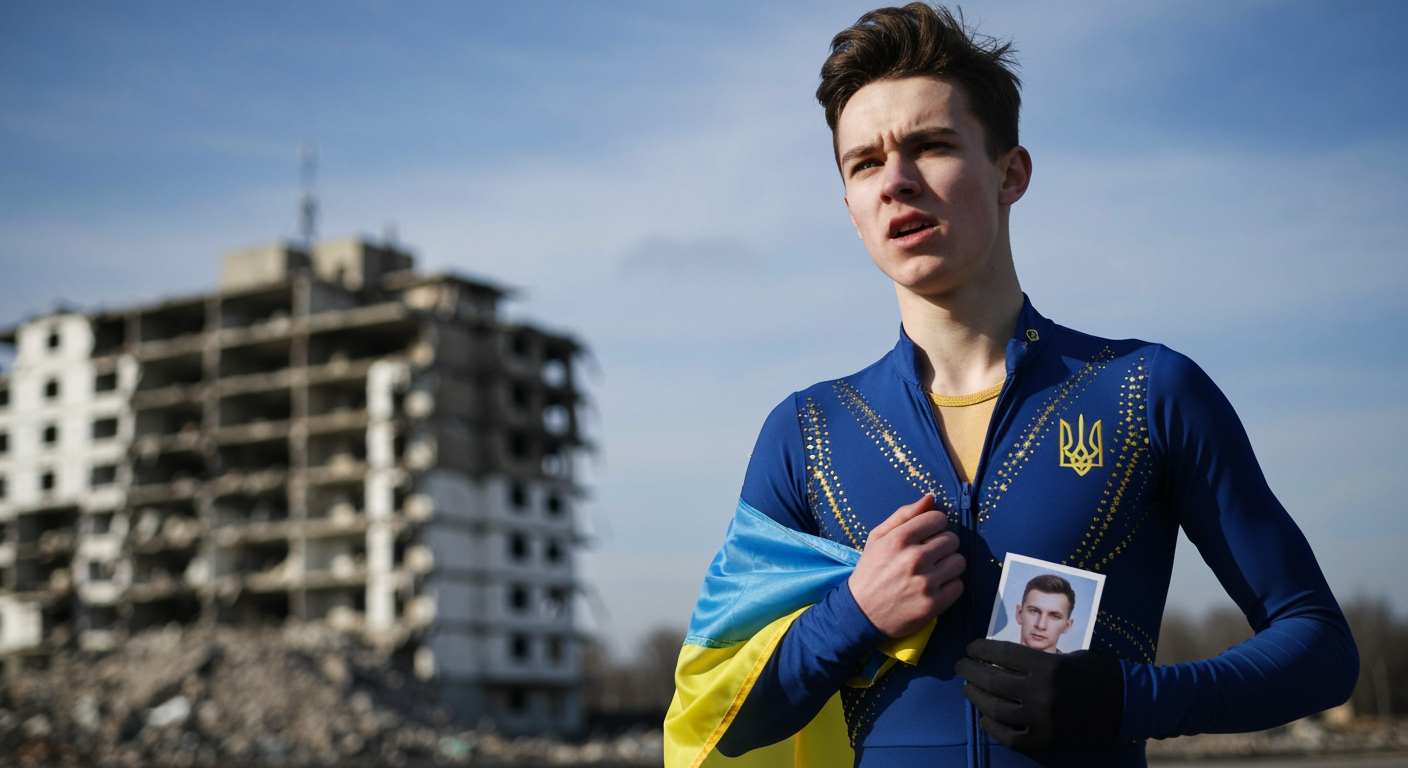
Olympic Skater Finds Brief Respite and Reunion Amidst Ukraine's Enduring Conflict
MILAN – Four years of relentless war, marked by the destruction of homes, shattered livelihoods, and the constant threat of aerial attacks, culminated in a poignant reunion at the Milan Cortina Games. American figure skater Vadym Kolesnik, whose family in Ukraine has endured the brutal realities of conflict, recently embraced relatives he had not seen since Russia’s full-scale invasion intensified