Egyptian Girls Lace Up Gloves to Fight Violence and Shatter Prejudice

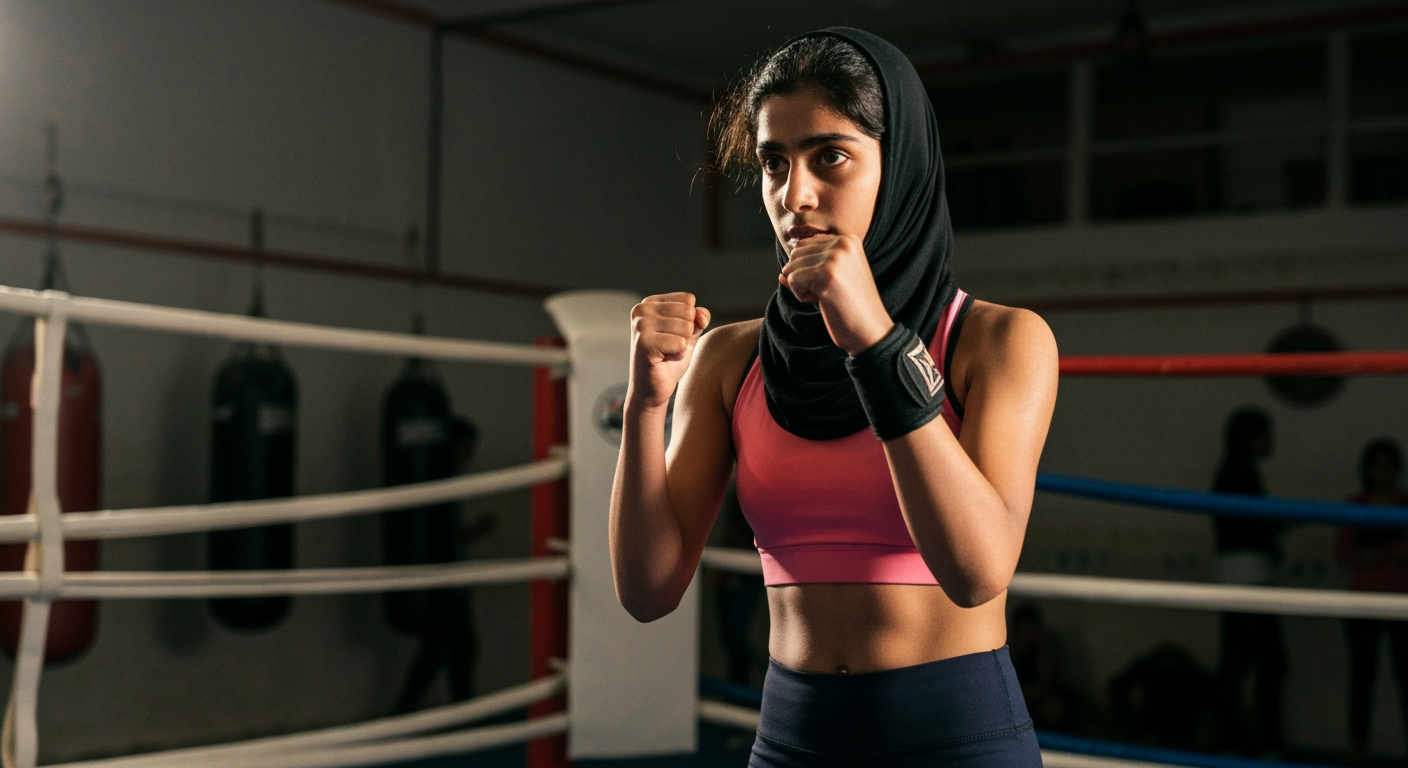
In a striking display of resilience and determination, girls and young women across Egypt are increasingly turning to boxing and other martial arts, transforming the ring into a powerful arena for self-defense and societal change. This burgeoning movement challenges deeply entrenched gender norms and provides a vital counter-punch to the pervasive issues of violence and prejudice faced by women in the country. More than just a sport, for many, boxing has become a crucial tool for empowerment, instilling confidence and offering a physical and psychological shield against harassment.
The surge in female participation in combat sports comes against a backdrop where the need for self-defense is acutely felt. A United Nations survey in 2013 revealed that an alarming 99% of women in Egypt had experienced some form of sexual harassment. Furthermore, a 2017 Thomson Reuters Foundation poll ranked Cairo as the world's most dangerous megacity for women, underscoring the daily challenges many confront. In response, initiatives like Coach Samah's "Monsters' Academy" in Abu Zaabal are gaining prominence, teaching Muay Thai to young women and girls who seek to defend themselves and gain confidence. These academies are not merely training grounds but sanctuaries where participants share experiences and collectively reject the narrative that blames women for sexual assault.
The Ring as a Refuge: Building Confidence and Safety
For many, the decision to step into a boxing gym is a direct response to personal experiences with harassment. Rania, a 19-year-old who volunteers at the Monsters' Academy, recounted how her training enabled her to fend off an intruder at her home, an incident that solidified her dedication to the sport. This practical application of self-defense techniques resonates deeply, as boxing transforms the body into a formidable weapon, utilizing elbows, knees, and fists to deter aggressors. The physical prowess gained translates into a heightened sense of security, allowing girls to navigate public spaces with newfound confidence.
Beyond the immediate benefit of self-protection, the rigorous training in combat sports fosters significant psychological growth. Participants report increased self-confidence, a sense of control over their bodies, and a stronger motivation for independence. This empowerment is crucial in a country where traditional attitudes often confine women to domestic roles and limit their public presence. The shared experience within these training groups also creates a supportive community, allowing girls to discuss incidents of harassment and reinforce strategies for confronting them.
Punching Through Barriers: Challenging Societal Norms
The sight of girls donning boxing gloves and engaging in martial arts directly confronts conservative stereotypes about women's capabilities and roles. Historically, women's participation in sports in Egypt has faced numerous cultural and social barriers. Concerns about female athletes losing their "femininity," getting injured, or even societal anxieties about their virginity have been cited as reasons for discouragement. Despite evidence of women participating in sports, including boxing and fencing, among the higher social classes in the mid-20th century, these activities remained largely outside mainstream acceptance for many years.
However, the growing visibility of female boxers and martial artists is gradually shifting perceptions. Coaches like Samah are actively working to change stereotypes about girls in martial arts within their communities. The dedication and achievements of these athletes are demonstrating that sports, particularly combat sports, are not exclusively for men. This shift is not without its challenges; female athletes still contend with low pay, limited recognition, and fewer opportunities compared to their male counterparts. The lack of proper facilities, especially for girls, and the scarcity of female trainers further compound these issues. Nevertheless, the increasing number of women in sports, now comprising approximately 30% of Egypt's athletes, signals a slow but significant cultural evolution.
A Longstanding Fight: Paving the Way for Future Generations
The path for women in Egyptian sports has been arduous, marked by a history of overcoming social and institutional hurdles. Figures like Nadia Abdel Hameed, Egypt's first female boxing coach at an Olympic tournament, exemplify this struggle and progress. Despite facing opposition and prejudice, Hameed's success in coaching male athletes, and leading her team to achieve impressive results, has served to "shut many mouths" and challenge deeply ingrained biases. Her journey underscores the persistent fight for respect and recognition that female coaches and athletes endure.
Similarly, Egyptian-Danish boxer Nadia Helmy Ahmed has broken numerous stereotypes, both as a Muslim woman in elite boxing and as a coach. Her mission to empower young girls through boxing highlights the sport's potential to foster self-expression and physical strength. These role models are critical, as they provide tangible evidence that success is attainable and counteract negative gender stereotypes, inspiring younger generations to pursue their athletic dreams. The Impact Academy Egypt, founded by Sally Hassona, is further contributing to this by training women coaches and empowering girls through sports, leadership, and STEM education, aiming to build a pipeline of future female sports leaders.
A Punch for Progress: Towards Greater Equality
The movement of girls boxing in Egypt transcends individual athletic achievement; it represents a broader societal push for gender equality and women's rights. By engaging in a sport traditionally dominated by men, these young women are actively reshaping perceptions of strength, resilience, and capability. While significant challenges remain, including the need for increased funding, better facilities, and continued cultural shifts, the growing acceptance and participation in combat sports signify a powerful step forward.
The confidence and self-reliance cultivated in the boxing ring are extending into other aspects of life, fostering a generation of women who are less likely to be silenced or intimidated. As these girls continue to train, compete, and inspire, they are delivering powerful blows against violence and prejudice, paving the way for a more equitable future for women across Egypt. Their fight in the ring is a reflection of a larger battle for recognition and respect, demonstrating that true strength comes from within, and is capable of breaking down even the most formidable barriers.
Related Articles

German Professional Boxer Julia Igel Steps Up for Imane Khelif's Highly Anticipated Official Debut
Paris, France – The boxing world prepares for a pivotal moment as Algerian Olympic gold medalist Imane Khelif is set to make her official professional boxing debut on April 23 in Paris. Her opponent, Germany's Julia...


AI Reshapes the Workplace: The End of the Traditional Office, The Dawn of Intelligent Spaces
The rise of artificial intelligence, coupled with the persistent momentum of remote and hybrid work models, is fundamentally reshaping the landscape of commercial office spaces, prompting a critical re-evaluation of...

Iran War Threatens Billions in South Asian Remittances, Sparks Regional Economic Crisis
The escalating conflict in the Middle East, characterized by an ongoing "Iran war" involving the United States and Israel, has triggered profound economic instability across the Gulf, placing billions of dollars in...