Denmark Fortifies Defenses Amidst Russian Aggression and Shifting Alliance Dynamics
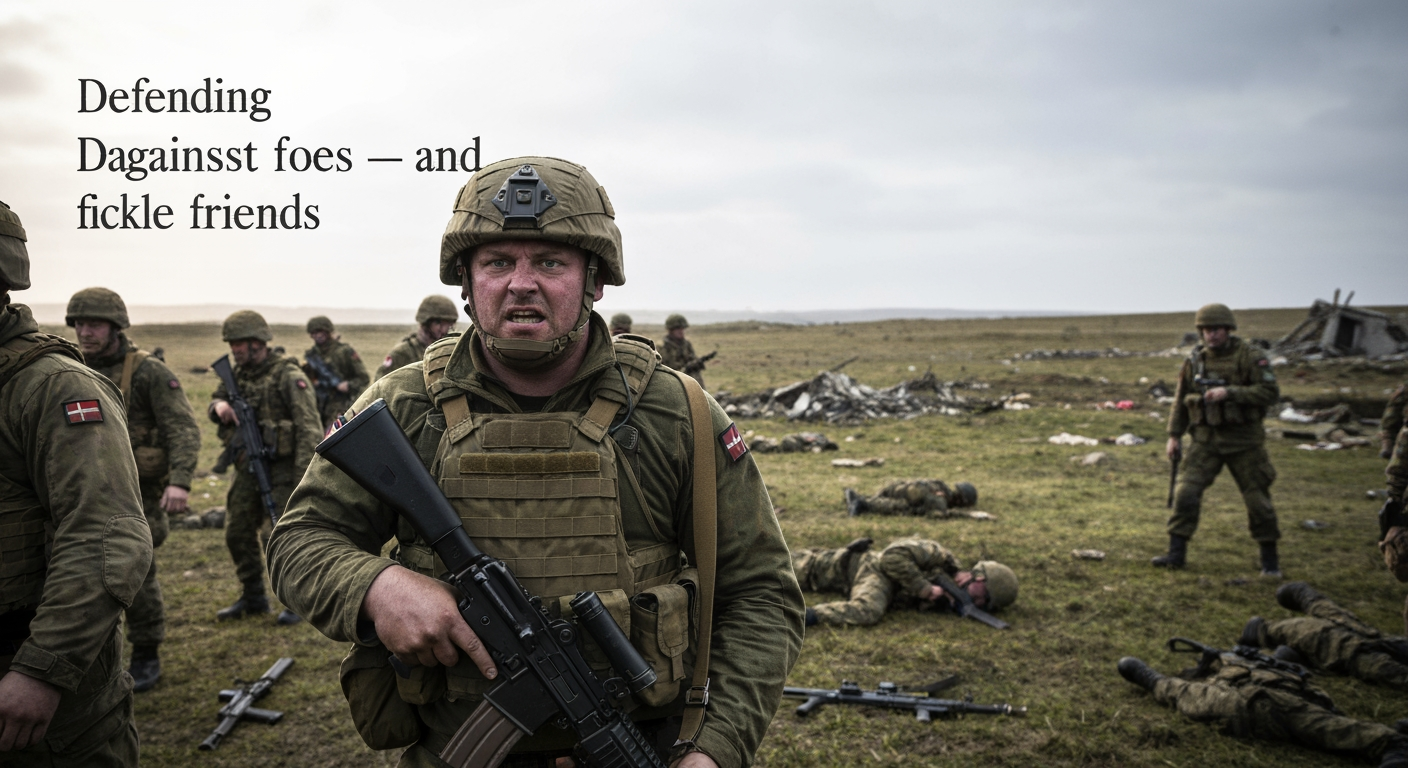
Copenhagen, Denmark – Once a nation celebrated for its measured diplomacy and a defense posture rooted in post-Cold War peace dividends, Denmark is now undergoing an unprecedented military transformation. Driven by an urgent reassessment of regional threats and a complex web of alliance dynamics, the Scandinavian kingdom is rapidly bolstering its armed forces and committing substantial resources to national and collective security. This dramatic shift underscores a broader European awakening to a more volatile geopolitical landscape, where traditional "foes" are increasingly aggressive and the reliability of long-standing "friends" faces new scrutiny.
The Rising Tide: Russia's Assertive Posture in the North
The primary catalyst for Denmark's accelerated defense build-up is the escalating assertiveness of Russia, particularly in the Baltic Sea and the strategically vital Arctic region. Danish intelligence agencies have repeatedly warned of Moscow's increasingly intense "hybrid warfare" against NATO member states, operating just below the threshold of open conflict. Incidents have included Russian warships targeting Danish naval vessels and helicopters with tracking radars and weapons in Danish waters, a clear act of intimidation designed to challenge Denmark's adherence to international shipping rules in the Baltic Sea. Furthermore, Russian fighter jets have been deployed to protect its "shadow fleet" of tankers circumventing Western sanctions, and there have been numerous violations of NATO airspace by Russian aircraft.
A stark assessment from the Danish Defence Intelligence Service (DDIS) indicates that Russia could rebuild its military capacity within two years following the conclusion of the war in Ukraine, enabling it to wage war against one or more NATO countries. This chilling projection has served as a critical impetus for Denmark's rapid recalibration. In response, the Baltic Sea has become one of Europe's most intensively monitored maritime zones, characterized by continuous naval patrols, aerial surveillance, and reinforced protection of undersea infrastructure, largely orchestrated by Nordic-Baltic nations. The launch of NATO's Operation Baltic Sentry in early 2025 further solidified the Alliance's operational commitment to its northern defense.
Denmark's Swift Reawakening: A Multi-Billion Dollar Defense Surge
In response to these escalating threats, Denmark has embarked on one of the most rapid military overhauls in its modern history. Without public alarm or dramatic pronouncements, Copenhagen is swiftly restructuring its armed forces, significantly increasing defense spending, and reinforcing its strategic posture across the Arctic and North Atlantic. By early 2025, Denmark had committed over $13.7 billion to Arctic air defense and North Atlantic military capabilities.
A pivotal development occurred in February 2025, when the Danish government proposed an "Acceleration Fund" allocating an additional 50 billion DKK (approximately $7 billion USD) for rapid investments in combat capabilities over 2025 and 2026. This additional funding, layered upon existing defense agreements, is projected to elevate Denmark's defense spending beyond 3% of its Gross Domestic Product (GDP) in 2025 and 2026, a substantial leap from previous targets and well above NATO's 2% guideline. This ambitious financial injection aims to modernize existing equipment, procure advanced military hardware, strengthen cyber defenses, and enhance the readiness and training of Danish forces. Specific plans include expanding the Royal Danish Navy's fleet with new frigates or submarines and upgrading the Royal Danish Air Force's fighter aircraft capabilities to secure national airspace. The Danish Army is also slated for significant investments in armored vehicles, artillery systems, and improved soldier equipment, alongside upgrades to military bases and training facilities. The Ministry of Defense is undergoing reorganization to streamline decision-making and accelerate investment implementation.
The Shifting Sands of Alliance: Navigating "Fickle Friends"
While confronting an undeniable external threat, Denmark simultaneously navigates an increasingly complex and sometimes uncertain landscape among its allies. The notion of "fickle friends" largely pertains to the evolving role of the United States as a security guarantor and the internal cohesion within NATO. Danish intelligence, in a striking assessment, has identified the United States as a potential security risk, citing political decisions by the Trump administration that have fostered mistrust between the U.S. and Europe and raised questions about Washington's long-term commitment to European security. Concerns also persist regarding the U.S.'s increasing use of economic leverage against its allies.
A notable point of friction arose around the "Greenland crisis," which, while ultimately defused, exposed underlying tensions within NATO and diverted resources and diplomatic efforts. Denmark's subsequent decision to deploy forces rotationally to Greenland, though necessary for Arctic security, has meant redirecting assets that might otherwise have supported Ukraine or reinforced NATO's eastern flank. This highlights the delicate balance Denmark must strike between its Arctic responsibilities and its broader NATO commitments.
The European Union, while not a military alliance in the same vein as NATO, is also actively redefining its role in Arctic security. The EU's Arctic policy has shifted from primarily focusing on climate and research to acknowledging the necessity for "more hard power" in the face of Russia's military build-up in the region. The EU has publicly affirmed its solidarity with Denmark and Greenland, emphasizing the principles of sovereignty and self-determination for Greenland's future. There are ongoing discussions about increased European investments in space and maritime situational awareness around Greenland and a more substantial European military presence, potentially signaling a desire for greater European autonomy in regional defense. Meanwhile, a strong regional partnership is evident within the Nordic-Baltic states, which are collectively meeting NATO's defense spending targets and jointly providing significant military aid to Ukraine. This regional cooperation serves as a testament to shared security concerns and a commitment to collective defense.
A New Era of Pragmatism and Preparedness
Denmark's strategic recalibration marks a significant turning point, moving from a strategy of minimum defense spending to one of robust preparedness. This quiet but profound transformation reflects a nation no longer willing to leave its future to chance or solely rely on the guarantees that have underpinned European security for decades. The country's "calm language paired with extreme action" encapsulates a pragmatic approach to safeguarding national interests and upholding alliance commitments in an increasingly unpredictable world.
The implications of Denmark's intensified defense efforts extend beyond its borders, influencing regional stability in the Baltic and Arctic and reinforcing the collective defense posture of NATO and its European partners. As geopolitical uncertainties persist, Denmark's proactive stance serves as a potent example of how smaller nations are adapting to new realities, balancing the imperative of national defense with the complexities of multinational alliances.
Related Articles


Scrutiny Reveals Pattern of Misleading Claims in State of the Union Addresses
Washington, D.C. – The annual State of the Union address, a constitutionally mandated platform for the President to report on the nation's condition and propose legislative agendas, has long served as a moment of national reflection and political spectacle

Former Prince Andrew: A Royal Downfall Culminating in Arrest
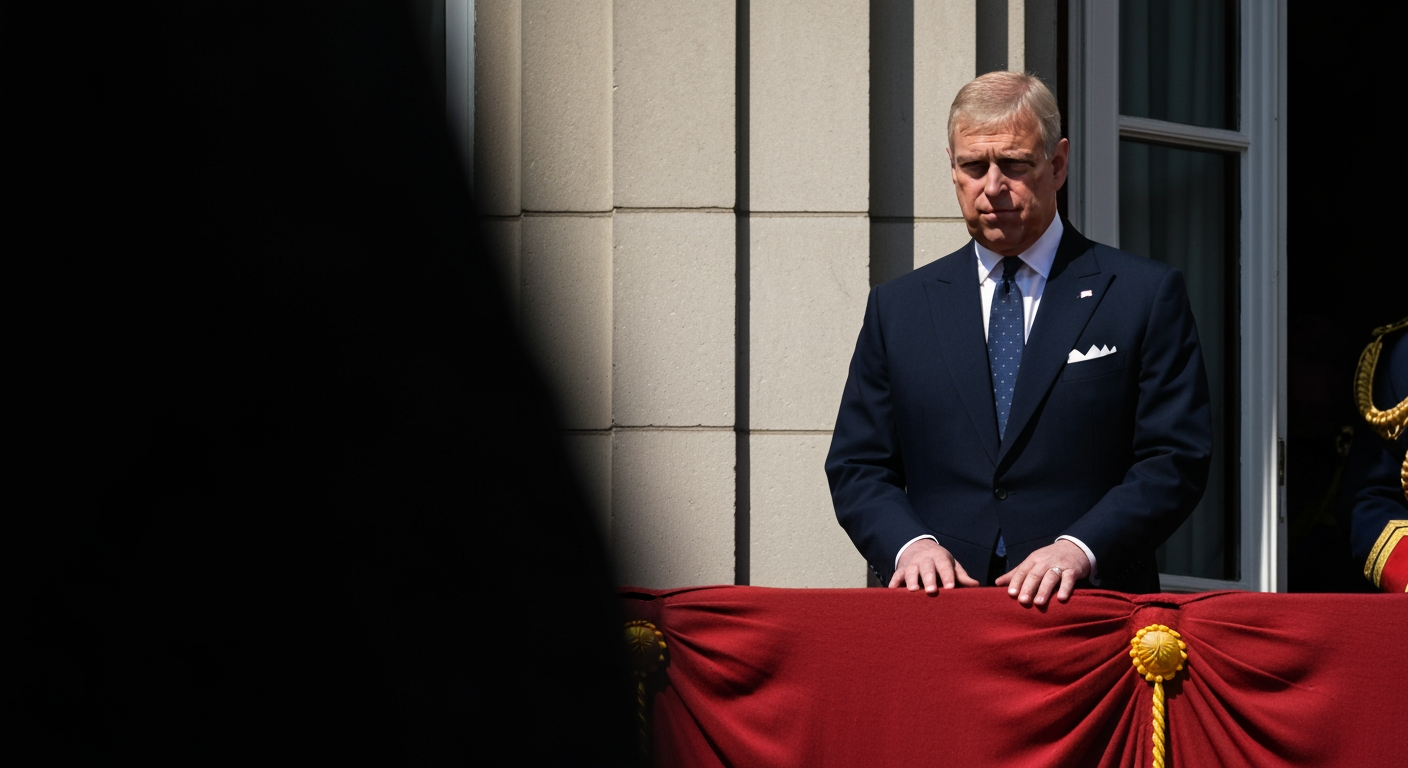
LONDON – Andrew Mountbatten-Windsor, once known as Prince Andrew, Duke of York, has experienced a dramatic and unprecedented fall from grace within the British royal family, culminating in his arrest on his 66th birthday, February 19, 2026, on suspicion of misconduct in public office. The arrest marks a historic low point for a man who served as a decorated naval officer and represented the United Kingdom on the world stage, irrevocably transforming his public identity and private life amid a relentless storm of scandal and legal challenges
European Nations Eye Australian Model for Social Media Age Bans on Youth
As concerns about the profound impact of social media on the mental health and well-being of young people continue to escalate across the globe, European governments are closely examining Australia's pioneering efforts to implement stringent age restrictions and robust age verification systems for online platforms. This growing transatlantic dialogue signals a potential paradigm shift in how digital environments are regulated for minors, moving from voluntary industry guidelines to mandatory legislative frameworks aimed at shielding children from what many now view as significant digital harms