Delhi Police Crack Down on 'Abusive' Social Media Posts Targeting Prime Minister Modi

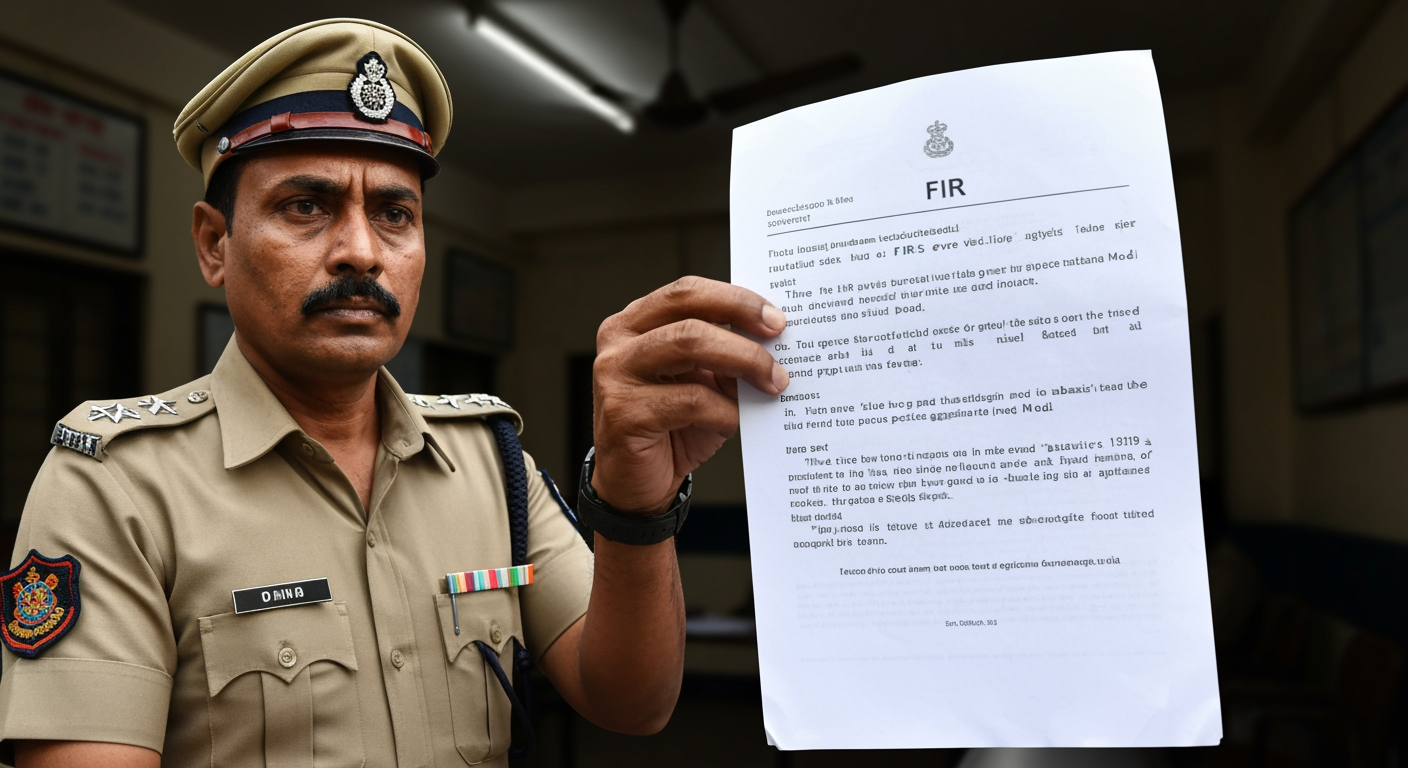
NEW DELHI – The Delhi Police have initiated a significant legal action, filing First Information Reports (FIRs) against numerous social media accounts for allegedly publishing "objectionable and defamatory" content directed at Prime Minister Narendra Modi and other high-ranking constitutional officials. This move follows a period of intense online activity, particularly surrounding recent protests, and underscores the growing tension between online expression and legal boundaries in India.
The legal proceedings highlight the government's assertive stance on policing digital discourse, particularly content deemed disrespectful or harmful to public figures. With notices dispatched to social media platforms, including X (formerly Twitter), demanding the removal of posts and the disclosure of user identities, the actions have ignited a broader conversation about freedom of speech, defamation laws, and the accountability of online platforms in India's dynamic digital landscape.
Protests Spur Police Action Against Online Content
The Delhi Police's recent action stems from posts made during and after protests organized by the "Cockroach Janta Party" at Jantar Mantar, including a "Chalo Sansad" march on July 20. Authorities allege that these online communications contained abusive language targeting Prime Minister Modi and security personnel. The protests themselves were marked by clashes, resulting in injuries to both participants and over 200 police personnel.
The Intelligence Fusion and Strategic Operations (IFSO) unit of the Special Cell registered the FIRs, invoking sections of the newly implemented Bharatiya Nyaya Sanhita (BNS). The charges include criminal intimidation, circulating false information or alarming news, and defamation. Specifically, police have cited BNS sections 351(3), 353(2), and 356(2). This legal framework replaced the Indian Penal Code in 2023, modernizing statutes related to online conduct.
As part of the ongoing investigation, the Delhi Police have issued directives to various social media platforms, demanding the immediate deletion or disabling of access to the contentious posts and videos. In a particularly stringent request, X was given a three-hour window to comply and was instructed to furnish complete registrant details, including full names, addresses, contact numbers, email IDs, and login/logout details of the implicated accounts. Such demands underscore the police's intent to identify and prosecute those behind the content, emphasizing that non-compliance could lead to platforms losing their "safe harbor" protections under IT rules.
India's Legal Framework: Navigating Defamation in the Digital Age
India's legal system provides a robust framework to address online defamation and abuse, balancing the constitutional right to freedom of speech with provisions for protecting individual and institutional reputations. The bedrock of free expression is enshrined in Article 19(1)(a) of the Constitution, which guarantees all citizens the right to freedom of speech and expression. However, this right is not absolute. Article 19(2) allows for "reasonable restrictions" on this freedom, particularly in matters concerning public order, decency, morality, national security, incitement to an offense, and, crucially, defamation.
Defamation is treated as both a civil and criminal offense in India. Under the recently enacted Bharatiya Nyaya Sanhita (BNS), which subsumed the Indian Penal Code's (IPC) Sections 499 and 500, making or publishing statements that harm a person's reputation, either orally or in writing, with intent or knowledge of likely harm, constitutes defamation. The potential penalties can include fines, imprisonment, or both. This criminalization of defamation is a key aspect distinguishing India's approach from many Western democracies, where defamation is primarily a civil matter.
Furthermore, the Information Technology (IT) Act, 2000, specifically Section 69A, grants the government the power to direct intermediaries like social media platforms to block public access to content deemed a threat to public order or national security. These legal provisions empower authorities to act against online content that they believe crosses the line from legitimate criticism to harmful defamation or incitement. The law also places significant responsibility on social media platforms to have grievance redressal mechanisms and to respond swiftly to complaints about abusive content, with mandates for content removal within specific timeframes once notices are issued.
Implications for Free Speech and Online Discourse
The Delhi Police's actions have inevitably reignited the long-standing debate in India regarding the limits of free speech, especially concerning political criticism. Critics and human rights organizations have frequently voiced concerns about the broad interpretation and application of laws that, they argue, can be used to stifle dissent and create a "chilling effect" on public discourse.
Organizations like PEN International have pointed out that "overreaching legislation and longstanding problems with the administration of justice have produced cumbersome legal processes that deter citizens from exercising their right to free expression." This, they contend, silences political criticism and discourages marginal voices from speaking out on sensitive issues, potentially leading to a "culture of conformity." India's position in global press freedom rankings has also been a point of concern, with reports indicating a decline in recent years, reflecting challenges faced by journalists and critics.
While the government maintains that these measures are necessary to maintain public order, prevent incitement, and protect the dignity and reputation of public servants, concerns persist that such actions could disproportionately impact the ability of ordinary citizens to voice opinions and engage in critical commentary online. The line between legitimate criticism and defamation or abuse often appears blurred, leaving individuals uncertain about the boundaries of permissible expression.
Conclusion: A Sharpening Conflict Over Digital Expression
The recent FIRs filed by the Delhi Police mark another chapter in India's ongoing struggle to reconcile the expansive nature of digital communication with established legal frameworks designed to maintain public order and protect reputations. As social media platforms become increasingly central arenas for political discourse, the state's efforts to regulate online content are intensifying. The directive to platforms like X to not only remove content but also disclose user identities signifies a determined approach to holding individuals accountable for their online expressions.
This situation underscores the delicate balance India seeks to strike between a vibrant, democratic exchange of ideas and the potential for online abuse and misinformation. While legal provisions exist to address defamation and incitement, the enforcement of these laws, particularly against criticism of political figures, will continue to be closely watched. The outcome of these cases and the broader implications for online freedom of expression will undoubtedly shape the future of digital civic engagement in one of the world's largest democracies. The tensions between state control and individual liberties in the digital sphere are likely to remain a critical point of discussion and contestation in India for the foreseeable future.
Related Articles


France Expels Russian Media Commentator Amid Escalating Disinformation Battle
PARIS, France – In a significant escalation of France's battle against foreign interference, the French government on Wednesday ordered the expulsion of Russian media commentator Xenia Fedorova, accusing her of actively...


BTS Sidesteps Grammys Amidst New Asian Pop Category Debate
In a significant move reverberating through the global music industry, K-pop titans BTS announced Wednesday they would not submit their recent work for consideration at the upcoming 69th Grammy Awards. The decision,...


BMW Initiates Major Restructuring, Targeting 8,000 Global Positions Amidst Mounting Economic Headwinds
MUNICH — BMW, the German luxury automotive giant, has announced a significant restructuring plan that will see the elimination of up to 8,000 jobs worldwide by the end of 2027. The move, primarily focused on voluntary...