Dakar Unveils New Goethe-Institut, a Beacon for Pan-African Cultural Exchange

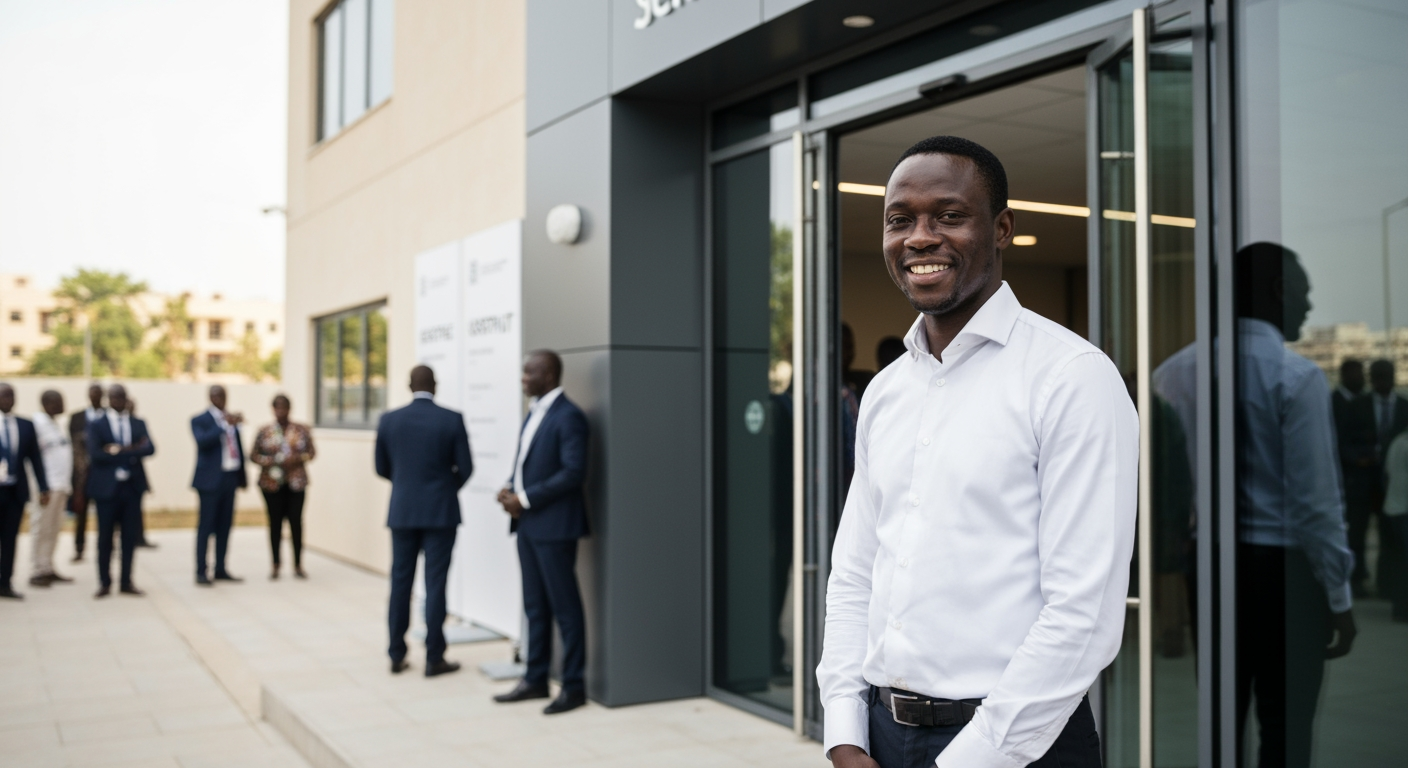
DAKAR, SENEGAL – The cityscape of Dakar has been transformed with the inauguration of a groundbreaking new building for the Goethe-Institut, marking a significant milestone in cultural diplomacy and sustainable architecture on the African continent. This purpose-built facility, designed by Pritzker Prize-winning architect Francis Kéré, officially opened its doors this week, heralding a new era for German-Senegalese relations and broader West African cultural engagement. The institute's new home, located on a sprawling 2,700-square-meter site, is more than just a structure; it is envisioned as a vibrant hub for learning, artistic expression, and dialogue, embodying a long-term commitment to fostering intellectual exchange and supporting the region's burgeoning creative industries.
A Visionary Architectural Landmark
The new Goethe-Institut stands as a testament to innovative design rooted in local context and environmental consciousness. Designed by the renowned Burkinabé architect Francis Kéré, the two-story building spans approximately 1,700 to 1,800 square meters, though some sources indicate the overall project size at 2,500 square meters. Its L-shaped form was deliberately chosen to integrate with the existing landscape, artfully circumventing mature trees on the site and mirroring the canopy shapes that have long graced the garden. A central baobab tree anchors the complex, symbolizing community and tradition, around which the institute's various functions unfold.
The building's construction proudly utilizes locally sourced compressed earth bricks (BTC), a decision that highlights Kéré's dedication to sustainability and the integration of traditional craftsmanship with modern design principles. These bricks, equipped with lattices, facilitate natural air circulation, contributing to a bioclimatic design that ensures comfort while minimizing environmental impact. A distinctive translucent second skin, also crafted from BTC bricks, enhances the building's aesthetic with a light appearance while providing natural illumination and effective acoustic insulation. The accessible rooftop, featuring a steel canopy supported by tree-shaped pillars, offers additional communal space for events and quiet contemplation, further connecting the structure with its natural surroundings. This architectural approach reflects a holistic vision, aiming for a model of high ecological sustainability.
Cultivating Exchange and Education
At its core, the new Goethe-Institut is designed to be a dynamic center for cultural and educational activities. The ground floor houses public facilities, including a modern auditorium capable of seating 150, a welcoming cafeteria, and a reimagined library. This library is particularly innovative, conceived to blend oral and literary traditions, featuring a discussion circle, small recording studios to document oral cultural heritage, and contemporary digital workspaces. The upper floor is dedicated to administrative offices and classrooms, providing space for approximately 80 students across four classrooms, with the capacity to serve around 600 students in total.
The institute’s programming will continue its mission to promote the German language and foster international cultural cooperation, a role it has embraced globally for over 60 years and specifically in Senegal since 1978. Beyond language courses, the Goethe-Institut offers a rich calendar of events, including visual arts exhibitions, cinema screenings, music performances, and literary conferences. With an estimated 35 staff members, the institute is poised to expand its reach, nurturing emerging talent and providing platforms for artists and intellectuals alike.
A Hub for West African Cultural Dialogue
The strategic location of the new Goethe-Institut in Dakar, near the Atlantic Ocean, Cheikh Anta Diop University, and the Léopold Sédar Senghor Museum, underscores its ambition to be a central point of convergence. Dakar itself is recognized as one of the most vital cultural hubs on the African continent, a status that the new institute aims to amplify by bridging cultural divides and fostering transnational exchange. The institute's commitment extends to addressing contemporary global issues, with a focus on decolonization, regional development, and the creative and cultural industries, particularly through projects and conferences that encourage knowledge exchange.
The construction journey, which began in February 2022, saw the participation of dignitaries including German Federal President Frank-Walter Steinmeier and Senegalese ministers, signaling the bilateral importance of the project. The institute's decision to commission a purpose-built space for the first time in its history on the African continent further underscores its deep commitment to the region.
Looking Ahead: A Future of Shared Understanding
The inauguration, marked by a series of lectures, panel discussions, and guided tours from April 16 to 18, 2026, celebrates not just a new building, but a renewed pledge to cultural understanding and collaboration. The Goethe-Institut in Dakar is poised to become a vibrant nexus where ideas converge, creativity flourishes, and sustainable practices are championed. By integrating traditional African architectural wisdom with cutting-edge environmental solutions, the institute sets a precedent for how cultural institutions can responsibly engage with their host communities and the broader global landscape. It is envisioned as a "place for dreaming," where students and cultural enthusiasts can expand their knowledge, exchange ideas for a more sustainable future, and forge plans for a collaboratively built world. This monumental new facility promises to strengthen the bonds between Germany and Senegal, enrich the cultural fabric of West Africa, and inspire a future of shared knowledge and mutual respect.
Related Articles


Academic Freedom Under Siege: A Microcosm of America's Democratic Erosion
The bedrock principle of academic freedom, long considered essential for a robust democracy, is increasingly under pressure across the United States. A rising tide of legislative interference, funding cuts, and...


The Shifting Lexicon of Sex Work: A Mirror to Society's Complex Views
The language used to describe the commercial exchange of sexual services has undergone a significant evolution, transforming from historically pejorative terms to the more contemporary "sex work." This terminological...