Courageous Visions: Women Filmmakers from Iran and Afghanistan Redefine Cinema at Berlinale

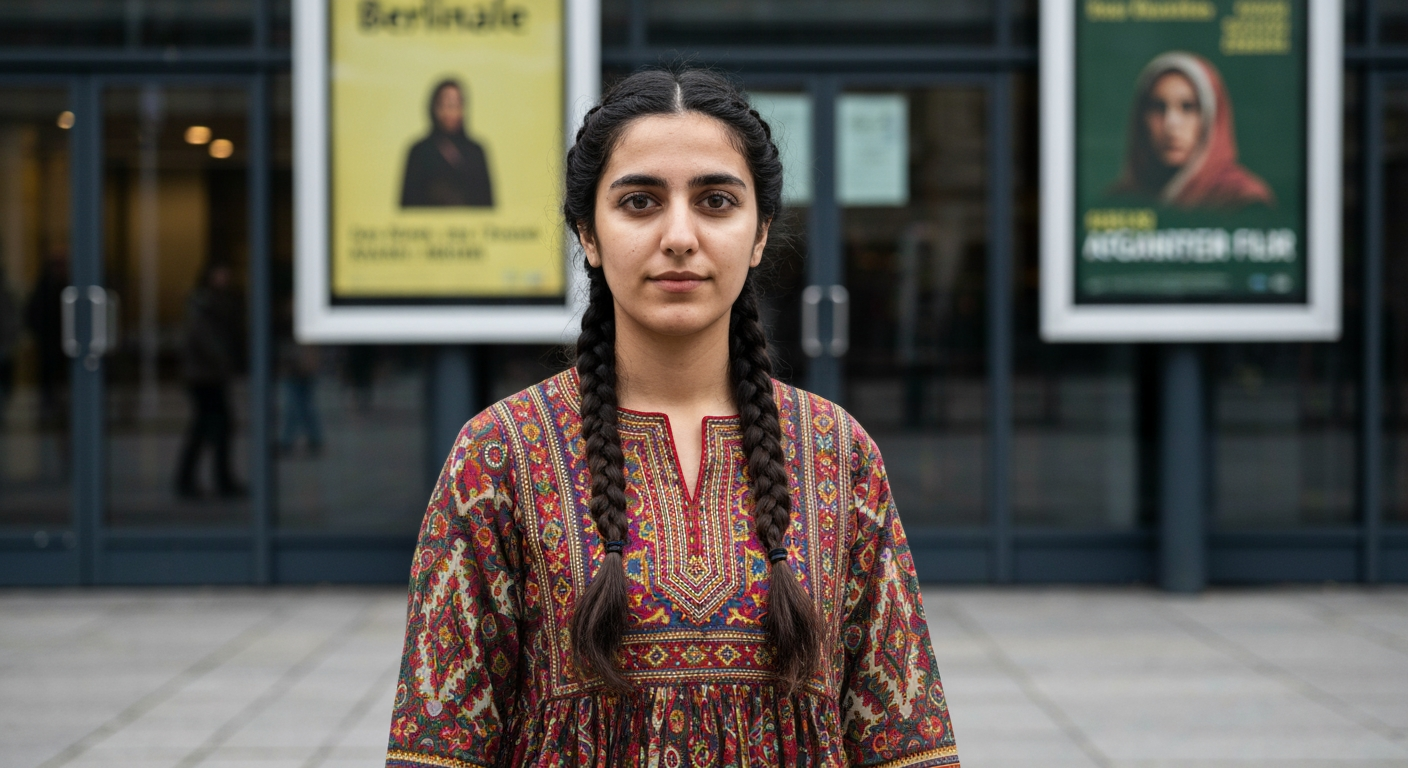
BERLIN — The Berlin International Film Festival, known for its politically charged programming and commitment to artistic freedom, has once again become a crucial global platform, this time showcasing the powerful and often defiant narratives crafted by women filmmakers from Iran and Afghanistan. Against backdrops of profound societal upheaval and strict censorship, these directors are presenting bold, deeply personal films that challenge conventional portrayals and illuminate the human spirit's resilience. Their works, ranging from romantic comedies set on the precipice of political change to stark critiques of repression, are not merely cinematic achievements but vital acts of resistance and cultural exchange.
This year's Berlinale has notably amplified voices from these regions, underscoring the universal power of storytelling to confront challenging realities and foster understanding. The festival's embrace of these films signals a recognition of their artistic merit and the urgent messages they carry from two nations where women's rights and artistic expression often face severe limitations.
A Groundbreaking Opening and Unflinching Narratives from Afghanistan
Headlining the 76th Berlinale, the Afghan filmmaker Shahrbanoo Sadat unveiled her latest feature, "No Good Men," as the festival's opening film. This romantic comedy, set in Kabul in 2021 just before the Taliban's return to power, follows Naru, a camerawoman at Kabul TV, who grapples with her skepticism about men until a new relationship challenges her beliefs. Sadat herself takes on the lead role of Naru, adding an intimate layer to the narrative. The film has garnered significant attention for featuring what is reported to be the first on-screen kiss in an Afghan movie, a poignant symbol of breaking societal taboos.
Sadat, who fled Afghanistan in 2021 and now resides in Hamburg, Germany, brings a unique perspective to her storytelling, actively working to counter one-dimensional portrayals of Afghans as perpetually sad or depressed. Her film humanizes Afghan characters, presenting their experiences with nuance and humor, making it a "great opportunity" for the burgeoning Afghan cinema to define its own narrative. The production itself faced considerable challenges, necessitating filming in Germany with actors from the Afghan diaspora due to safety concerns and the political climate in Afghanistan. Sadat navigated pressure from funders who questioned the appropriateness of a rom-com given the dire political situation, yet she remained steadfast in her vision to tell a universally relatable human story.
The presence of films like "No Good Men" highlights the severe obstacles faced by filmmakers in Afghanistan. Patriarchal cultural norms, traditional beliefs, and ongoing security issues significantly impede the growth of the film industry, particularly for women. Films often depict women as victims, and government investment in the sector has been minimal. Despite these hurdles, Afghan filmmakers, often relying on personal funds and discreet productions, continue to create, seeking to offer authentic portrayals of their society.
Iranian Cinema's Defiance Amidst Mounting Pressures
From Iran, the Berlinale featured films that directly confront the stringent censorship and restrictions on artistic freedom imposed by authorities. Directors Maryam Moghaddam and Behtash Sanaeeha's film, "My Favourite Cake," was a notable entry in the 2024 Competition section. However, the filmmakers themselves were conspicuously absent from the festival, having been barred from travel by Iranian authorities, their passports confiscated, and now facing a court trial related to their artistic work. The festival organizers responded by leaving two empty seats at the premiere, a symbolic gesture of solidarity and protest against the suppression of artistic voices.
"My Favourite Cake" boldly depicts the everyday lives of Iranians, intentionally sidestepping governmental censorship. It portrays scenes considered cinematic taboos, such as women without the mandatory hijab, and interactions like men and women touching or consuming wine. The film tells a late-in-life love story about a 70-year-old woman named Mahin seeking a normal life and freedom. Moghaddam and Sanaeeha, whose previous film "Ballad of a White Cow" (Berlinale 2021) was banned in Iran, stated their belief that it is "no longer possible to tell the story of an Iranian woman while obeying strict laws such as the mandatory hijab." The film's critical acclaim, including the FIPRESCI award at Berlinale 2024, stands as a testament to its artistic merit and its courageous stance.
Another Iranian female filmmaker, Narges Kalhor, received the Forum section award at Berlinale 2024 for her film "Shahid." Kalhor's film uses dark comedy to explore women's rights within a patriarchal religious society, drawing from her personal experience of bureaucratic challenges in Germany while trying to shed the family title "Shahid."
The journey of Iranian filmmakers is often one of navigating pervasive censorship that has been in place since the 1979 Islamic Revolution, which imposed strict Islamic values on cinema. This environment limits creative freedom and frequently forces filmmakers to work in secret or seek opportunities abroad. Despite these restrictions, Iranian cinema has remarkably thrived, with women playing an increasingly prominent role in challenging stereotypes and advocating for social change through their art.
Diverse Perspectives and the Human Element
Beyond these high-profile entries, other women directors from the region contributed diverse and compelling works. Negin Ahmadi's "Dreams' Gate," screened at Berlinale 2023, is a documentary that follows a young Iranian woman's journey to meet Kurdish women fighters in North Syria, exploring themes of female empowerment and the search for purpose. Mahnaz Mohammadi's "Roya," featured in a recent Berlinale, was shot underground and delves into the psychological fragmentation of a political prisoner in Tehran's notorious Evin Prison. Mohammadi, a women's rights activist, has herself faced incarceration and has been barred from making films in Iran since 2019, making "Roya" a profound act of testimony.
These films collectively underscore a crucial element: the gender of the storyteller significantly shapes the narrative. Women filmmakers from Iran and Afghanistan are uniquely positioned to offer nuanced portrayals of women's lives, focusing on human rights, personal struggles, and the quiet acts of defiance that often go unseen. Their work often aims to portray the reality of their societies, a reality frequently obscured by layers of official censorship.
A Platform for Dialogue and Change
The Berlinale's continued commitment to showcasing these films transcends mere cinematic appreciation; it serves as a critical platform for international dialogue and a powerful affirmation of artistic freedom. By providing visibility to stories that might otherwise remain unheard, the festival challenges global audiences to look beyond headlines and engage with the complex human experiences within Iran and Afghanistan.
These women filmmakers embody an unwavering spirit of audacity and determination. They continue to push boundaries, often at great personal risk, to ensure their narratives reach a global audience. Their films are not only reflections of their national realities but also universal tales of struggle, hope, love, and the persistent quest for freedom and self-expression. In an era where geopolitical tensions often overshadow individual stories, the Berlinale has provided a vital space for these courageous voices to resonate, proving that cinema remains a potent tool for social commentary and an essential conduit for cultural understanding and change.
Related Articles

The Journey Towards Conscience: Is Responsible Travel an Achievable Ideal?
The allure of distant lands and novel experiences continues to captivate humanity, yet the escalating impacts of global tourism present a profound ethical dilemma. As wanderlust drives billions across continents, a critical question emerges: In an era of climate crisis and overtourism, can travel truly be responsible? The answer, experts suggest, is a complex tapestry woven with challenges and burgeoning opportunities, demanding a collective shift in mindset and practice from both industry and individual travelers. ### The Promise and Peril of Global Exploration Responsible travel, broadly defined, seeks to minimize the negative environmental and socio-cultural impacts of tourism while maximizing its positive contributions to local economies and communities

Stolen Identity: German Filmmakers Recouping Their Art in a Digital Age
In an era where digital distribution offers unprecedented reach for independent creators, it also presents fertile ground for intellectual property theft. The harrowing experience of two German film students, Moritz and Julius, whose short film "Butty" was stolen, renamed "T-130," and submitted to international film festivals under another individual's name, serves as a stark reminder of the vulnerabilities artists face

Berlinale Navigates Turbulent Waters Amidst Polarized Gaza Debate
The Berlin International Film Festival, widely recognized for its historically political stance and celebration of diverse cinematic voices, finds itself at a critical juncture, grappling with intense scrutiny and division over the ongoing conflict in Gaza. The festival's leadership is facing a formidable balancing act, striving to uphold artistic freedom and foster dialogue while simultaneously contending with accusations of censorship and pressure to take a more definitive political position