Cologne Carnival: An Enduring Spirit in a Digital Age
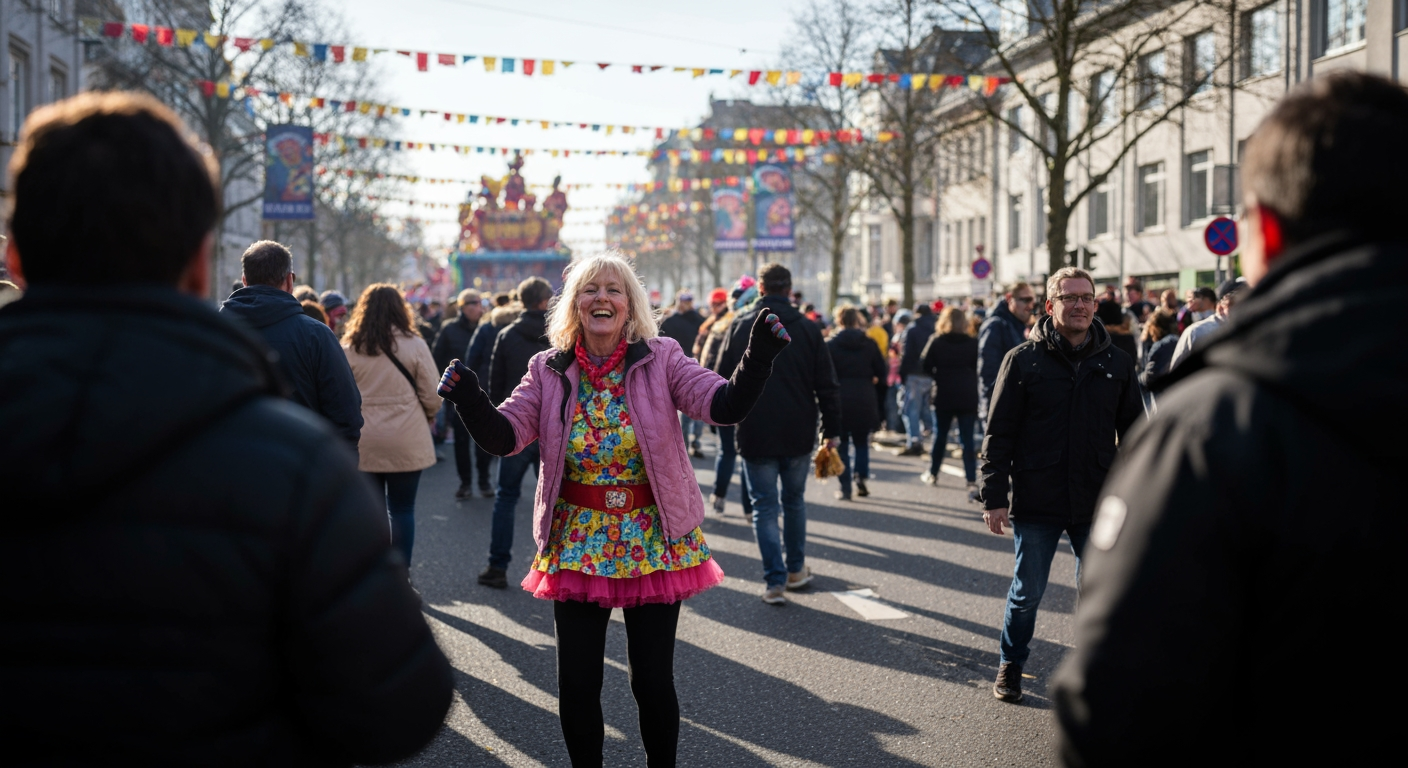
Cologne's storied Carnival, a vibrant spectacle deeply rooted in centuries of tradition, is navigating the currents of modern culture, with street parties, diverse musical "beats," and the pervasive influence of platforms like TikTok subtly reshaping its public image and global reach. While the core essence of this "fifth season" remains tethered to its historical origins, the ways in which revelers engage, share, and experience the festivities are evolving, presenting both opportunities and challenges for one of Germany's most celebrated cultural events. The annual event, which draws millions to the Rhineland, demonstrates a remarkable capacity for adaptation, embracing contemporary trends while fiercely guarding its unique heritage.
Roots in Revelry: A Timeless Tradition Endures
Dating back to Roman times with influences from ancient spring festivals, Cologne Carnival, or "Kölner Karneval," formalized its structure in 1823 with the establishment of the Cologne Carnival Festival Committee. This pre-Lenten celebration transforms the city into a week-long fiesta of elaborate costumes, parades, and street-side merriment, attracting over two million visitors annually. At its heart is the "Dreigestirn" – the Prince, Peasant, and Maiden – figures who personify the carnival spirit, traditionally portrayed by men. The rallying cry "Kölle Alaaf!" (Cologne above all!) resonates through the streets, embodying a deep-seated local pride and collective joy.
A defining characteristic of the Carnival is its tradition of satire and mockery. Floats in the grand parades, particularly on Rose Monday, frequently lampoon current political figures and social events with a blend of dark humor and pointed commentary. This satirical edge, a legacy from earlier eras when citizens used the festival to playfully challenge authority, remains a vital component, allowing for a collective release and critique within the festive framework.
The Pulse of the Pavement: Street Parties as the Main Stage
While official balls and organized events form part of the Carnival, the true heart of the festivities pulsates on the streets. The "Crazy Days," kicking off on "Weiberfastnacht" (Fat Thursday), see the city's public spaces overflow with "Jecken" (revelers) in myriad costumes. This day, historically, empowers women, who traditionally cut off men's neckties as a symbolic gesture of reclaiming authority, often rewarding the "victim" with a "Bützchen," a small kiss on the cheek.
The culmination of these street celebrations is the Rose Monday parade, a massive procession featuring over 200 floats, marching bands, and dancers winding through an eight-kilometer route. More than a million people line the streets, shouting "Kamelle!" for sweets and "Strüßjer!" for flowers thrown from the floats. The spontaneous nature of these street parties, with their impromptu dance-offs and shared revelry, fosters a unique sense of community where strangers often become friends, united by the infectious atmosphere. Public transport becomes a moving party, crowded with costumed revelers, underscoring the pervasive nature of the celebration.
The Evolving Soundtrack and Digital Amplification
Music is undeniably the soul of Cologne Carnival. Unlike many festivals that rely on pre-existing popular hits, Cologne's Carnival features a vibrant tradition of local bands composing and performing new "Kölsch" songs each year, many proclaiming love for the city. This continuous creation has resulted in a vast catalog of over 10,000 Carnival-specific songs. These tunes, a blend of traditional folk and contemporary styles, including rap, reggae, and samba infused with the Kölsch dialect, define the unique auditory landscape of the festival. The practice of "Schunkeln," where revelers link arms and sway to the music, exemplifies the collective spirit, transcending social boundaries.
In the modern era, the influence of digital platforms, though not fundamentally altering the Carnival's spirit, certainly amplifies its reach and visual identity. While direct evidence of TikTok creating an entirely "new image" in a transformative sense is limited, social media undeniably serves as a powerful tool for sharing the vibrant street scenes, diverse costumes, and energetic musical performances globally. Festival organizers are aware of the need to "tap into new target groups" and connect with participants through "digitisation," suggesting a conscious effort to integrate new media without compromising tradition. Videos showcasing the "madness" and "sunshine vibes" of the street parties circulate widely, giving a global audience a glimpse into the dynamic celebrations and potentially inspiring new forms of online engagement with the traditional festivities.
Community, Commerce, and the Future of Festivity
Beyond the revelry, Cologne Carnival stands as a testament to community resilience and inclusivity. The motto "Jede Jeck is von woanders" (every clown comes from somewhere else) reflects the welcoming atmosphere, particularly notable in initiatives that integrate diverse communities into the festivities. The Carnival is a melting pot, bringing together locals and migrants, celebrating a shared identity and open-mindedness.
The economic impact of the Carnival is substantial, generating an estimated €600 million in economic value for Cologne. This figure, which saw a 30% increase in the decade leading up to 2020, underscores the festival's importance beyond cultural expression, significantly boosting local industries such as hospitality, gastronomy, and textiles. However, this economic prosperity, coupled with the festival's massive draw, also necessitates increased attention to logistics and security. Recent years have seen enhanced vigilance and robust security measures implemented to ensure the safety of all participants, reflecting a commitment to preserving the joyful experience amidst contemporary concerns.
In essence, Cologne Carnival continues to be a dynamic fusion of past and present. While modern elements like digital sharing and evolving musical tastes are undeniably influencing its presentation and perception, they are largely integrated into a framework that cherishes its deep-rooted traditions. The lively street parties, the satirical commentary, and the unique Kölsch soundtrack remain central, affirming that while the world around it changes, the spirit of Cologne's "fifth season" finds new ways to flourish and connect with a global audience, ensuring its vibrant legacy for generations to come.
Related Articles

The Journey Towards Conscience: Is Responsible Travel an Achievable Ideal?
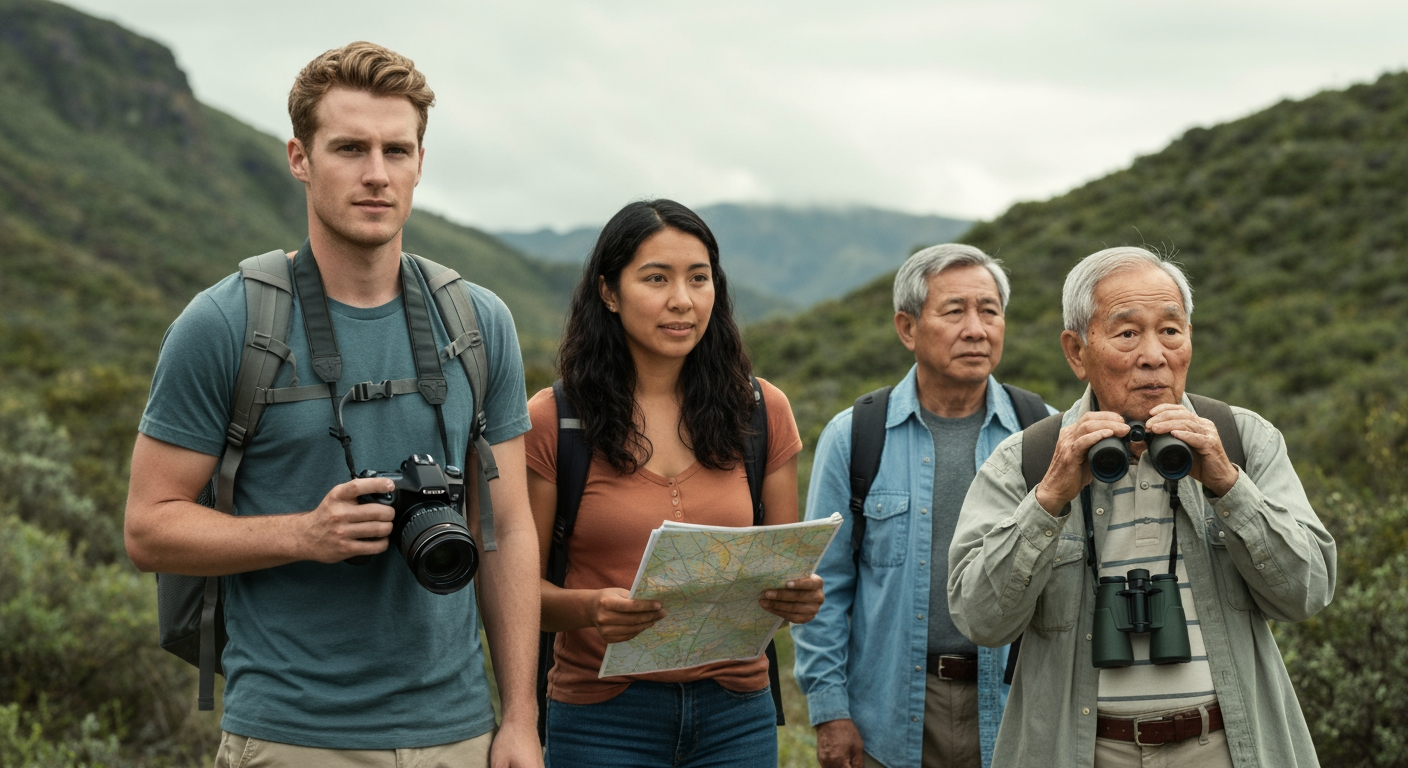
The allure of distant lands and novel experiences continues to captivate humanity, yet the escalating impacts of global tourism present a profound ethical dilemma. As wanderlust drives billions across continents, a critical question emerges: In an era of climate crisis and overtourism, can travel truly be responsible? The answer, experts suggest, is a complex tapestry woven with challenges and burgeoning opportunities, demanding a collective shift in mindset and practice from both industry and individual travelers. ### The Promise and Peril of Global Exploration Responsible travel, broadly defined, seeks to minimize the negative environmental and socio-cultural impacts of tourism while maximizing its positive contributions to local economies and communities

Stolen Identity: German Filmmakers Recouping Their Art in a Digital Age
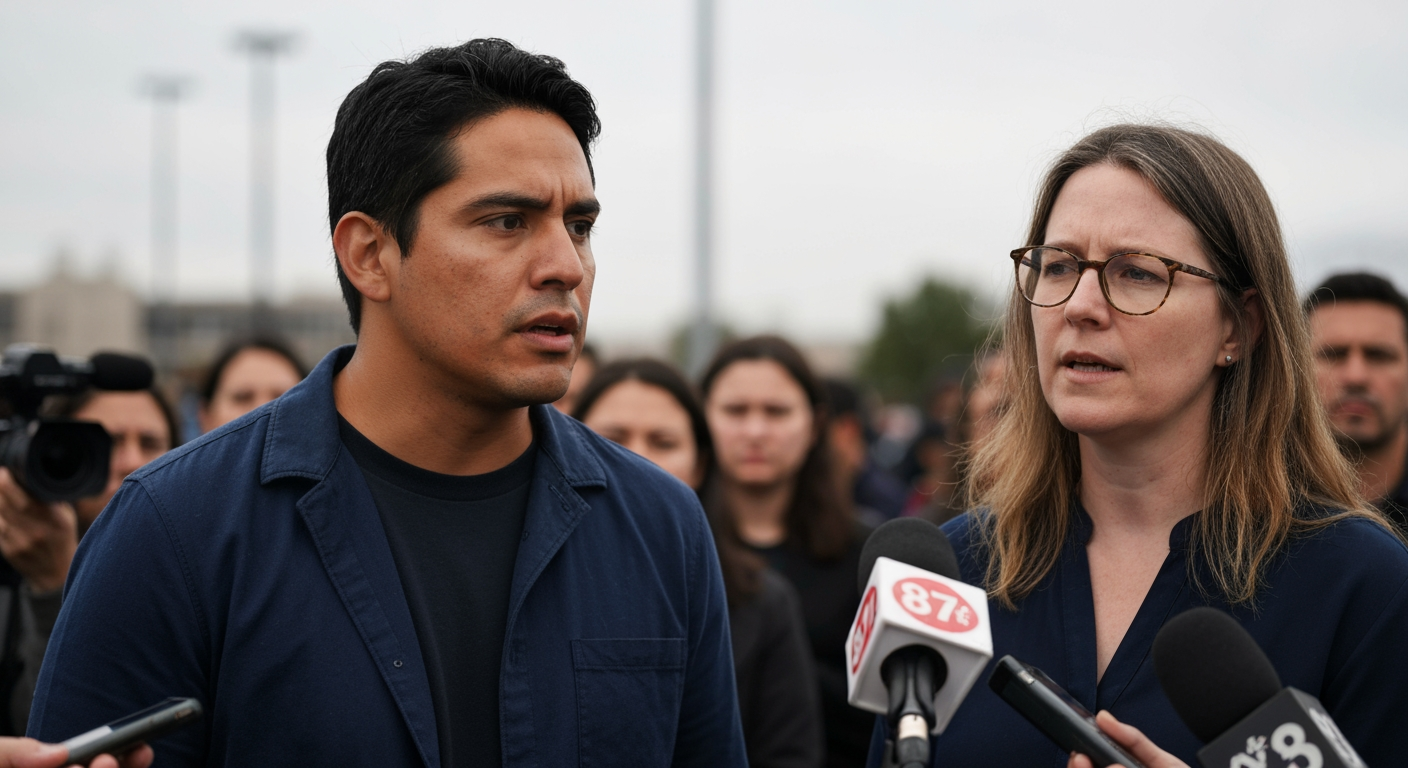
In an era where digital distribution offers unprecedented reach for independent creators, it also presents fertile ground for intellectual property theft. The harrowing experience of two German film students, Moritz and Julius, whose short film "Butty" was stolen, renamed "T-130," and submitted to international film festivals under another individual's name, serves as a stark reminder of the vulnerabilities artists face

Berlinale Navigates Turbulent Waters Amidst Polarized Gaza Debate
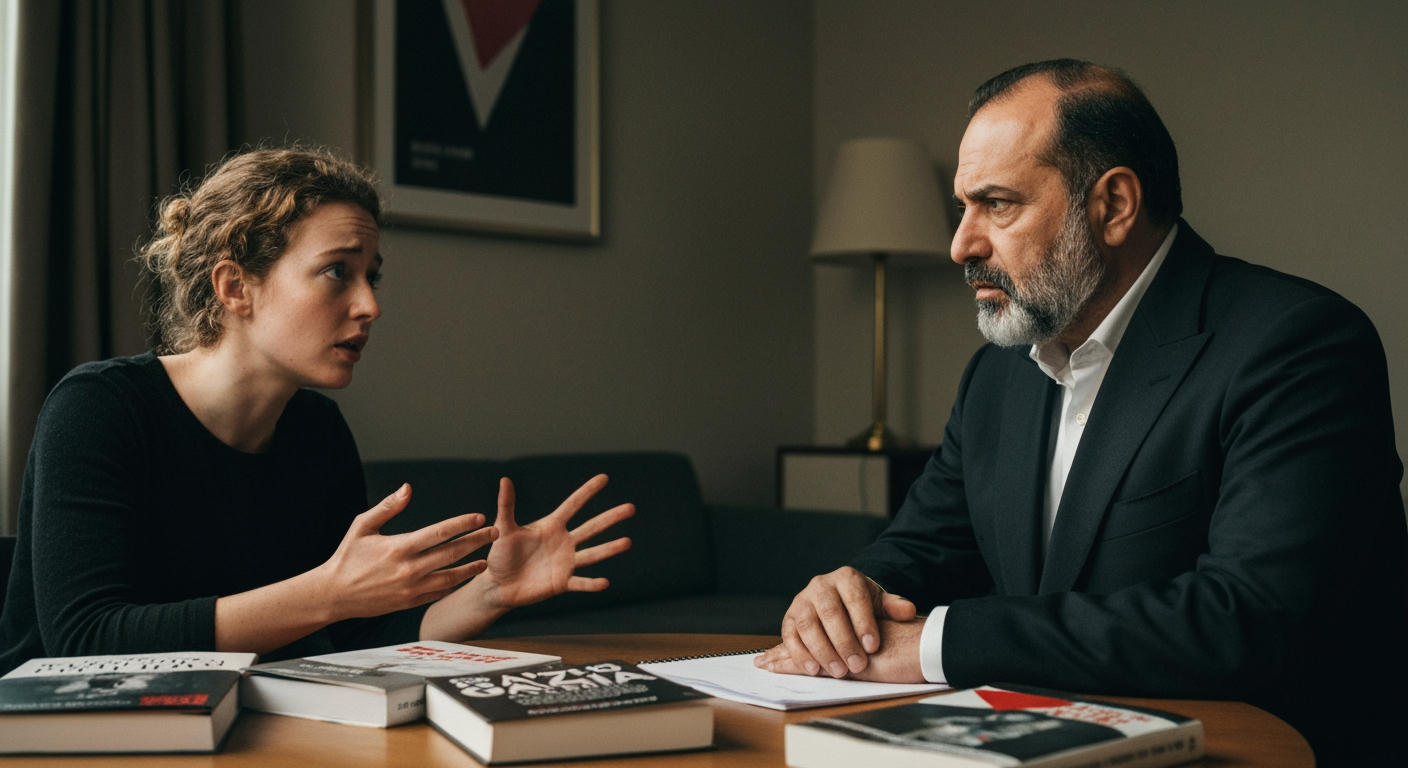
The Berlin International Film Festival, widely recognized for its historically political stance and celebration of diverse cinematic voices, finds itself at a critical juncture, grappling with intense scrutiny and division over the ongoing conflict in Gaza. The festival's leadership is facing a formidable balancing act, striving to uphold artistic freedom and foster dialogue while simultaneously contending with accusations of censorship and pressure to take a more definitive political position