Cem Özdemir Makes History as First State Premier of Turkish Heritage in Germany

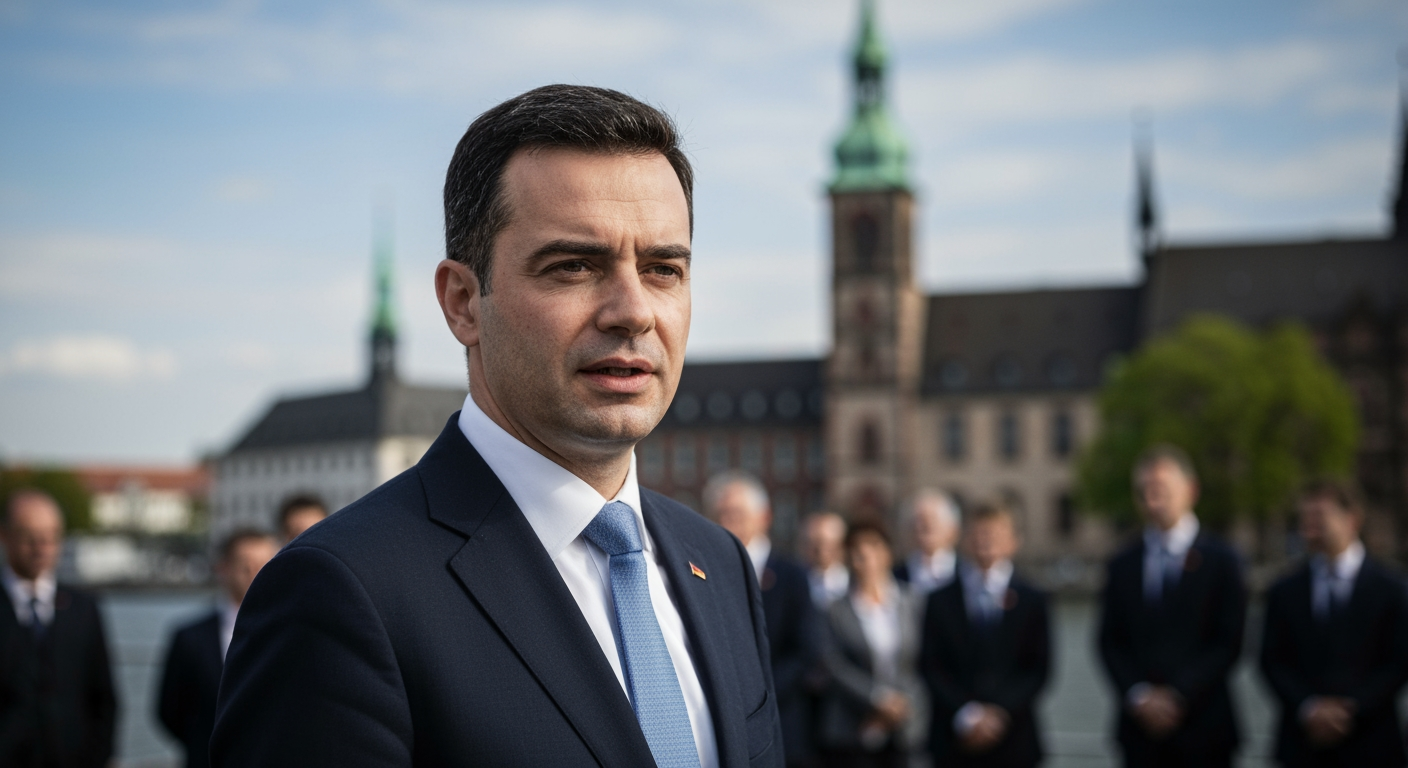
Stuttgart, Germany – In a landmark political development that signals a significant shift in Germany's political landscape, Cem Özdemir, a prominent figure within Alliance 90/The Greens, is poised to become the Minister-President of Baden-Württemberg, following a closely contested state election on March 8, 2026. This victory marks a historic moment, as Özdemir, born to Turkish immigrant parents, is set to become Germany's first state premier of Turkish heritage, breaking new ground for diversity and representation in the nation's highest state offices. His ascent to this leadership role underscores a changing Germany and the evolving narrative of integration and political participation for citizens with migrant backgrounds.
A Decisive Victory in Baden-Württemberg's State Election
The election in Baden-Württemberg, a prosperous southwestern state and an industrial powerhouse, saw the Greens emerge as the leading party, securing 30.2% of the popular vote. This result placed them narrowly ahead of the Christian Democratic Union (CDU), which garnered 29.7%. The election was highly anticipated, not only as a test of regional political sentiment but also for its broader implications on national politics, particularly ahead of the 2025 Bundestag elections. Cem Özdemir, having been formally designated as the lead candidate for the Greens in May 2025, campaigned to succeed Winfried Kretschmann, the long-serving and popular Green Minister-President who did not seek re-election after 15 years in office. Kretschmann was notably the first, and until now, only Green head of government in a German federal state. Özdemir's campaign emphasized continuity with Kretschmann's policies while also focusing on sustained ecological transformation and enhanced energy autonomy for the region. Following the election, Özdemir indicated support for maintaining the existing governing alliance with the CDU, stressing that any renewed coalition should operate on a basis of equality between the partners.
Cem Özdemir: A Career Defined by Pioneering and Pragmatism
Born in Urach, Baden-Württemberg, in 1965, Cem Özdemir's political journey has been marked by a series of firsts. He first entered the German Bundestag in 1994, becoming one of the first individuals of Turkish descent to serve in the federal parliament. His early political focus included integration and immigration issues, advocating for reforms to Germany's citizenship laws. From 2004 to 2009, he served as a Member of the European Parliament, where he was the Greens' spokesperson on foreign policy.
Özdemir's national profile further rose as he co-chaired the Green Party from 2008 to 2018, playing a crucial role in shaping the party's direction. In the 2017 federal election, he stood as one of the top two Green candidates. Most recently, he served as Federal Minister of Food and Agriculture in Chancellor Olaf Scholz's cabinet from 2021 to 2025, and briefly as Federal Minister of Education and Research in late 2024. His tenure as Agriculture Minister saw him tackle issues like sustainable farming and transparency in food origin. Throughout his career, Özdemir has been described as a pragmatic politician, often distancing himself from more left-wing factions of his party, which may have contributed to his broad appeal.
Implications for German Politics and Integration
Cem Özdemir's projected assumption of the Minister-President's office carries profound symbolic and practical weight for Germany. It signifies a maturation of Germany's multicultural society, where individuals from diverse backgrounds are increasingly reaching the highest echelons of political power. His success challenges traditional perceptions of leadership and opens pathways for greater representation of the approximately 3 million people of Turkish origin in Germany.
This development occurs against a backdrop of ongoing debates about integration and national identity, and in a political climate where right-wing populist parties, such as the Alternative for Germany (AfD), have seen an increase in support, often campaigning on anti-immigration platforms. Özdemir's historic achievement serves as a powerful counter-narrative, demonstrating the potential for individuals from immigrant communities to not only integrate but also to lead and shape the future of German states. It highlights the growing political engagement of the Turkish diaspora, a community that has become deeply intertwined with Germany over decades, particularly since the influx of "guest workers" in the post-WWII era.
The Path Forward: Challenges and Opportunities
As Minister-President, Özdemir will face the complex task of governing Baden-Württemberg, a state known for its strong economy and commitment to environmental policies. The formation of a stable coalition, likely continuing with the CDU, will be an immediate priority, requiring careful negotiation and consensus-building. The state election results also showed the AfD securing a significant 18.8% of the vote, making them the third-largest party in the state, which will undoubtedly influence the political discourse and legislative agenda.
Özdemir's national profile and pragmatic approach position him as a key figure in German politics, extending beyond Baden-Württemberg. His leadership will be observed closely, not only for its impact on the state's policies but also for its broader influence on the Green Party's standing and strategy in future national elections. His ability to lead a diverse coalition and address the economic and ecological challenges facing Baden-Württemberg will serve as a blueprint for progressive governance in a rapidly changing European landscape.
A New Chapter for German Leadership
Cem Özdemir's impending role as Minister-President of Baden-Württemberg marks a seminal moment in German political history. It is a testament to his enduring political career, his ability to connect with a broad electorate, and the evolving nature of German society. His leadership will not only define a new chapter for one of Germany's most important states but also stand as a powerful symbol of progress, diversity, and inclusive governance for the nation as a whole. His ascent to the highest state office with his background reflects Germany's continued journey towards a more representative and equitable political landscape.
Related Articles


Fact Check: Unraveling the Claims of Trump's "Edited Out" World Cup Photo
NEW YORK, N.Y. — Following Spain's historic 1-0 victory over Argentina in the 2026 FIFA World Cup Final, a social media storm erupted concerning former U.S. President Donald Trump's presence during the trophy...


Spain Claims Second World Cup Title Amidst Political Fallout at Trophy Ceremony
EAST RUTHERFORD, NEW JERSEY – Spain has clinched its second FIFA World Cup title, defeating Argentina in a thrilling final at the New York New Jersey Stadium. The historic victory, however, found itself overshadowed by...


Debunking Claims: No Secret U.S. Gulf Base Struck, But Confirmed Attacks on Known Installations Persist Amid Heightened Tensions
Reports circulating online suggesting Iran struck a secret United States military base in the Persian Gulf are unsubstantiated. While there is no evidence to support claims of an attack on an undisclosed American...