Berlin's Cultural and Academic Heart Under Siege as Deep Cuts Threaten City's Global Standing

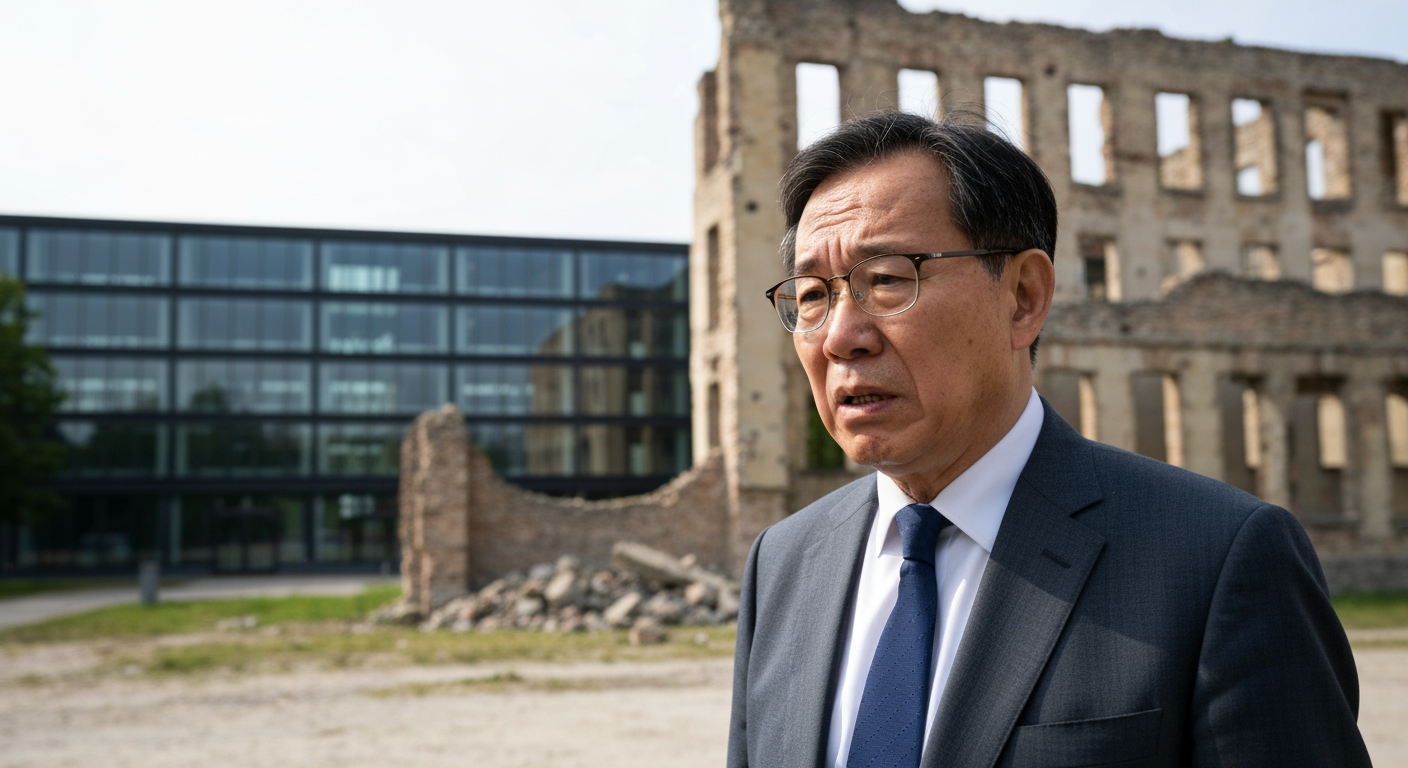
Berlin's cherished identity as a vibrant cultural capital and a leading hub for research and education is facing an existential threat, as sweeping budget cuts implemented by the city's government send shockwaves through its universities and diverse cultural institutions. A reported €130 million less for the cultural sector in 2025, alongside a staggering €250 million reduction for tertiary education, research, and science, has ignited widespread protests and sparked fears that Berlin's hard-won reputation could be permanently damaged. Critics contend these austerity measures, while intended to address a €3 billion city budget shortfall, are short-sighted and risk dismantling decades of investment in the very sectors that define Berlin's appeal and drive its economy.
Unprecedented Austerity: A Dual Blow to Culture and Academia
The Berlin Senate's decision to implement substantial budget reductions has plunged both the arts and higher education sectors into an unprecedented crisis. The cultural budget for 2025 alone is slated for a reduction of approximately €130 million, representing a 10 to 12 percent cut despite culture accounting for only 2.1 to 2.5 percent of the city's total budget. Simultaneously, the tertiary education, research, and science budget is facing a colossal €250 million cut in 2025, with state universities anticipating a deficit exceeding €100 million. Freie Universität Berlin, for instance, projects a €37 million funding gap for 2025. These figures underscore the severity of the cuts, which are perceived by many as a disproportionate burden on sectors crucial to the city's future.
Cultural Institutions Brace for Impact: From Operas to Independent Scenes
The ramifications of these cultural cuts are broad and deep, impacting a vast array of institutions that form the backbone of Berlin's artistic landscape. State-owned and state-funded entities, including renowned opera houses like Komische Oper and Berliner Ensemble, major concert halls such as the Philharmonie, and various dance institutions, face significant financial strain. Independent arts scenes, children's and youth theaters, orchestras, music schools, and museums like the Deutsches Technikmuseum are also among those bracing for reduced funding. Specific projects have already felt the immediate effects; the planned renovation of the Komische Oper is set to lose €10 million, and artists' workspaces will see €12 million less in funding. The world-renowned Berlin International Film Festival (Berlinale) has seen its public funding halved, a move that raises concerns about its future accessibility and programming.
Beyond established institutions, the cuts are disproportionately affecting grassroots initiatives and programs dedicated to fostering diversity and inclusion. Projects like Berlin Mondiale, which provides cultural access for marginalized youth, and IMPACT, a program promoting diversity in the arts, have lost their funding entirely. The queer, postcolonial cultural center Oyoun was forced to shut its doors. Even popular public offerings, such as Museum Sundays, which provided free entry to museums on the first Sunday of each month, have been discontinued, raising concerns about access to culture for all citizens. This rollback of inclusive programs has sparked fears that the cuts will not only diminish the quantity of cultural offerings but also erode the diversity and accessibility that have been central to Berlin's cultural ethos.
Universities on the Brink: Academic Quality and Research at Risk
Berlin's higher education sector is similarly reeling from the budget mandates, threatening its standing as a global scientific and research hub. Major institutions, including Freie Universität Berlin, Humboldt University, the Technical University, and the University of the Arts (UdK), are directly affected. The University of the Arts, as Berlin's smallest university, faces a particularly critical situation due to its limited financial reserves, with its Academic Senate warning of a "significant decline in the quality of teaching."
The cuts extend to the core functions of academic life. Reports indicate that approximately 25,000 student places, representing 10% of the total in Berlin, are slated for removal. Critical academic fields, such as archaeology and social and cultural anthropology at Freie Universität, are reportedly endangered. Universities face challenges such as overcrowded seminars, fewer graduates, overworked staff, and deteriorating infrastructure. Furthermore, the cuts impact teaching capacity through the loss of staff, non-renewal of lecturer contracts, and reduced hours for student assistants. Practical aspects of education, including funding for excursions, exhibition visits, guest lectures, and essential materials, are also under threat. These reductions jeopardize the long-term goals of these institutions and, consequently, Berlin's reputation as a leading center for research and science.
A Unified Outcry: #BerlinIstKultur Mobilizes Resistance
The severe nature of these budget cuts has prompted a robust and unified response from both the cultural and academic communities. Under the rallying cry of #BerlinistKultur, a broad alliance of cultural workers, institutions, and groups has mobilized extensive protests and public awareness campaigns. Thousands have gathered in demonstrations at iconic locations like the Brandenburg Gate, and solidarity concerts have been organized to voice dissent. Petitions against the cuts have garnered over 100,000 signatures, underscoring widespread public support for the city's cultural landscape.
Academics and students have joined this wave of resistance. Freie Universität Berlin launched a symbolic campaign by removing the letter "e" from official communications, illustrating the drastic impact of the cuts on public institutions. Student initiatives, such as "Bildung braucht Budget" (Education Needs Budget) at the University of the Arts, have issued strong statements, expressing profound disappointment and demanding that the Berlin Senate uphold its commitments to adequate funding for higher education. Prominent artistic directors and authors have publicly warned that the cuts represent a "death knell" for Berlin's creative future, emphasizing the irreversible damage to the city's cultural infrastructure.
The Long-Term Stakes: Economic, Social, and Reputational Erosion
The ongoing budget cuts are not merely financial adjustments; they pose a profound threat to Berlin's economic vitality, social cohesion, and international standing. The cultural sector is a significant economic driver, employing 265,000 people and generating an annual turnover of €44 billion. Analysts warn that diminishing cultural offerings will negatively impact tourism, with up to 80% of Berlin's 30 million annual visitors citing culture as a primary reason for their visit. This potential decline in tourism, coupled with a reduced appeal for commercial companies, risks a significant economic downturn for the city.
Beyond economics, the erosion of cultural and educational opportunities threatens the city's social fabric. Initiatives designed for marginalized communities and programs fostering diversity are among the first to be eliminated, undermining years of effort to create a more inclusive society. The cuts are seen by some as an attack on social cohesion, particularly at a time when political extremism is a growing concern. The long-term consequences could include a "brain drain," as creatives and academics seek opportunities in cities that value and invest in their sectors. Many argue that these austerity measures are short-sighted, setting back the city's development by decades and jeopardizing its ability to maintain its unique identity and global competitiveness.
The debate in Berlin transcends mere budgetary constraints; it is a critical discussion about the city's values and its vision for the future. As cultural and academic communities continue their unified resistance, the long-term implications of these cuts for Berlin's global standing as a beacon of culture, creativity, and knowledge remain a significant concern. The outcome of this struggle will undoubtedly shape the city's trajectory for generations to come.
Related Articles

Germany on the Cusp of a Historic First: The Path to a Female Head of State
Germany stands at a potentially historic juncture as discussions intensify regarding the selection of its next Federal President in 2027. For the first time in its history, the nation could elect a woman to the largely ceremonial yet deeply symbolic role of head of state, marking a significant milestone in its political evolution


Navigating the Labyrinth of Truth: Cutting Through Epstein Files Disinformation
The highly anticipated release of millions of documents related to financier and convicted sex offender Jeffrey Epstein has unleashed a torrent of information, but it has also created a fertile ground for widespread disinformation. As the public grapples with the sheer volume of court records, interviews, emails, and images, the challenge of discerning fact from fiction has become paramount


India and Bangladesh Embark on a New Chapter to Reinvigorate Bilateral Ties
Dhaka and New Delhi are actively recalibrating their multifaceted relationship, signaling a significant reset in bilateral ties following a recent political transition in Bangladesh. The election of the Bangladesh Nationalist Party (BNP) and the ascendance of Prime Minister Tarique Rahman have opened a new diplomatic window, prompting India to swiftly engage with the new leadership to foster renewed cooperation