Berlinale Navigates Tense Waters: Political Firestorm and Ticketing Frustrations Mar Film Festival's Opening
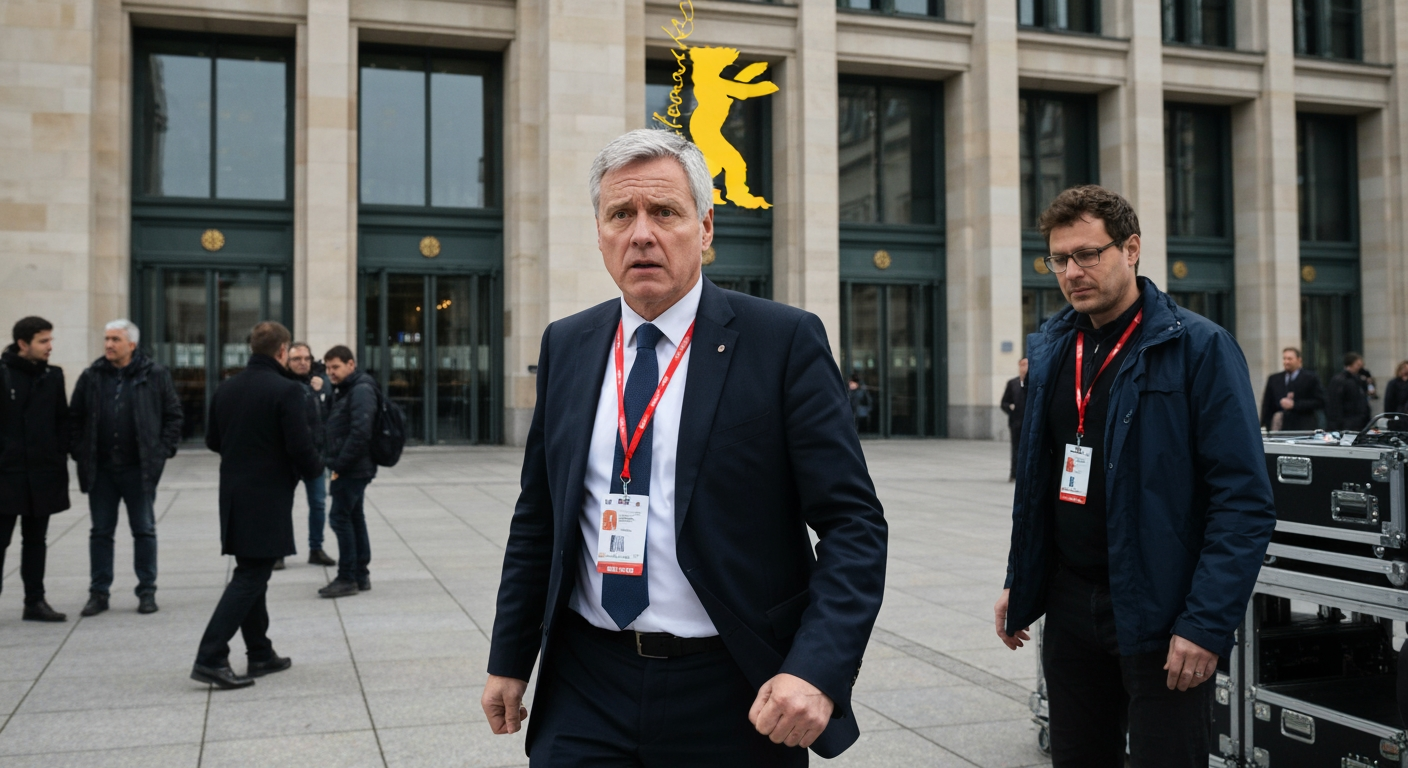
The annual Berlin International Film Festival, globally recognized as the Berlinale, commenced amidst a palpable tension, characterized by a potent confluence of geopolitical controversy and persistent technical hurdles. While the world's cinematic elite gathered to celebrate artistic expression, the 74th edition of the festival found itself grappling with intense debates surrounding the conflict in Gaza and widespread frustrations over its online ticketing system, casting a shadow over the event's traditionally glamorous opening.
The Geopolitical Undercurrent: Debates on "Genocide" and Freedom of Expression
The most significant contention arose from the ongoing Israel-Hamas conflict, which ignited a fiery debate within the festival's usually artistic and celebratory atmosphere. The term "genocide" became a flashpoint, particularly after Palestinian filmmaker Basel Adra and Israeli filmmaker Yuval Abraham, co-directors of the documentary "No Other Land," used their acceptance speeches at the awards ceremony to voice strong criticisms of Israel's actions in Gaza and the West Bank, calling for a ceasefire. Adra articulated the difficulty of celebrating while "tens of thousands of my people are being slaughtered and massacred by Israel in Gaza," appealing to Germany to cease arms exports to Israel. Abraham, his Israeli counterpart, spoke of the "apartheid conditions" experienced by Palestinians, highlighting the disparity in rights and movement between Israelis and Palestinians living just minutes apart.
These statements, made during the concluding awards ceremony, resonated deeply within the festival hall, drawing applause from many attendees but sparking immediate and forceful condemnation from German politicians. Berlin Mayor Kai Wegner swiftly denounced the remarks as "unacceptable relativization" and asserted that "there is no place for anti-Semitism in Berlin," a sentiment echoed by Germany's Minister of Culture, Claudia Roth. The use of terms like "apartheid" and "genocide," while part of academic and activist discourse, is particularly sensitive in Germany due to its historical responsibility. The ensuing political backlash led to accusations of antisemitism against the filmmakers, with Yuval Abraham reporting death threats and concerns for his safety following his speech.
The festival's leadership, including its new director Tricia Tuttle, later addressed the controversy, reaffirming the Berlinale's commitment to freedom of expression while acknowledging that "many people were troubled by a perceived one-sidedness" of the statements. The festival's official position, outlined in a Q&A, clarified that it supports filmmakers' right to discuss their work's impulses and global experiences, even if it generates tension, and refuted claims of banning symbols of solidarity with Palestine. This delicate balancing act underscored the increasing pressure on cultural institutions to navigate complex geopolitical landscapes while upholding artistic freedom.
The Digital Gauntlet: Frustrations with Berlinale's Ticketing System
Concurrently with the political debates, the Berlinale also faced significant operational challenges, primarily centered around its online ticketing system. For many festival-goers, securing access to desired screenings proved to be a "competitive and a pain," with tickets for popular films frequently selling out within minutes, sometimes even seconds, of their release. The system, which made tickets available online three days in advance at a fixed time each day, often required prospective attendees to meticulously time their website refreshes and possess a considerable amount of luck to succeed.
This high-stakes online scramble led to widespread frustration among the public and accredited visitors alike. While not indicative of a complete system collapse, the intense demand coupled with the operational specifics of the online portal created a de facto technical hurdle, making access arduous. Reports from social media and online forums highlighted users' exasperation, some comparing the difficulty of acquiring Berlinale tickets to securing highly coveted concert tickets. The festival's own guidelines acknowledge that "it is not possible to guarantee tickets for a specific film screening or event," further illustrating the demand-driven nature of the challenge.
Beyond the general public, accredited visitors also faced potential issues, with the festival noting that access to the online ticket shop could be delayed if accreditation fees were paid late. While the Berlinale provided web support contact information for technical issues, the core problem stemmed more from the system's capacity to handle instantaneous, overwhelming demand for limited tickets rather than widespread outages. This recurring issue underscores the growing pains of major cultural events adapting to digital distribution while trying to maintain accessibility.
Navigating Dual Pressures: The Festival's Balancing Act
The dual challenges of an explosive political discourse and persistent ticketing frustrations placed the Berlinale's organizers in a precarious position. The festival, celebrated globally as a platform for diverse voices and cinematic innovation, had to simultaneously address severe political condemnation from host nation officials and manage the expectations and frustrations of its audience. This created an atmosphere where the art itself often had to contend with external pressures.
The organizers' measured response to the political statements, defending freedom of expression while acknowledging the sensitivity of the issues, reflected an attempt to uphold the festival's artistic integrity amidst a politically charged environment. This incident highlighted the increasing difficulty for major cultural events to remain apolitical in an interconnected world, particularly when artists use their platforms to address pressing global issues. The debates extended beyond the speeches, prompting discussions within German political circles about the funding and governance of cultural institutions and their role in facilitating such dialogues.
The ticketing issues, while less dramatic, represented a fundamental challenge to the festival's engagement with its audience. A festival known for its public accessibility was experiencing friction at the very point of entry for many film enthusiasts. The need for a robust and user-friendly system capable of handling peak demand without causing significant stress to attendees remains a critical operational consideration for future editions.
Conclusion: A Festival in Flux
The initial days of the Berlinale served as a stark reminder of the complex realities facing major international cultural events. The festival, a traditional beacon of artistic freedom and cultural exchange, found itself wrestling with the profound impact of global conflicts on its stage and the intricate logistics of digital-age event management. The "genocide question" underscored the moral and political responsibilities that increasingly fall upon cultural platforms, forcing them to navigate contentious narratives and public opinion. Simultaneously, the persistent "technical problems" in ticketing highlighted the operational hurdles that, if not effectively addressed, can alienate the very audience a festival seeks to serve. As the Berlinale continues its run and looks towards future editions, these intertwined challenges will undoubtedly influence its strategic direction, shaping how one of the world's premier film festivals balances artistic expression, political engagement, and audience experience in an ever-evolving global landscape.
Related Articles


The Journey Towards Conscience: Is Responsible Travel an Achievable Ideal?
The allure of distant lands and novel experiences continues to captivate humanity, yet the escalating impacts of global tourism present a profound ethical dilemma. As wanderlust drives billions across continents, a critical question emerges: In an era of climate crisis and overtourism, can travel truly be responsible? The answer, experts suggest, is a complex tapestry woven with challenges and burgeoning opportunities, demanding a collective shift in mindset and practice from both industry and individual travelers. ### The Promise and Peril of Global Exploration Responsible travel, broadly defined, seeks to minimize the negative environmental and socio-cultural impacts of tourism while maximizing its positive contributions to local economies and communities

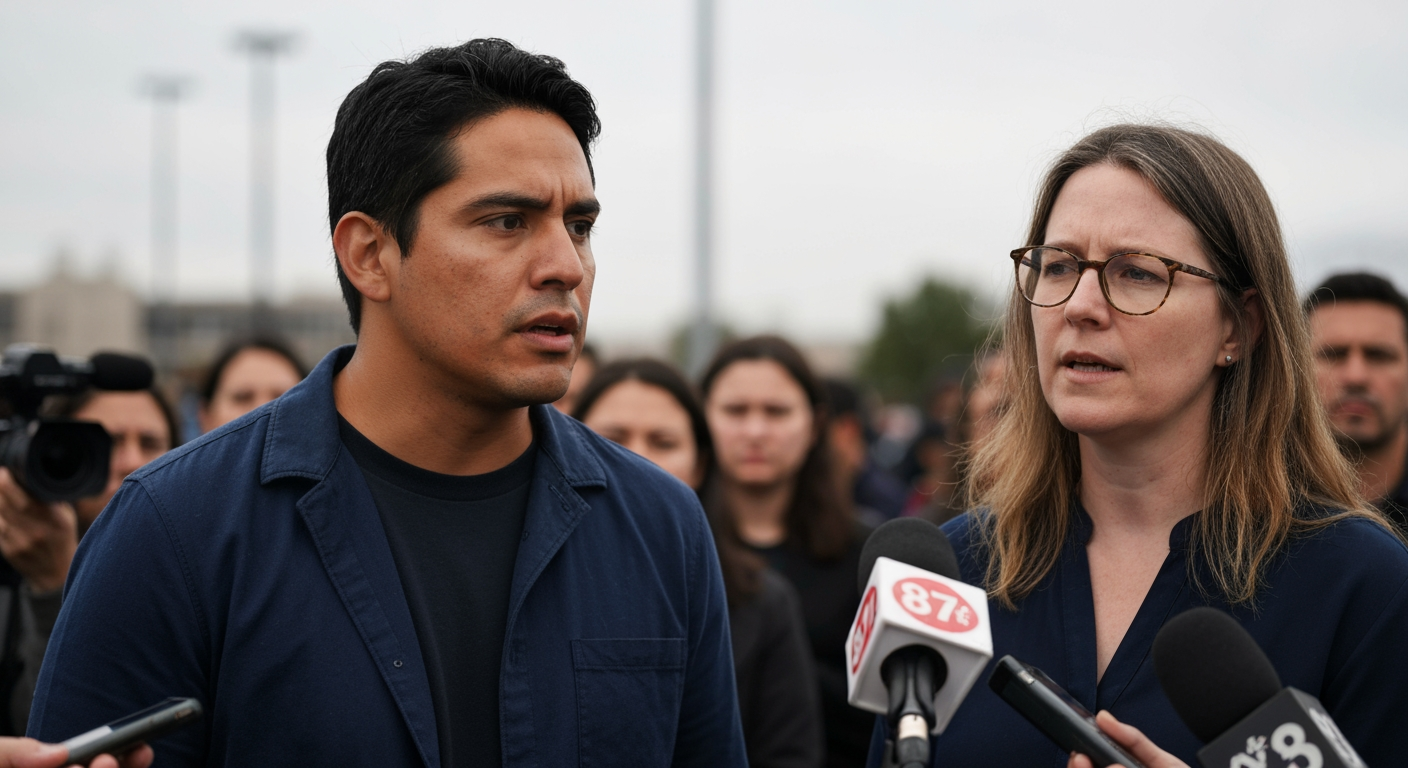
Stolen Identity: German Filmmakers Recouping Their Art in a Digital Age
In an era where digital distribution offers unprecedented reach for independent creators, it also presents fertile ground for intellectual property theft. The harrowing experience of two German film students, Moritz and Julius, whose short film "Butty" was stolen, renamed "T-130," and submitted to international film festivals under another individual's name, serves as a stark reminder of the vulnerabilities artists face

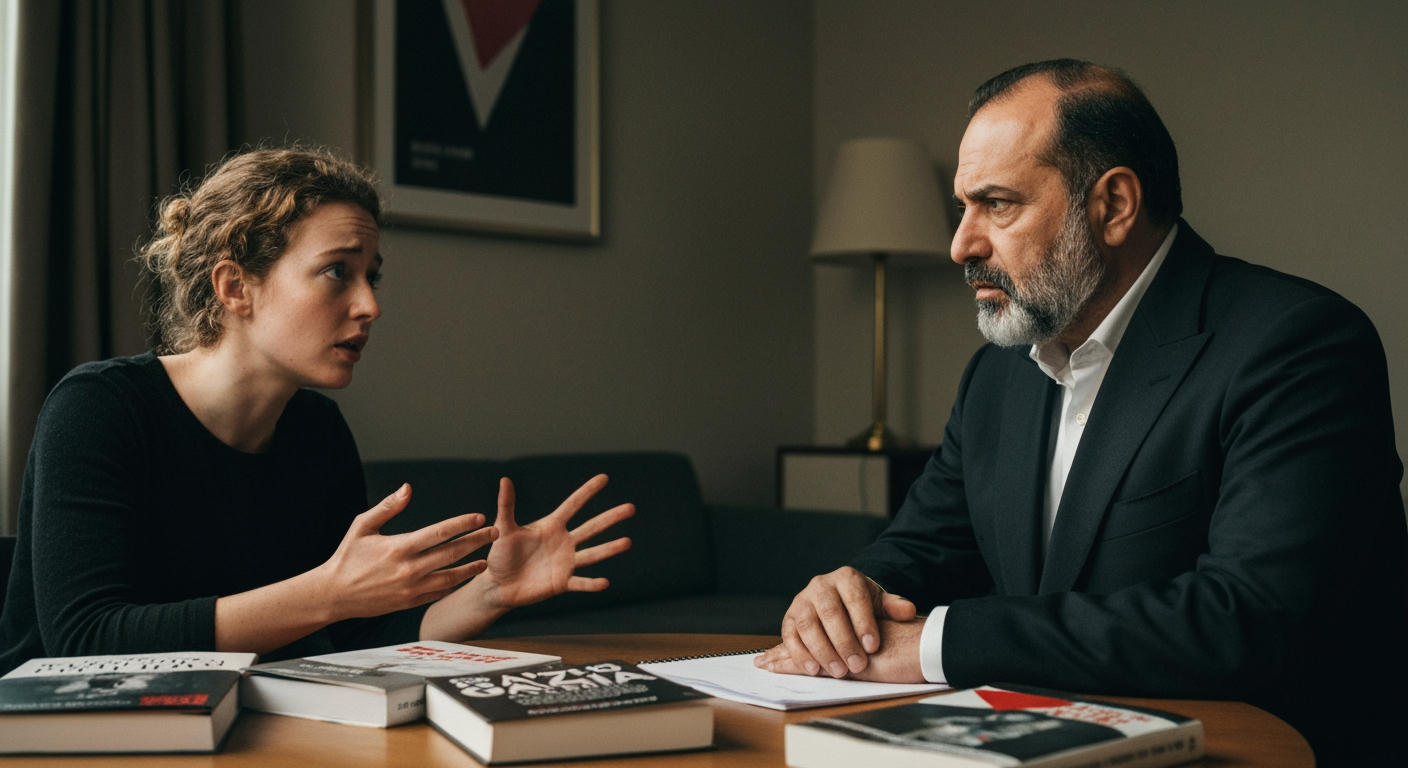
Berlinale Navigates Turbulent Waters Amidst Polarized Gaza Debate
The Berlin International Film Festival, widely recognized for its historically political stance and celebration of diverse cinematic voices, finds itself at a critical juncture, grappling with intense scrutiny and division over the ongoing conflict in Gaza. The festival's leadership is facing a formidable balancing act, striving to uphold artistic freedom and foster dialogue while simultaneously contending with accusations of censorship and pressure to take a more definitive political position